Enhancing Construction Safety with Advanced Ready-Mix Concrete Solutions
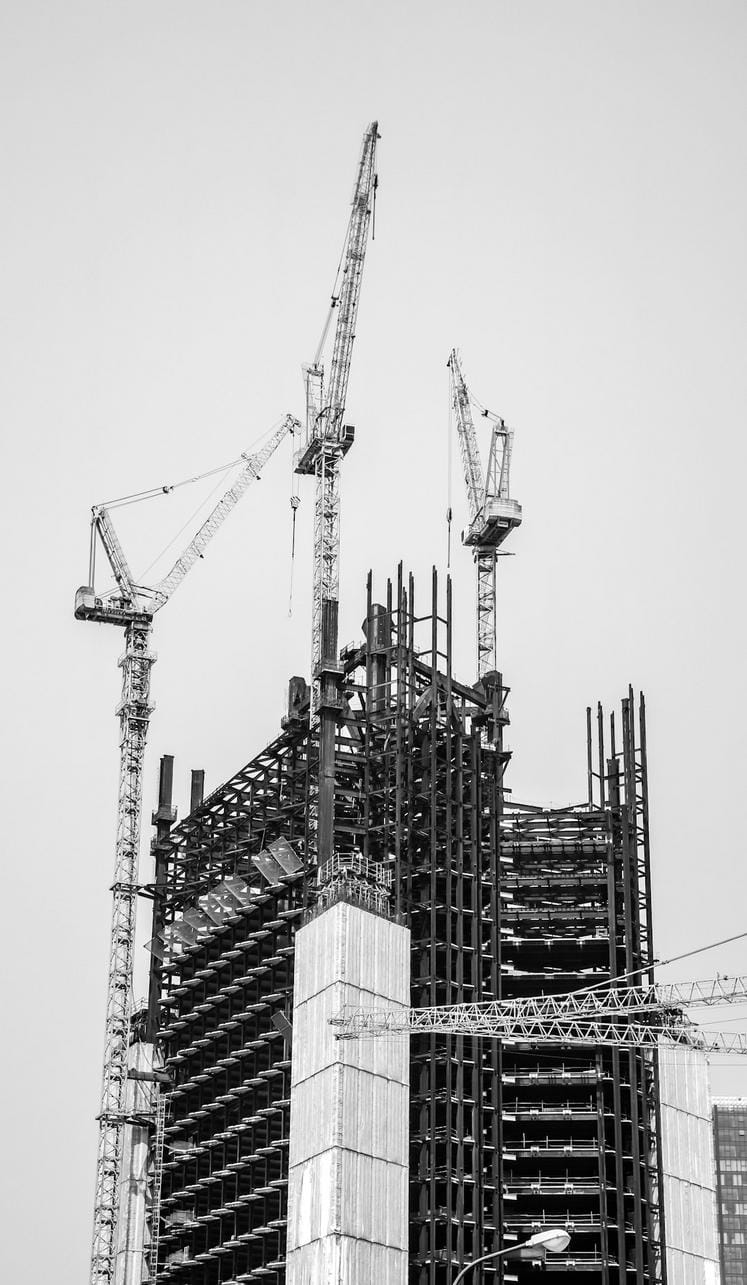
The Critical Role of Construction Safety in Modern Building Projects
Construction safety remains a paramount concern across the industry, especially with the increasing complexity of building projects and the adoption of advanced machinery and materials. Ensuring a safe work environment isn't just about complying with standards; it’s a strategic investment that minimizes accidents, safeguards workers, and maintains project timelines. Safety protocols, including proper training, protective equipment, and hazard identification, are foundational. However, integrating technological solutions like automated safety features in equipment—such as modern batching plants—takes safety to the next level. These plants often come with safety guards, emergency stop buttons, and real-time monitoring systems that detect and prevent unsafe situations. The risk of accidents decreases significantly when everyone on site is equipped with reliable safety measures, which also leads to better productivity and morale among workers. As the industry evolves, construction companies are recognizing that safety and efficiency are intertwined, and investing in innovative safety features becomes a key priority. Building a culture that prioritizes safety not only protects workers but also enhances the overall reputation and profitability of construction firms. This focus on safety is especially crucial when dealing with large-scale infrastructure projects or commercial developments where risk factors are amplified.
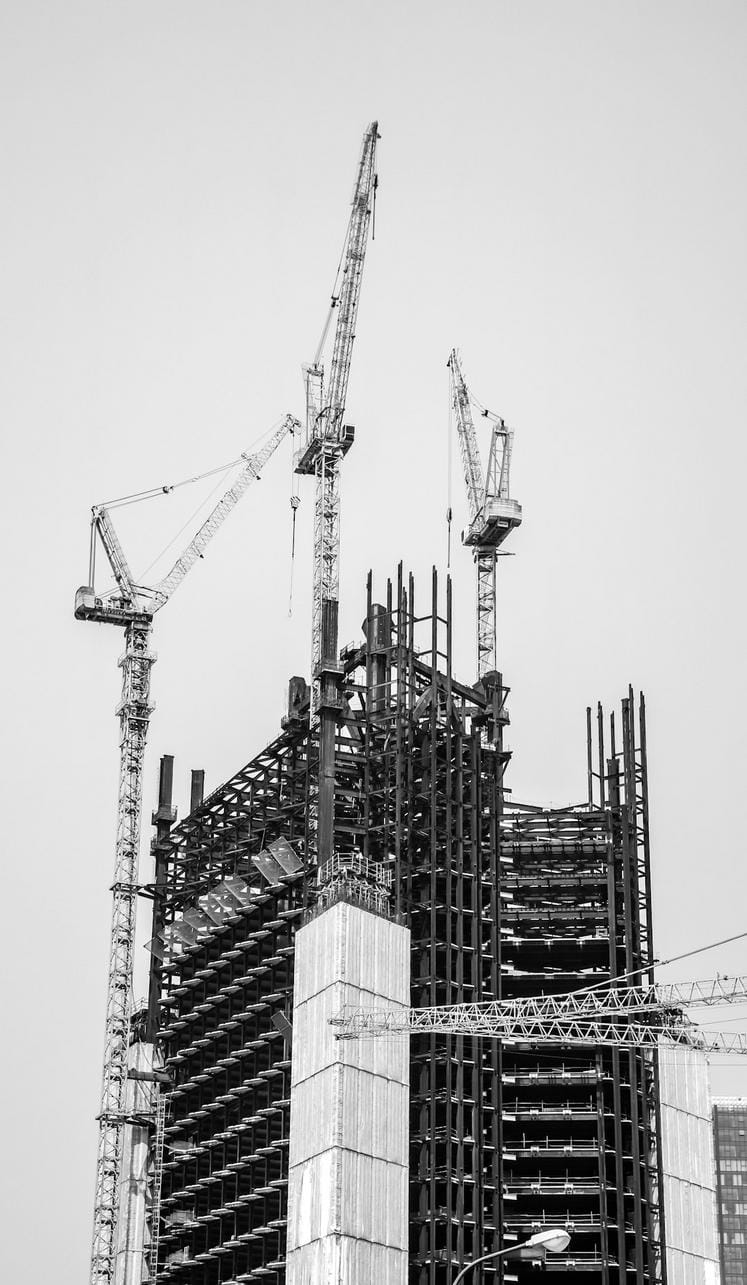
The Significance of Ready-Mix Concrete Plants in Modern Construction
In the landscape of contemporary construction, ready-mix concrete plants serve as a backbone for delivering high-quality, durable concrete efficiently. These batching facilities either operate on-site or at central locations, providing precise mixtures that meet specific project requirements. The benefits are clear: they allow for faster project completion, improved concrete consistency, and a reduction in waste and rework. Moreover, ready-mix plants help avoid the logistical challenges of transporting concrete in mixer trucks over long distances, which can compromise quality and increase costs. By investing in modern batching plants equipped with automation and safety features, construction companies can ensure that their concrete supply is not only dependable but also produced with safety and efficiency in mind. The decision to choose the right plant involves careful evaluation of capacity, automation capabilities, and compliance with safety standards. Such investments translate into tangible benefits including improved project timelines, minimized material waste, and enhanced overall safety for crews working on site. As infrastructure projects grow in scale and complexity, the reliance on advanced ready-mix solutions will continue to expand across the US and beyond.
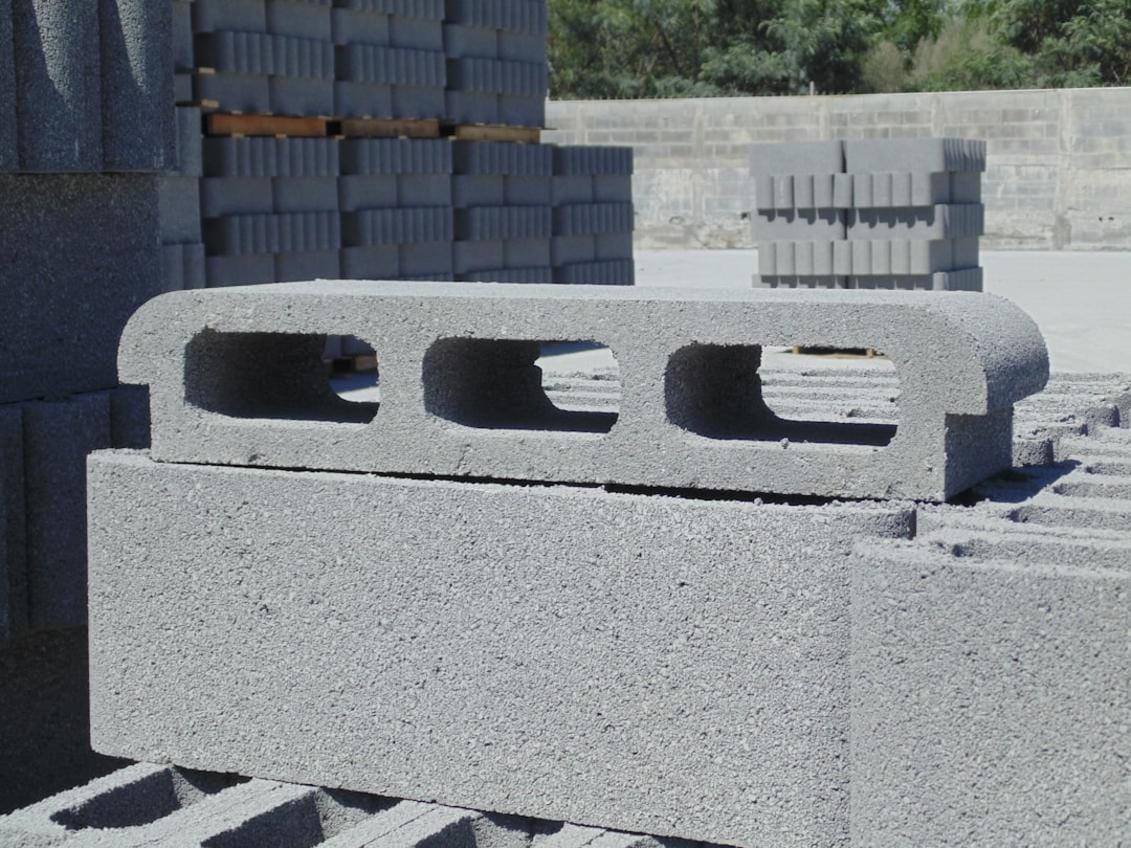
Key Factors in Selecting a Reliable Ready-Mix Plant and Ensuring Safety
Selecting the right ready-mix plant is a critical decision for construction firms aiming to optimize safety and project efficiency. Key factors include capacity to handle project demands, the level of automation, and embedded safety features such as emergency stops, protective enclosures, and real-time monitoring systems. Additionally, compliance with industry standards such as ASTM and local safety regulations should be verified before making a purchase. Working with reputable suppliers who provide detailed specifications, quality assurance, and ongoing support is essential. These suppliers often offer advanced technological solutions that enable remote operation, automated batching, and integrated safety protocols that can detect anomalies and prevent accidents. Proper evaluation of these aspects results in a sustainable investment that enhances safety on site, reduces operational risks, and guarantees consistent concrete quality. Ensuring that the plant aligns with project timelines and safety standards ultimately fosters a safer work environment for all personnel involved. As the US construction industry continues to grow, emphasis on these factors will be increasingly important for effective project management and workforce protection.
Comments ()