The Hidden Power of Ready-Mix Concrete Which Could Rewrite Construction Economics
The Silent Economic Revolution Inside Ready-Mix Concrete Production
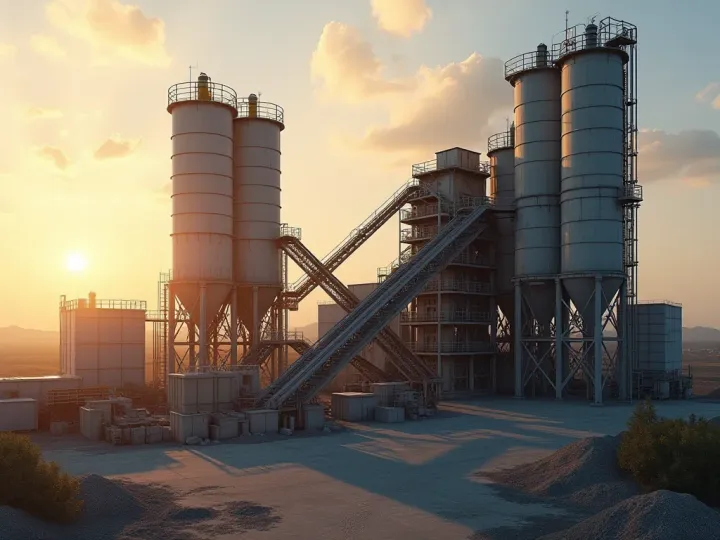
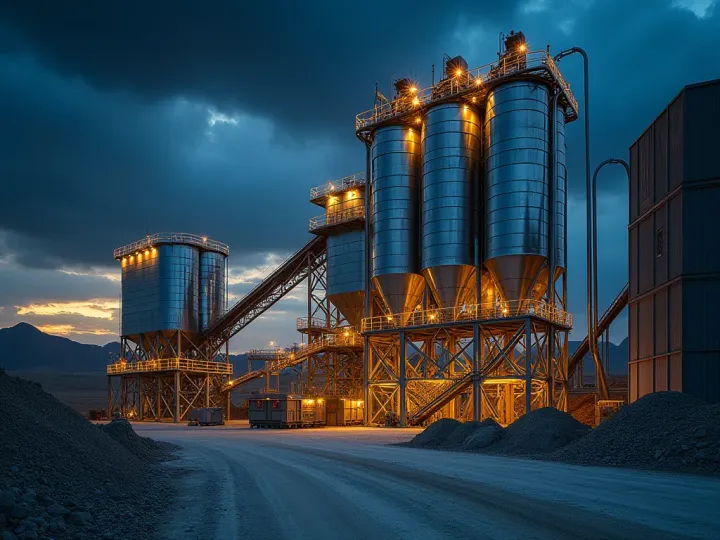
Most industry chatter tends to focus on big-picture infrastructure funding, labor shortages, or raw materials costs when discussing the future of construction. Yet, there is a more covert and influential factor at play—namely, the rise of technologically-advanced ready-mix concrete plants that could be quietly reshaping the economics of construction projects without fanfare. These plants are not just about producing consistent concrete anymore; they are becoming strategic hubs that influence project timelines, safety protocols, and ultimately, profit margins in ways many industry insiders and investors have yet to fully grasp. What’s truly startling is that their impact extends beyond logistical conveniences to fundamentally altering how construction companies, especially large suppliers like Vulcan Materials, leverage their assets, improve safety, and meet sustainable standards. This quiet shift holds the potential to redefine competitive advantage in the sector and could even destabilize traditional suppliers slow to adapt to this new industrial paradigm.
Why The Focus on Technology Means More Than Just Efficiency
While many might assume that the primary benefit of modern ready-mix plants is straightforward—delivering concrete on time and meeting specifications—the deeper truth reveals a far more complex impact. The integration of automation, real-time monitoring, and sophisticated batching software has shifted these plants from simple manufacturing hubs into strategic assets that directly influence project safety, environmental compliance, and cost control. For example, advanced admixture dosing and precise water-cement ratio management allow for bespoke concrete mixes that perform better under certain conditions, extending the lifespan of structures and reducing maintenance costs. Moreover, safety improvements achieved through automation reduce on-site risks, protecting workers and lowering insurance premiums. These technological strides are now offering construction firms a competitive edge that translates into faster project completion times, reduced waste, and better compliance with increasingly stringent environmental standards. The industry’s future depends less on raw material costs and more on how effectively these plants harness innovation for value creation.
Changing the Competitive Landscape and Who Truly Leads the Industry
The ascendancy of digitally-enabled ready-mix plants also raises critical questions about industry leadership and market power. Companies like Vulcan Materials, which have invested heavily in regional plants and automation technologies, are gaining an edge not solely through better logistics but via their capacity to provide tailored, high-performance mixes that meet the precise demands of complex projects. This creates a subtle but significant shift in who holds leverage in construction contracts. Traditional raw material suppliers, once dominant solely based on quantity and geographic reach, now find themselves competing against vertically integrated firms that control not only aggregates but also the manufacturing, safety, and environmental compliance of concrete. These integrated operations can deliver higher margin solutions, command premium prices, and reduce project delays—ultimately consolidating power within a few industry giants. Meanwhile, smaller or less technologically advanced players risk falling behind as the construction sector becomes increasingly data-driven and efficiency-focused.
Environmental and Safety Implications Beyond the Pumping Chute
There is a crucial, yet often underreported, aspect of this technological transformation—its potential to significantly enhance safety and environmental outcomes. Modern ready-mix plants with integrated sensors and automation minimize manual handling, reduce exposure to hazardous materials, and ensure more consistent application of safety protocols. For instance, precise mix adjustments on the fly can prevent structural failures caused by weak batches, while dust suppression and noise controls directly mitigate environmental impacts and limit regulatory risks. Moreover, these plants’ ability to optimize the use of recycled aggregates and recycled water from washout processes supports the industry’s push toward sustainability. As regulatory scrutiny intensifies and climate considerations become a core part of project planning, the strategic deployment of such advanced plants offers a way for firms to not only meet compliance but also position themselves as industry leaders committed to responsible construction. This alignment of safety, environmental stewardship, and technological innovation might soon be the defining characteristic separating the industry’s top performers from laggards.
A Future Where Concrete Is a Strategic Asset, Not Just a Commodity
Looking ahead, the true significance of these technological upgrades is that concrete, once considered merely a raw material or a low-margin commodity, is poised to become a strategic asset that can be finely tuned, environmentally optimized, and delivered with unprecedented reliability. As infrastructure projects expand and environmental standards tighten globally, the firms that develop and operate these advanced ready-mix plants will have a decisive advantage over those still relying on antiquated methods. Their ability to produce bespoke mixes rapidly, ensure worker safety, and meet sustainability goals will redefine what construction success looks like. This reshaping affects not only capital investment strategies but also influences policies and industry standards. It opens up new revenue streams based on performance-based contracts, offering clients smarter, more durable solutions that justify premium pricing. The industry is on the cusp of a paradigm shift—one where concrete is no longer just the passive recipient of raw materials but a core driver of construction innovation, safety, and sustainability. 1win apuestas
Comments ()