One neighbor's complaint triggered a regulatory trap that could shut your concrete business down
The Complaint That Started a Regulatory Storm in Gray Court
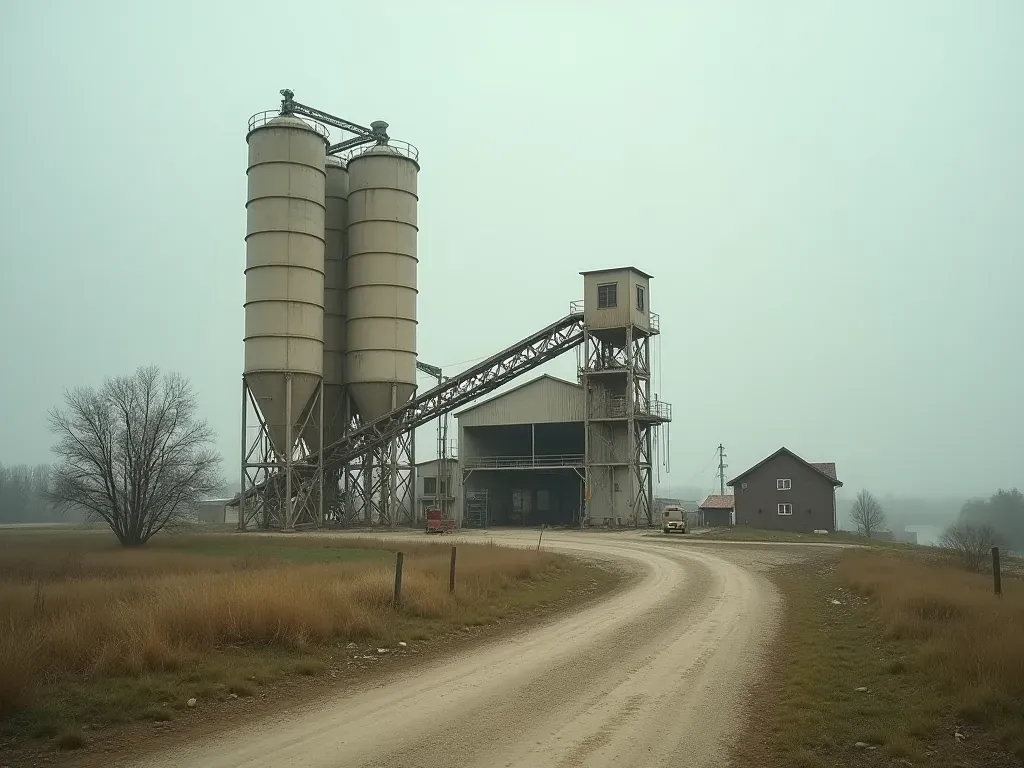
It started with a single phone call. Not a lawsuit. Not an environmental protest. Just one homeowner in Gray Court, South Carolina, picking up the phone because their view of the concrete plant had suddenly disappeared behind a curtain of gray powder.
That one report set off a chain reaction nobody at the plant saw coming. The South Carolina Department of Health and Environmental Control (SCDHEC) opened an investigation into dust emissions.
The findings were blunt. The plant had violated both air quality regulations and specific permitting conditions related to particulate matter control.
Why One Neighbor Has More Power Than You Think in Construction Law
We tend to assume compliance is all about meeting federal standards or passing state inspections. But the real threat usually comes from local sentiment.
In states like South Carolina, the regulatory agencies are highly responsive to community grievances. A single persistent complaint can accelerate an audit that might otherwise have taken years.
This isn't just about being nice to neighbors. It is a strategic risk management failure when you ignore the human element of your operation.
I've seen plants that ran for decades without issue, only to face sudden scrutiny because of one unresolved dispute with a resident.
The lesson here is stark. Your neighbors aren't just bystanders; they're active participants in your regulatory environment.
The Psychology of the First Complaint
Regulators often act on the principle that if one person is complaining loudly enough, there may be a systemic problem.
They don't need proof that the dust is harmful to prove a violation. They only need evidence that your controls aren't functioning as permitted.
This creates a dangerous feedback loop. The more you argue with the neighbor, the more they escalate to regulators.
The Hidden Cost of Ignoring Dust Control Systems in Ready Mix Plants
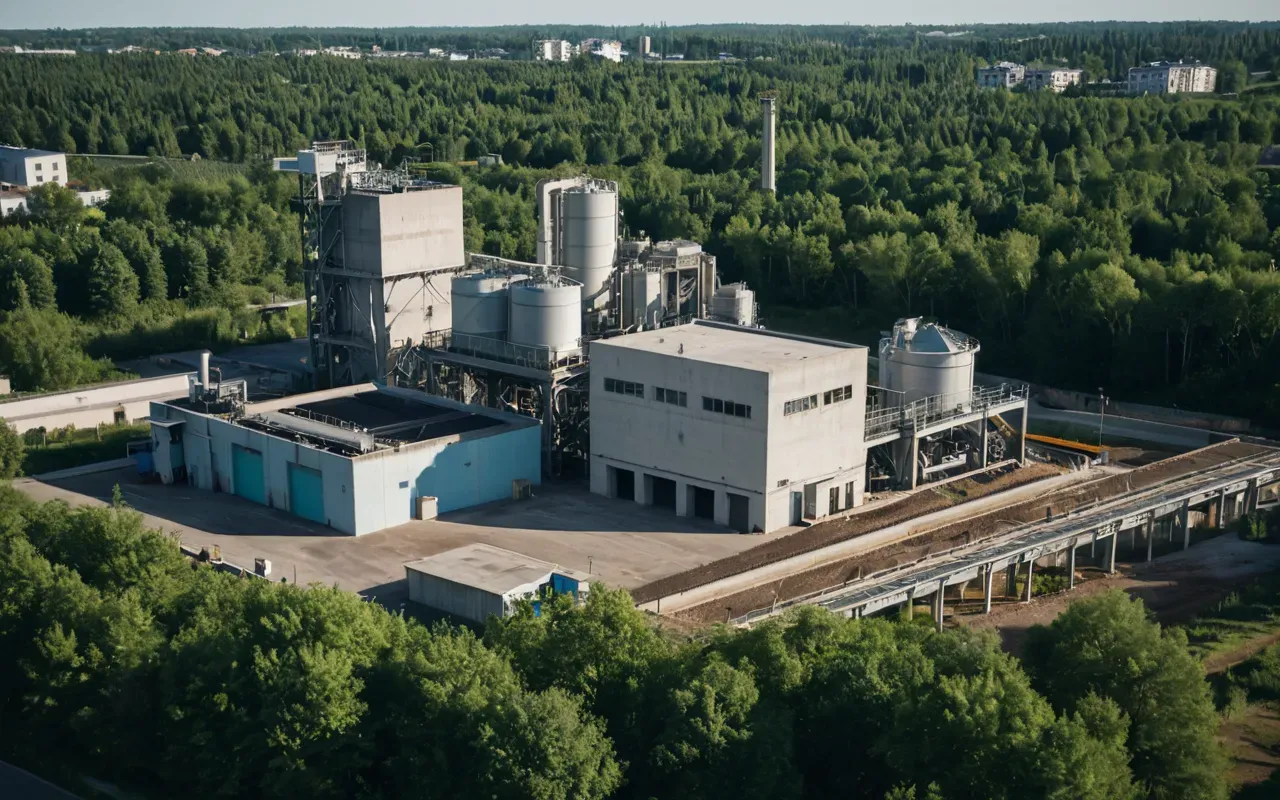
Dust isn't just an annoyance; it's a financial liability. When violations are cited, fines can accumulate quickly.
But the real cost is often operational downtime. Plants may be forced to halt production while they install or repair suppression systems.
For a facility serving multiple construction sites in the Upstate region, even a few days of shutdown can mean lost contracts and damaged reputations.
I have spoken with plant managers who calculated that the cost of proactive dust mitigation is less than one percent of their annual revenue.
Yet, many still treat it as an optional expense rather than a core operational necessity.
What SCDES Actually Looks For During an Inspection
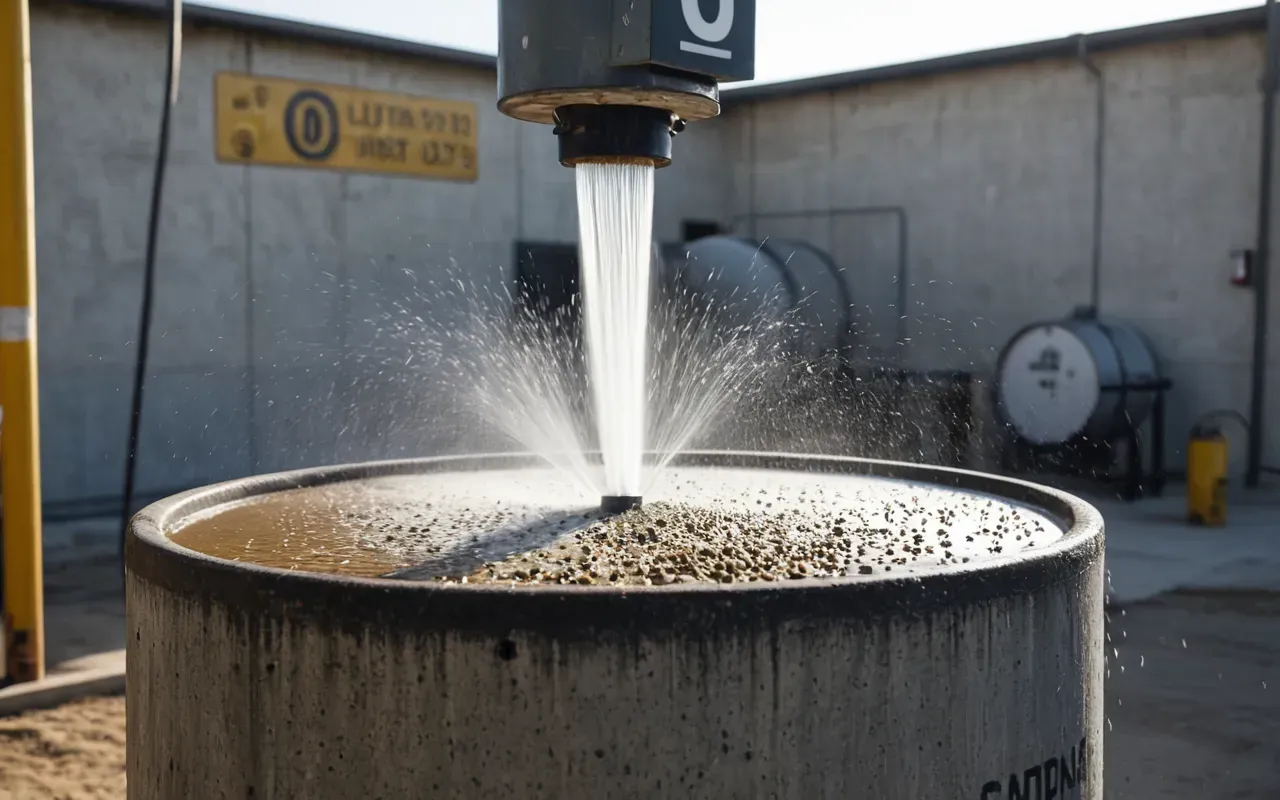
Inspectors check for visible plumes during loading and unloading operations. They also verify that water spray nozzles are functional.
They review maintenance logs to ensure that dust collection filters are changed on schedule.
If you can't produce these records immediately during an audit, the presumption shifts against you.
How Modern Batching Plants Can Avoid This Regulatory Trap Entirely
The solution isn't just better equipment; it's a shift in how you view your relationship with the surrounding community.
Modern plants are designed with enclosed transfer points and advanced filtration systems that capture particles before they escape.
These technologies aren't new. They've been around for years, but many older facilities still rely on basic spray methods.
If you're considering an upgrade, look for systems that integrate with your batching controls. Automation ensures consistent dust control regardless of operator fatigue.
There are also financial incentives for upgrading to greener technology in many jurisdictions. Check your local grant programs.
The Broader Impact on Your Supply Chain and Client Trust
When a plant faces public violations, it casts doubt on the quality of its product. Clients may worry that if you can't control dust, can you control mix ratios?
This perception can ripple through your network. General contractors may hesitate to bid on projects using your concrete.
In a market where reliability is the primary currency, one negative headline can cost you more than the fines themselves.
I've seen long-standing partnerships dissolve over a single environmental citation. The trust damage is often irreparable.

Lessons for Every Ready Mix Plant Operator in the US Market
The Gray Court incident is not isolated. It mirrors trends across the country where community pressure is driving stricter enforcement.
Regulators in other states are watching. They use these cases as precedents to justify expanded oversight of industrial facilities.
If you operate in a densely populated area, the risk profile is significantly higher. Your buffer zone is smaller.
Proactive engagement with local residents can mitigate this risk. Regular town halls and open days build goodwill that protects you in times of crisis.
It's a simple truth. You can't out-regulate an angry neighbor with better paperwork. You need better relationships and better technology.
Final Thoughts on Compliance as a Competitive Advantage
Most operators see compliance as a burden. I see it as an opportunity.
If you position your plant as the most environmentally responsible facility in the region, clients will choose you over cheaper competitors.
The concrete industry is changing. The days of operating in a vacuum are over.
The next time you ignore a neighbor's concern about dust, remember. That single complaint could be the end of your business.


Comments ()