The one phone call that ended a concrete strike nobody expected to resolve so fast
The Phone Call That Changed Everything Overnight
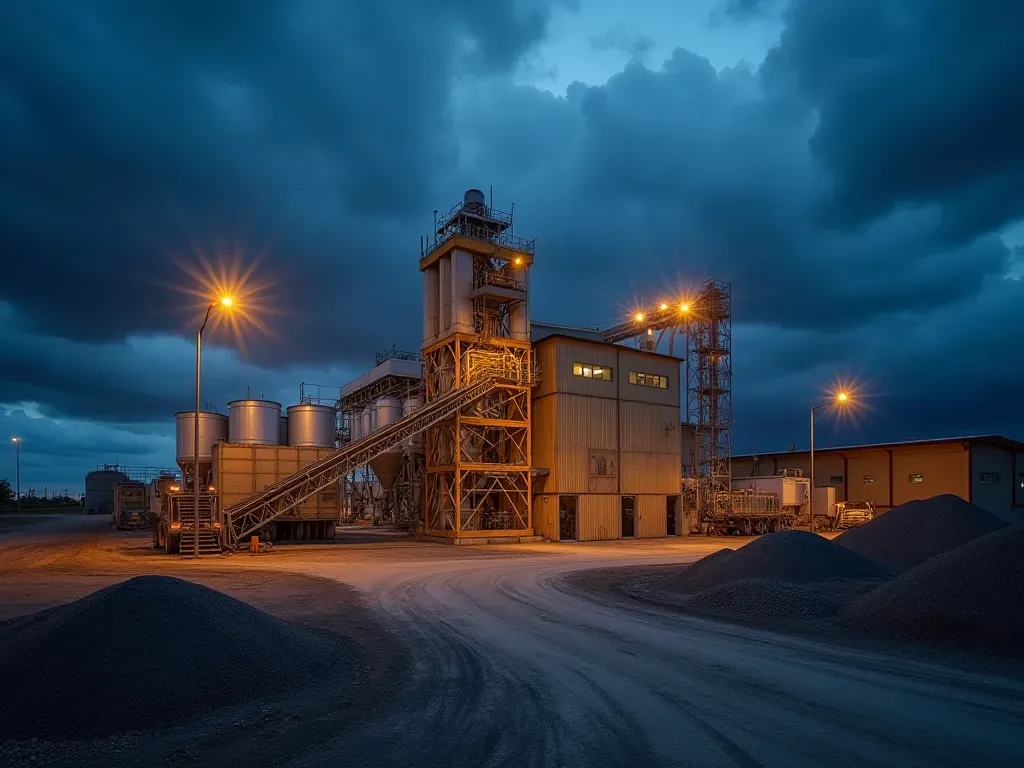
It was not a legal ruling. It was not a surprise contract offer. It was a phone call from San Francisco Mayor Daniel Lurie to the CEO of CalPortland.
That single move broke a stalemate that had stalled projects at fifteen plants across Northern California. The drivers went back to work almost immediately after.
To be fair, this is the part of the story that most industry analysts missed. They were watching wage numbers. The mayor was watching airport schedules.
I found this detail striking because it suggests that in the ready-mix sector, political access is now a more powerful bargaining chip than raw market leverage.
Why the Strike Hit Nerve Centers Instead of Just Sites
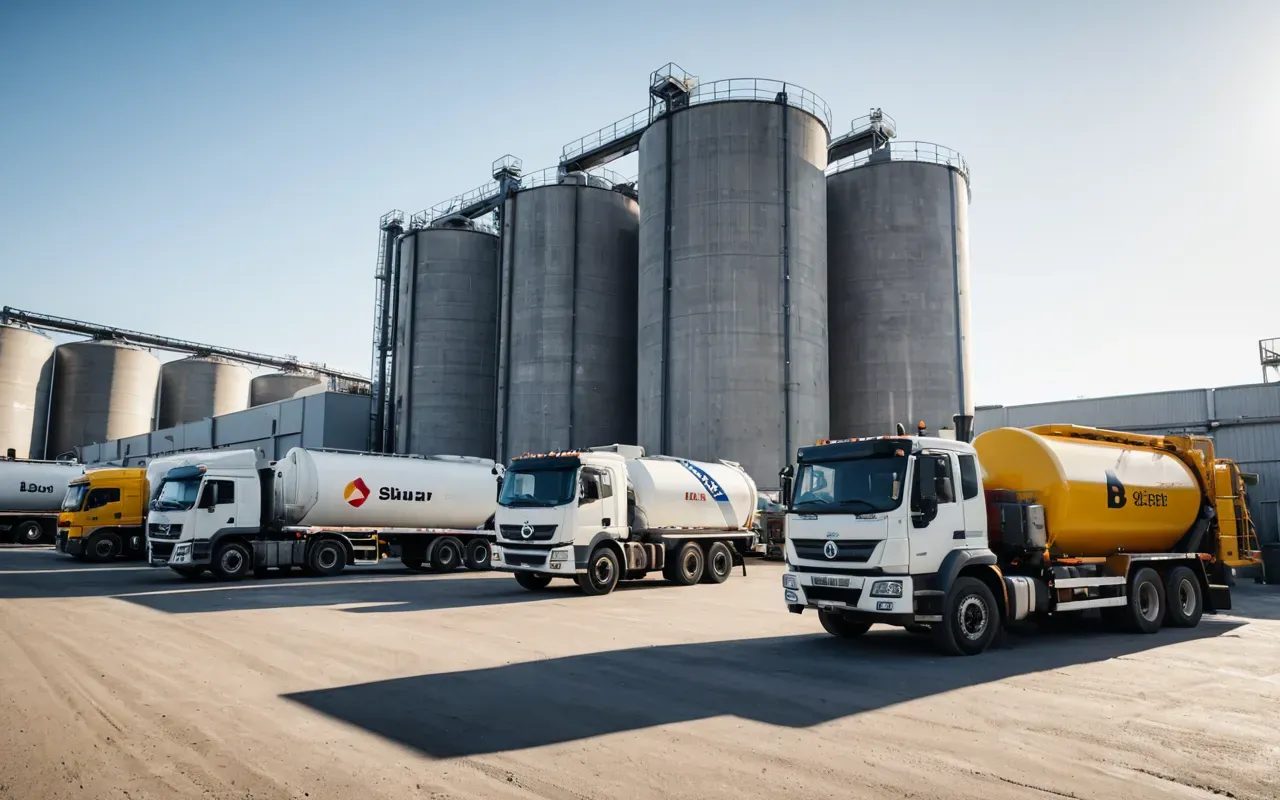
The Teamsters struck on August 6. By mid-August, the pain was not just in construction sites but in public infrastructure.
Projects at San Francisco Airport were held up. Elected officials felt the heat directly. This is why Lurie got involved personally on August 15.
The union argued that CalPortland was stalling by giving each local separate bargaining dates. They wanted to stretch negotiations until after summer projects ended.
That strategy backfired. When critical public infrastructure stalls, the political cost becomes too high for any major supplier to ignore.
The Real Leverage Was Public Visibility
CalPortland is a subsidiary of Tokyo-based Taiheiyo Cement. It operates six facilities in Sonoma, Marin, Napa and Solano counties.
In June, the company completed a $712 million acquisition of Vulcan Materials’ ready-mix facilities in California. This made them a dominant force in the region.
When you control that much supply, a strike is not just a labor issue. It is an economic shock to the entire local construction ecosystem.
What This Means for Your Project Timelines and Costs
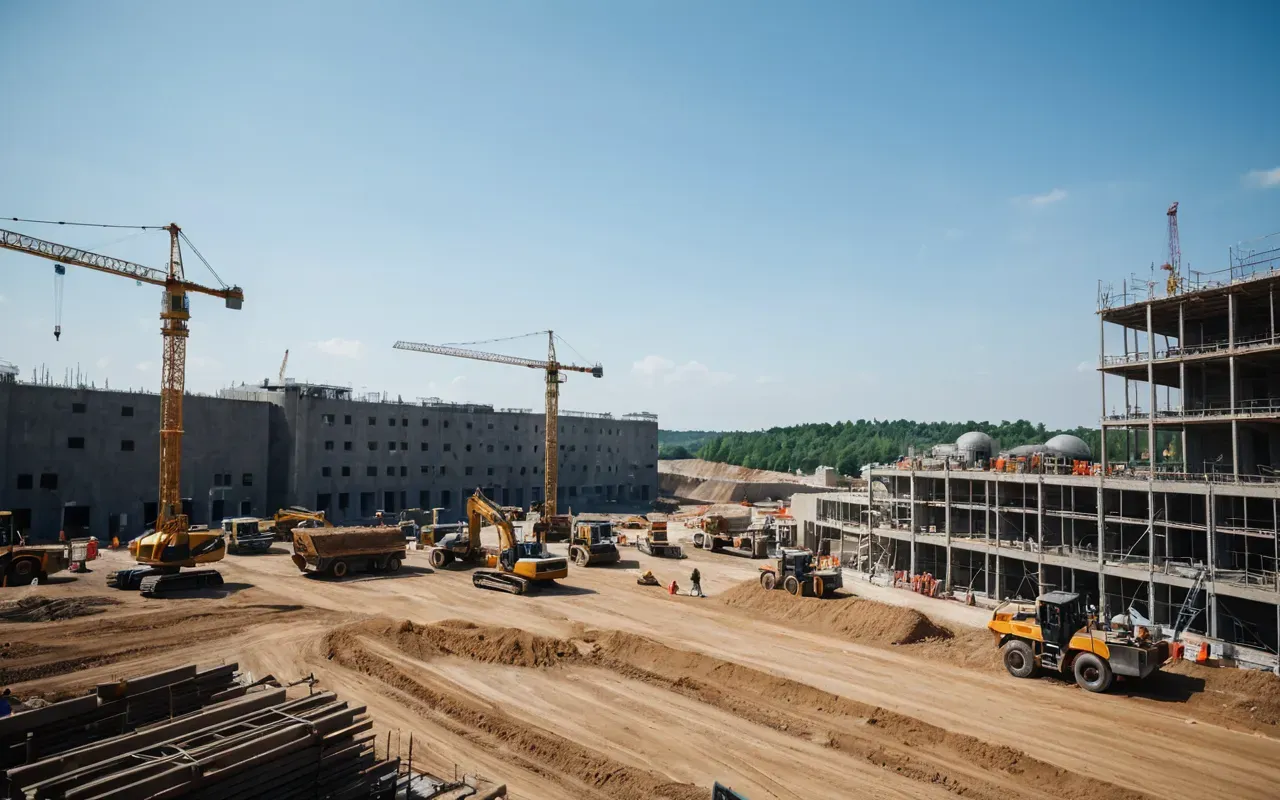
The contract was ratified with industry-standard wage increases. It locks in current language for twelve months.
For contractors, this means short-term stability. But the precedent is what worries me. If political pressure can force settlements faster than market forces do, then labor dynamics shift entirely.
I have seen how quickly concrete prices can spike when supply chains hiccup. This strike lasted weeks, but the ripple effects could last much longer.
The Hidden Cost of Supply Chain Fragility
CalPortland’s acquisition required hiring ninety percent of Vulcan employees and selling three plants in San Diego. This was an antitrust condition.
But it also meant a more concentrated market. Fewer suppliers means less flexibility when one of them stops working.
If you are planning a major pour or infrastructure project in Northern California, this is a risk factor that needs to be priced into your budget.
The Backstory Nobody Talks About in Industry Reports
In January, drivers at a CalPortland facility in Fresno voted to end their union representation. It was a 9-7 split.
The driver who filed the petition received legal help from the National Right to Work Foundation. This is a pattern we see across industries.
So while the Northern California strike was about wages and benefits, there is a quiet push happening elsewhere to weaken union power in concrete supply.
Why This Changes How We Think About Labor Power
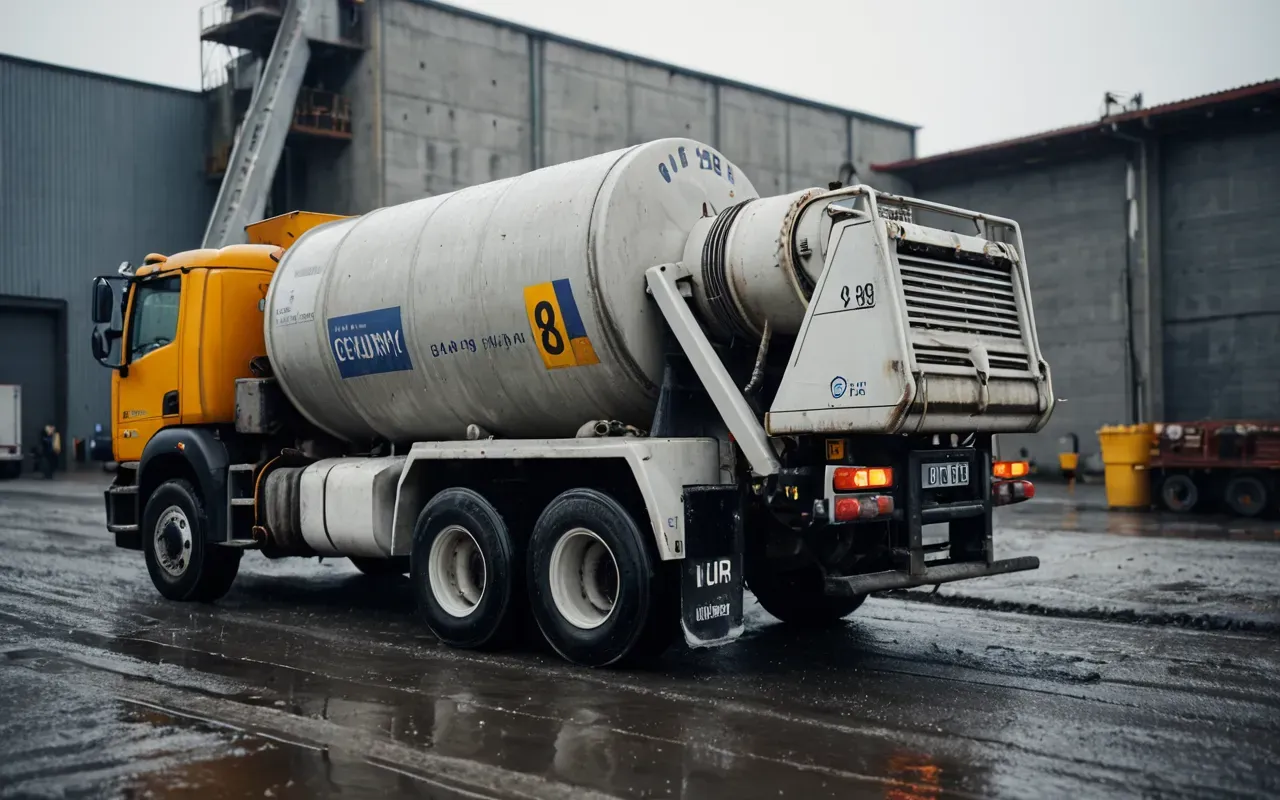
The Teamsters are not just negotiating for their members. They are leveraging the fact that concrete is non-negotiable in construction.
You cannot build a bridge without it. You cannot pour a foundation without it. That makes the workers holding the keys to supply extremely powerful.
And now we know that political leaders are willing to use their influence to protect those keys from being locked up too long.
The New Normal in Construction Supply Chains
I believe we are seeing a shift where labor disputes in essential industries like concrete become political events as much as economic ones.
For suppliers, this means you can no longer treat labor as a line item. It is now a reputational and political risk.
For contractors, it means you need to build relationships with local officials early. Not just your vendors.
What You Should Do Right Now If You Are in Construction
First, audit your supply chain. Do you have a backup supplier for concrete? If not, you are exposed.
Second, track labor news in your region. A strike in one city can ripple to another within weeks if the union locals are connected.
And third, consider how political dynamics in your area might affect future negotiations. This CalPortland strike is a case study.
I have seen projects lose months because of delays they could have predicted. This is not one of them. But it will be if you ignore the signals.

The Bigger Picture for the Ready-Mix Industry in 2026
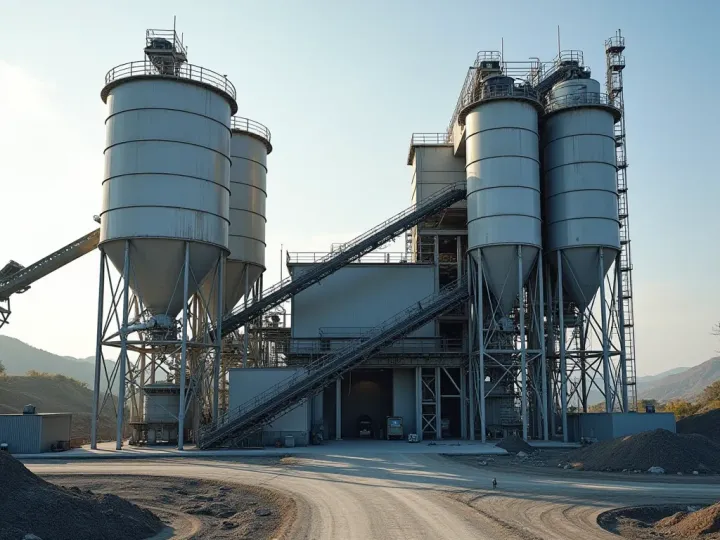
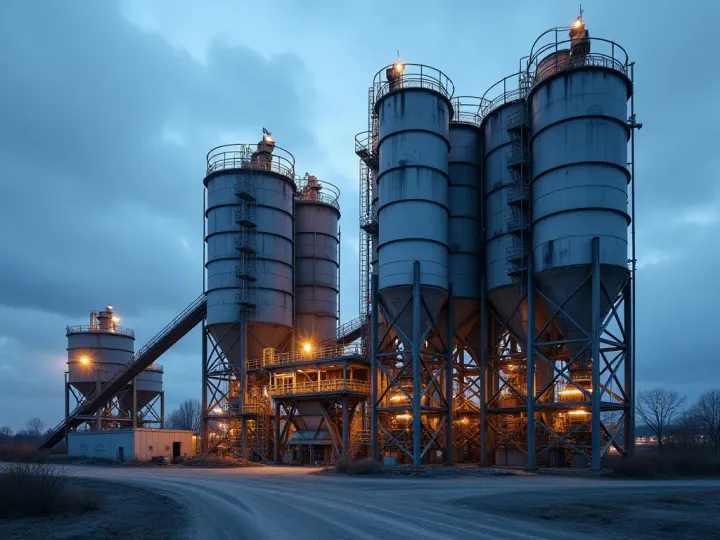
The demand for advanced concrete batching solutions continues to grow. Infrastructure development is driving this in the US and elsewhere.
But as plants become more automated and efficient, the human element of labor remains a critical variable.
Safety is a top priority. Modern plants incorporate protocols to protect workers and equipment.
But none of that matters if the drivers are not willing to deliver. The CalPortland strike proves that.
Investing in Stability Over Short-Term Savings
I have seen companies save money on suppliers and then lose it all in delays. It is a false economy.
A stable labor force in your supply chain is not a cost. It is an insurance policy.
And in 2026, that insurance is more valuable than ever.
Comments ()