The rental giants are quietly losing money to their own maintenance delays
The Silent Bleed in the Rental Business Model
More machines equals more money. That's the assumption, anyway. The latest industry data says otherwise — and the real killer isn't competition for contracts.
It's the time a machine sits in a warehouse waiting for parts. That idle time eats your margins alive before you even think about selling the thing used.
Why Maintenance Delays Are Eating Your Profit Pool
I was struck by the specific focus on 'supply capacity that keeps sites running'. Subtle shift in how we value equipment, isn't it? It's no longer just about availability.
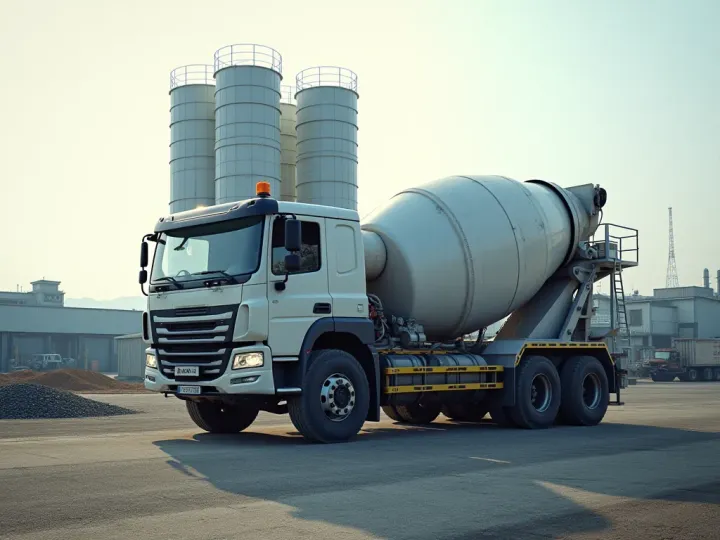
It's about the speed of recovery. When a concrete pump breaks down on day two of a pour, every hour it takes to repair or replace that unit costs thousands in labor and material waste.
Industry leaders like Aktio and Kanamoto aren't just fighting for market share. They're fighting their own internal logistics bottlenecks.
The Hidden Cost of Idle Assets
Here's the thing. You pay interest on that machinery whether it's working or not. But you only generate revenue when it's actively mixed into a wall.
So if your average repair time is forty eight hours, you're effectively losing two days of productive capacity per incident. Multiply that across a fleet of five hundred units and the numbers get scary fast.
The Value Chain Trap in Heavy Machinery Supply
Most people look at the purchase price. That's a mistake. The real margin driver is the cycle time from return to re-deployment.
Get a mixer back on the road in six hours instead of two days and your return on investment skyrockets. This is where technology and process design matter more than raw inventory.
What This Means for Concrete Plant Managers in the US
You're not just buying equipment. You're betting on the supplier's ability to keep it running when your project is at risk.
When evaluating rental partners or internal fleet management, ask about their mean time to repair. That single metric will tell you more about their operational health than any marketing brochure.
The Strategic Shift Toward Service Capability
We're seeing a trend where companies with smaller fleets but superior maintenance teams are outperforming giants. How is that possible?
Specialization. A team dedicated entirely to hydraulic systems and engine diagnostics can resolve issues in hours that would take a generalist days.
The Competitive Landscape is Changing Faster Than You Think
Market share data from the latest reports suggests that dominance is not static. Companies are constantly reshuffling their asset portfolios.
Rely on a single supplier for your critical path equipment and you're exposed to their internal inefficiencies. Diversification is not just about price.
It's about continuity. Having a backup provider who understands your specific site constraints can save the entire project timeline.
Practical Steps for Construction Professionals Right Now
Start by auditing your current downtime records. Look for patterns in the types of failures and the time taken to resolve them.
Then compare those numbers against industry benchmarks. If you're significantly above average, it's time to renegotiate service level agreements with your rental partners.
Leveraging Data for Better Decisions
Modern fleets come with telematics. Use that data to predict failures before they happen.
This shifts your strategy from reactive repair to proactive management. It's the single most effective way to protect your margins in a tight market.
The Bottom Line for the Next Decade of Construction
The era of simply buying more machines to win is over. The new standard is operational excellence.
Companies that master rapid turnaround and reliable supply will dominate. Those who don't will find their profits squeezed by invisible logistics costs.
For those looking to optimize their equipment strategy further, consider how construction equipment is quietly losing money despite record sales due to these exact inefficiencies.
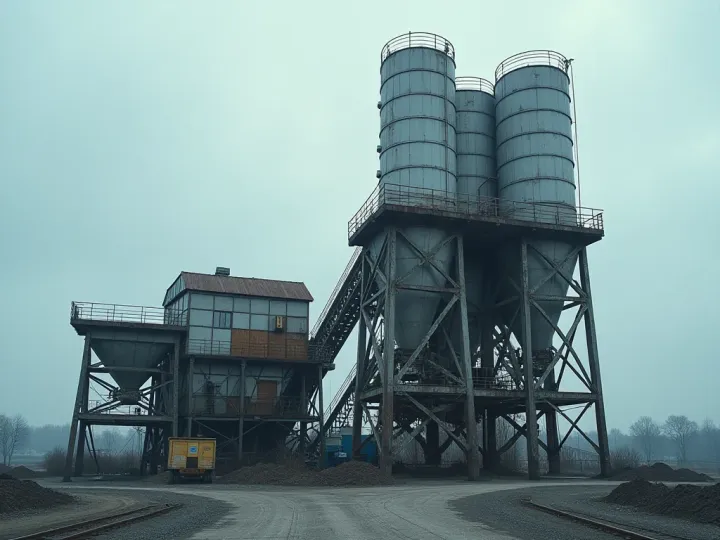
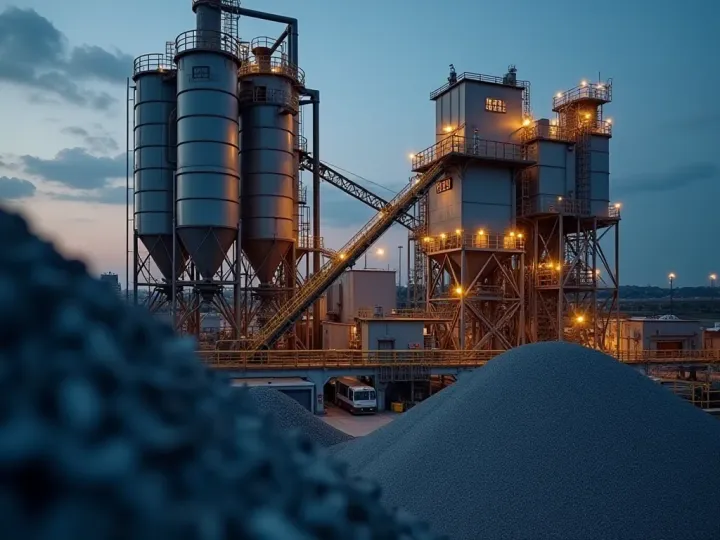
And if you're managing a plant, remember that the silent failure of your concrete plant is often more costly than the obvious breakdowns.
Stay vigilant. The data is clear. Efficiency wins this round.
Comments ()