SoftBank just handed a Swiss startup $200 million to make your excavator smarter than you are
The $1 Billion Bet on Machine Brains
A Swiss startup just did something that should make every equipment manufacturer sweat. SoftBank poured $200 million into Gravis Robotics. That is the largest Series A in construction history.
The valuation hits $1 billion. For context, SoftBank previously bought ABB’s robotics division for over $5 billion in late 2025.
The core product is the Gravis Rack. It bolts onto existing heavy machinery like a Caterpillar or John Deere.
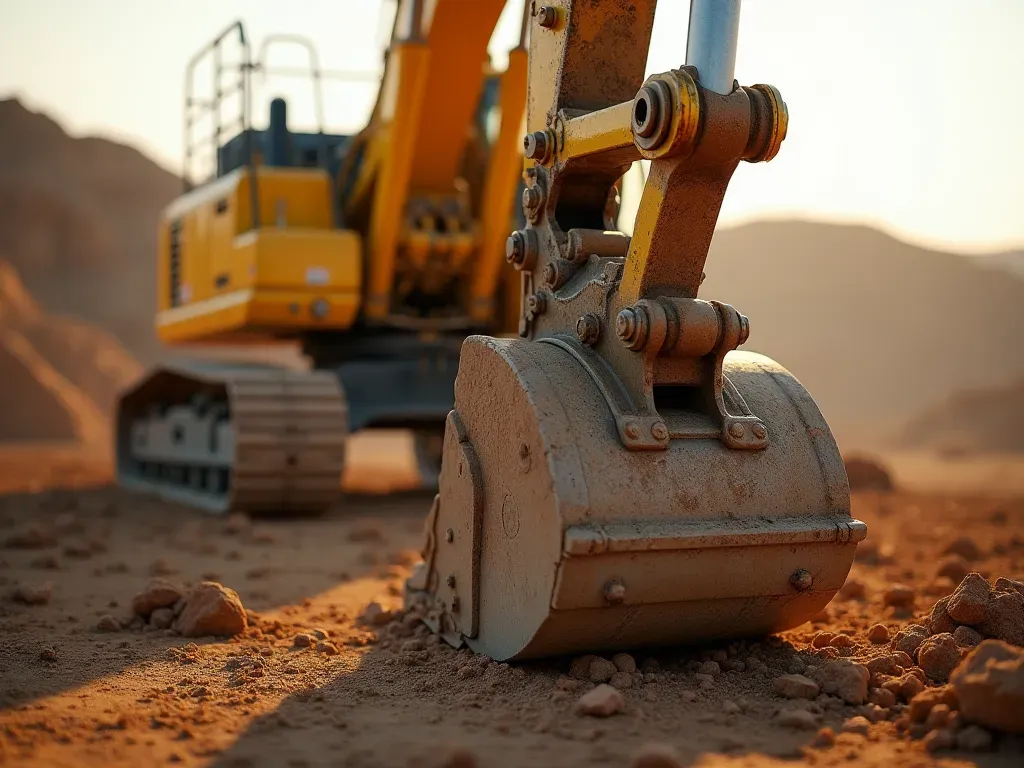
This is not a new machine. It is an upgrade kit that gives your current fleet AI capabilities.
The company claims a 30% productivity gain over peak manual operation. That is a massive number for an industry where margins are razor-thin.
How the Technology Actually Works on Site
Operators can run machinery with AI assist. The system tells them if they are in the right spot.
You can define a job and press start. The machine handles the repetitive motion while you supervise.
There is also a remote mode. Operators watch one or several machines over video streams from an office.
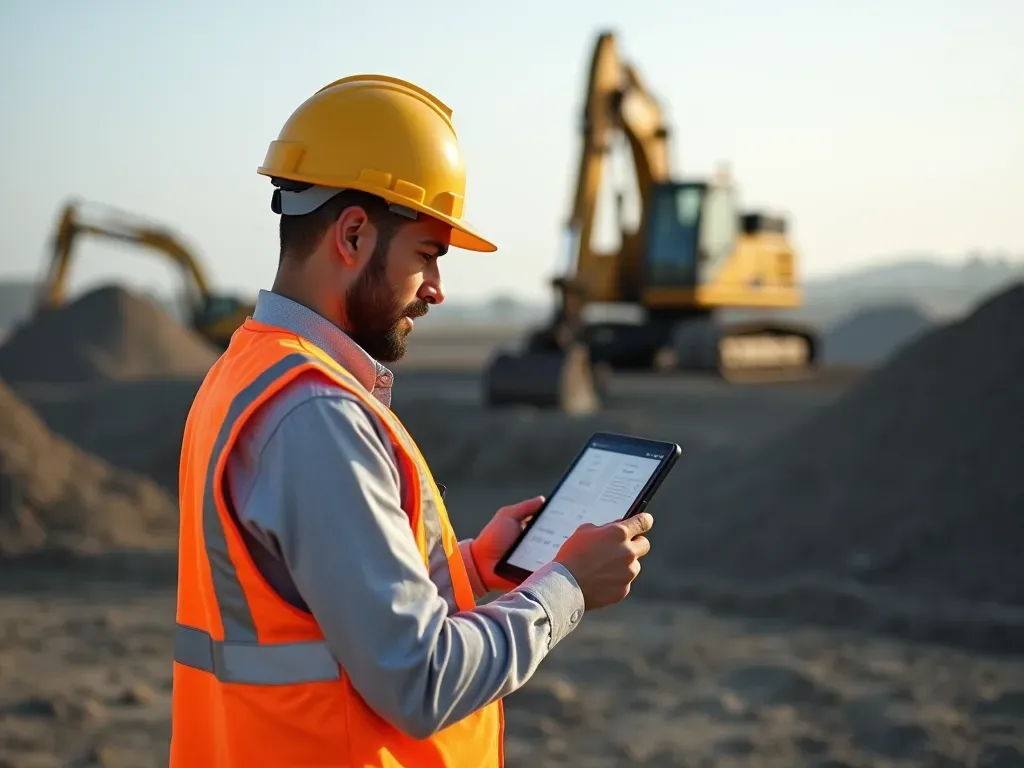
If something looks off, you grab a joystick or pedal peripheral. It plugs into a tablet for manual control.
The CTO's Vision on Machine Telemetry
Dominic Jud, the CTO at Gravis, explains that skilled operators read earth through physical feedback.
They listen to engine strain and sense vibration. The AI takes that same input and grounds it in machine data.
"Our AI takes that same physical input and grounds it in machine telemetry."
This approach bridges the gap between human intuition and digital precision.
Why This Changes More Than People Think
The construction sector faces a severe labor shortage. Finding skilled operators is getting harder every year.
Gravis solves this by making the machine do the heavy lifting. The human becomes a supervisor rather than a driver.
This shifts the economics of construction. If one person can manage three excavators remotely, labor costs drop significantly.
Think about a large infrastructure project. You need consistent earthmoving for months.
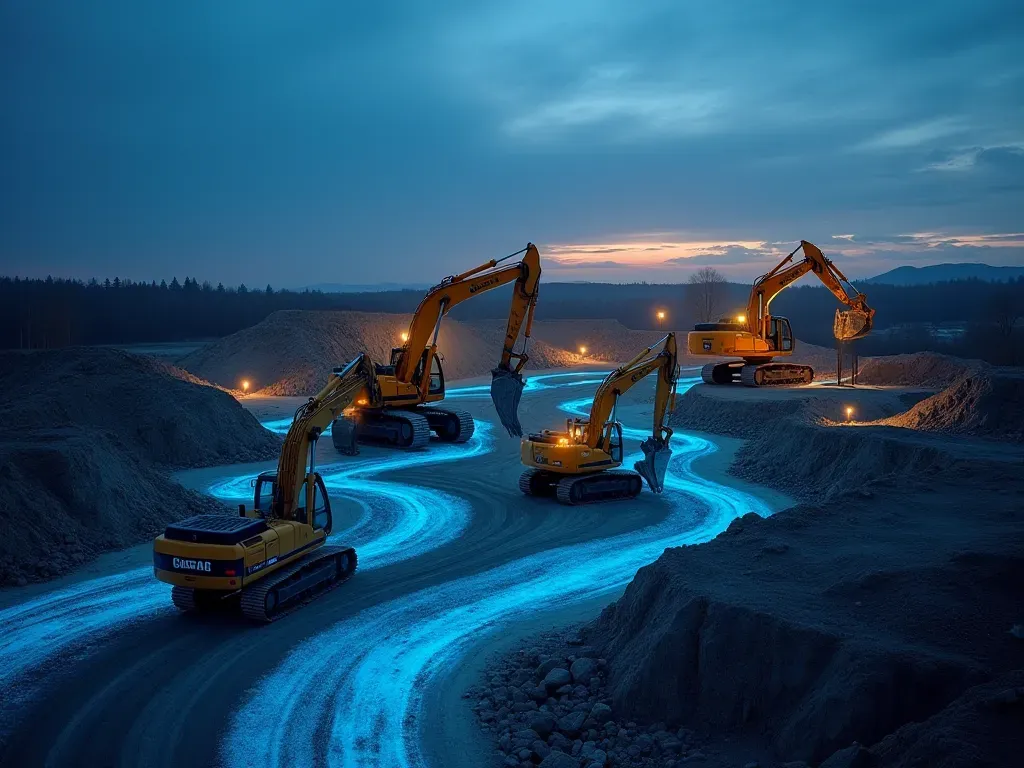
With remote supervision, you can run shifts without rotating crews. The machines keep working while humans rest.
This also reduces fatigue-related errors. Humans make mistakes after long hours of physical strain.
The Safety Implications for Workers
Safety is the biggest hidden benefit here. Fewer humans inside heavy machinery means fewer accidents.
The Gravis Rack includes safety protocols that monitor proximity to personnel and obstacles.
This aligns with the growing demand for safer work environments in high-risk industries.
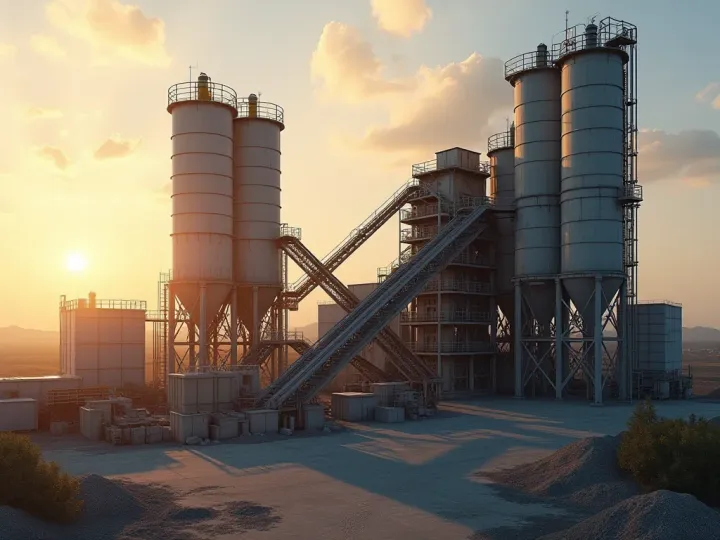
If you are curious about how modern tech improves site security, check out how advanced concrete solutions enhance safety.
Who Wins and Who Loses in This New Market
Gravis wins big with this cash injection. They can now scale production and marketing aggressively.
But equipment manufacturers like Caterpillar are not sitting still. They are building their own AI stacks.
This creates a hybrid market where retrofit kits compete with native smart features.
Competitors like SafeAI focus on mining, but Teleo offers similar retrofit kits for construction.
The Risk of Retrofitting Old Machines
There is a technical risk. Older machines may not have the sensors needed for full autonomy.
Gravis claims compatibility with major brands from the last decade. But edge cases will exist.
If you are considering new equipment, look at how modern building efficiency is being enhanced by these trends.
What This Means for Your Next Project Budget
The upfront cost of the Gravis Rack is significant. But the productivity gain can offset it quickly.
Consider a six-month earthmoving phase. A 30% speed increase saves weeks of labor and fuel.
This changes how you bid on contracts. You can promise tighter timelines with higher confidence.
It also reduces waste in concrete placement. Precise digging means less material removal.
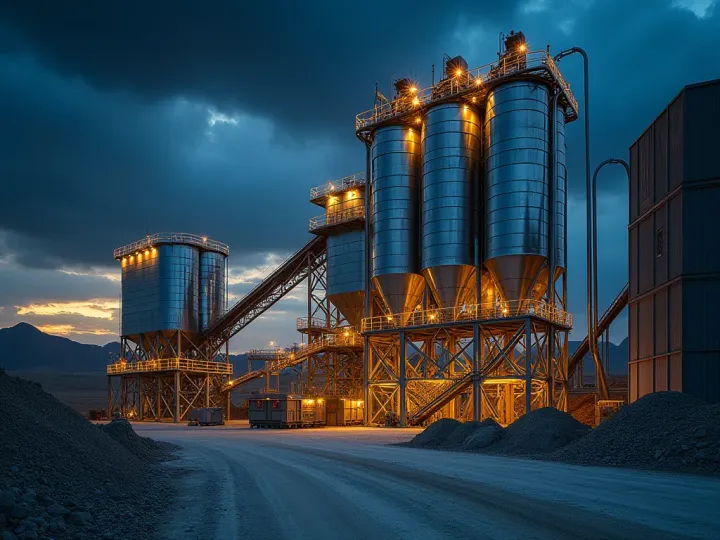
If you are looking at the hidden power of ready mix concrete, this automation trend complements those efficiencies perfectly.
Long Term Sustainability and Waste Reduction
Sustainability is a major driver for modern construction. Less fuel burn and less waste matter.
AI-driven machines optimize their movements to use the least energy possible for each task.
This aligns with broader industry goals to reduce the carbon footprint of building projects.
The Road Ahead for Construction Automation
Gravis has the capital to push hard. They will likely expand into new equipment types.
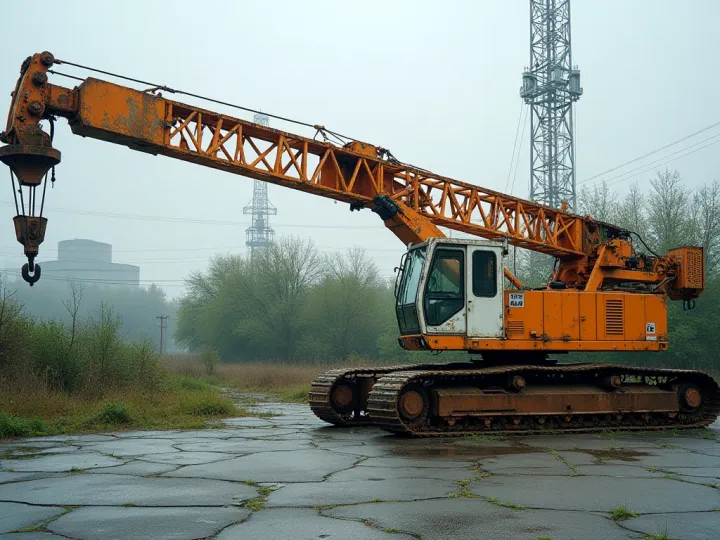
We might see autonomous cranes or bulldozers soon. The technology is transferable.
The real question is adoption speed. Will contractors embrace this shift?
History says yes when the financial benefit is clear. A 30% gain is hard to ignore.
The construction industry is moving fast. Staying informed about these shifts is crucial for staying competitive.
Keep an eye on how this technology evolves over the next two years. It could redefine what is possible in site operations.
Comments ()