The Critical Role of Ready-Mix Concrete Plants in Modern Infrastructure Development
The Evolution and Significance of Ready-Mix Concrete in Construction
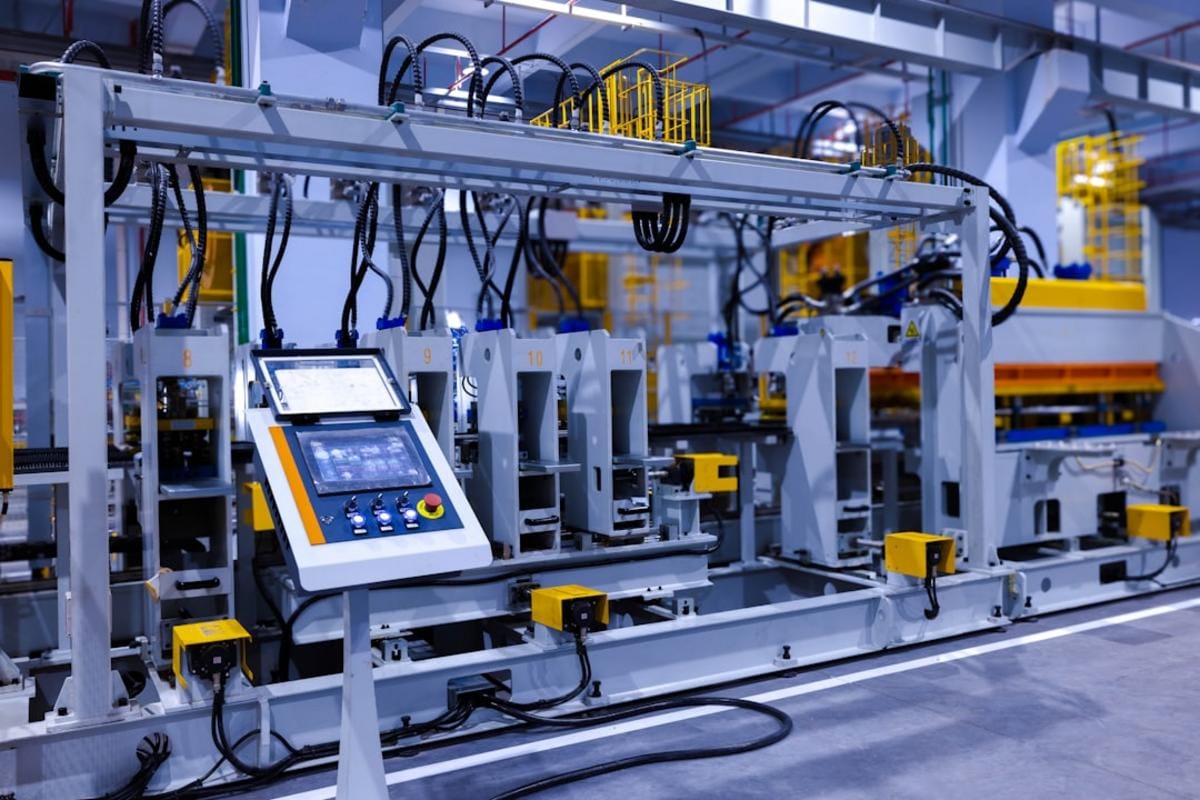
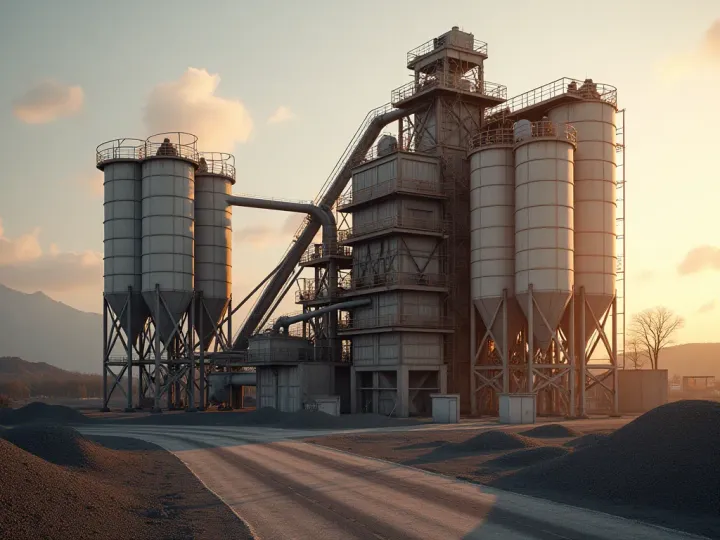
In the rapidly advancing world of construction, the role of ready-mix concrete plants is more pivotal than ever. Historically, concrete was mixed on-site using manual labor and basic equipment, which often led to inconsistencies in quality and delays in project timelines. Today, the advent of modern batching plants has revolutionized this process, enabling precise control over the mixture, and significantly improving the durability and structural integrity of buildings, bridges, and infrastructure projects. These plants can operate either on-site or at central locations, ensuring a steady supply chain that aligns with project needs. The strategic importance of such plants emphasizes their role in supporting large-scale infrastructure development across the globe, particularly in the United States, where recent projects have demanded faster, safer, and more reliable construction solutions. The shift towards utilizing high-tech batching plants highlights the industry’s commitment to sustainability, efficiency, and safety. Therefore, understanding the dynamics of ready-mix concrete plants is essential for construction professionals seeking to optimize project outcomes and meet industry standards with confidence.
Key Benefits of Implementing Advanced Ready-Mix Plants for Infrastructure Projects
The integration of advanced ready-mix concrete plants into construction workflows offers numerous advantages that directly impact project success. Foremost among these benefits is the significant reduction in labor costs, as automated batching processes minimize manual intervention and streamline operations. Additionally, these plants enable precise batching—where each batch is carefully measured to meet specific project specifications—resulting in improved quality and consistency of the concrete used. This consistency is critical for infrastructure projects that demand longevity and strength, such as bridges, highways, and dams. Furthermore, the flexibility inherent in ready-mix plants allows for rapid adjustments based on project changes, significantly reducing delays. Efficient supply chains, lower waste material, and reduced environmental impact are other vital benefits. Modern plants also incorporate safety features, including automation and safety protocols that protect workers from accidents, which are paramount considerations given the high-stakes environment of large construction sites. When selecting a ready-mix plant, factors such as capacity, automation level, safety features, and compliance with industry standards should be prioritized to ensure maximum performance and adherence to safety regulations.
Selecting the Right Ready-Mix Plant for Your Construction Needs
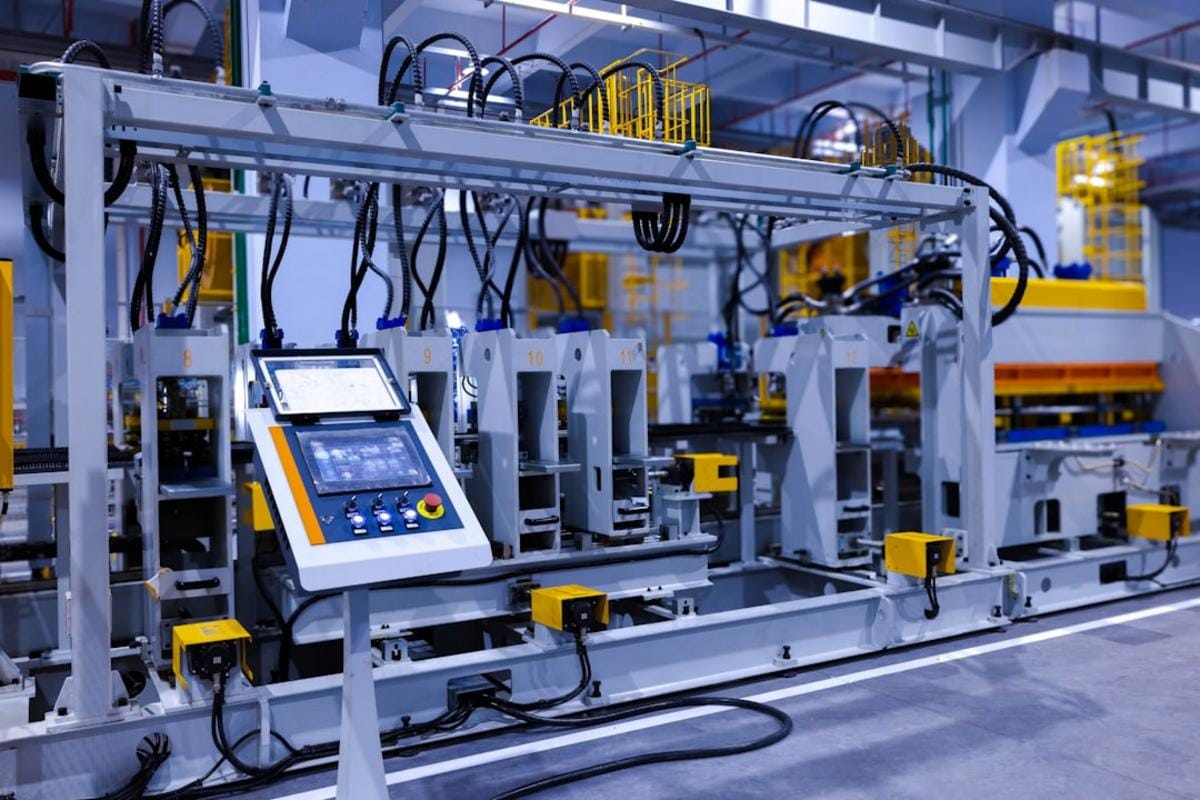
Choosing the appropriate ready-mix concrete plant is a strategic decision that can influence project timelines, quality standards, and overall cost efficiency. Construction companies must evaluate several critical factors before investing, starting with capacity requirements—ensuring the plant can handle peak demands without causing delays. The level of automation is equally vital; highly automated plants reduce errors and increase speed, which directly impacts project timelines. Safety features, including emergency shut-offs, protective barriers, and automation safeguards, enhance worker safety and equipment longevity. Industry compliance is another non-negotiable criterion, with standards set by organizations such as the OSHA and ASTM guiding compliance to safety and quality benchmarks. Reliable suppliers are essential; they provide high-quality raw materials and technical support, which in turn stabilize operations. Moreover, evaluating the specifications of the plant—such as mixing time, batching accuracy, and environmental controls—is crucial for long-term success. An investment in the right plant fosters sustainable growth, minimizes waste, and ensures projects are completed on schedule with superior quality outcomes.
The Future of Infrastructure Development with Innovative Concrete Solutions
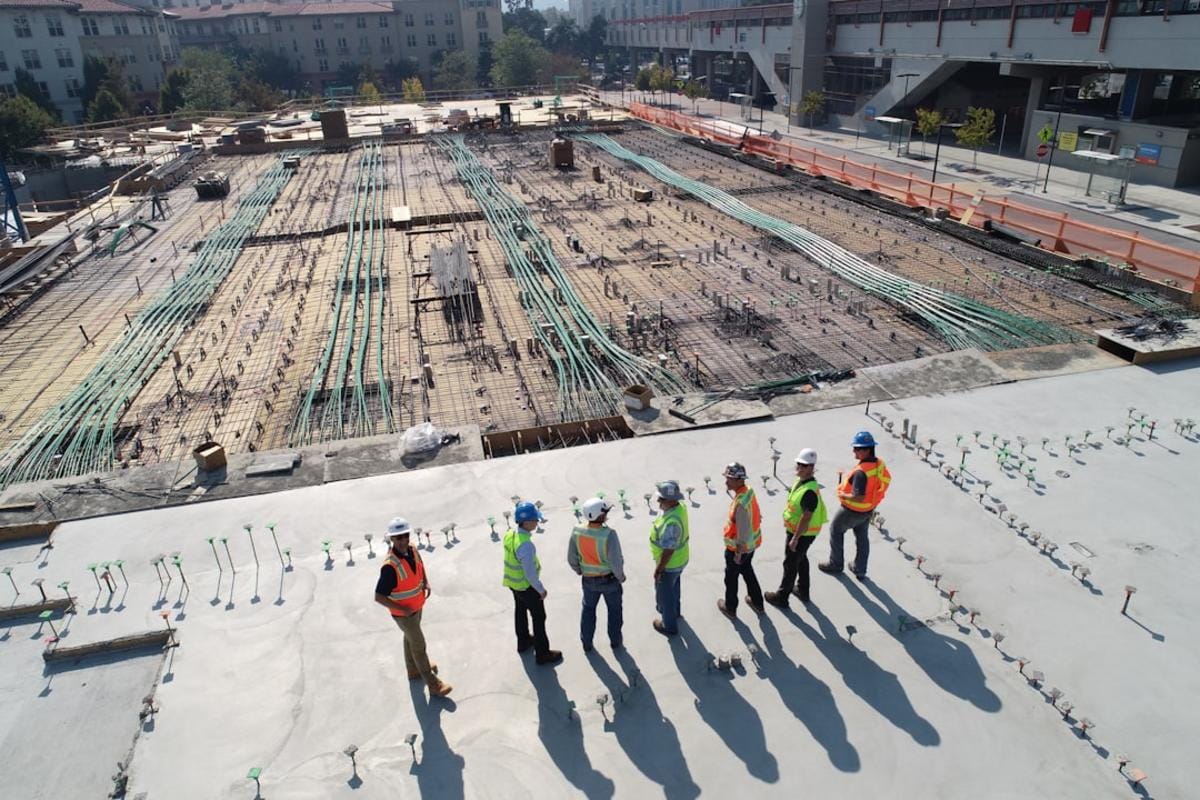
As infrastructure development continues to evolve, the adoption of innovative concrete solutions, including smart batching plants and sustainable materials, will play an increasingly vital role. The demand for faster, more durable, and environmentally friendly construction methods drives technological advancements in ready-mix plant design and operation. The integration of automation, real-time monitoring, and data analytics enhances the control over concrete quality while reducing waste and emissions, aligning with global sustainability goals. Investment in these cutting-edge technologies supports resilient infrastructure capable of withstanding climate challenges and urban growth pressures. In the US, where infrastructure projects span from rebuilding highways to constructing eco-friendly urban centers, the emphasis on improved concrete mix design and safety protocols becomes paramount. Moreover, policies encouraging green building practices and innovation in construction materials will likely propel the industry towards more sustainable and intelligent infrastructure, with ready-mix plants serving as a cornerstone for these developments. As this sector advances, construction professionals must stay updated with new standards and technological innovations to capitalize on these opportunities and contribute to sustainable development.
Comments ()