U.S. Construction Industry Faces Labor Shortages Amid Record AI Investment Boom

Construction Industry Grapples with Unprecedented Labor Shortages as AI Investment Sparks Rapid Growth
Fresh numbers from the Associated Builders and Contractors show the U.S. construction industry must hire around half a million new workers by 2027 - up sharply from 349,000 today. Behind this jump isn’t just more building tied to growing AI infrastructure; shifts in population matter too, like fewer young workers while older ones prepare to leave the job market. On top of rising projects, handling who will do the work gets tougher fast, particularly in skilled areas like wiring specialists, heating and cooling mechanics, and experts building high-capacity computer hubs. More jobs than applicants keep projects slow, blowing budgets out of water as companies scramble to find capable people. Even though big tech players such as Meta, Microsoft, and Google pump massive funds into building AI hubs - pouring in hundreds of billons for infrastructure - the gap doesn’t shrink, sharpening future pressure unless real changes happen.

Economic Implications of Growing Construction Demand and an Aging Skilled Workforce
One reason more construction workers are needed ties back to expected growth in construction spending, set to rise after a long dip. When firms pour billions into building projects, around 3,450 fresh positions emerge - linking money flows to real-world hiring. Still, finding enough people isn’t getting easier; close to half the team today is aged fifty-five or older. That age group tends to step aside within years, leaving behind fewer experienced hands for future work. At the same time, limits on immigration - driven by updated rules - have narrowed paths for foreign workers who usually step in where skills are thin. Because older employees are leaving the job market while fewer outsiders are allowed in, companies now face pressure to move faster on training newcomers, retraining existing staff, and drawing younger workers, particularly those entering fields such as cloud computing hubs and online connectivity services.
Tech Giants' Capital Expenditures Intensify the Labor Shortage Push
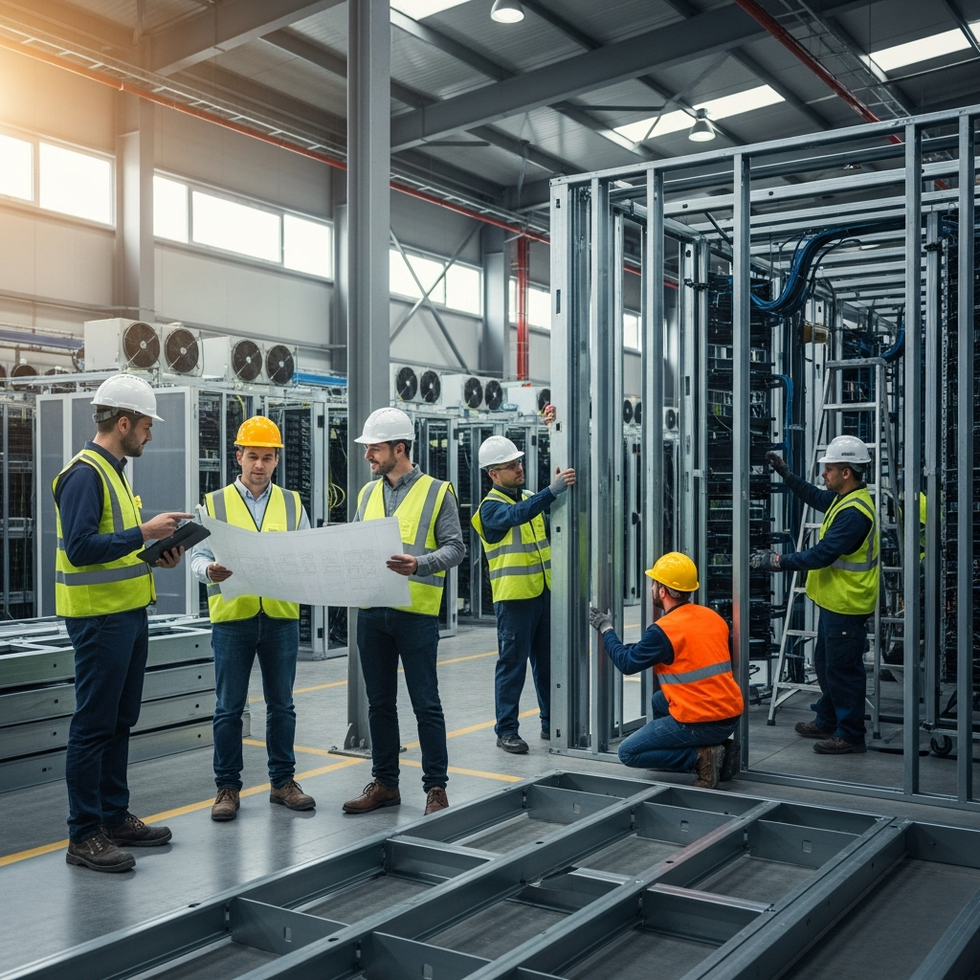
Fresh numbers from major AI providers - Meta, Microsoft, Amazon, Google, and Oracle - show they intend to spend around seven hundred billion dollars in 2026, close to twice what they spent just twelve months before, around four hundred billion. Most of that money goes straight into creating and enlarging data centers, sparking a surge in high-skilled building work. Because of this surge, talent moves toward tech-driven projects, leaving gaps on other essential sites like homes, factories, and clinics. That shift deepens the challenge in finding enough capable workers for every kind of building job. Construction for businesses is rising fast, especially data centers, pushing spending up by nearly a third just within the first ten months of 2025. Because of this surge, builders face a tough race to hire trained workers, which may slow down work and push expenses even higher across industries.

Urgent Need for Skilled Trades and Policy Innovation to Address Future Workforce Challenges
BlackRock's projections show strong growth ahead in jobs such as electrician or HVAC tech - up 9.5 percent and 8.1 percent by 2034. Yet trouble looms: too few young people step in as older ones head toward exit. Training paths like on-the-job learning take plenty of time, leaving little room for delay when gaps widen. Leaders in the field stress changes in policy must support hands-on job training, encourage younger employees into skilled work roles, make certification easier. Left unaddressed, shortages may drag on, weakening growth pace, raising production expenses, complicating shifts toward tech-powered, artificial-intelligence-guided systems.

Comments ()