Why a consulting firm just stopped relying on supplier promises
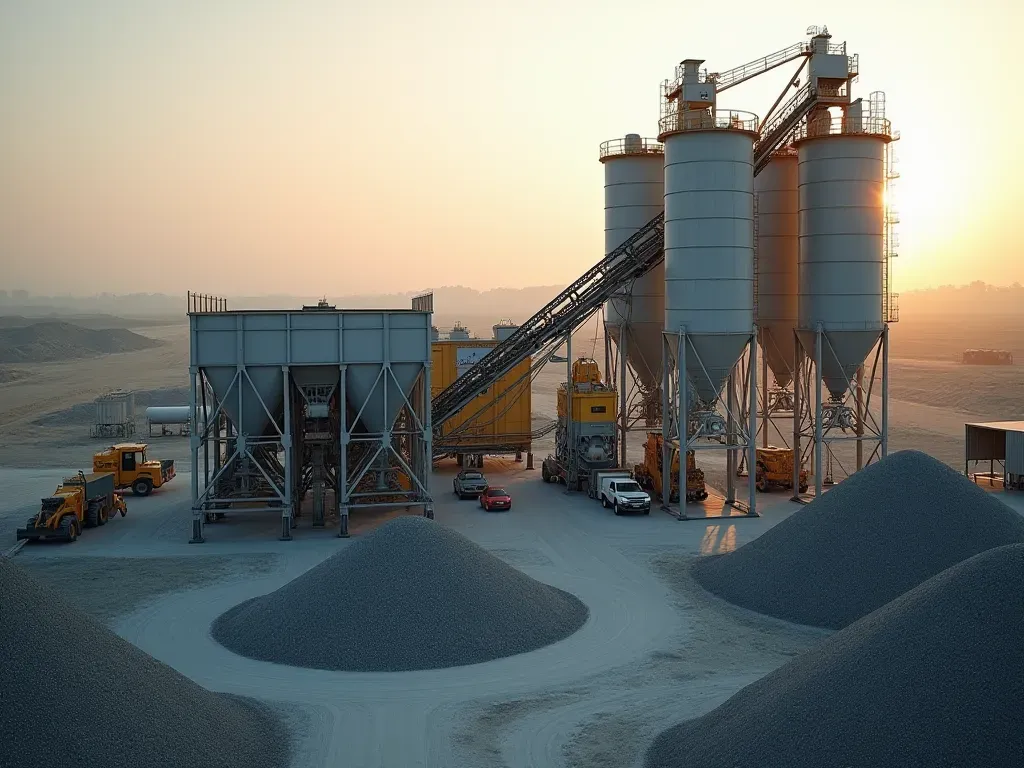
The Silent Shift in Construction Trust
Most construction projects don't fail on the surface. They fail quietly, invisibly. The concrete looks fine when it goes down. Then three weeks later, cracks show up where there shouldn't be any. Or a slab settles unevenly even though the grading was perfect. These are the quiet killers of modern building.
I've watched this pattern play out over and over across the US market. Contractors just assume their ready mix supplier has it handled. They trust the invoice. They trust the brand name on the truck door. But trust isn't a technical specification. It doesn't survive load testing.
That changed recently in Nevada. Westex Consulting Engineers completed a specific set of industry certifications. This isn't just another line on a resume. It signals that independent firms are stepping up to verify what suppliers claim. And the implication reaches well past one company.
What Westex Actually Certified
Let's break down the credentials. The firm completed National Ready Mixed Concrete Association certification, which covers advanced training in concrete production and quality control principles. This is not a basic safety course. It's deep technical education.
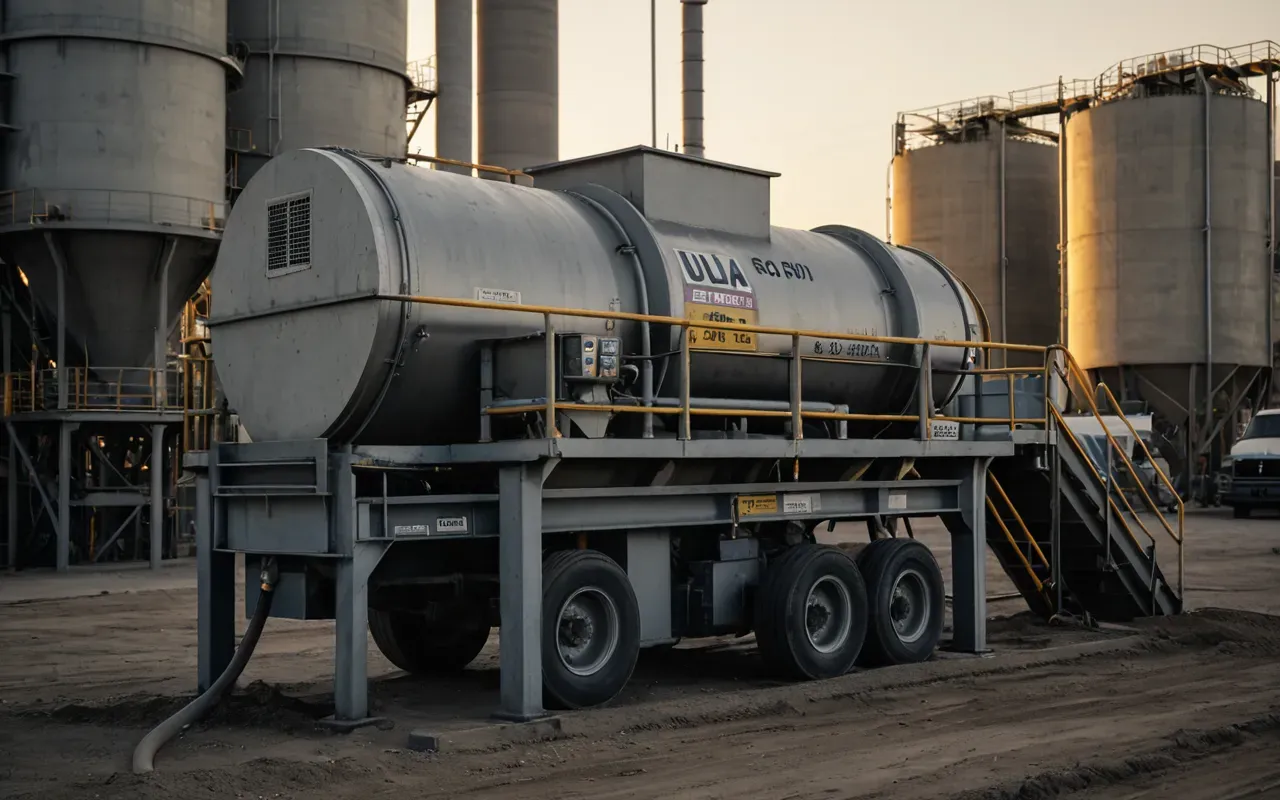
They also earned aggregate qualifications and two batch plant certifications. Which means they now understand the raw materials intimately. They know how aggregate production affects final concrete strength. And they can inspect batching operations with professional precision.
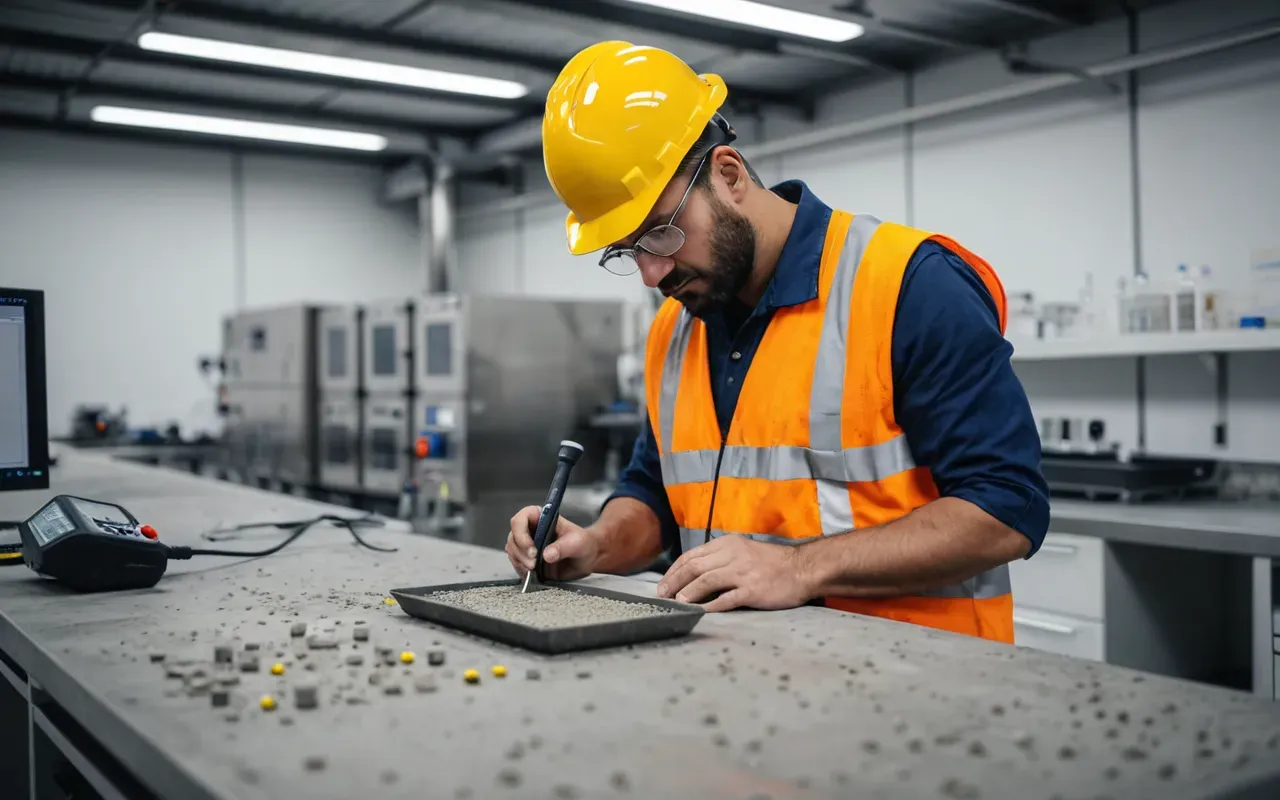
Here's why that matters to you as a project manager. When an independent engineer holds these certs, they aren't just checking boxes on a form. They can spot subtle issues in material quality that untrained inspectors walk right past. It changes the whole dynamic of site inspections.
The Gap Between Supplier Claims and Reality
Suppliers have a financial incentive to keep concrete flowing. Volume and speed — that's the goal. Sometimes that leads to corners getting cut in the batching process. An independent engineer with NRMCA certification carries no such conflict of interest. They get paid to find problems, not bury them.
I was struck by how rare this level of independent verification used to be. Most quality control teams simply lacked the technical depth to challenge a supplier's data sheets. Now, with formal certification in plant operations and material testing, consultants can ask harder questions.
Think about what a single failed pour actually costs. Labor. Material waste. Schedule delays. One bad batch can wipe out months of profit on a mid-size project. Independent verification is cheap insurance against exactly that catastrophe.
Why This Changes More Than People Think
The construction industry is moving toward greater accountability. Regulations are tightening across the US. Clients want proof of quality now, not promises. A consulting firm with specific NRMCA credentials fits neatly into this new compliance landscape.
But there's a deeper shift happening. Independent engineers are becoming gatekeepers of technical integrity. They bridge raw material science and real-world application. And that elevates the entire standard of care in concrete construction.
Consider the effect on smaller suppliers, too. When independent inspectors know batch plant operations cold, they can catch inefficiencies or safety risks that bigger companies might miss. That levels the playing field and pushes the whole industry forward.
The Role of Aggregate Qualifications
Most people overlook aggregate quality. They fixate on cement and water ratios. But aggregates make up most of the concrete volume by weight, and their grading and cleanliness directly affect durability.
Westex's aggregate qualifications mean they can evaluate these components thoroughly. They understand how different sources affect workability and strength. That kind of expertise is rare among general construction consultants.
For project owners, this means more confidence in material specifications. You're not just taking a supplier's word about their sand and gravel. You have an independent expert verifying the technical merits of every batch.
Who Wins and Who Loses in This New Landscape
The winners are clear. Project owners get better quality assurance. Contractors avoid costly rework. And independent consultants like Westex gain credibility and demand for their specialized services.
The losers are less obvious. Suppliers who cut corners on quality control may find themselves under a much hotter spotlight. Small plants with outdated equipment might struggle to meet the higher inspection standards that certified consultants now enforce.
There's also a potential loss for inexperienced inspectors who relied on rote checks. The bar is rising. Technical knowledge of plant operations and material science is now expected in quality control roles.
The Practical Impact on Project Timelines
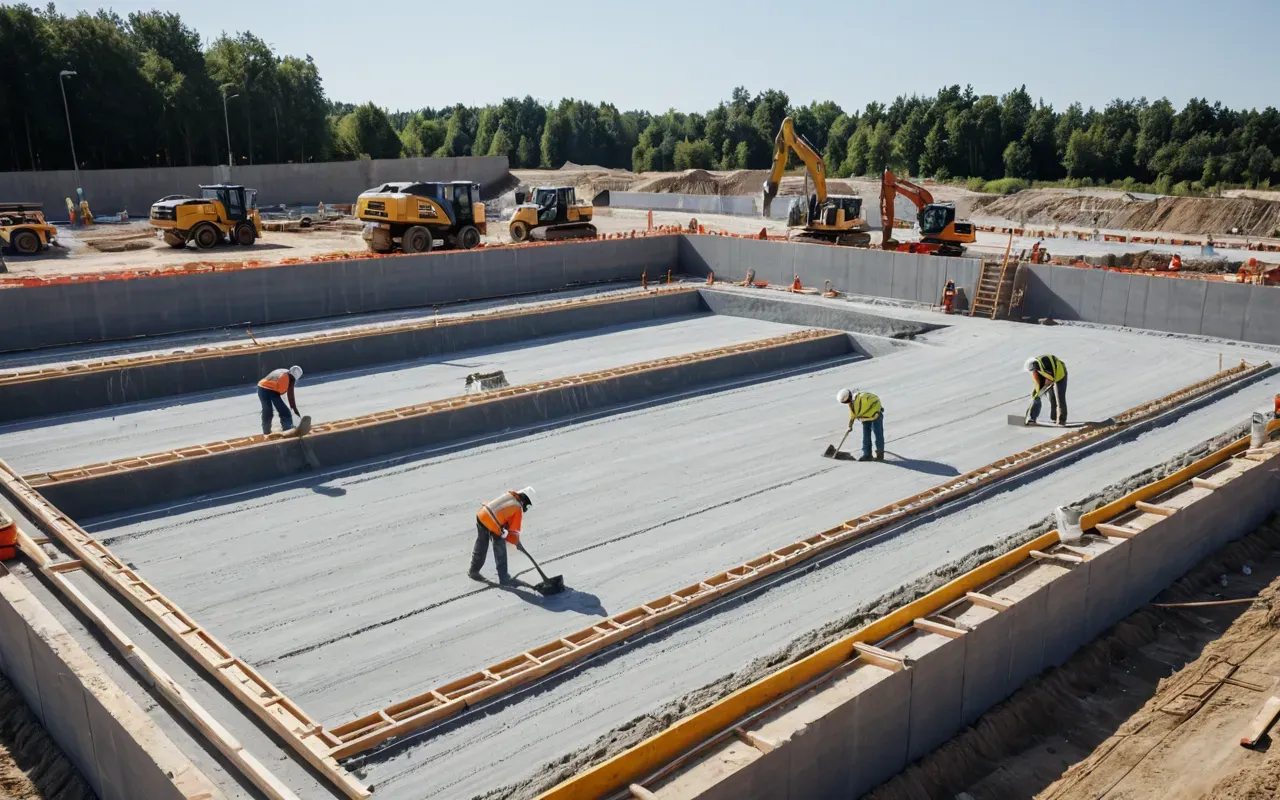
You'd think rigorous inspection slows projects down. In reality, it prevents the massive delays that failures cause later. Catching a batching error on day one saves weeks of remediation work.
Westex's expertise in plant operations lets them spot potential bottlenecks early. They can recommend process improvements that speed up pouring while holding quality standards.
That proactive approach lines up with the goals of modern construction management. Efficiency and quality aren't opposing forces — not when you have the right technical expertise on your side.
The Backstory Behind This Certification Push
So why did Westex invest in these specific credentials now? The US construction market is seeing a surge in infrastructure projects. Government contracts require strict compliance and documentation.
Private developers are demanding higher standards too, thanks to rising material costs. They can't afford waste or failure. Independent verification provides the peace of mind that large-scale investments need.
There's a competitive angle as well. By obtaining NRMCA certification and plant-specific qualifications, Westex sets itself apart from generalist consulting firms. They offer specialized value that commands premium rates.
Industry Trends Driving This Change
Automation in batching plants keeps increasing. Older manual processes are giving way to digital controls. Independent engineers need to understand these new systems to provide effective oversight.
Sustainability requirements are pushing for more precise material usage too. Waste reduction is a key goal in modern construction. Certified inspectors can verify that efficiency targets are being met without compromising strength.
These trends collectively create demand for highly skilled independent consultants. Westex's move puts them at the forefront of this evolving landscape.
What This Means for Your Next Project
If you're planning a concrete-heavy project in the US this year, think about the value of independent verification. Don't rely solely on supplier assurances.
Look for consultants with specific certifications in NRMCA standards and plant operations. Ask about their experience with aggregate quality control and batching process inspection.
The cost of this expertise is small next to the potential savings from avoiding structural failures. It's a smart investment in project success and long-term durability.
Selecting the Right Inspection Partner
Not all consulting firms are created equal. When you're evaluating potential partners for concrete quality control, look beyond generic credentials.
Ask specific questions about their understanding of batch plant operations. Can they explain how aggregate grading affects workability? Do they have hands-on experience with modern automation systems?
A firm like Westex that has invested in NRMCA certification and plant-specific qualifications demonstrates real commitment to technical excellence. That's the level of expertise you want on your project team.
The Future of Concrete Quality Assurance
We're moving into an era where data and expertise converge in concrete construction. Independent engineers with deep technical knowledge will play a critical role in ensuring safety and quality.
The completion of certifications by firms like Westex is a small but significant step in that direction. It signals that the industry values rigorous technical standards over mere compliance.
For construction professionals in the US, that's a positive development. Higher standards lead to better buildings and safer infrastructure for everyone.
The next time you stand on a freshly poured slab, remember the unseen work that went into ensuring its integrity. Independent expertise is making concrete construction stronger and more reliable.
That move toward verified quality control? It lifts the whole industry, not just one corner of it. Trust gets built — between suppliers, contractors, and clients. And in the end, we all get better built environments out of it.


Comments ()