Why your concrete plant is dying silently while you sleep
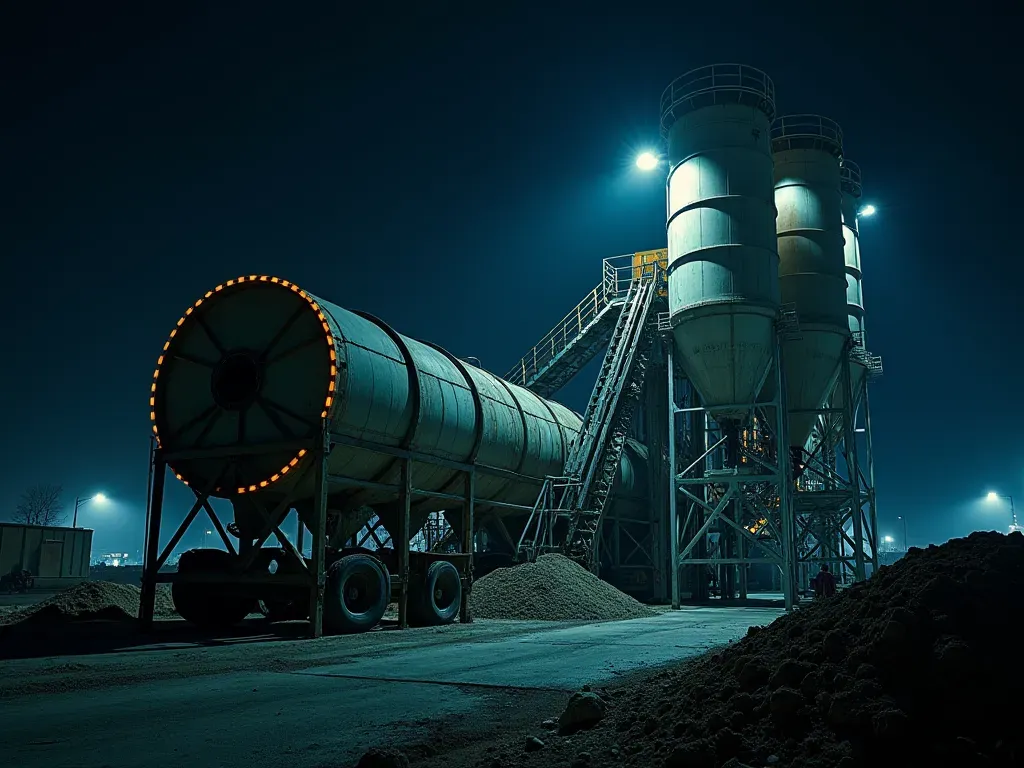
The Invisible Killer Inside Your Batching Plant
Here's the thing nobody tells you about heavy machinery: it doesn't break loudly. The most expensive failures happen in total silence.
I've seen plants that looked perfect from the outside. Inside, a single worn bearing was grinding away consistency for weeks.
You're not losing money on the day it stops. You lost it three months ago, when you ignored a subtle vibration.
Look at the data. A small deviation in aggregate flow rate creates micro-segregations in the mix.
And those tiny flaws don't show up until the slab cracks six months later. By then you're defending a reputation that slipped away quietly.
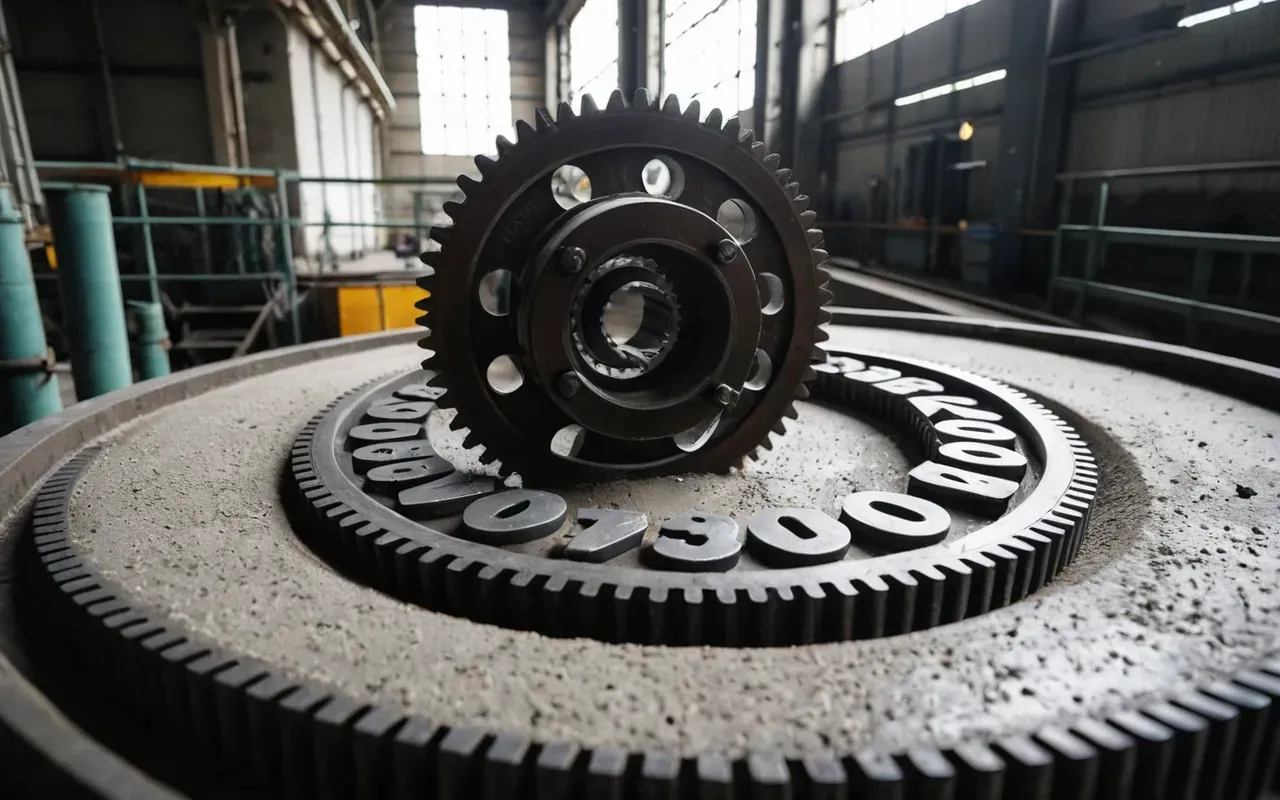
Why Modern Automation Hides the Problem Instead of Solving It
We keep seeing operators trust their sensors too much. The screens look green and steady.
But a clogged moisture sensor can read dry when the sand is actually saturated. The plant mixes water accordingly — and ruins the batch strength.
This isn't a software error. It's a physical failure that the digital interface simply cannot see.
I once watched a facility lose an entire day to this. The system reported perfect consistency while the output was weak.
The lesson is stark. Automation amplifies your inputs, but it does not correct for broken hardware.
The Financial Bleed You Cannot See on Your Invoice
Think about the waste. A plant that's slightly off spec dumps batches to maintain quality standards.
Each dumped load costs hundreds in materials and labor. Multiply that by forty loads a month and the bill is staggering.
Then there are the fines. Clients test their pours and find lower compressive strength than ordered.
You have to replace the work. You eat the cost of the labor and the new materials. It's a double hit.
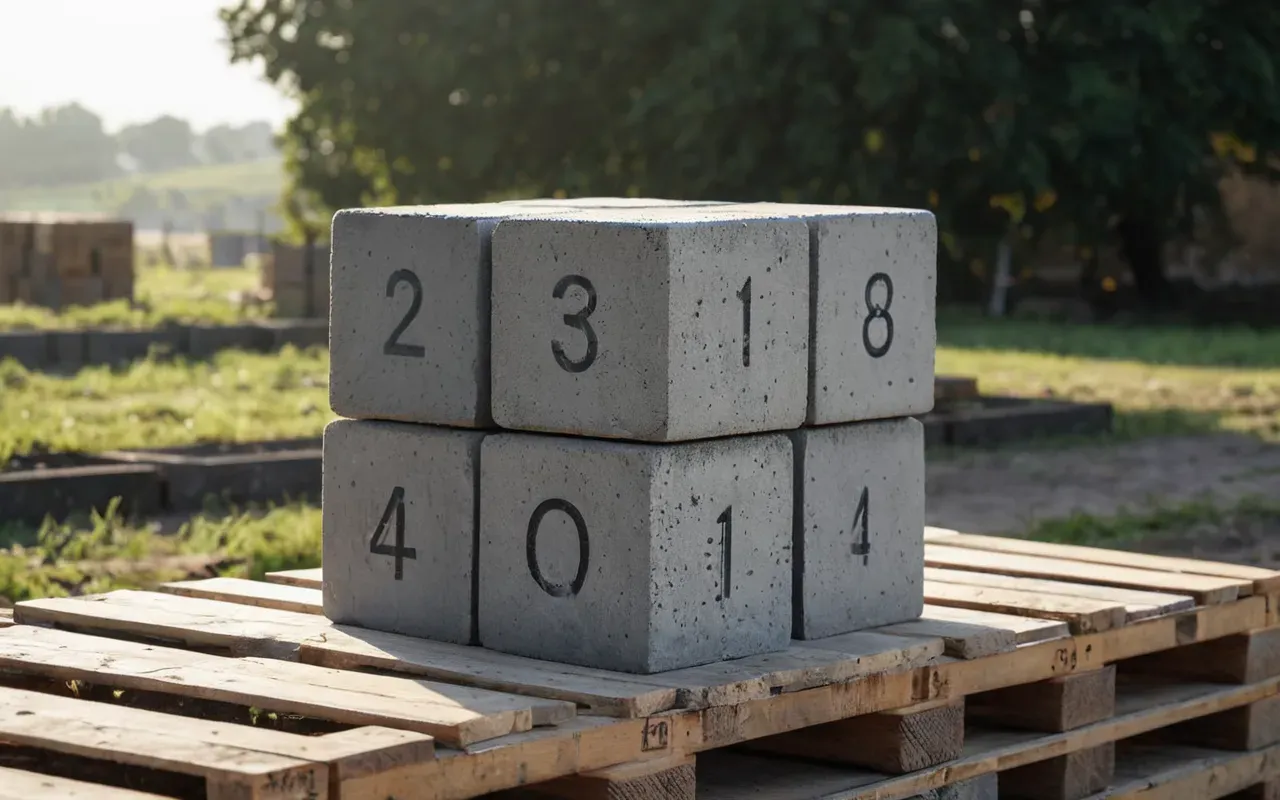
How to Catch the Failure Before It Catches You
Stop relying on scheduled checks only. Start listening to the machine.
A trained ear can pick up a grinding noise from a gearbox that's weeks away from failure.
Implement random quality tests. Pull a sample every few hours and test it immediately.
If the strength varies by more than five percent from your target, stop. Investigate.
This simple step catches the silent killers before they ruin your reputation and your budget.
The Role of Operator Training in Detection
Your best defense is a team that understands the physics of mixing. Not just the buttons.
Train them to recognize changes in sound and flow. A slight change in the hum of a pump means something is clogging.
Make it part of the daily culture. Empower them to stop production if they feel something is wrong.
Practical Steps for Your Team Today
Audit your current maintenance logs. Look for patterns in downtime.
Check the calibration dates of your sensors. If they're old, recalibrate now.
Run a baseline test on your current mix. Record the exact numbers for future comparison.
The Bigger Picture of Industry Reliability
We're building a world that relies on consistent materials. If the concrete fails, so does everything above it.
The pressure on suppliers is higher than ever. Clients demand zero defects and faster delivery.
Which means your plant must be more reliable than ever. Not just functional — perfectly consistent.
Investing in detection is cheaper than investing in repair. That math never changes.
The next time you see a green light on your dashboard, don't just nod and move on. Ask yourself if the machine is truly healthy.
Because in this industry, silence is not peace. It's a warning you're ignoring.
Comments ()