A Retiree Fought a Concrete Plant for Years and Lost His Home
The Day the Bulldozers Pulled In
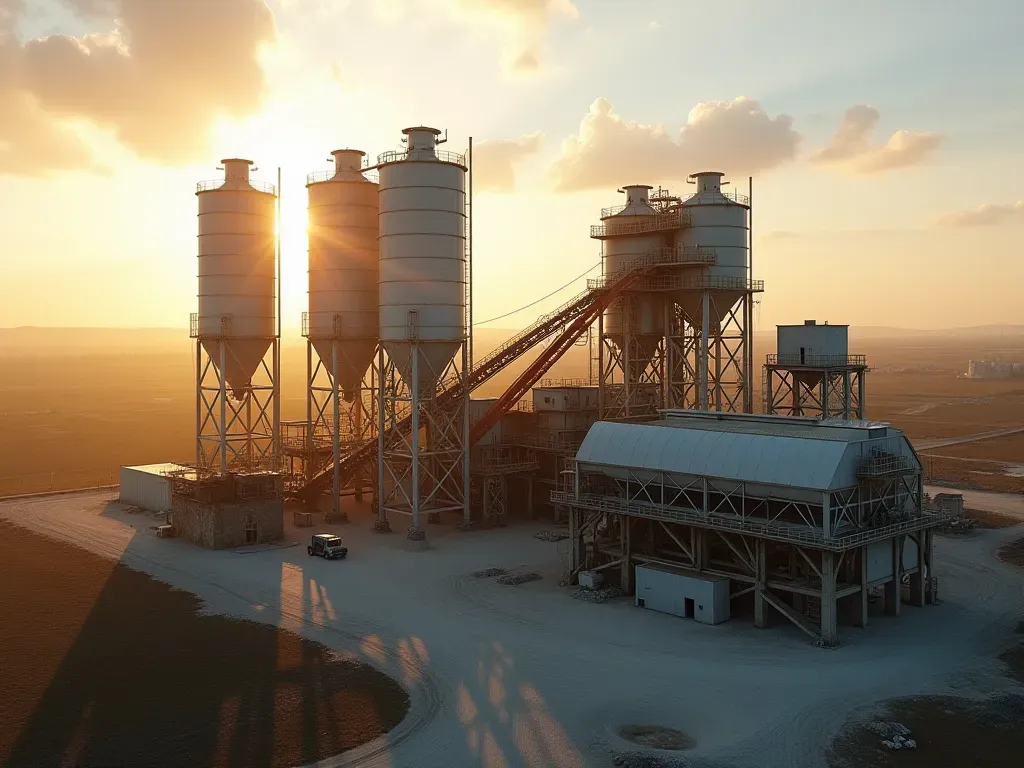
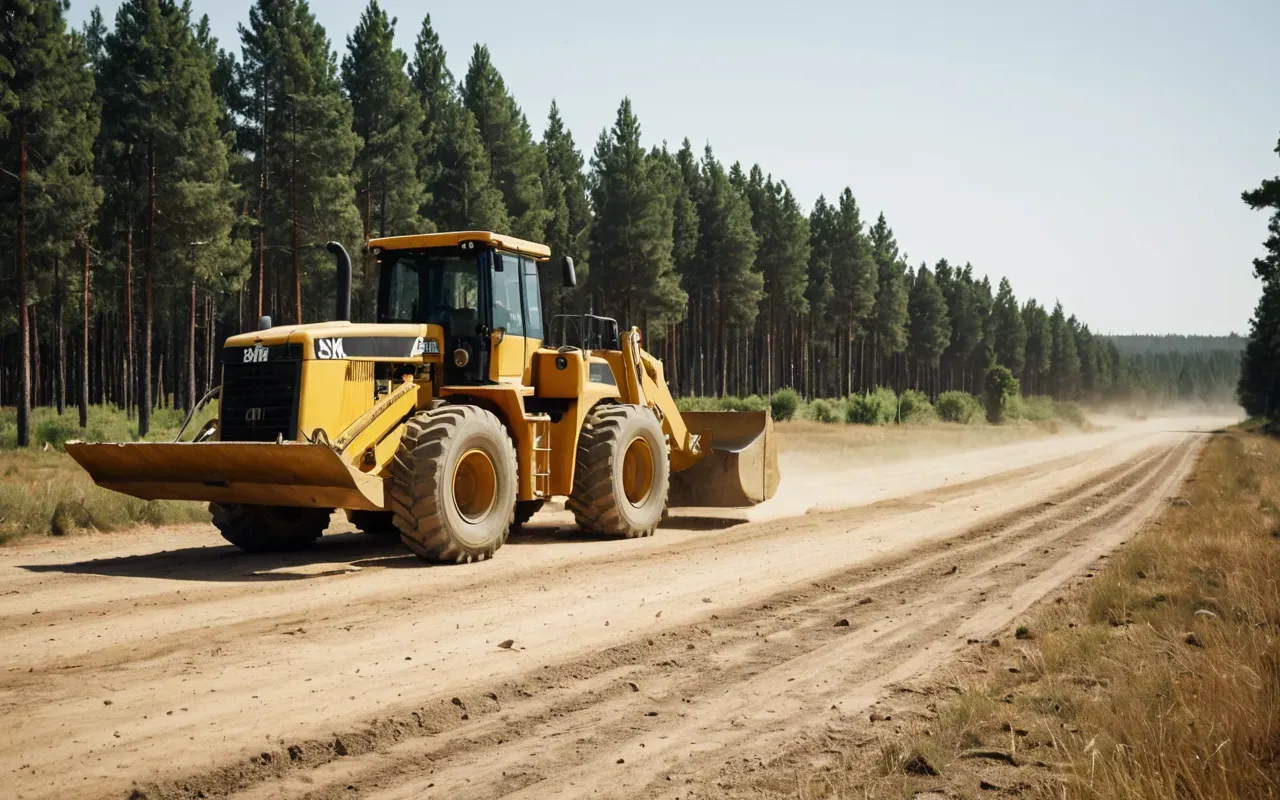
Galen Farrington watched from his porch. The bulldozers turned onto the road. They headed straight for the grassy lot across the street.
He knew his retirement dream was over. The quiet mountain views of southern New Mexico were about to change forever.
This wasn't just a noise complaint. It was a fight for his health and peace of mind.
Why This Location Sparked Fury
Roper Construction picked that spot for one reason. Demand ran highest near Alto and Ruidoso.
Concrete has to be poured within ninety minutes. Distance matters more than most people realize.
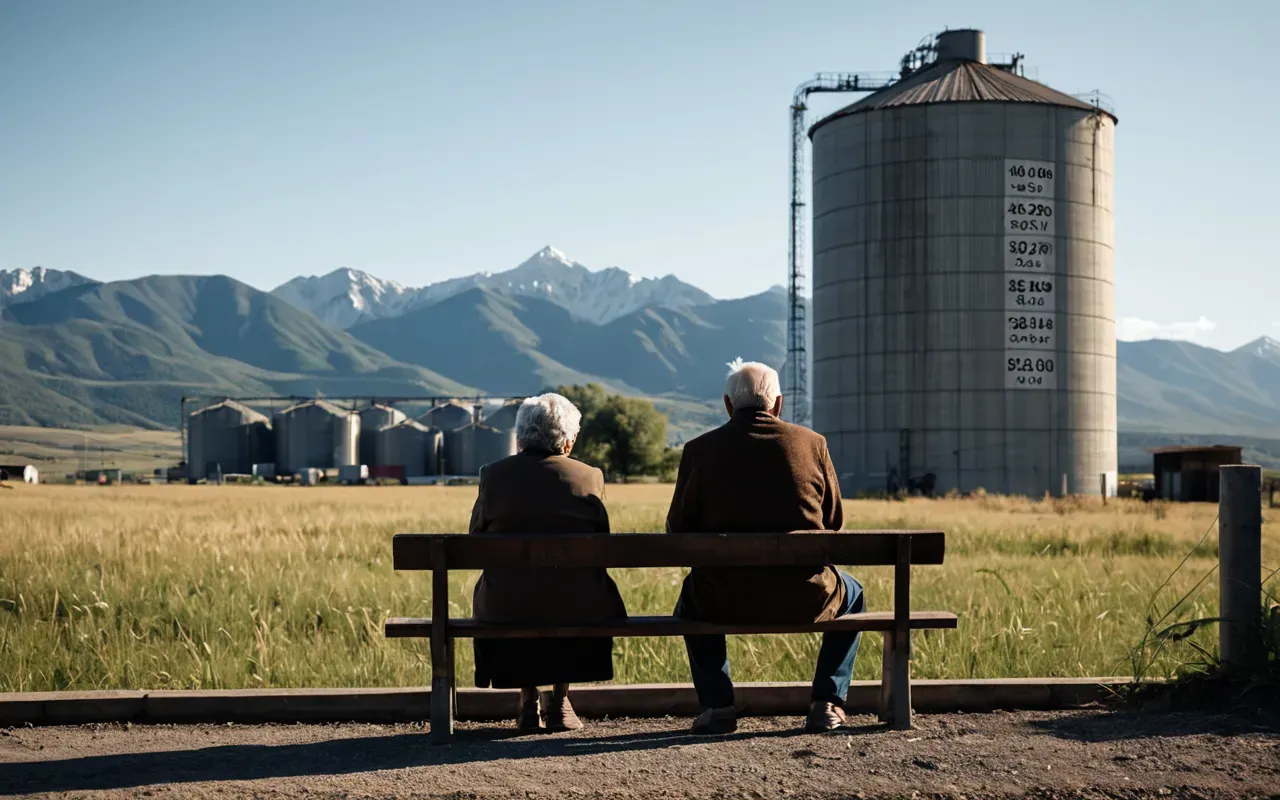
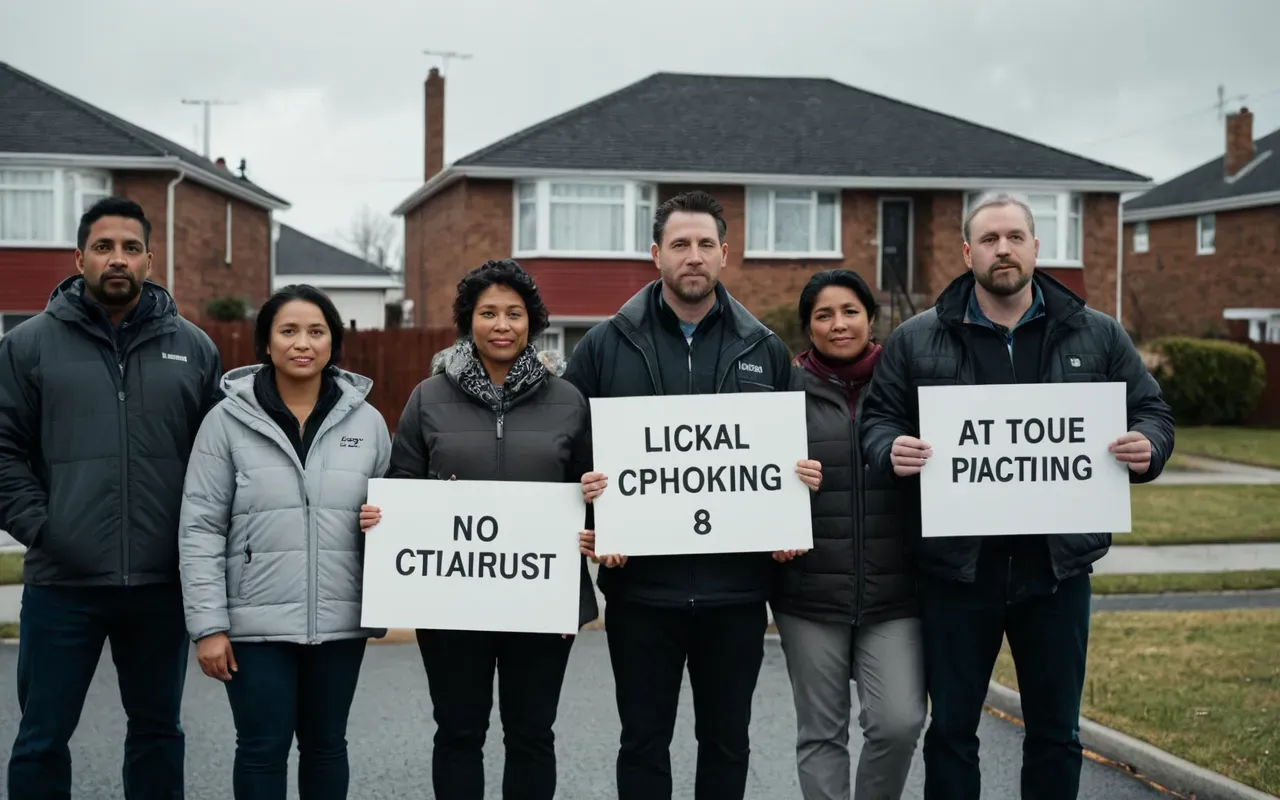
But for residents like Farrington, that logic felt cold and dismissive. Their homes sat just a short walk from the site.
The plant would run up to eighteen hours a day during peak seasons. That meant constant truck traffic and noise, day and night.
The Hidden Cost of Industrial Expansion
We talk a lot about economic growth. We rarely talk about who actually pays the price.
In this case, it was retirees with limited mobility and compromised health. They couldn't just pack up and leave.
Diorly Stierwelt had survived cancer. She feared the emissions would make her condition worse.
Her husband has COPD. The thought of breathing industrial air every single day was terrifying for both of them.
Who Wins When Industry Moves Inland?
Roper Construction won the permit battle. The state Environmental Improvement Board voted four to one in his favor.
But did the community win? Property values near the site are already dropping. Sellers are struggling to find buyers.
Local real estate agents report that homes within a quarter mile are losing significant market appeal.
That creates a trap. People want to sell but can't. So they stay in an environment they hate.
The Broader Trend Nobody Is Watching
This isn't an isolated incident. Across the US, factories are moving to rural areas.
Urban centers have stricter zoning and higher land costs. Rural communities are becoming the new target.
New Mexico sees similar patterns. Asphalt plants and manufacturing hubs are popping up near protected wilderness areas.
State officials argue this diversifies the economy. They believe regulations will protect public health.
But residents argue that 'safe' levels of pollution are still harmful for vulnerable populations.
Why Regulations May Not Be Enough
Air quality permits allow certain emission levels. Those limits are often based on averages over time.
But daily exposure to even low levels of particulate matter can accumulate damage over years.
For someone with respiratory issues, that difference is life or death.
The legal system won't protect you if the law allows it. That's a sobering reality.
What This Means for Your Community
If you live near a proposed industrial site, act early. Don't wait for the permits to be approved.
Attend public hearings. Document your concerns in writing. Build a coalition with neighbors.
Hire an independent environmental consultant if you can. Relying on company data is risky.
Understand that economic incentives often outweigh community concerns in state decisions.
The Role of Modern Concrete Technology
Newer mixing technologies can reduce emissions significantly. But adoption is slow and expensive.
Companies often choose cheaper, dirtier methods to stay competitive in tight markets.
If you're buying concrete for a project, ask suppliers about their emission controls. It matters more than price.
Supporting greener suppliers sends a market signal that protects communities like Farrington's.
The Human Cost Behind Industrial Growth
We celebrate job creation and economic development. But we rarely count the personal losses.
Farrington lost his peace. Stierwelt lives with constant anxiety. These aren't abstract concepts.
They were fighting for their right to breathe clean air in the place they called home.
Their story should make us rethink how we balance progress with human well-being.
Lessons for Future Projects
Developers must engage communities before filing permits. Early transparency builds trust.
Local governments should require independent environmental impact studies. Not just company-funded ones.
Health professionals should be part of the review panel. Their perspective is often missing.
And most importantly, we must listen to those who will live with the consequences every single day.
Final Thoughts on Community and Industry Balance
The fight over the Alto concrete plant isn't just about one facility. It represents a national tension.
We need growth. We also need clean air and healthy communities. These should not be mutually exclusive.
The next time you see a new plant going up near your home, remember Farrington. Remember Stierwelt.
Their fight wasn't just for a property. It was for the right to live safely in their own backyard.
Comments ()