The AI That Will Replace Your Best Concrete Operator
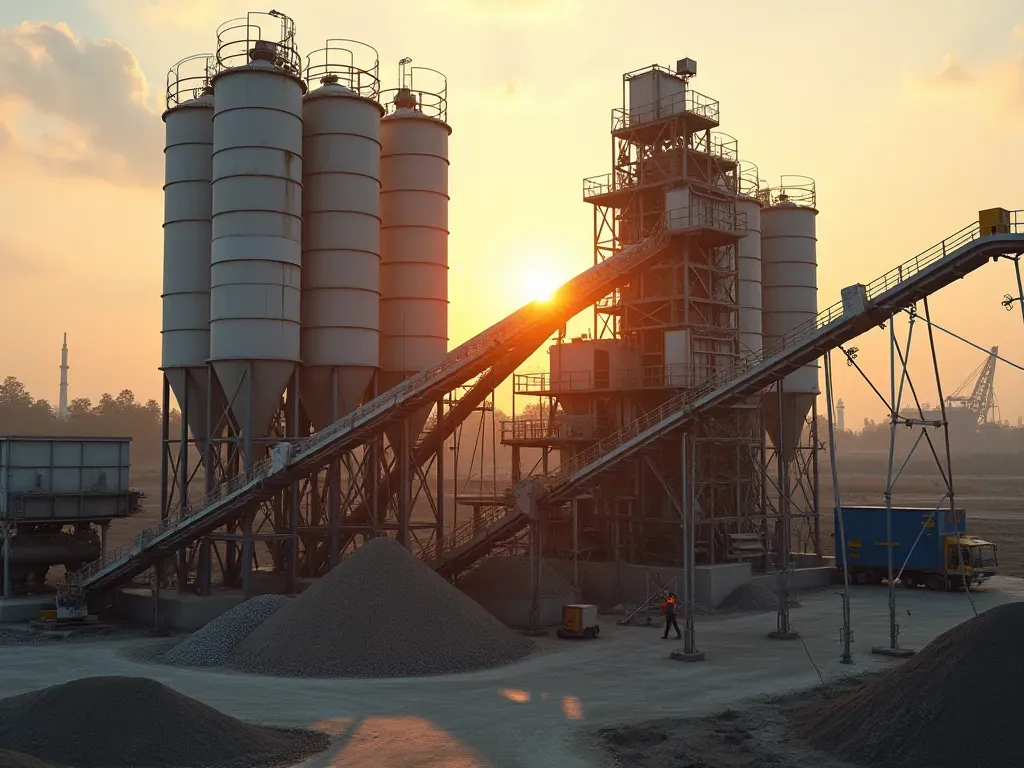
The Brain Drain Hitting Concrete Plants Right Now
Every ready-mix plant in the country has the same quiet problem right now. It isn’t broken mixers. It isn’t fuel prices. It’s people.
The best batch operators are retiring. And when they walk out the door, they take decades of instinct with them — the feel for adjusting water ratios on a humid Tuesday, the sixth sense for when a particular cement brand is acting off.
That knowledge doesn’t get written down anywhere. It just evaporates. New hires start from zero, and in a high-pressure production environment, the margin for error shrinks fast.
That’s the real story behind Giatec’s recent announcement. Not software integration. Not dashboard aesthetics. It’s a direct response to a workforce that’s disappearing.

How Giatec Changes the Data Landscape
For years, concrete data lived in silos. Mix designs stayed locked in lab software. Batch records sat in plant controllers.
Delivery logs lived with dispatch teams, often on paper. Field strength results ended up in separate apps or in notebooks engineers carried around.
So teams reconcile everything by hand. Decisions get reactive. Rework compounds from the plant floor all the way out to the jobsite.
Giatec tries to collapse that fragmented web into one system of record. Mix design, batching, delivery, and in-field quality data — all in one place.
The platform ties together Giatec’s existing tools: SmartMix for design, MixPilot for fleet performance. It also brings in SmartRock for strength monitoring.
The Practical Benefits of Unified Data
When everyone’s looking at the same live picture, decisions get faster. QC managers stop guessing off stale reports.
Plant operators see real-time conditions affecting their batches. Dispatchers track fleet performance without calling the plant every five minutes.
And that shared visibility lets producers refine mix designs on the fly. Cut cement overdesign. Catch slump deviations before a load gets rejected.
For multi-region operations, that consistency is a real competitive advantage. It turns quality control from a reactive cost center into a proactive performance driver.
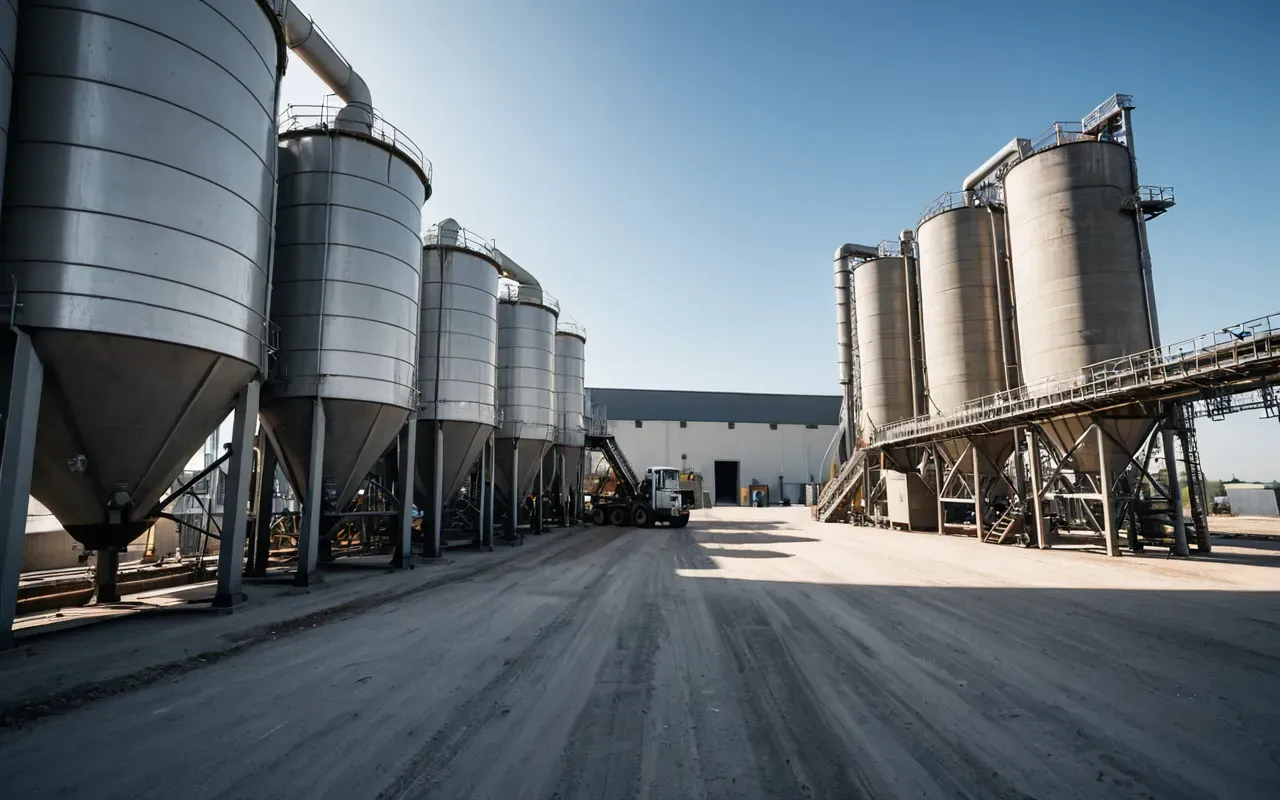
Batch CoPilot and the AI Factor
The biggest piece of this launch is Batch CoPilot — the first product built natively on the Giatec foundation.
It’s not a chatbot you ask questions about data. It gives plant operators real-time guidance during batching.
Specifically, water adjustments. Water is the variable most likely to wreck strength if it isn’t managed against ambient conditions.
By analyzing mix design targets alongside live production conditions, Batch CoPilot suggests precise adjustments. Operators hit specs on the first attempt.
Preserving Institutional Knowledge Through Code
Here’s the thing that actually matters. The industry is facing an accelerating wave of retirements among experienced batch operators.
These veterans understand how materials interact on an intuitive level. They know when to add water, when to tweak slump, based on cues you can’t put in a manual.
Batch CoPilot is built to carry that knowledge into every shift. Human instinct, turned into algorithmic precision any staff member can use.
Fewer rejected and returned loads. Fewer unnecessary water adds by drivers on the road — the kind that lead to quality complaints.
If you’ve ever wondered why top companies pay more for managers who can read batch data deeply, this is it. Data literacy is becoming a core skill.
Why This Changes More Than People Think
Plenty of people see this as a simple efficiency gain. I think it’s fundamentally changing the risk profile of concrete production.
When an operator slips up from fatigue or inexperience, the cost is brutal. Rejected loads mean wasted material and lost time.
Take the guesswork out of critical adjustments like water content, and producers can standardize quality across every shift and site.
It supports sustainability goals too. Less wasted cement means a lower carbon footprint per cubic yard of usable product.
In a market growing more than eight percent annually, efficiency isn’t a nice-to-have. It’s survival.
The Broader Implications for Buyers and Producers
For contractors buying ready-mix, this shift promises better consistency. Fewer surprises on the jobsite, fewer delays.
But it raises transparency questions too. If an AI is making critical decisions, how do buyers verify the process?
Giatec’s platform offers a single API for stakeholders to access their own data. That should let contractors pull this information into their own systems.
Transparency like that could reshape trust between producers and buyers. Data becomes the shared language for quality assurance.
Who Wins and Who Loses in This Shift
Producers who adopt early will likely see serious cost savings. Less waste, better first-pass yield rates.
Those who resist may find themselves at a disadvantage. The gap between digital and analog operations keeps widening.
For workers, the batch operator role may evolve. Less manual adjustment, more supervision and data analysis.
This isn’t about replacing people. It’s about augmenting human capability with machine precision at the moments that matter.

What This Means for Your Concrete Budget
If you’re in construction or ready-mix production, this launch is a signal. The industry is moving toward intelligent automation.
The cost of inaction rises every day data stays siloed. Manual reconciliation is expensive and error-prone.
Think about the hidden costs in your current process. How much time goes into reconciling batch tickets with delivery logs?
How many loads come back over minor spec deviations that better real-time guidance could have prevented?
Those are the savings Giatec is targeting. Not technology for its own sake. Protecting your bottom line.
The platform scales from a single plant to a national fleet, so it works for small operations and large enterprises alike.
Looking Ahead to the Future of Concrete Intelligence
Giatec positions Batch CoPilot as the first product on this foundation. They’ve said outright it won’t be the last.
The company is building support for the Model Context Protocol. That allows plain-language queries of mix and delivery data through AI assistants.
Picture a future where asking 'why was this batch rejected' gets you an instant, data-backed answer.
The integration network keeps expanding throughout . More systems will connect automatically, killing double entry across teams.
This is a strategic shift for the whole industry. Construction moves from intuition-based to data-driven precision.
Ignore this trend and the gap only widens. The winners will be the ones who treat intelligent data as a core asset.
The launch at ConcreteWorks in Nashville was just the beginning. The real test is how quickly producers adapt.
One thing is certain. For those who act now, the days of guessing at quality from incomplete information are ending.

Final Thoughts on the Giatec Launch
This isn’t another software update. It’s a fundamental rethinking of how concrete data moves through the industry.
By unifying disparate systems and adding AI-driven guidance, Giatec tackles the core challenges of modern production.
Preserving institutional knowledge through technology might be the most significant long-term benefit of all.
Expect more tools like this to emerge. The pressure to optimize efficiency isn’t going anywhere.
For now, the ball is in the court of producers and buyers. Will they embrace this intelligence layer? The market will tell us soon enough.
In the meantime, watch how these tools change daily operations at your local plants. The shift is already underway.


Comments ()