Your concrete washout pit is secretly costing you thousands in lost truck hours
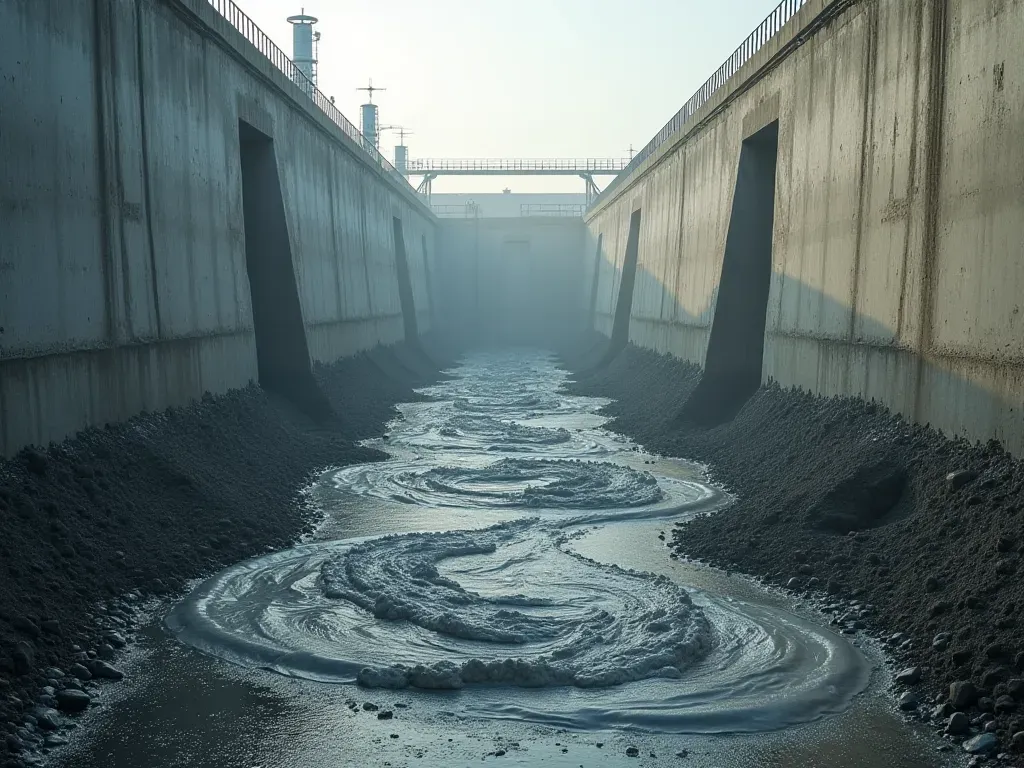
The Hidden Cost of a Dirty Drum
Here is the thing. Most operators treat the concrete washout area like a janitorial closet. It gets shoved to the far corner of the yard where nobody looks. That mindset is quietly bleeding your operation dry.
A ready-mix truck cannot deliver a fresh batch if it is still scrubbing out the previous one. The driver spends valuable time fighting hardened cement instead of driving to the next site.
I have seen yards where a single ten-minute drive across a sprawling lot costs the company an entire delivery slot. In concrete, time is literally money.
Why Location Is the Single Biggest Factor
Think about the traffic pattern. You want trucks to flow in, clean out, and exit without crossing paths with other vehicles. A chaotic layout creates bottlenecks.
If the washout station is at the back of a long lot, you are adding dead miles to every shift. That truck could have been pouring concrete two blocks away.
Safety also depends on space. Trucks need room to maneuver safely in and out of the cleaning bay. Cramped quarters invite accidents.
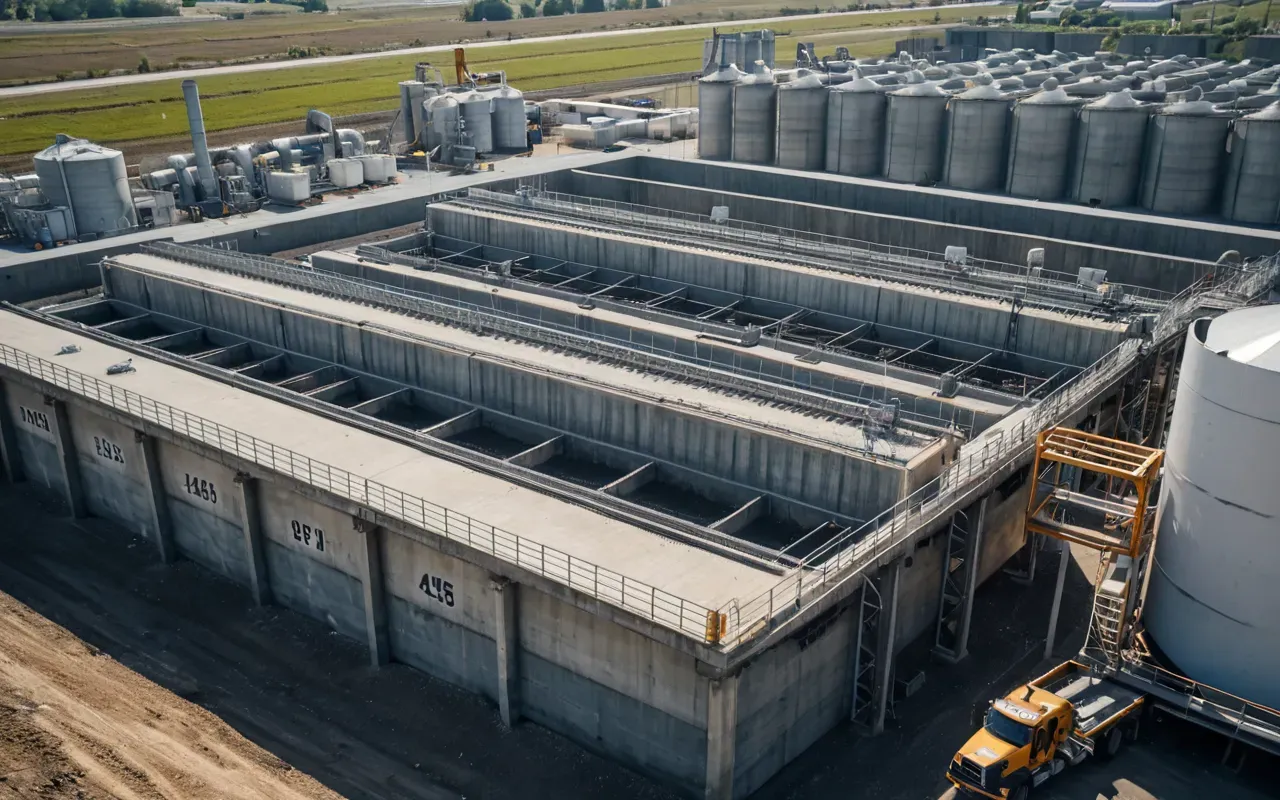
The Ten-Minute Rule for Yard Design
Ask yourself how long it takes a truck to reach the washout bay from the loading area. If that drive exceeds ten minutes one way, you have a problem.
Every extra minute spent driving is a minute lost for the next customer. In high-volume operations, those minutes add up to thousands of dollars annually.
Repositioning the washout area closer to the exit or loading zone can drastically improve turnaround times. It is a simple change with massive returns.
Waste Control Is Not Just About Cleanup
Many plants still dump washed-out material into a pile on the side. It looks ugly and wastes valuable resources that could be reused.
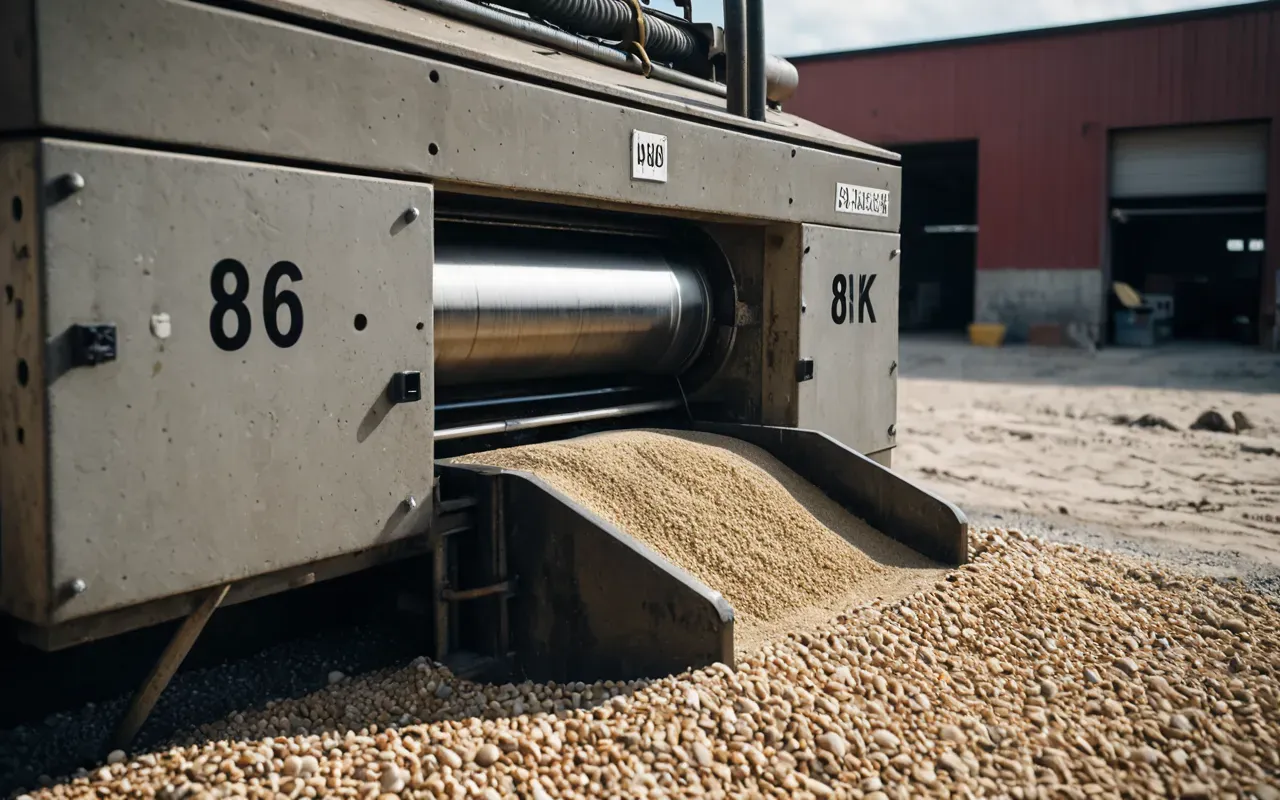
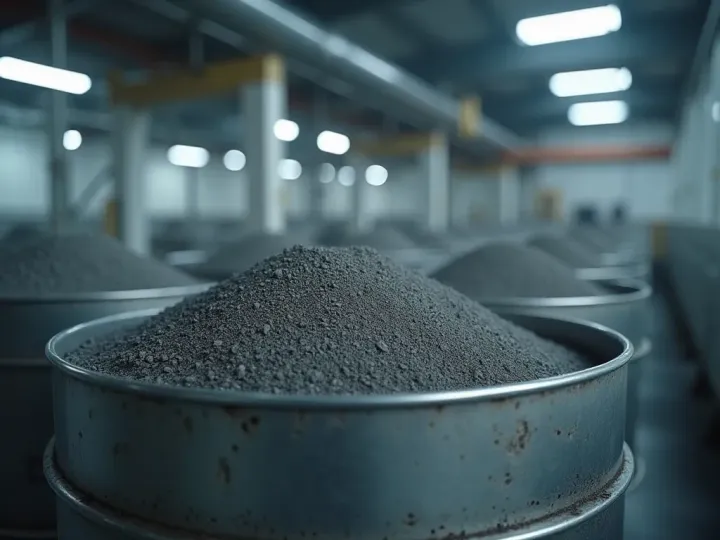
Modern systems separate sand and gravel from the washout water. This material is often good enough for lower-specification projects or base layers.
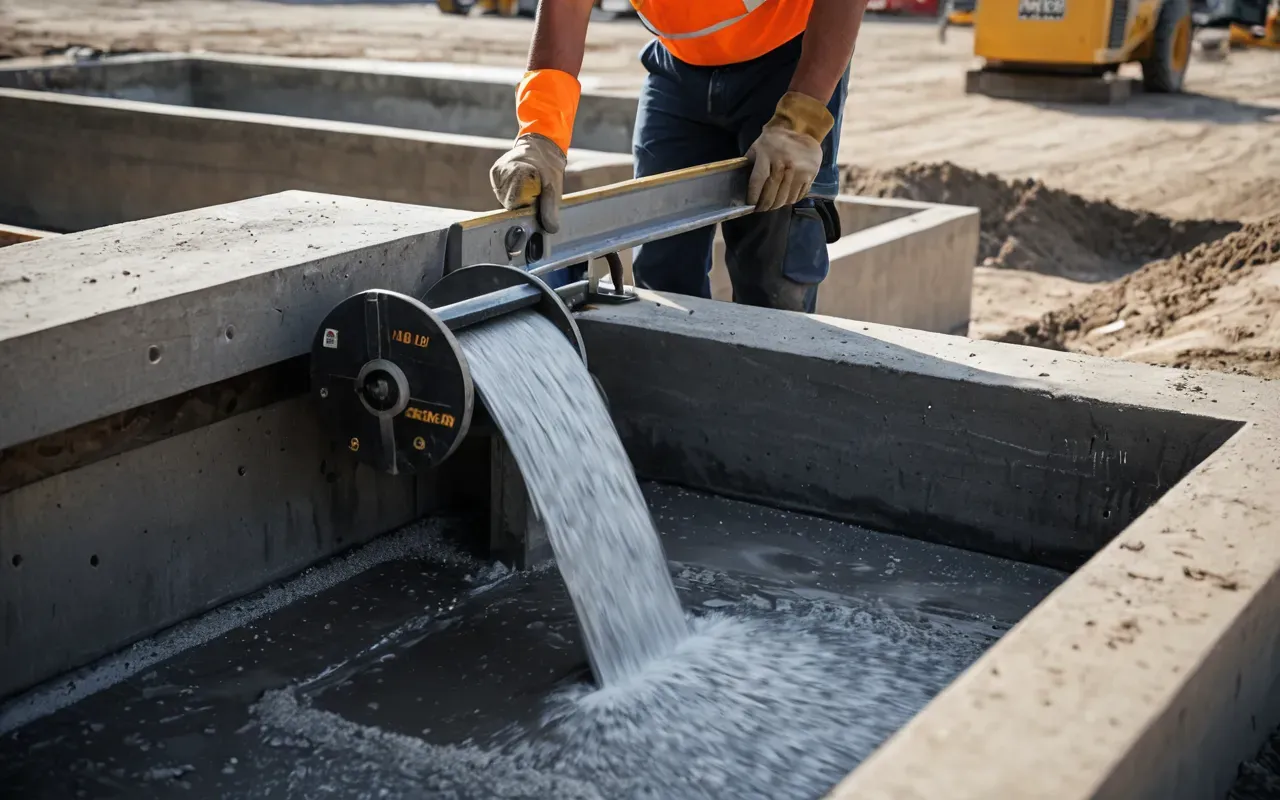
The water itself can be filtered and reused for the next truck. This closed-loop system reduces your water bill and environmental impact significantly.
The Environmental Angle You Cannot Ignore
Discharge limits are strict in many municipalities. Dumping slurry into the ground or storm drains can trigger fines and legal headaches.
One neighbor’s complaint about runoff once triggered a regulatory trap that shut down operations for weeks. You do not want to be on the wrong side of local codes.
Check your state and city rules before you design the system. Compliance is not optional; it is a baseline requirement for staying in business.
Operation and Cleanliness Matter More Than You Think
A system that is hard to operate will get avoided by drivers. They want a quick rinse and out the door, not a complex puzzle.
The cleanliness of the area also affects morale. A messy, stagnant washout pit makes workers feel like they are working in a dump site rather than a professional plant.
Balance the distance to buildings with the travel time in the yard. Too close creates mud; too far wastes fuel and time.
The Role of Portability in Job Site Washout
Sometimes the contractor is responsible for cleaning. In that case, a portable unit becomes essential for saving time on large sites.
Portable units are smaller than plant systems but still effective. They can be moved from site to site as projects shift across the region.
Shane Schmutzler of Jadair International notes that being able to washout on-site saves time and improves efficiency for contractors moving between locations.
Who Wins When You Optimize the Washout Process
The winner is the operator who maximizes truck utilization. More deliveries per day means more revenue without hiring additional drivers.
The loser is the company that ignores this detail. They lose market share to competitors who deliver faster and cleaner.
It is not just about saving money on water. It is about creating a smoother, more predictable operation that clients can rely on consistently.
The Long-Term Financial Impact of Efficiency
Over a year, the savings from reduced water usage and increased delivery capacity can cover the cost of new equipment several times over.
Investing in a durable washout system is a strategic decision. It supports long-term success and sustainability in the concrete industry.
If you are looking at the real costs of running a ready mix plant, washout efficiency is often an overlooked line item that can make or break your bottom line.
The Quiet Shift Toward Sustainable Concrete Operations
Sustainability is no longer a buzzword. It is an operational necessity. Reusing water and materials reduces your carbon footprint and lowers costs.
Clients are increasingly asking for proof of sustainable practices. A well-designed washout system is a visible sign that you take environmental responsibility seriously.
The dust storm that proved a concrete recycling plant is more powerful than city zoning laws shows how innovation can overcome regulatory hurdles. Your washout system should be part of this solution.
How to Evaluate Your Current Washout Setup
Start with a time audit. Track how long each truck spends in the washout bay from arrival to departure.
Identify bottlenecks. Is the water pressure low? Is the location too far from the exit? Fix these issues before they become chronic problems.
Consult with experts like Jadair International who have decades of experience in this field. Their insights can help you avoid costly mistakes.
The Future of Concrete Washout Technology
Automation is coming to washout systems. Sensors will monitor water quality and material separation in real time.
Data analytics can predict maintenance needs before they become failures. This proactive approach keeps your operation running smoothly.
The silent revolution rewriting construction economics is happening right now. Are you ready to be part of it? The answer lies in how efficiently you manage every aspect of your plant.
Why This Changes More Than People Think
It is not just about cleaning a drum. It is about optimizing an entire supply chain that feeds into every building project in the country.
Efficient washout systems reduce waste, lower costs, and improve delivery times. This creates a ripple effect that benefits the entire construction industry.
If you are still using outdated methods, you are leaving money on the table. The future belongs to those who embrace efficiency and sustainability today.
Final Thoughts on Designing for Success
The concrete washout area is more than a cleanup spot. It is a critical component of your operational efficiency.
By focusing on location, waste control, and operation, you can create a system that maximizes your profits and minimizes your environmental impact.
So take a hard look at your current setup. Ask the tough questions. And make the changes that will keep your trucks moving and your bottom line growing.
Comments ()