Why Your Ready Mix Plant Cost Is Likely Off by Forty Percent
The Number Most Buyers Get Wrong Every Single Time
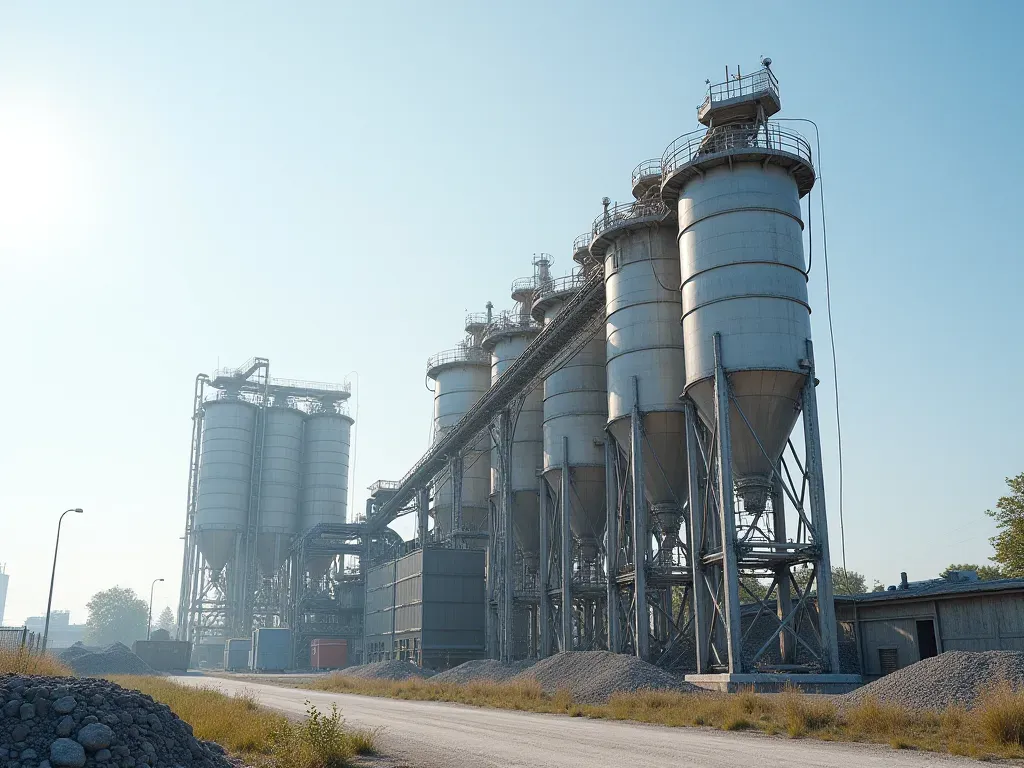
A client in Texas bought a plant for $850,000 last spring. He figured that was the whole ballgame. It wasn't.
By June, his real outlay had climbed to $1.3 million. The gap came from three line items he never thought to price during those negotiations.
I run into this mistake constantly. Operators fixate on the tag price of the machine and completely ignore the ecosystem wrapped around it.
Here's the thing. In modern concrete production, the hardware is barely half the fight.
What Actually Drives the Price Tag Higher Than Expected
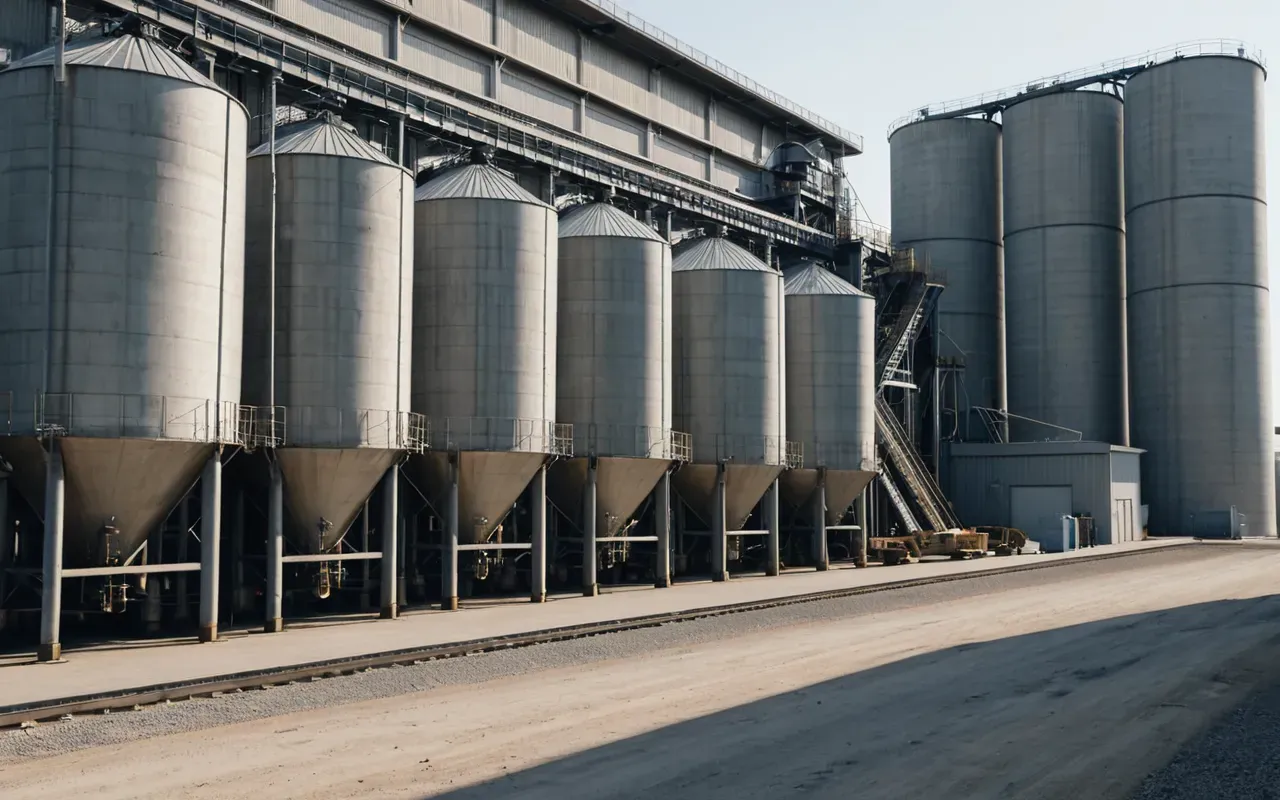
Capacity is your first variable. A unit churning out forty cubic meters per hour costs a fraction of one handling ninety.
But this is where it gets tricky. You aren't just paying for volume. You're paying for how fast that volume actually moves.
High throughput systems demand heavier steel frames. They need beefier motors. The foundation engineering alone can tack on tens of thousands.
I once audited a bid where the client just assumed standard electrical hookups would do. Turns out they needed three separate 480-volt feeds, not one.
That single oversight added $42,000 to their project budget. Nobody flagged it until the electrician showed up on site and started shaking his head.
Automation Is Not Just a Luxury Anymore
Manual plants cost less upfront. That's the obvious trade-off everyone sees right away.
But skilled operator labor in the US has blown past $35 per hour. Automation starts paying for itself within eighteen months.
A fully automated control system bumps the base price by roughly $80,000. It also cuts human error in material weighing by nearly ninety percent.
To be fair, you do give up some flexibility. Changing mixes in a programmed system takes time.
For high-volume commercial work though, that rigidity is exactly what you want. When quality control matters, consistency beats speed every single time.
The Hidden Cost of Safety Features You Cannot Skip
Modern plants come with emergency stops, dust suppression systems, and noise barriers.
Those add about fifteen percent to the total price. But they're non-negotiable for regulatory compliance.
I've watched operators try to cut corners here. They regret it within a year when fines or shutdowns start eating their bottom line.
If you're curious about the real financial damage of ignoring these protocols, the true cost of missing safety features breaks down actual case studies from 2025.
Maintenance and Consumables Are Where the Real Money Goes
Buying the plant is just step one. Keeping it running smoothly is where most budgets bleed out.
Wear parts like mixer paddles and gate valves need replacing every six to ten months.
Plan for at least twelve percent of the initial purchase price annually in maintenance.
For a $1 million unit that's $120,000 per year. Spread across three shifts it sounds manageable.
But throw in electricity, water treatment, and labor, and your true operating cost can double the sticker price within three years.
Location and Logistics Change Everything About Your Bill
Shipping a forty-foot batching unit across state lines comes with surprises.
Oversized load permitting can run $8,000 to $15,000 depending on your route and local rules.
Remote sites or poor access roads? Budget extra for crane rentals and site prep.
I worked with a contractor in the Midwest last year. They saved $20,000 on the machine itself but spent every cent of it getting the truck across a narrow bridge.
Always factor in site access before you sign the purchase order. It feels like a minor detail until it's punching you in the wallet.
How to Negotiate a Fairer Price Without Getting Burned
Don't accept the first quote. Ever.
Get at least three detailed breakdowns from different suppliers. Compare line items, not just the totals.
Ask specifically about warranty terms and how fast they respond to service calls.
A supplier with a cheaper price but slow support will bleed you dry in downtime.
I always push for a service level agreement with guaranteed repair windows. In my view, that's non-negotiable.
Financing Options and Their Hidden Fees
Most buyers end up financing the plant over three to five years.
Interest rates on heavy machinery loans are running four to seven percent in current markets.
But watch for origination fees and prepayment penalties. Those can quietly add another two percent to your total cost.
If you've got the cash, paying upfront saves thousands in interest over the life of the loan.
The Long Term Value Equation You Should Calculate
A cheaper plant that breaks down weekly isn't a bargain. It's a liability.
Uptime matters more than the sticker price. Every hour of downtime costs roughly $400 in lost production.
Build that into your total cost of ownership model before you make any decision.
The right investment protects your timeline and your reputation with clients who demand consistent quality.
If you're weighing different supplier options right now, the hidden power shift in construction as ready-mix plants expand gives useful context on market trends affecting pricing.
Frequently Asked Questions
What is the average ready mix plant cost in 2026?
The average cost ranges from $300,000 for basic manual units to over $2 million for fully automated high-capacity systems. Most mid-range plants land between $600,000 and $1.5 million depending on features and capacity.
How much does automation add to a batching plant price?
Full automation typically adds $80,000 to $120,000 to the base price. That covers control systems, sensors, and software licensing that cut labor needs by up to sixty percent.
Why do ready mix plant costs vary so widely between suppliers?
Differences in steel quality, motor brands, warranty terms, and included safety features drive the variance. A $200,000 price gap between two similar capacity units usually reflects build quality and support packages, not hidden costs.
Can I negotiate the price of a new concrete batching plant?
Yes. Most suppliers offer five to ten percent discounts for upfront payment or multi-unit orders. Always request itemized quotes and compare service terms before accepting the final number.
Final Thoughts on Getting Your Numbers Right
The bottom line is simple. Don't let the headline price fool you.
Build your budget around total ownership cost. Include maintenance, logistics, labor, and financing fees from day one.
Do this work before you fall in love with a specific machine. Your future self will thank you when the numbers finally add up.
The concrete industry rewards those who do their homework. And it punishes those who guess.
Comments ()