Enhancing Construction Safety Through Advanced Ready-Mix Concrete Solutions
The Critical Role of Safety Standards in Modern Construction Projects
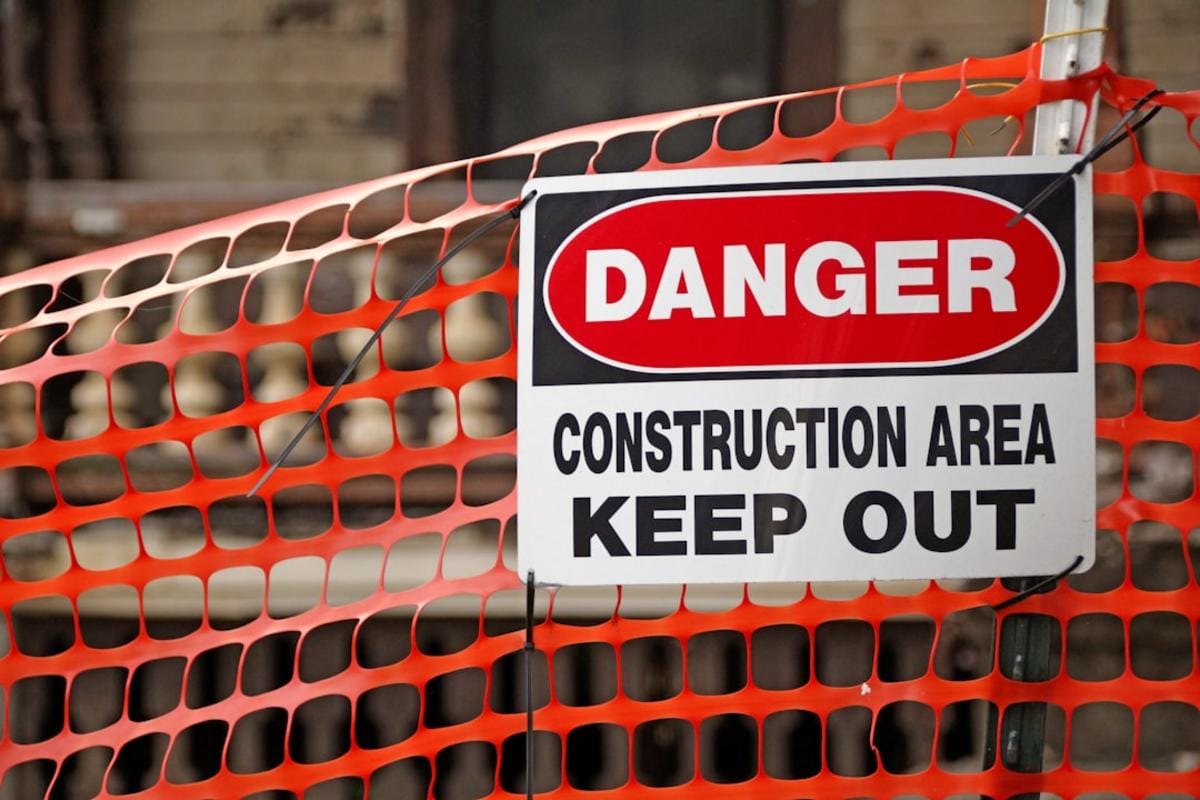
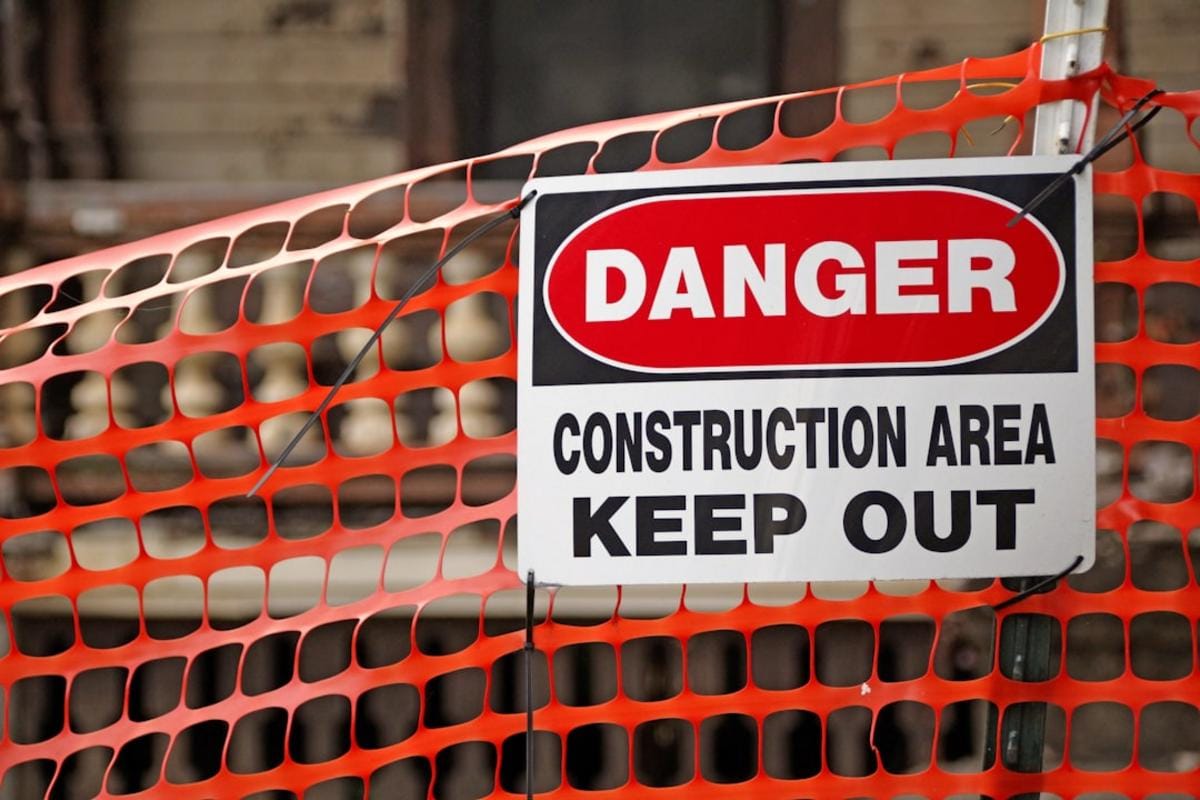
In contemporary construction environments, ensuring safety on-site is as paramount as meeting project deadlines and budgets. The integration of advanced safety standards has become a cornerstone of successful construction management, addressing risks associated with heavy machinery, hazardous materials, and workforce coordination. Modern safety protocols, such as the use of personal protective equipment (PPE), regular safety training, and automated safety systems, help mitigate accidents and enhance worker well-being. Construction firms are increasingly adopting comprehensive safety measures that align with industry regulations, such as OSHA standards in the United States, to foster a culture of safety and compliance. The deployment of these standards not only reduces the likelihood of injuries but also minimizes delays and financial burdens caused by accidents or legal issues. An essential component of this safety culture is the utilization of reliable equipment and technology, which can include automation and remote monitoring—tools that safeguard workers by reducing their exposure to dangerous situations. For example, safety sensors, automatic shut-off systems, and real-time inspection technologies serve as proactive measures to identify and prevent potential hazards before they escalate into incidents, ensuring a safer environment for all personnel involved in construction projects.
The Strategic Importance of Ready-Mix Plants in Enhancing Safety and Efficiency
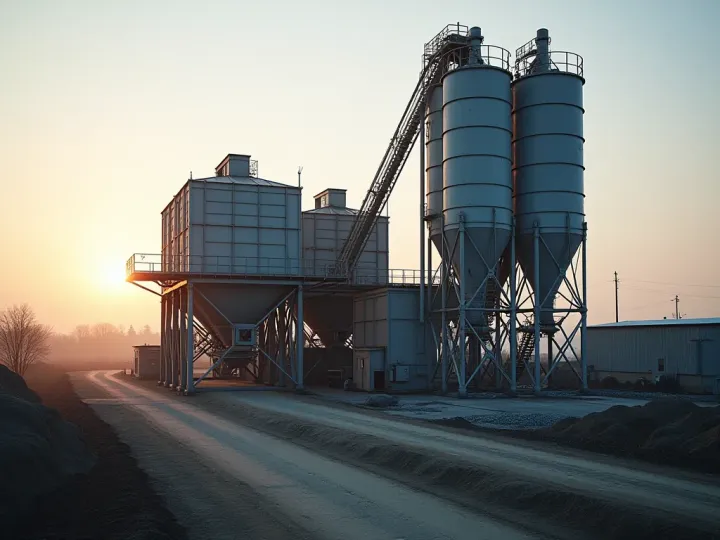
The advent and widespread integration of ready-mix concrete plants have revolutionized the construction landscape, emphasizing not only quality but also safety and productivity. These batching plants, which mix cement, aggregates, and water either on-site or at a centralized location, enable precise control over concrete consistency, durability, and curing properties—factors crucial for long-lasting infrastructure. By producing concrete in controlled environments, ready-mix plants significantly reduce on-site chaos, such as transportation of raw materials and manual batching errors, which are common causes of accidents and delays. The benefits extend beyond safety; reliable supply chains, consistent quality, and optimized schedules contribute to cost savings and project timelines, making construction projects more predictable and manageable. Moreover, these plants often incorporate state-of-the-art safety features, like automated batching controls and emergency shutdown systems, which protect workers from handling hazardous materials or operating heavy machinery in risky scenarios. The ability to meet specific project requirements with high precision supports building codes and standards, fostering safer and more durable structures. For construction managers, selecting the right ready-mix plant involves evaluating capacity, automation features, safety protocols, and compliance, all of which play crucial roles in maintaining a safe and efficient construction environment.
Advancing Construction Safety Through Automation and Industry Standards
Automation technology within ready-mix plants plays a pivotal role in elevating construction safety standards. Automated batching and control systems ensure that concrete ingredients are measured accurately, reducing human errors that can lead to structural flaws or accidents. Furthermore, integrated safety features such as sensors, alarms, and emergency shutdowns not only protect workers but also minimize equipment damage and downtime. As the construction industry faces increasing demand for complex projects, the adoption of automated solutions has become vital for maintaining compliance with rigorous safety standards. In the United States, organizations such as OSHA set stringent regulations that compel construction companies to implement advanced safety and automation measures. These measures often include remote operation options and real-time data monitoring that identify potential hazards early, enabling swift corrective actions. Industry standards are continually evolving to incorporate these technologies, providing a framework whereby construction projects align safety excellence with operational efficiency. It’s increasingly clear that investments in automated and safety-integrated batching plants are fundamental in meeting modern safety requirements while enhancing project performance.


Comments ()