Why The Heidelberg Concrete Strike Is A Warning Sign For Every Construction Project Timeline
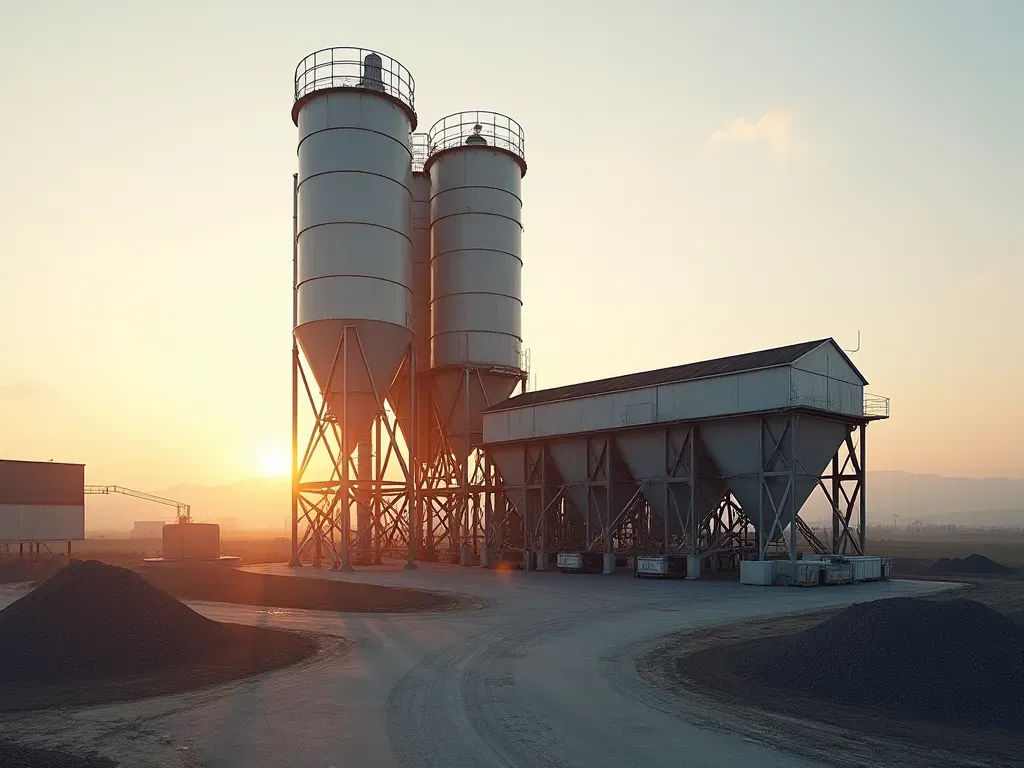
The Silence On The Picket Line Is Deafening For Contractors Everywhere
That specific panic when the truck doesn't show up — you know the one. It starts with a phone call to the dispatcher. The voice on the other end sounds tired, evasive, already bracing for the argument. Then comes the truth about why your pour has been delayed indefinitely.
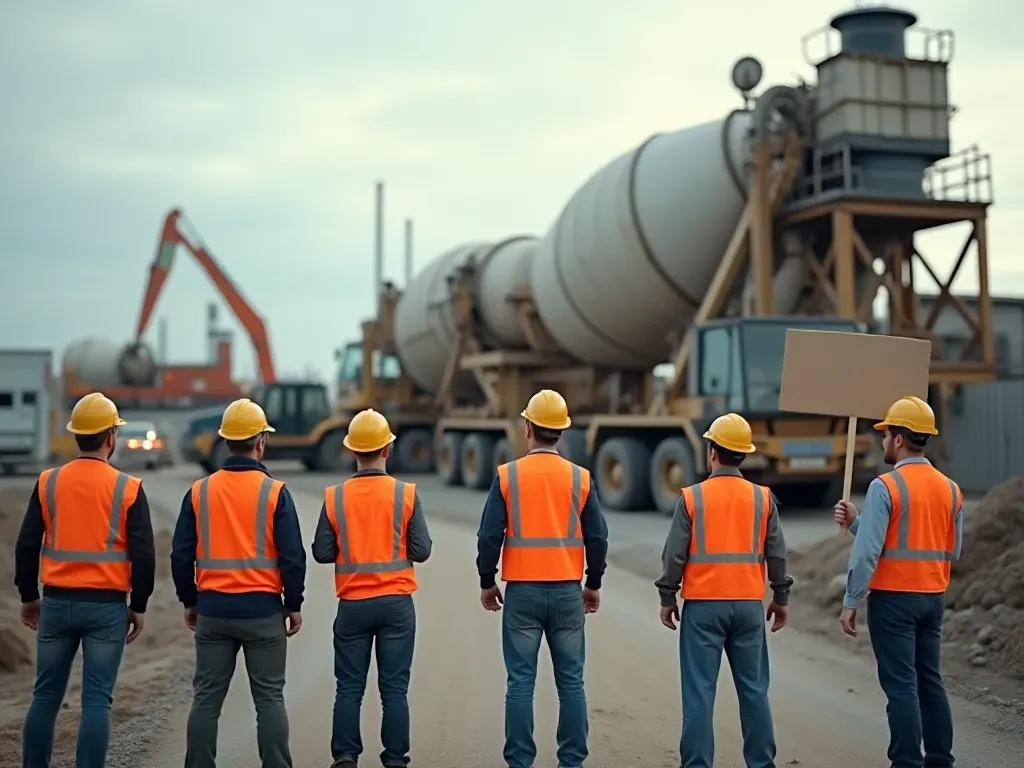
This isn't hypothetical for contractors in Allegheny County right now. The ready-mix drivers at the Heidelberg Materials Pittsburgh Concrete Plant have walked off the job. They're holding firm on an unfair labor practice strike as of July 2026.
I was struck by how quickly this escalated. For years, we've treated concrete delivery like a utility — electricity, water, flip the switch and it flows. But look what happens when human beings stop pushing those buttons.
The International Brotherhood of Teamsters Local 249 represents eleven drivers. Sounds small, doesn't it? In reality, they run the entire ready-mix operation for Heidelberg in this critical region. One strike here ripples through dozens of active construction sites.
What Is Actually At Stake Beyond The Headlines About Pay And Benefits
Most reports stick to surface details. Health care concerns. Pension negotiations. Valid issues for any worker, sure. But there's a deeper narrative unfolding here that few people are discussing openly.
The core conflict is about erosion of work rules. The company is pushing for weaker seniority provisions and fewer protections against disciplinary action. This stopped being about money a while ago. It's a fundamental shift in workplace power dynamics.
Kevin Schmitt from Local 249 made that point crystal clear. He emphasized that these drivers handle all operations in the county yet face disrespect during talks. When trust breaks down between labor and management, everything else falls apart.
Slava Barvik has driven for nineteen years. He sees this as a fight to protect livelihoods built over three decades of union negotiation. We often forget — stability takes time to build but only moments to destroy.
The Hidden Cost Of Surveillance And Control In Modern Operations
One detail bothers me more than the rest. The drivers are fighting back against inward-facing cameras monitoring them on the job. That raises serious questions about privacy and surveillance in industrial settings.
We see technology being used to monitor every movement. Safety protocols are essential, absolutely. But there's a line crossed when oversight becomes intrusive control. Workers end up feeling watched rather than protected.
This tension reflects a broader trend across industries. Employers want data; employees demand dignity. Finding balance is hard enough when negotiations are civil. It's nearly impossible when they break down completely like they have at Heidelberg Materials.
Why Retaliation Claims Matter More Than You Might Think Right Now
The strike classification matters significantly here. This is labeled an unfair labor practice action, not a standard economic dispute. That distinction carries weight legally and morally within the construction community.
Retaliation against union members who refuse concessionary offers creates a chilling effect. Other workers see what happens when they speak up or resist unfavorable terms. Fear replaces cooperation in the workplace culture.
If you follow how ready-mix plants mitigate risks closely, you understand that human factors matter most. Equipment fails, but trained, experienced operators prevent disasters daily.

How This Dispute Ripples Through Supply Chains And Project Timelines Nationwide
Let's talk practical implications for your projects. Concrete has a shelf life measured in hours once mixed. You cannot stockpile it indefinitely waiting for delivery windows to open again.
When one supplier goes down, others scramble to fill the gap. Capacity constraints become immediate problems for competing plants trying to absorb sudden demand spikes from stranded customers.
We saw similar patterns emerge during previous industry disruptions. Delays cascade rapidly, affecting scheduling for steel installation, electrical work, and finishing trades downstream in the process.
Consider how rapid expansions change everything for project timelines when supply chains remain stable versus volatile. The contrast is stark — and expensive.
The Economic Reality Of Idle Equipment And Wasted Resources Daily
Every day these trucks sit idle represents significant financial loss. Fuel costs, maintenance schedules, payroll obligations — they continue regardless of whether concrete moves or stays put in storage yards.
Contractors face liquidated damages clauses if they miss deadlines due to material shortages. These penalties can exceed original profit margins on smaller residential or commercial developments quickly.
I have seen projects stall completely because nobody anticipated potential labor issues during planning phases. Risk management requires looking beyond blueprints and contracts to human elements too.
Who Really Wins And Who Loses In This Prolonged Standoff Situation
Nobody wins initially when strikes occur. Drivers lose wages; companies lose revenue streams from halted deliveries. Homeowners and businesses waiting for completion dates bear indirect costs through inflation.
However, prolonged disputes often force structural changes that benefit workers long term. Stronger contracts lead to better retention rates, which ultimately stabilize operations for everyone involved eventually.
The challenge lies in bridging the gap between short-term pain and long-term gain. Both sides need willingness to compromise without sacrificing core principles regarding fair treatment.
Why Automation Cannot Replace Human Judgment On Construction Sites Yet
Some might argue that automation could solve these problems entirely. Self-driving trucks or robotic batchers seem like plausible futures given current technological advancements in manufacturing sectors.
But look at the complexity of pouring concrete on active sites. Conditions vary wildly between locations, requiring adaptability and problem-solving skills that machines simply do not possess reliably today.
Human operators make split-second decisions based on visual cues and experience. They adjust mixing times or routing paths dynamically, responding to traffic accidents, weather changes, or site access restrictions.
Replacing skilled labor with algorithms ignores the nuance required for quality outcomes. Efficiency gains must not come at cost of reliability or safety standards established over decades.
Lessons Learned From Past Labor Disputes In The Concrete Industry History
This isn't the first time we've seen tensions rise between unions and major suppliers. Historical patterns reveal recurring themes around wage stagnation, benefit cuts, and working condition improvements.
In previous decades, strikes lasted months, sometimes years, causing massive disruptions across regions. Governments eventually intervened to negotiate settlements balancing interests of both parties involved.
Today's economic climate differs significantly from those eras though. Globalization, supply chain fragility, and rapid inflation create new pressures on all stakeholders, making resolution harder.
Understanding the hidden power shifts in construction helps explain why companies push hard during negotiations despite public relations risks.
How Transparency Could Prevent Future Conflicts Before They Start Brewing
Open communication channels before crises hit would help immensely. Regular town halls or joint committees addressing emerging issues proactively rather than reactively could build trust gradually.
Shared data regarding profitability challenges and market conditions allows both sides understand constraints facing each other. Empathy grows when people see behind the curtain.
Technology facilitates transparency too. Digital dashboards showing real-time metrics about plant performance or delivery efficiency enable collaborative problem solving instead of adversarial bargaining.
What Contractors Can Do To Mitigate Risk During Ongoing Strikes Uncertainty
If you manage projects in affected areas, take immediate action. Diversify your supplier base so reliance on single source does not become catastrophic vulnerability if disruptions occur.
Review force majeure clauses in existing contracts carefully. Understand what protections you actually have versus perceived security provided by standard legal language.
Communicate clearly with subcontractors and clients about potential delays early on. Transparency builds credibility even when delivering bad news regarding schedule adjustments.
Why Community Support Matters More Than Ever For Striking Workers Today
Public perception influences corporate behavior significantly. When communities rally behind workers demanding fair treatment, companies feel increased pressure to resolve disputes promptly.
Local businesses near picket lines often provide meals or donations supporting families impacted financially by lost income during strikes. Solidarity strengthens collective resolve.
Media coverage amplifies voices that might otherwise go unheard in boardrooms far removed from ground reality. Social media platforms allow direct engagement bypassing traditional gatekeepers.
How Technology Integration Could Enhance Safety Without Compromising Privacy Rights
Cameras have their place. Accident investigation, training analysis — sure, that makes sense. But rolling them out without a clear plan is asking for trouble. If you're going to monitor people, you need their explicit consent first. That's not negotiable.
Anonymized data is a different story. You're looking at processes, not individuals. Identities stay protected, yet you still get the operational insights you're after. It's a way to hold the system accountable without stripping away anyone's dignity.
Putting money into advanced ready mix concrete solutions means committing to human well-being, not just the next shiny piece of tech. The two have to go hand in hand.
Looking Forward Towards Resolution And Lasting Change In The Industry Landscape
Getting past this standoff won't happen by accident. Both sides have to actually want a deal. Real negotiations mean listening to the concerns raised — and I mean really hearing them, not just waiting for your turn to talk.
Heidelberg Materials needs to show they're willing to tackle the core grievances head-on. Falling back on legal arguments alone won't cut it. Workers notice when a company is hiding behind procedure instead of engaging with the substance.
And the Teamsters? They need to hold the line. Internal splits only weaken their hand at the table. Solidarity is the one card they can't afford to lose.
Whatever agreement comes out of this will set a precedent. Other plants are watching. They want to see whether pushing hard actually pays off, or whether management can just wait everyone out.
Why Sustainability Goals Must Include Social Responsibility Components Too Now
Everyone talks about environmental sustainability these days. Cutting carbon from cement production gets a lot of attention, and rightly so — the climate clock is ticking.
But social sustainability deserves just as much weight. Fair treatment, safe working conditions, respect for collective bargaining — that's the foundation any responsible company stands on.
Skip that human element and your green credentials start to ring hollow. You can't claim ethical leadership while squeezing the people who make your operation run.
Final Thoughts On Navigating Complex Labor Relations In Modern Construction Projects
This strike is a sharp reminder that people come first. Behind every cubic yard of concrete someone's out there working, keeping the infrastructure moving.
It's worth pausing to appreciate the skilled tradespeople who do this day in and day out. Their expertise is what keeps our buildings standing and our skylines worth looking at.
Here's hoping a resolution comes soon, and the disruption doesn't spread further. In the meantime, stay sharp and keep an eye on how this plays out — it could affect your own operations before you know it.
Comments ()