The Hidden Danger of Overconfidence in Construction Safety and How Ready-Mix Plants Can Mitigate Risks
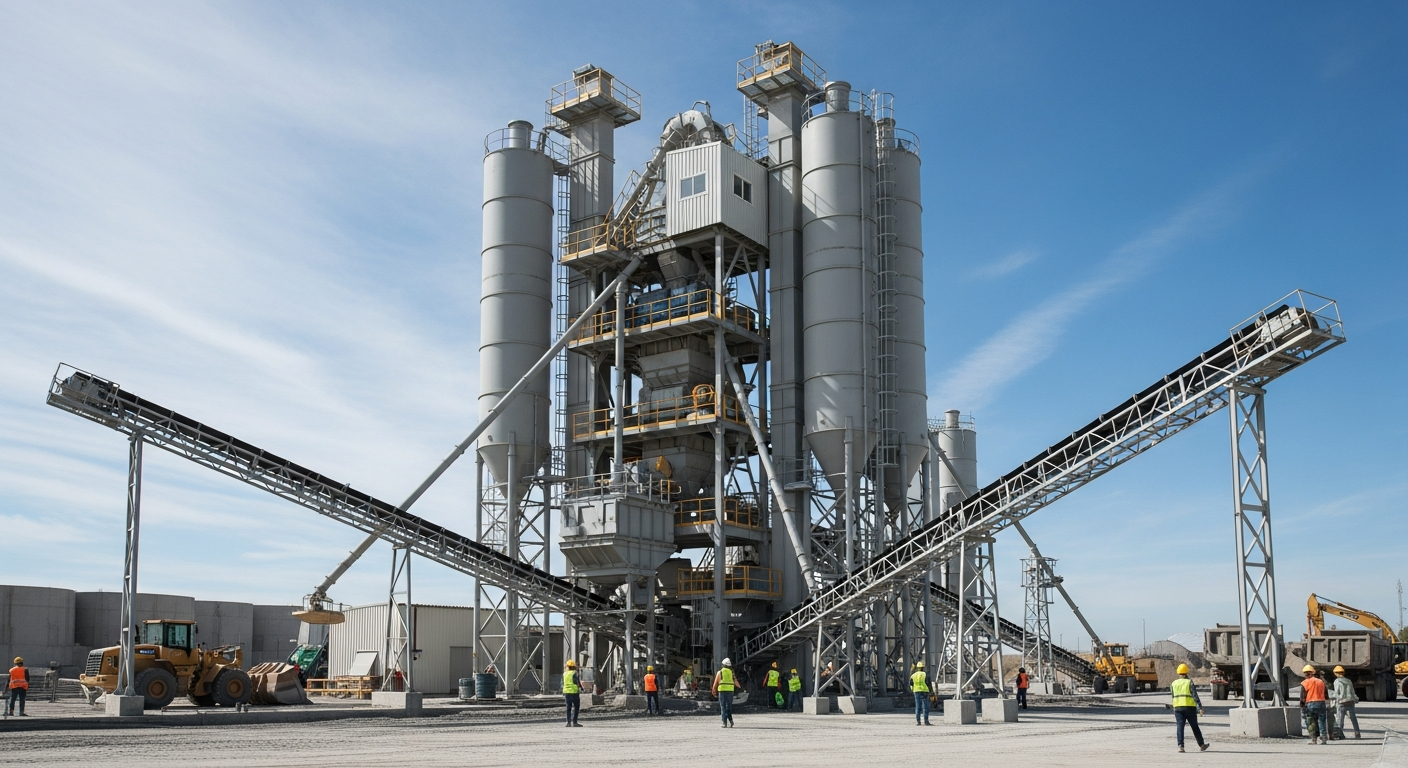
Breaking the Illusion of Control Over Confidence in Construction Safety
In the fast-paced world of construction, there's a pervasive myth that experience and routine can fully shield workers from accidents. However, this overconfidence often leads to complacency, where safety protocols are ignored or underestimated. Surprisingly, many accidents occur not because of unforeseen hazards, but because of a sense of invincibility that develops over time, convincing workers they're immune to typical risks. This misconception undermines the importance of continuous safety training and adherence to protocols, especially around complex machinery like mixers and batching equipment. Modern construction has shown us that even seasoned professionals can fall victim to overconfidence, which makes safety investments and strict regulation essential. Furthermore, integrating advanced safety features like automated controls in ready-mix plants reduces the human error factor significantly. For instance, automated batching and real-time monitoring create a layer of safety that compensates for overconfidence, ensuring consistent compliance with safety standards and protecting workers from preventable accidents. The goal is to replace overconfidence with a culture of vigilance, where safety is prioritized through technology and ongoing education, not assumptions of immunity. This paradigm shift not only preserves lives but also ensures project timelines and budgets stay intact, demonstrating that humility and safety go hand in hand in modern construction.
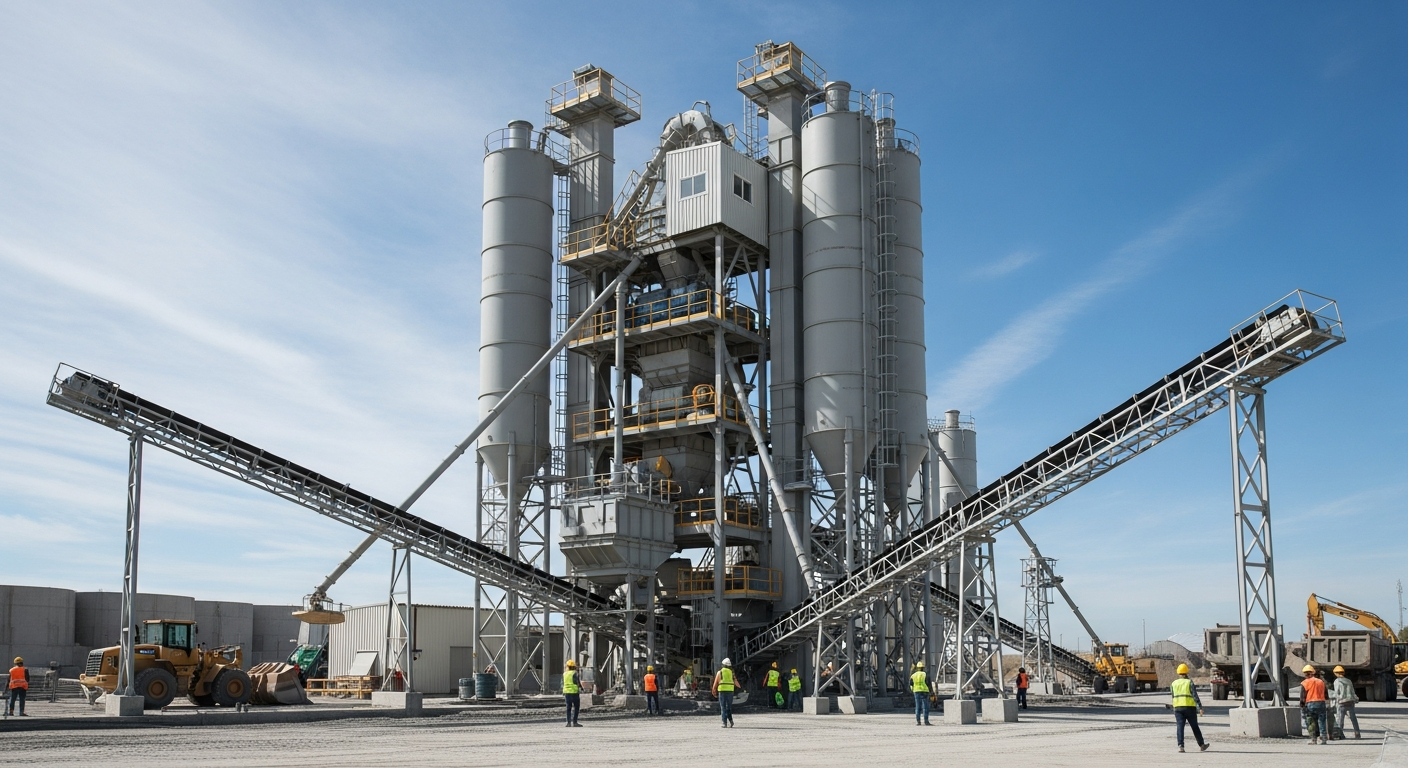
How Automation in Ready-Mix Plants Acts as a Safety Buffer
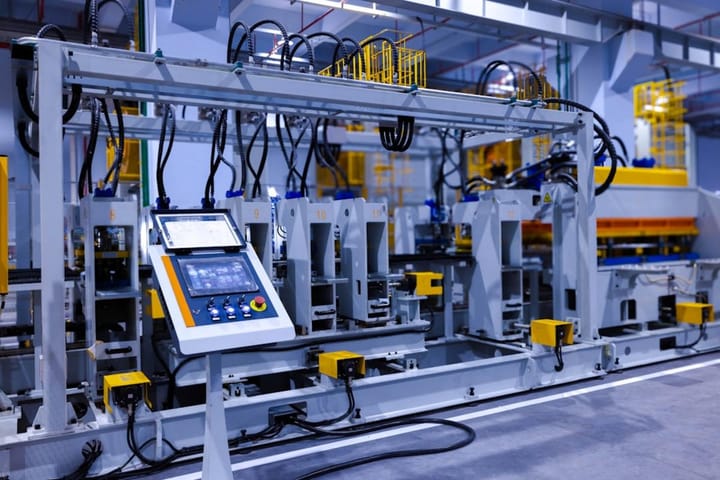
One of the most effective countermeasures against the peril of overconfidence is the adoption of automation in ready-mix plants. Automated batching systems and safety interlocks drastically reduce manual intervention, which is often where overconfidence manifests into dangerous shortcuts or neglect of safety procedures. These systems ensure precise measurement of ingredients, consistent mixing quality, and real-time alerts for potential issues, effectively reducing the risk of human error and accidents. For example, modern plants incorporate safety protocols such as automatic shutdowns if irregularities are detected, making it impossible for operators to bypass safety measures. This reliance on technology shifts the safety responsibility from individual workers to robust systems designed with fail-safes, ensuring continuous compliance even when personnel become complacent. Besides protecting workers, automation also helps prevent waste and material mishaps, resulting in cost savings and project timelines being maintained more strictly. The combination of high-tech safety features and rigorous standards is transforming construction sites from risky environments into controlled spaces where injury risk is minimized—turning the myth of invulnerability into an evidence-based culture of caution.
Beyond Technology: Cultivating a Mindset of Constant Vigilance
While automation fortifies safety, cultivating a safety-first mindset remains essential in combating overconfidence. Regular training sessions, safety audits, and open communication emphasize that complacency is the real enemy. Managers and workers must recognize that even the most advanced safety systems are only part of the solution; human vigilance is irreplaceable. Promoting a culture where safety concerns are addressed promptly, and every team member understands their responsibility reduces the likelihood of accidents triggered by overconfidence. In this context, ready-mix plants with integrated safety protocols serve not only as technological safeguards but also as a platform for ongoing safety education. They act as constant reminders that safety is a shared value, not a one-time checklist. This culture of continuous vigilance is what ultimately diminishes the false sense of security that overconfidence breeds, ensuring that safety remains an active rather than passive effort, and fostering a construction environment where everyone goes home safe.
Comments ()