The Iowa plant is shredding thousands of tons of wind turbine blades into concrete fiber, but nobody has checked if it survives
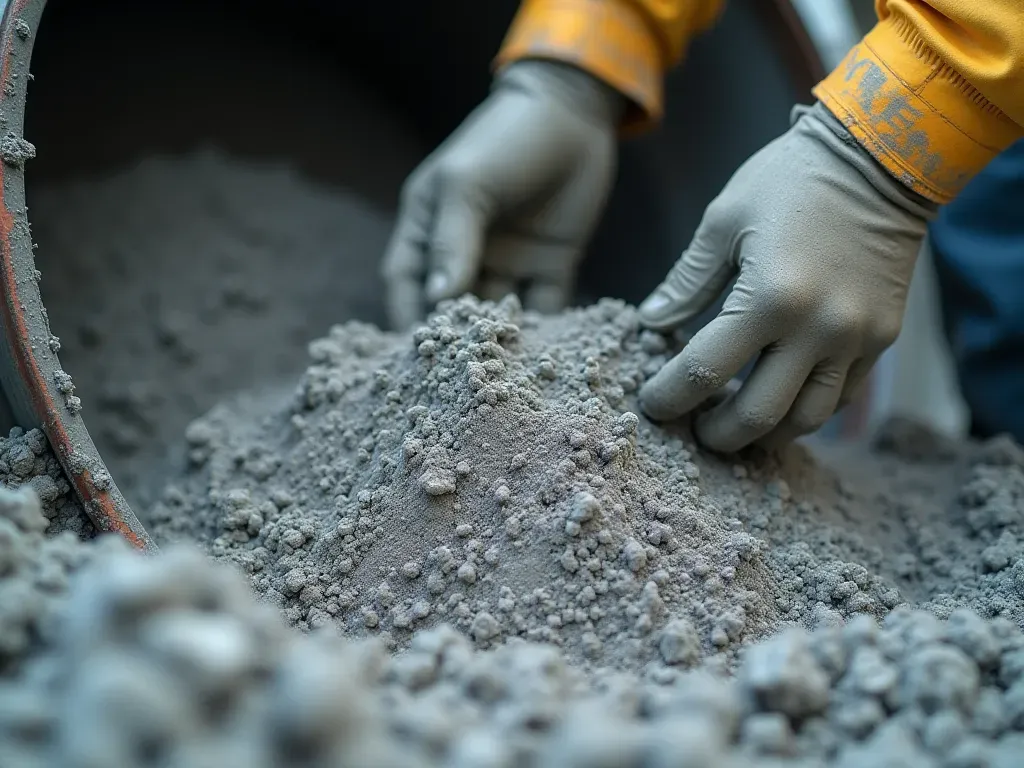
The silent chemical battle inside every batch of recycled concrete
Here's the thing that keeps me up at night. We are pouring tons of shredded wind turbine blades into our infrastructure. But nobody has proven it will last.
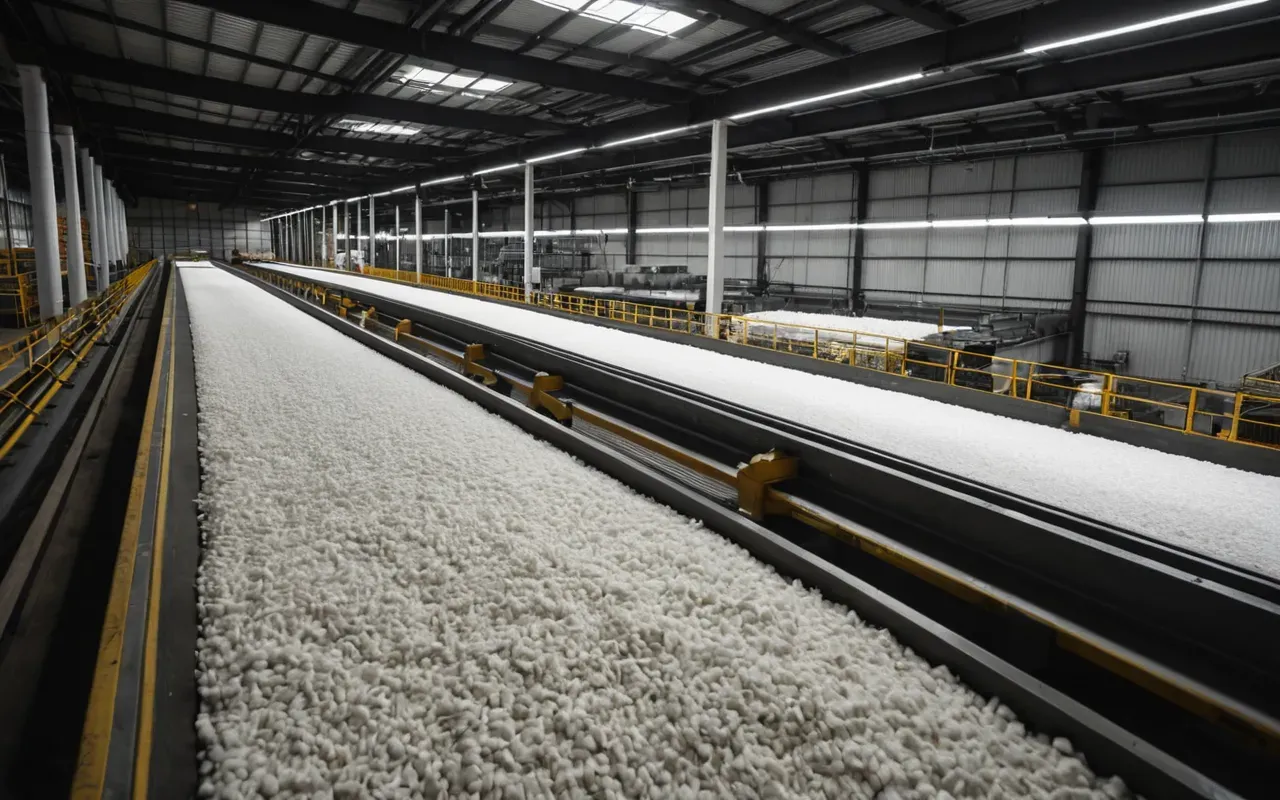
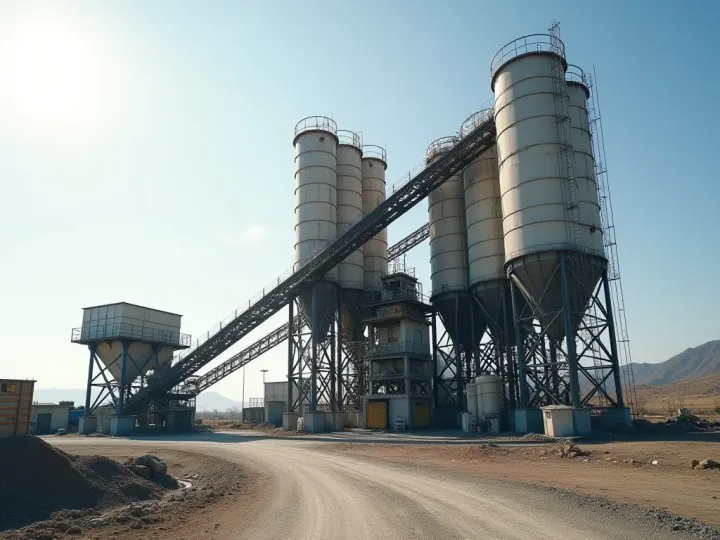
The plant in eastern Iowa is a marvel of logistics. It opened in and churns out thirty thousand tons annually.
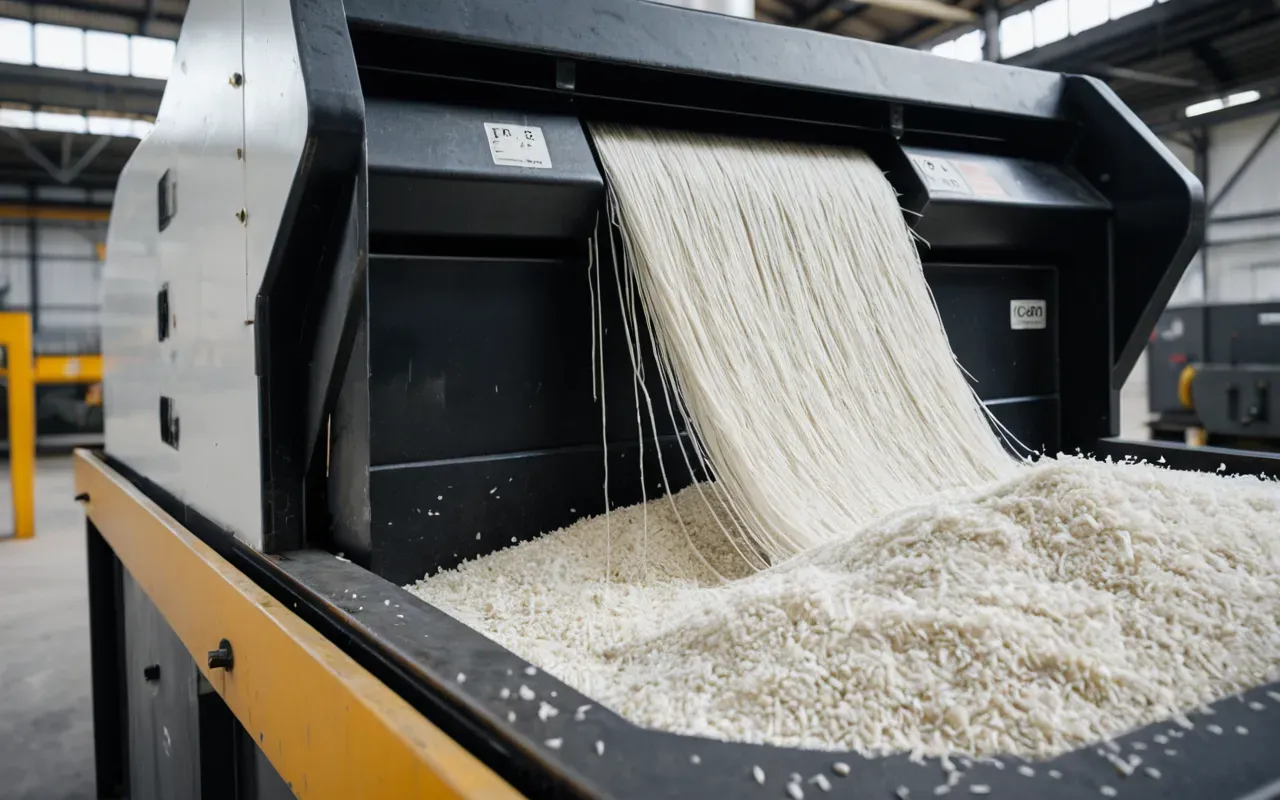
The process is purely mechanical. No fire, no solvents, just steel teeth chewing through composite laminate.
And the fiber goes straight into ready mix concrete. That is where my skepticism kicks in.
Why ordinary glass fails in alkaline environments so quickly
Cement is not a passive medium. When it hydrates the pore water hits a pH of twelve point five.
That is a hostile environment for standard structural glass. Hydroxyl ions attack the silicon oxygen bonds directly.
The strength lives on the surface of each filament. Etch it slightly and you lose most of its load capacity.
Look at the industry standard for concrete reinforcement. It uses zirconia enriched glass to survive this attack.
Wind blades use a different grade. They are built for air and stiffness, not for lime water.
The specific chemical mismatch between two types of glass
One was designed to fly. The other was engineered to endure corrosion in concrete.
How hydroxyl ions break down the silicate network over time
The damage is invisible to the naked eye. The fiber looks intact but it has stopped working.
This is a slow decay process that no short term test can catch. It takes years to manifest.
The Iowa facility is a logistics marvel with hidden chemical risks
Let us talk about the scale. Thirty thousand tons is a massive volume of material moving through the system.
The parent company controls the rail lines. That is why the economics work for this remote location.
Mechanical shredding wins on energy cost. Thermal processes are expensive and emit carbon dioxide.
Why mechanical processing is preferred over thermal methods for composites
Pyrolysis ovens are common but they destroy the fiber structure. Shredding preserves it.
But preserving structure is not the same as guaranteeing chemical stability in a new host material.
The missing data that could change how we use recycled fiber forever
There is no published long term alkali immersion data for this specific product. That is the gap.
The company has patents pending so details are held back. But we need independent verification now.
If this fiber is just a filler the risk is lower. If it acts as reinforcement the stakes are high.
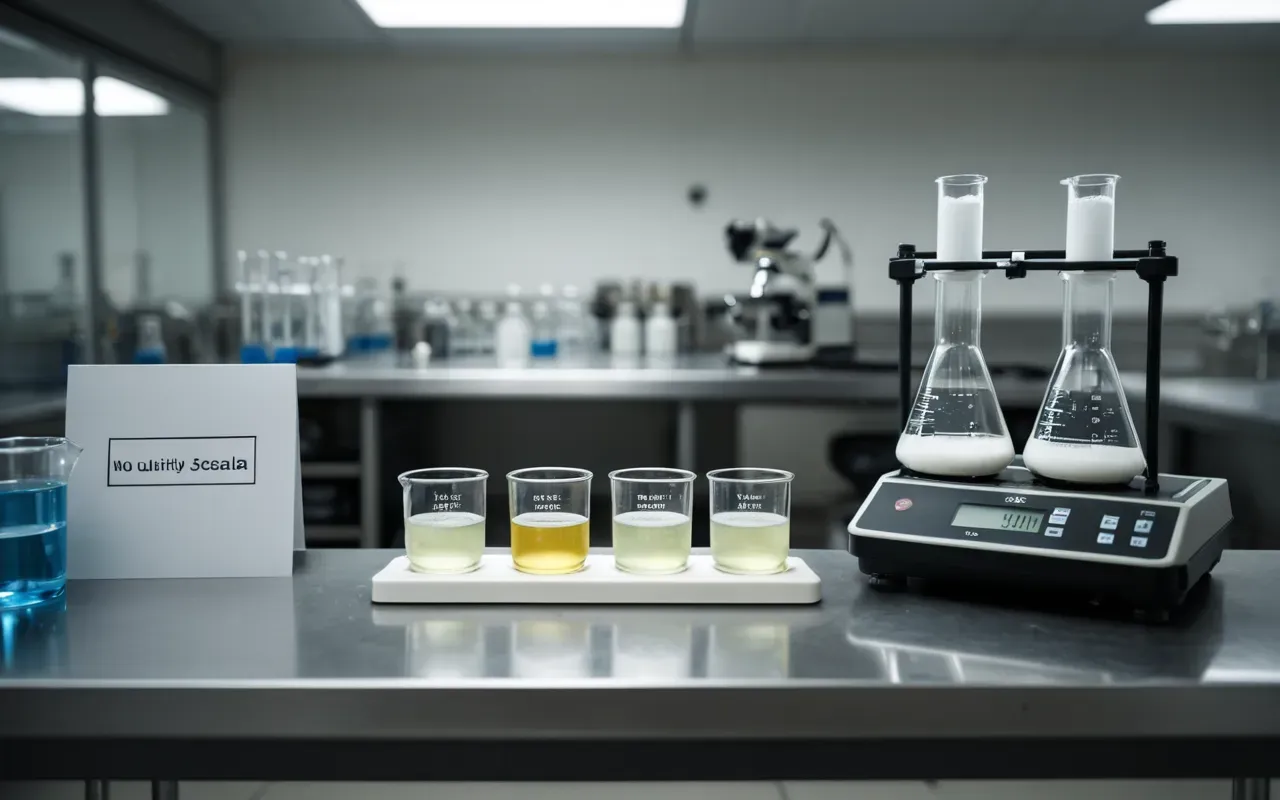
What accelerated immersion tests would actually prove about strength retention
We need to measure tensile strength after months of exposure in simulated pore water.
That is the only way to know if we are building a pavement that lasts or one that fails in ten years.
The practical implications for construction professionals and suppliers today
If you are specifying concrete mixes with this fiber be careful. Ask for the alkali resistance grade.
Do not assume recycled equals reinforced. These are two different claims with different risks.
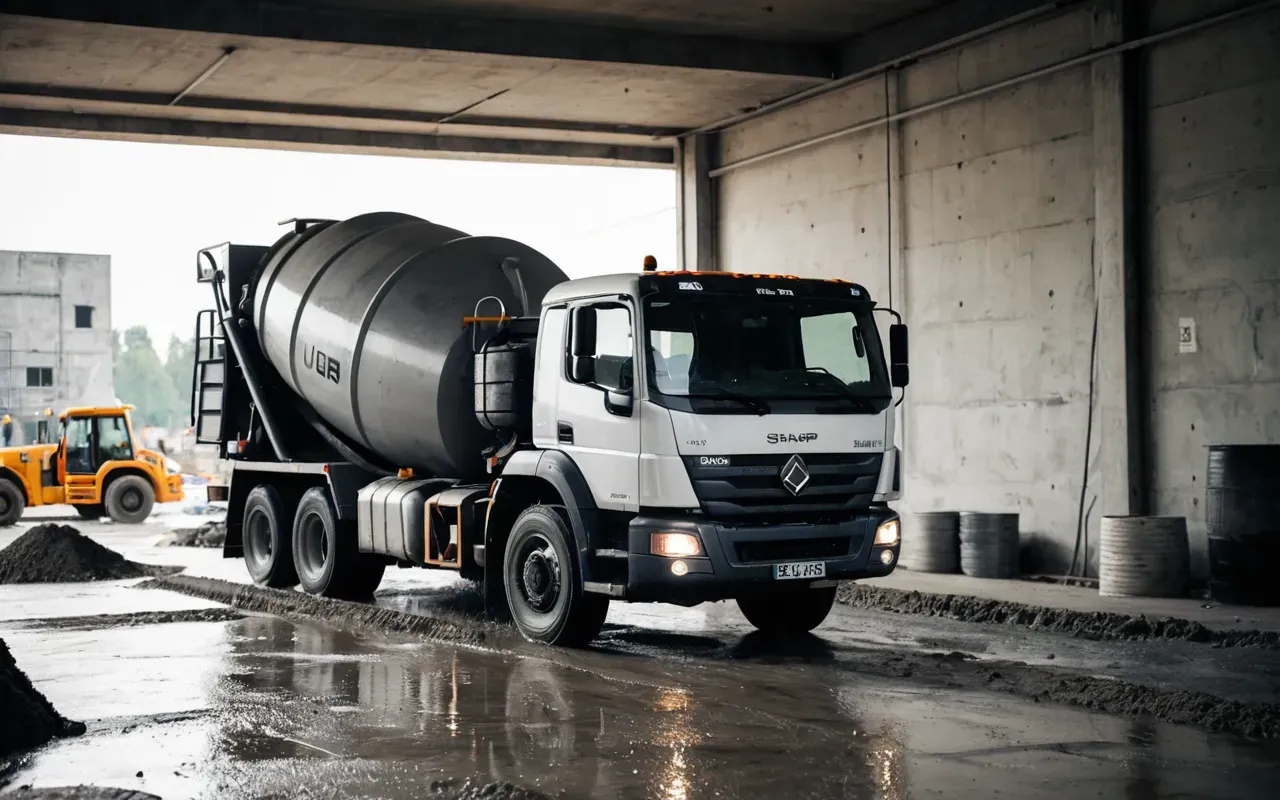
The alternative is still landfills. But we need to get this right before the first failure.
I have seen what happens when material science is rushed. The data must come before the scale.

Comments ()