The Ready Mix Plant Near Me Trap That Bleeds Construction Budgets Dry
The Myth of the Closest Pour
You pull out your phone on a job site. You type "ready mix plant near me" into the search bar. A map pops up with a cluster of red pins. You tap the one closest to your coordinates. Congratulations. You just made the most expensive mistake of your career. I'm not joking. I've watched general contractors bleed thousands because they prioritized mileage over mechanics.
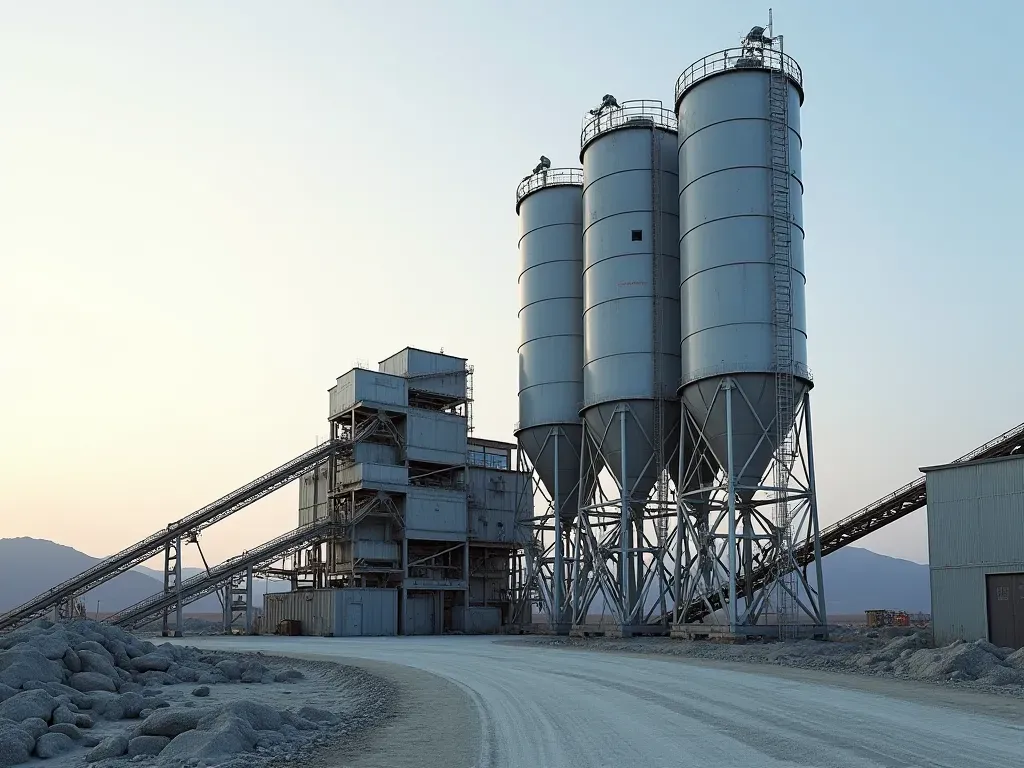
Distance is a lie. Capability is king. Let me tell you about a pour in Cleveland last summer. The closest plant was four miles away. Perfect, right? Wrong. That plant ran a manual batch system from the nineties. The aggregate gradation shifted by noon. The concrete set in the drum. We lost a slab. The alternative plant? Twelve miles out. Fully automated. Computer-controlled water-to-cement ratio. They delivered perfect mix every single time. The truck driver didn't even break a sweat.
This isn't just bad luck. It's a systemic blind spot. Most project managers think logistics are about time. They aren't. Logistics in concrete are about variance control. When you choose a supplier based on a map, you're gambling with structural integrity and your budget. I've seen projects delay by three days because the "near me" plant couldn't handle the admixture injection required for a high-strength pour. The truck sat at the gate. The crew stood around. The pour window closed. And all because someone tapped the closest pin.
Why Your GPS Is Lying to You About Concrete Quality
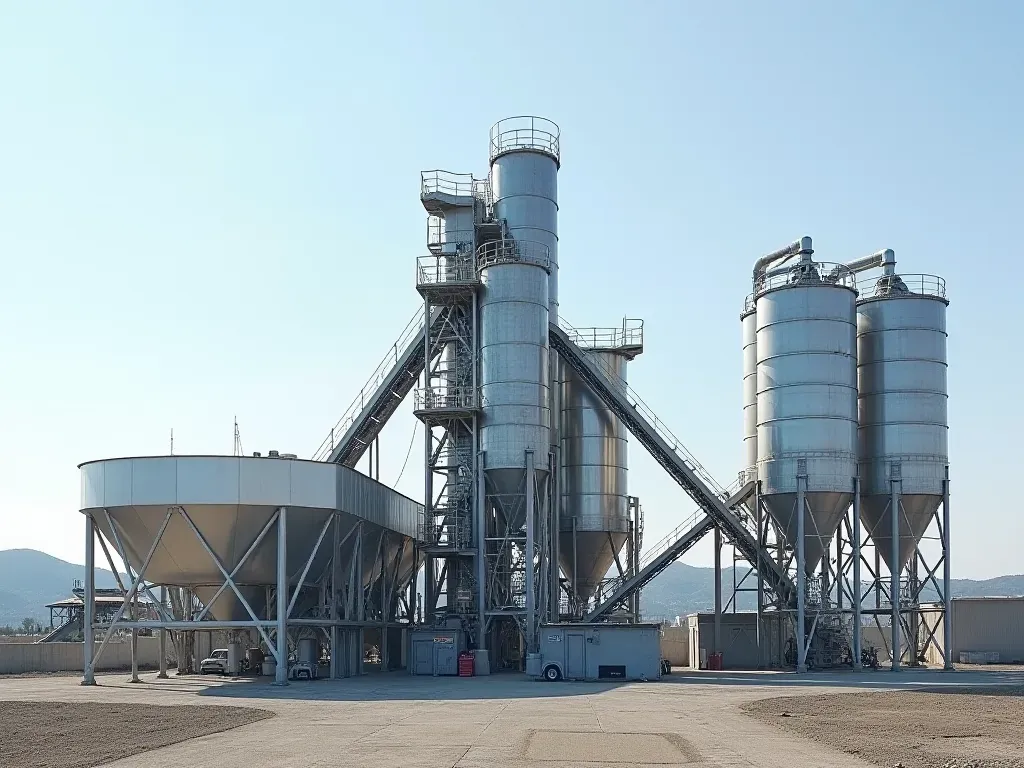
Maps don't show automation. Maps don't show calibration. Maps don't tell you if the weigh hoppers are drifting by two percent. I remember visiting a plant in Georgia during a site audit. The owner was proud of their location. "We're right off the interstate," he bragged. I looked at their control room. It had a dials-only interface. No digital logging. No real-time variance alerts. No PLC system to auto-correct the aggregate weights. That plant was a ticking time bomb.
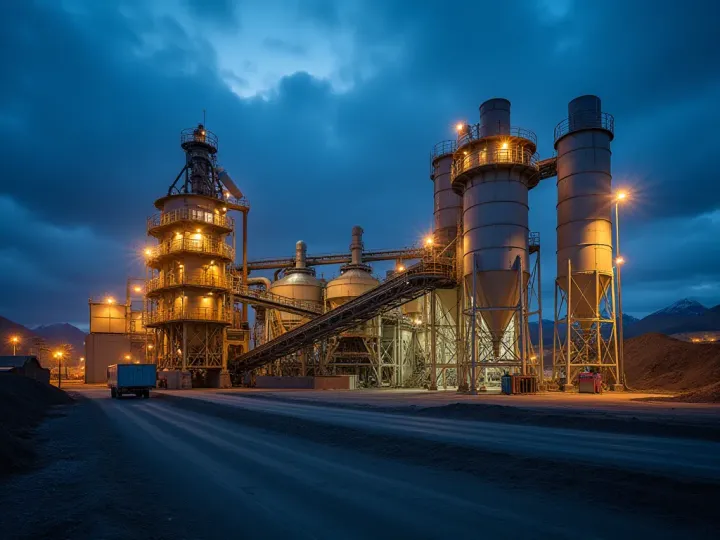
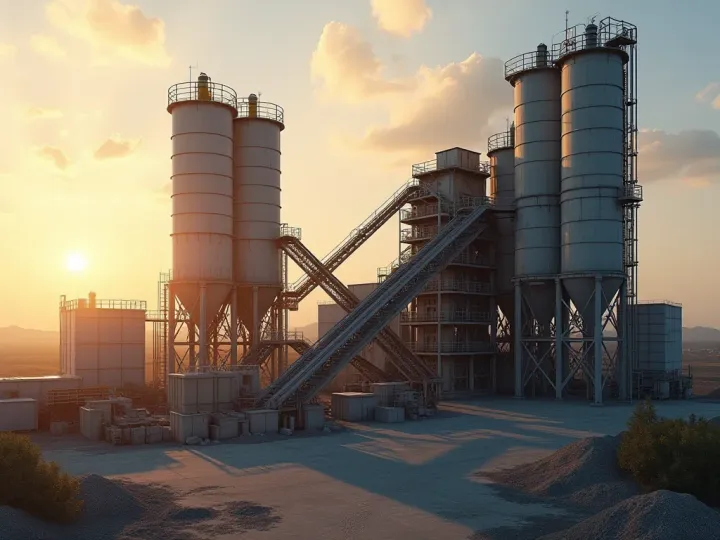
Here's the thing. Modern batching plants use Programmable Logic Controllers to manage every gram of material. The system weighs the aggregate, checks the cement silo pressure, injects water with milliliter precision, and adds admixtures based on slump sensors. If the aggregate moisture shifts, the system compensates instantly. A manual plant? The operator has to guess. The operator has to adjust. The operator makes a mistake. And that mistake ends up in your foundation.
We tracked a data set from a commercial high-rise project in Chicago. They switched from a local manual plant to an automated facility thirty miles away. The variance in compressive strength dropped by forty percent. The number of failed slump tests went to zero. Yes, the truck travel time increased by eight minutes. But the pour consistency improved so dramatically that the finishing crew worked faster. They saved two days on the structural timeline. That's the hidden math. Automation pays for the extra mileage.
The Automation Gap in Local Suppliers
Not every plant has upgraded. Many small operators run legacy equipment because the capital expense is high. They cut corners. They rely on "experienced" operators who might call in sick on the day you need a critical pour. When you search for a supplier, you need to look past the address. You need to ask about their control systems. Do they use SCADA interfaces? Do they generate digital batch tickets with full audit trails? If they can't produce a digital log of the mix design used for your load, run the other way.
I always tell my peers to read about the hidden truths about ready-mix operations before signing a contract. You won't find the real issues on their homepage. You find them in the specs. You find them when you ask the hard questions about calibration frequency and sensor redundancy. A plant that hides its technical details is hiding something. Usually, it's a lack of precision.
Decoding Plant Specs Beyond the Zip Code
Let's talk specs. When I evaluate a plant, I don't look at the map first. I look at the weigh hopper capacity and the scale accuracy. Industry standards require aggregate weighing accuracy within plus or minus two percent. Cement needs to be within one percent. Water and admixtures must be tighter. If a plant can't guarantee those tolerances, their concrete is a lottery ticket. You might get a perfect batch. Or you might get a batch that's too wet and weak. The risk isn't worth it.
Look at the silo management. Cement hydration is a silent killer. If a plant stores cement for too long without rotation, the material degrades. Temperature spikes in the silo can cause premature setting. A top-tier plant uses First-In-First-Out inventory protocols and temperature monitoring. They know the age of every bag of cement in the hopper. A "near me" plant with poor inventory management might serve you degraded cement. Your mix will suffer. You won't know until the cubes are tested weeks later.
Admixture injection is another critical spec. Modern construction relies on superplasticizers, retarders, and accelerators. These chemicals must be injected with surgical precision. A dosage error of five percent can ruin a pour. Automated plants use peristaltic pumps with flow meters to ensure exact delivery. Manual plants use buckets. I'm serious. I've seen operators pour admixtures by volume estimation. That's negligence. When you specify a complex mix design, you need a plant with injection systems that match the complexity. Don't trust your pour to a bucket.
The Hidden Cost of Convenient Logistics
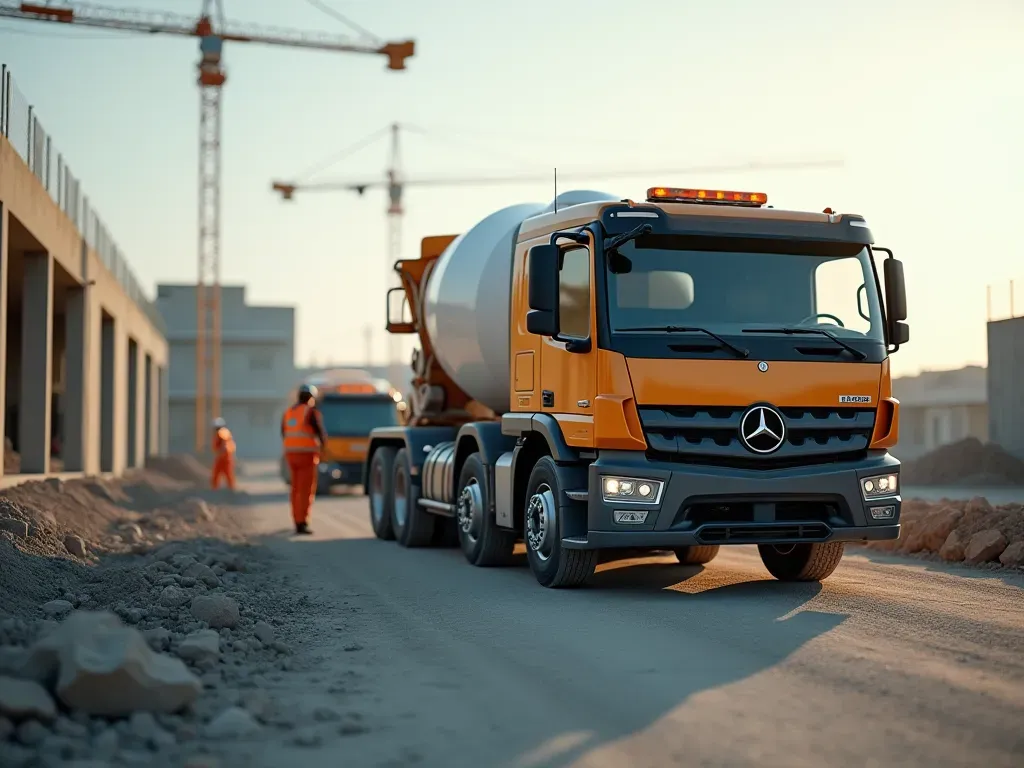
Everyone thinks a closer plant means fresher concrete. It doesn't. Transit time matters less than drum rotation and mix stability. A modern transit mixer maintains slump for over two hours if managed correctly. The real cost comes from fleet age. Older trucks have worn bearings. The drums don't seal well. Water leaks in during transport. The operator has to add water on site to compensate. That water ruins the water-to-cement ratio. You end up with weaker concrete. I've seen site supervisors add water because the truck was "hard to discharge." That's a failure of the fleet, not the mix.
Efficient plants use telemetry. They track drum rotation speeds. They monitor temperature. They alert dispatch if a truck is idling too long. This data ensures the concrete arrives in spec. A plant that lacks telemetry is flying blind. They don't know what's happening to your concrete once it leaves the gate. You need a supplier who treats the truck as an extension of the batch plant. The delivery chain is part of the quality control process. If the fleet isn't managed by data, the concrete isn't managed by data.
Waste reduction ties directly to precision. When batching is accurate, there's no need to over-order. You don't need to buy extra cubic yards as a buffer against variability. Automated plants deliver exactly what you ordered. Every time. This reduces waste on site. You avoid the nightmare of having to dispose of leftover concrete. Disposal fees are high. Environmental compliance is strict. A precise plant saves you money on material costs and waste management. The ROI on automation is huge. It's not just about quality. It's about the bottom line.
Safety Protocols That Don't Show Up on Maps
Safety is non-negotiable. And automation is the biggest safety feature a plant can have. Human error causes accidents. Manual loading of aggregates exposes workers to heavy machinery. Manual weighing introduces variability. Automated systems keep workers away from the danger zones. I've toured plants where the entire batch cycle runs with zero manual intervention during the cycle. The operator sits in a climate-controlled room monitoring screens. That's safety. That's efficiency. A plant requiring constant manual labor is a liability.
Dust control is another major factor. Concrete plants generate silica dust. This is a serious health hazard. Modern plants integrate dust suppression systems. They use spray misting in the aggregate bins. They have baghouse filters on the silos. They monitor air quality in real time. If a plant is dusty, their controls are failing. Bad dust control means regulatory fines. It means worker complaints. It means your project could face shutdowns if the plant gets inspected and cited. When you look at advanced safety integration in batching plants, you realize how much technology protects the workforce.
Compliance with industry standards is your shield. Look for ISO 9001 certification. Check for local environmental permits. Verify their OSHA records. A reliable supplier will hand you their safety data sheets without hesitation. They'll show you their calibration certificates. They'll invite you to see their safety protocols in action. If they're secretive, that's a red flag. You need a partner who values safety as much as you do. Because when safety fails, the whole project stops.
When Near Me Meets Supply Chain Reality
Supply chains are fragile. A "near me" plant might be close, but are they resilient? Do they have backup power? If the grid goes down, can they keep batching? Do they have redundant aggregate stockpiles? I watched a project in Texas stall because their local plant lost their primary aggregate source. A quarry closure upstream left them empty. They had to stop production for two weeks. The backup plant forty miles away had diversified sources. They kept pouring. The lesson? Proximity doesn't matter if the supply chain breaks. You need a supplier with depth.
Seasonal demands test suppliers too. In August, heat spikes increase demand. Concrete sets faster. Plants struggle to keep up. A robust plant has high capacity and efficient dispatch. They can handle the surge without sacrificing quality. A small local plant might get overwhelmed. They'll rush batches. They'll compromise. You end up with hot concrete. You end up with cracking. Choose a supplier with the capacity to absorb volatility. Check their peak production rates. Ask how they handle summer surges. Their answer will tell you a lot.

Evaluating Suppliers Like a Pro
So how do you vet a supplier? Stop looking at the map. Start asking questions. First, request a plant audit report. Reputable suppliers undergo regular audits. They know their specs. Second, ask for references from similar projects. If you're building a high-rise, ask if they've supplied other high-rises. Talk to those project managers. Ask about consistency. Ask about problem resolution. Third, visit the plant. Yes, actually go there. Walk the floor. Look at the cleanliness. Look at the maintenance. A well-maintained plant produces better concrete. Rusty conveyors and leaking hoses tell a story.
Check their communication protocols. How fast do they respond? Do they have a dedicated dispatch for large accounts? When a pour is happening, you need a direct line. I've seen projects fail because dispatch was overwhelmed. The truck was dispatched to the wrong site. The mix design was entered incorrectly. Communication breakdowns are expensive. A professional supplier has clear channels. They use digital order systems. They confirm details before the truck leaves. They treat your project with urgency and precision.
The Critical Questions You Must Ask
What is your batch accuracy tolerance? How often do you calibrate your weigh systems? Do you have digital batch tickets with full audit trails? What is your backup power strategy? How do you manage aggregate moisture variance? Can you provide compressive strength data from recent similar projects? Do you use automated admixture injection? What is your fleet age and maintenance schedule? How do you handle dust suppression? These questions separate the pros from the amateurs. If they hesitate, you have your answer.
I always emphasize that due diligence pays off. We analyzed a major bridge project where critical failures during concrete placement nearly derailed the timeline. The investigation revealed the supplier lacked proper quality controls. They didn't track variance. They didn't calibrate. The contractor assumed "close enough" was fine. It wasn't. The remediation cost six figures. Don't let that be you. Ask the questions. Demand the data. Protect your project.
Sustainability and Waste Reduction in 2026
Sustainability is no longer optional. Clients demand green concrete. Investors require carbon reporting. A modern plant supports these goals. They use recycled water systems. They capture wash water from trucks and reuse it in batching. This conserves resources. It reduces wastewater discharge. They offer low-carbon cement blends. They optimize mix designs to reduce cement content without sacrificing strength. When you partner with a forward-thinking plant, you boost your project's sustainability credentials. It's a win for the environment and your reputation.
Waste reduction is part of sustainability. Precise batching means less overproduction. Efficient logistics mean fewer rejected loads. A plant that delivers accurate mix every time reduces the need for remediation. You avoid patching. You avoid demolition of failed elements. This saves materials. It saves energy. It saves money. Investing in a durable, efficient ready-mix plant is a strategic decision. It supports long-term project success. It aligns with the industry's shift toward smarter, cleaner construction practices.
The Verdict on Proximity Searches
Stop using "ready mix plant near me" as your primary filter. It's a trap. Proximity is irrelevant if the plant lacks automation, safety, and reliability. You need a partner who delivers precision. You need a supplier who invests in technology. You need a team that understands your specs. The extra miles to a superior plant will save you time, money, and headaches. Your project deserves better than a gamble. Choose capability. Choose quality. Choose the plant that earns your trust, not just your coordinates.
The construction industry is evolving. Advanced solutions are driving efficiency. The demand for high-performance concrete is growing. Your supplier must keep up. Don't settle for legacy operations. Push for modern standards. Evaluate specs. Demand data. Build relationships with suppliers who share your commitment to excellence. When you get this right, the results speak for themselves. Smooth pours. On-time delivery. Flawless quality. That's the real value. That's the foundation of success.
Frequently Asked Questions
Why is automation more important than distance in concrete supply?
Automation ensures precise weighing, consistent mix quality, and real-time variance control. A closer manual plant risks batch errors, material waste, and structural defects. Automated systems compensate for moisture shifts and maintain strict tolerances. This reliability prevents costly delays and remediation. The efficiency gains far outweigh minor travel time differences. Quality consistency protects the project timeline and budget better than proximity ever could.
How can I verify a ready-mix plant's safety standards?
Request OSHA records, ISO 9001 certification, and environmental compliance permits. Ask about dust suppression systems and worker protection protocols. Visit the facility to observe operations firsthand. Check for clear safety signage and equipment maintenance logs. A transparent supplier will provide audit reports and explain their safety culture. They should demonstrate how automation reduces manual handling risks. Never rely solely on verbal assurances.
What questions should I ask before selecting a supplier?
Ask about their batch accuracy tolerances. Ask how often they calibrate their equipment. Then dig into digital batch ticketing and audit trails — if they hesitate, that tells you something. Request references from past projects that look like yours, not just their flashiest builds. Verify their backup power capabilities and whether their aggregate sourcing is genuinely diverse or a single point of failure. Check fleet age and whether they actually use telemetry or just own the hardware. Confirm their protocols for mix design changes mid-pour. And honestly, evaluate response time and communication channels before you sign anything. These details reveal operational maturity and reliability in ways a brochure never will.
Does a closer plant always mean fresher concrete?
No. Concrete freshness depends on drum rotation, mix stability, and transport management. Modern transit mixers hold slump for extended periods — but that's only true if the trucks are maintained. A closer plant with poor fleet maintenance can deliver degraded concrete from water leakage or improper mixing. Telemetry and data tracking ensure quality during transit, but only if the supplier actually uses them. So focus on supplier logistics management rather than simple distance. Reliable dispatch and truck condition matter more than mileage. Every time.
How do modern plants reduce construction waste?
Precise batching eliminates over-ordering and rejected loads. Automated systems deliver exact mix specifications, which cuts the need for remediation — and remediation is where costs spiral. Plants using recycled water and low-carbon blends lower environmental impact, and that's not just greenwashing; it's measurable. Efficient logistics minimize leftover concrete on site, and accurate delivery prevents disposal fees and material loss. Investing in high-efficiency suppliers supports sustainability goals and cuts overall project costs significantly. Worth the extra due diligence.
Comments ()