The demolition that proves your concrete plant is one complaint away from closure
The Morning They Came for the Plant
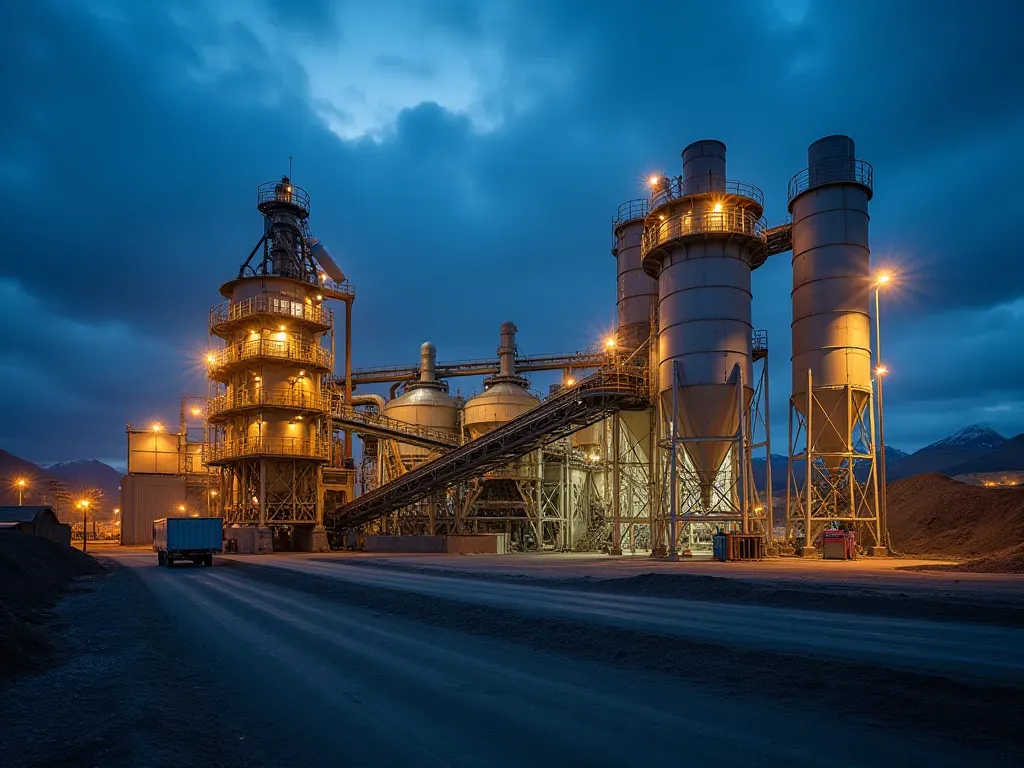
It was a standard Tuesday morning in Nawada. Wet cement and diesel exhaust in the air. Workers were finishing breakfast near the mixer drums when the heavy machinery rolled in. Within hours, the SK RMC plant was gone.
That wasn't an inspection. That was a wipeout. The Municipal Corporation of Manesar brought in heavy equipment under police protection and crushed everything in its path — machinery, structures, all of it.
I've watched plenty of construction sites get shut down for safety violations. This kind of aggressive demolition? Rare. And it sends one hell of a message to every operator reading this right now.
Why This Demolition Matters More Than You Think
The joint commissioner didn't mince words. Carrying out commercial activities illegally, he said, is a serious legal offense. So the plant operator is now looking at both a flattened site and criminal charges.
Here's the thing most small operators miss. They figure a local permit covers them. It doesn't. This case proves that missing even one document from a higher authority can collapse your entire business model overnight.
The corporation has now ordered every RMC operator in the area to submit valid licenses immediately — including permissions from the state pollution control board and other required documents.

The Hidden Regulatory Trap in Your Operation
Most operators obsess over production speed and mix quality. Fair enough, that's smart business sense. But they neglect the paper trail that actually keeps their doors open.
The Nawada incident exposes one specific gap. These operators had ignored earlier directions to shut down during previous attempts at regulation. That refusal is probably what escalated things from a fine to full demolition.
What Documents Actually Save Your Business
A local trade license isn't enough. You need valid state pollution control board permissions — the documents that prove you're managing waste and emissions within legal limits.
Without those approvals, your whole operation is exposed. One neighbor complaint. One audit. That's all it takes to trigger this kind of enforcement.
Wondering how to keep your business safe from that risk? It helps to understand the full scope of regulatory expectations before you expand. See how a single complaint can trigger this exact regulatory trap in your region.
The Cost of Ignoring Compliance Signals
Demolition is expensive. The legal fees that follow are worse. The corporation has already initiated legal action against the operator of the crushed plant.
And this isn't just about losing equipment. It's a criminal record. That changes your ability to bid on future contracts and to get financing for new projects.
I've talked to several plant managers who underestimated this risk. They assumed they could fix the paperwork later. The heavy machinery didn't wait for them.
The Financial Shockwave of Sudden Closure
When a plant shuts down suddenly, the financial hit is immediate. Daily revenue vanishes. Then the penalties for unpermitted operations pile on top.
Your employees are stranded. Raw material inventory sits useless in the yard. The truck fleet just idles while you fight the legal system.
The real cost of a shutdown like this is usually hidden in the first year after the incident. To understand those deeper financial impacts better, read about the real costs hiding in your first year of operation.
How to Protect Your Ready Mix Plant Now
So start with a full audit of your documentation. Check every license and permission against current local regulations.
Verify your pollution control permits are active and up to date. An expired document is the same as no document at all in the eyes of enforcement officers.
Keep a dedicated file for these papers. And make sure your site manager can produce them within minutes if inspectors show up without warning.
Building a Resilient Compliance Culture
Compliance isn't just a legal requirement. It's a business strategy that protects your assets and your reputation.
Train your staff on what to do when enforcement officers arrive. No arguing. No hiding documents. Cooperate, and walk the inspectors straight to the file.
That proactive approach builds trust with local authorities. It shows you're a serious operator who respects the rules of the game.
The Bigger Picture for Construction Operators
Regulations are tightening everywhere. Municipalities are getting smarter about monitoring industrial activity in their zones.
The days of operating on the edge are ending. The Nawada demolition is a preview of what's coming for non-compliant operators.
You have two choices. Fix your paperwork now and sleep well at night. Or wait for the heavy machinery to arrive.
Final Thoughts on Plant Safety and Security
A ready-mix plant is a significant investment. Protecting it takes more than good concrete mixing skills.
It demands a deep understanding of the legal landscape. Stay informed. Stay compliant.
If you want to ensure your operation is fully protected against these risks, consider reviewing the three questions that will save you from a bad situation with suppliers and regulators.
Comments ()