The Real Cost of Searching for a Ready Mix Plant Near Me
The Distance Trap That Bleeds Your Budget Dry
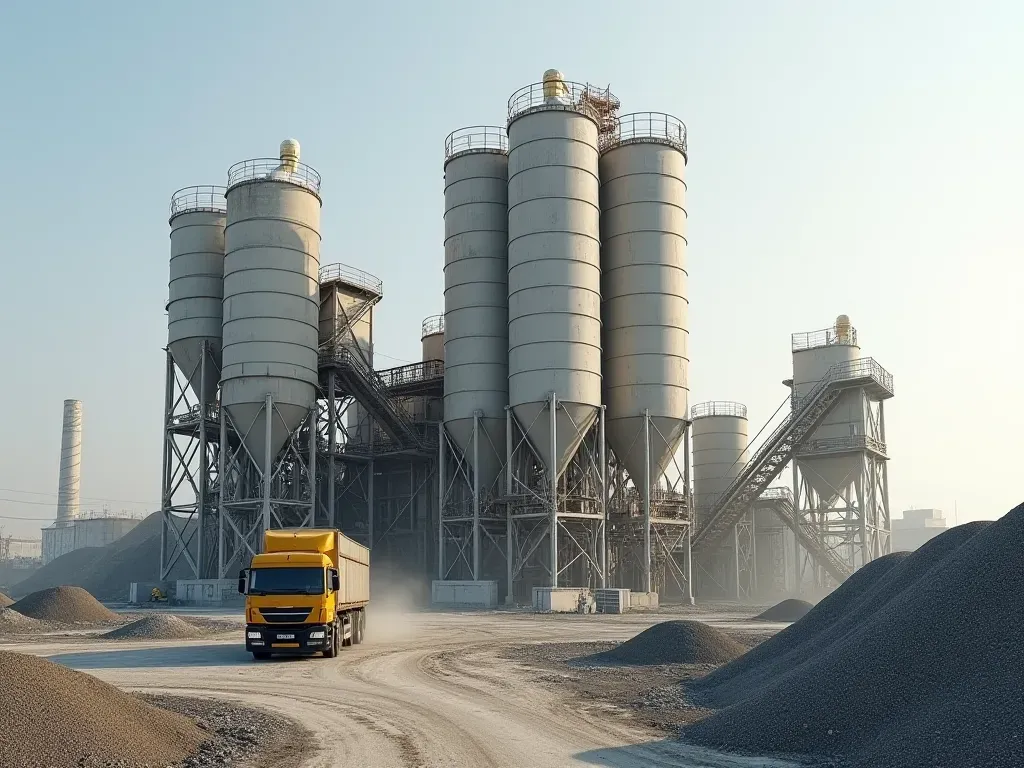
You typed "ready mix plant near me" into your search bar. It felt logical. Proximity means faster delivery and less fuel cost for the truck. But here is what most project managers miss. The closest supplier often has the oldest equipment.
I have watched this play out on dozens of sites. The local plant two miles away uses a mixer from the nineties. It is slow and inconsistent. You end up paying for overtime because their trucks arrive late or the mix strength fails inspection.
This is a classic case of optimizing for one variable while ignoring the rest. You saved on transport but lost money on labor and rework. That specific combination often costs more than shipping from a plant fifty miles away.
Why Proximity Is a Terrible Metric for Quality
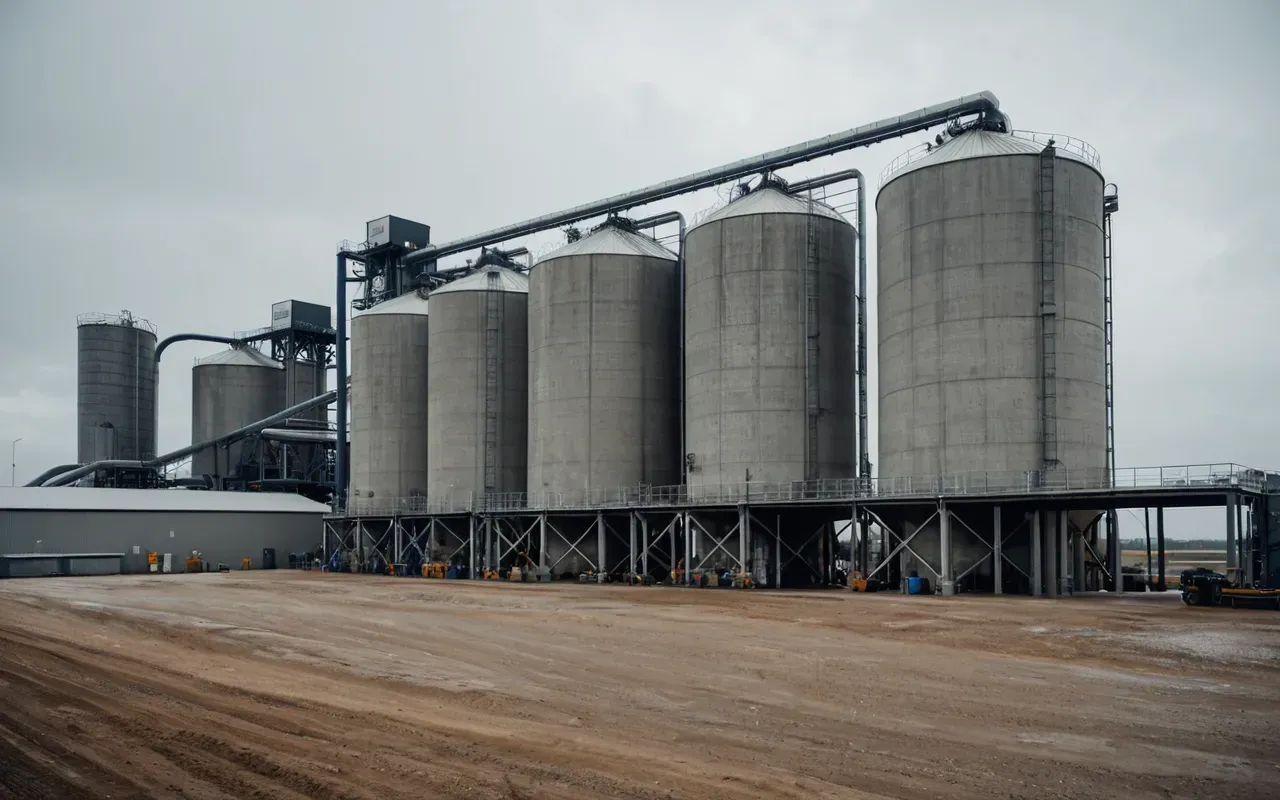
Let’s get specific. A plant in a dense urban area often has space constraints. They cannot expand their storage or upgrade to larger mixers. This limits their capacity and forces them into rushed production cycles.
I spoke with a structural engineer last month who told me his biggest headache was not the distance. It was the variability in slump and air content from a nearby supplier. They were using manual batching processes that lacked precision.
Modern plants use computerized systems to control every gram of water and cement. This consistency is non-negotiable for high-rise structures or bridges. If your local option cannot guarantee this spec, they are a liability.
The Hidden Economics of Automated Batching Systems
Automation is not just about speed. It reduces human error in the most critical phase of construction material production. One wrong decimal in water addition can ruin a entire pour.
We found that plants with full automation report a twenty percent reduction in material waste. They can adjust mixes on the fly based on ambient temperature and humidity. That adaptability is rare in older facilities.
Think about the labor costs. A fully automated system requires fewer operators on shift. This lowers overhead for the supplier and can translate to better pricing for you if they pass it on.
Safety Protocols You Should Demand from Any Supplier
Construction equipment carries inherent risks. Dust exposure and heavy machinery pose serious threats to workers. A reputable plant will have strict safety protocols in place for their staff.
But it also reflects on you. If a supplier cuts corners on safety for their employees, why would they prioritize quality in the concrete mix? Their operational culture tells you everything.
I always ask suppliers about their incident logs. Not just the big accidents but the near misses and minor repairs. This transparency signals a company that takes compliance seriously.
How to Evaluate Capacity and Output Speed Realistically
Do not just look at the nameplate capacity. Ask about their average daily output under real conditions. A plant rated for two hundred yards per hour might only achieve one hundred in practice.
Peak demand matters. If your project needs a massive pour during peak summer heat, can they keep up? Many smaller plants cannot handle the volume without compromising mix quality.
We recommend requesting a sample batch for testing before committing to the contract. This gives you hard data on their actual capabilities rather than relying on sales pitches.
The Truth About Local Suppliers and Hidden Fees
Local plants often have higher overheads due to land costs. They may offset this with small surcharges for additives or expedited delivery. These fees add up quickly over a large project.
I have seen invoices where the base concrete price looked competitive but the final bill was double due to service charges. Always request a line item breakdown before signing anything.
Compare the total cost of ownership including potential delays and rework. The cheapest option on paper is rarely the most economical choice in reality.
Choosing Equipment That Matches Your Project Scale
A small residential job does not need the same throughput as a commercial skyscraper. But it still needs consistent quality. Look for plants that can customize their batch recipes.
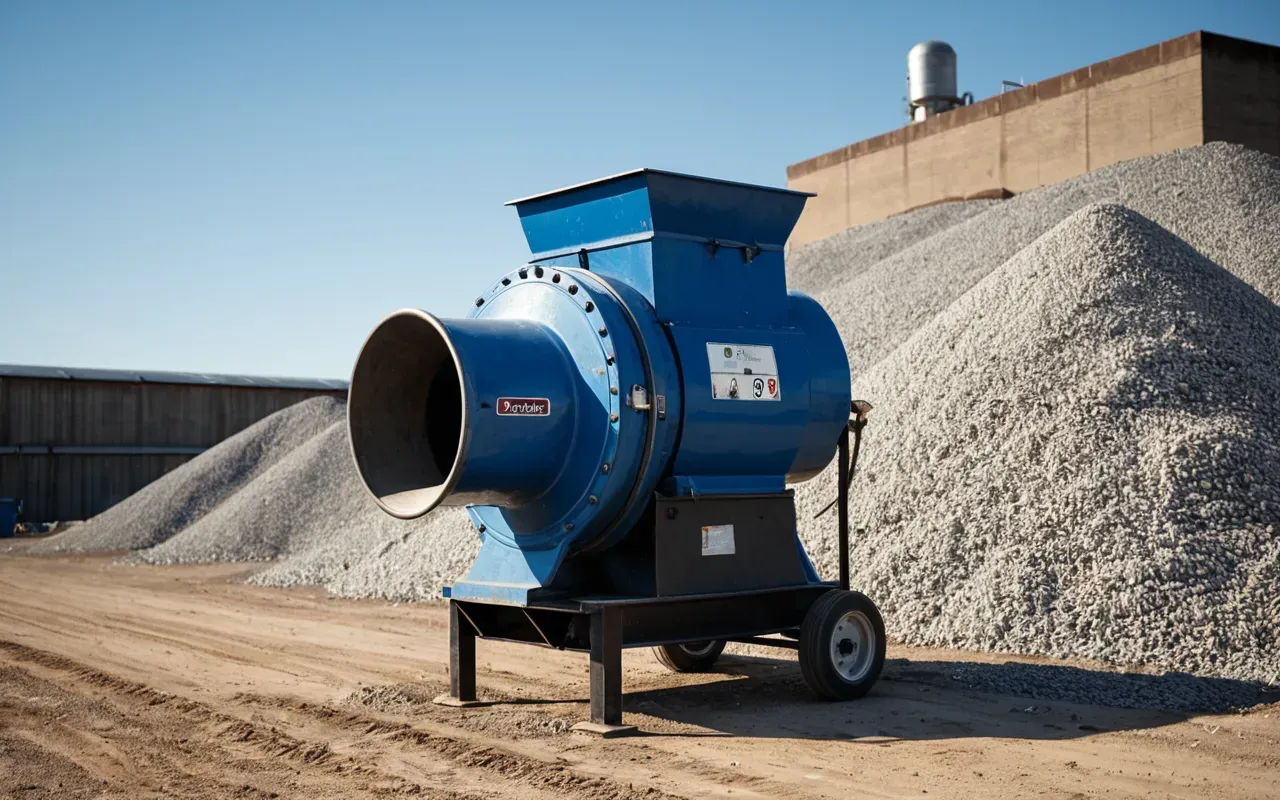
Some suppliers offer mobile batching units that can be deployed directly on your site. This eliminates transport time entirely and allows for precise control over the mix.
This option is ideal for remote locations where truck access is difficult. It also reduces the carbon footprint of your project by eliminating long hauls.
Common Mistakes to Avoid When Sourcing Concrete
One mistake is assuming that all cement grades are interchangeable. They are not. Using the wrong grade can lead to structural failures years later.
Another error is ignoring the supplier's track record. Ask for references from similar projects in your area. See how their concrete performed over time.
Do not skip the site inspection. Visit their facility if possible. See how they store materials and maintain their equipment. This gives you a real sense of their standards.
The Role of Technology in Modern Batching Plants
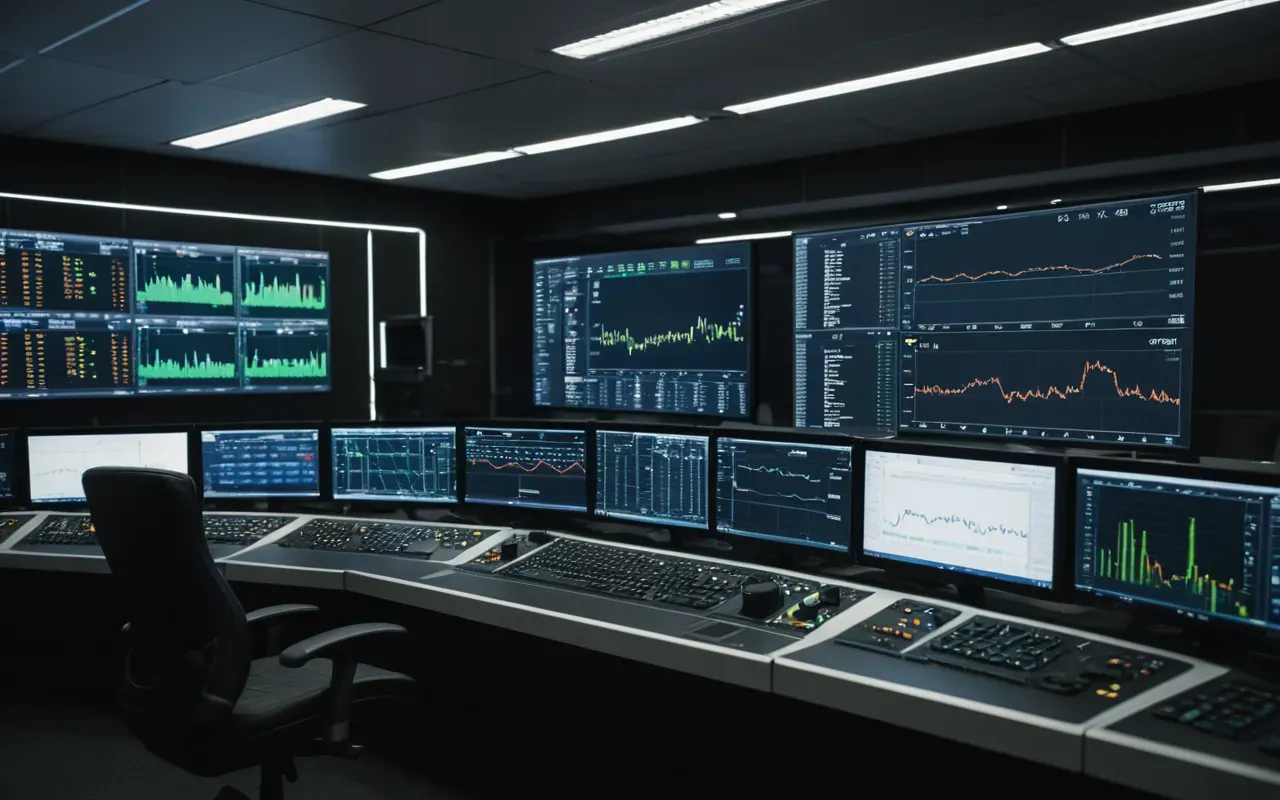
Sensor technology now allows for real time monitoring of mix quality. If a deviation occurs the system can alert operators immediately to correct it.
Data analytics help suppliers predict demand and optimize inventory. This means less waste of raw materials like sand and aggregate.
These innovations are becoming standard in new installations. If a supplier is not investing in this tech they may be falling behind the industry curve.
How Weather Conditions Impact Your Concrete Choice
Temperature and humidity drastically affect the setting time of fresh concrete. A supplier who does not adjust for these factors will produce inferior results.
In hot weather accelerators are often added to speed up curing. In cold weather retarders prevent early freezing. The right plant knows exactly what is needed.
I have seen projects fail simply because the supplier used a standard mix regardless of the weather. This is a critical point to discuss with any potential partner.
The Long Term Value of a Reliable Concrete Partner
A good supplier becomes an extension of your team. They understand your specs and anticipate your needs before you even ask.
This relationship reduces stress on your site. You can focus on construction while they handle the material logistics with precision and care.
Investing time in finding the right partner now saves you from headaches later. It is one of the best decisions a project manager can make.
Frequently Asked Questions About Ready Mix Suppliers
What is the ideal distance for a concrete supplier?
There is no single ideal distance. Quality and reliability matter more than proximity. A plant fifty miles away with superior equipment often outperforms a local one that is slow or inconsistent.
How much more does automated batching cost?
The upfront investment is higher but the long term savings are significant. Reduced waste and labor costs often offset the initial price within a few years of operation.
Can I visit the plant before signing a contract?
Yes and you should. Reputable suppliers welcome site visits as a chance to demonstrate their standards. If they refuse this request it may indicate poor operational practices or lack of confidence.
Comments ()