A software engineer walked away for two decades and returned as a concrete plant boss
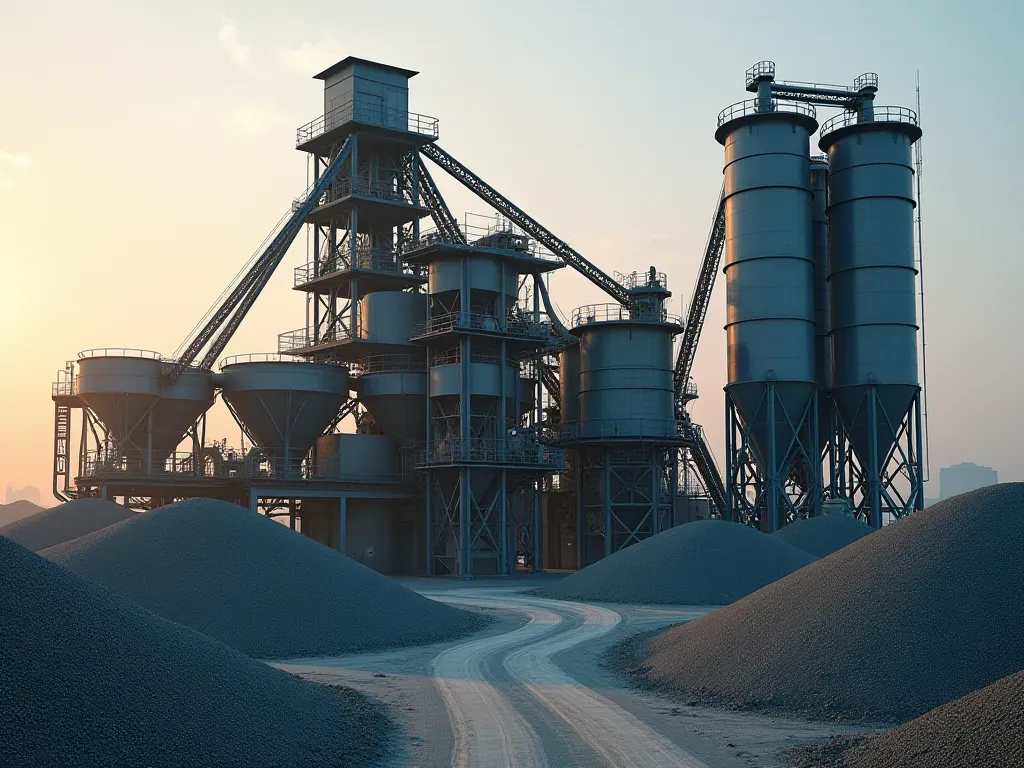
The Career Pivot Nobody Predicted for a Tech Grad
Imagine quitting your IT job to work with wet cement. That is exactly what happened. It sounds like a massive career error.
But here is the twist that caught everyone off guard. Twenty years later, he was leading digital transformation.
We often assume a straight line from degree to role. This man broke that rule completely.
Why the Concrete Plant Felt Like a Better Fit Than Code
He graduated with an information technology degree. The natural next step was systems engineering.
Instead, he moved to his hometown. Few tech jobs were available there at the time.
A ready-mix plant opened a position. He took it without thinking twice.
People asked why he left IT for concrete. The answer was simple: it felt real.
The Twenty Years of Field Experience That Built His Value
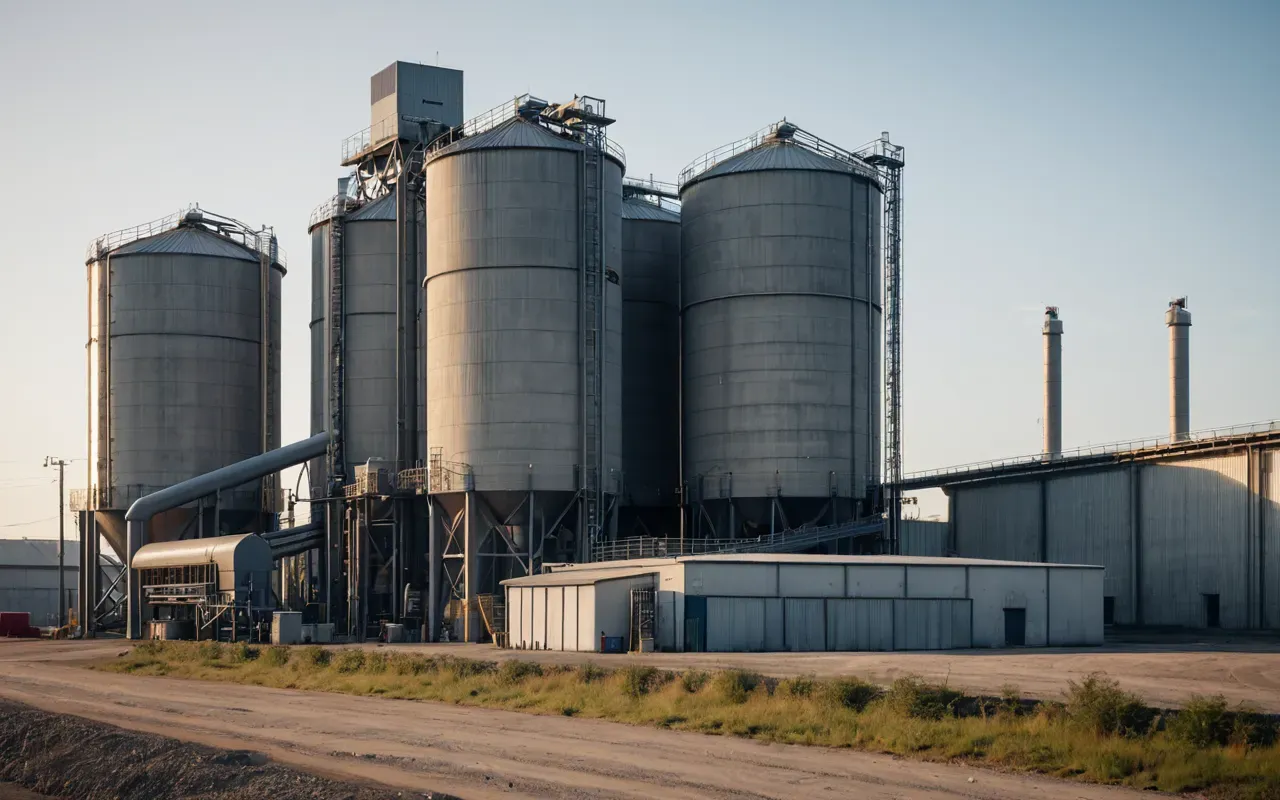
He spent two decades on the factory floor. He learned quality control and site testing.
He dealt with mixer trucks and customer complaints daily. It was a steep learning curve.
He understood where the waste happened in production. He saw exactly what was difficult for workers.
This hands-on knowledge became his secret weapon. He knew the pain points better than any coder.
How Old IT Knowledge Came Back to Life in a New Context
He noticed repetitive tasks in his daily work. Spreadsheets and paper documents piled up.
A thought struck him: could systems make this easier? It was a familiar feeling from his SE days.
He started looking for ways to apply IT in the plant. Small changes began to take shape.
The company noticed his unique blend of skills. They invited him to join the DX project.
The Surprising Bridge Between Code and Cement
He realized he was not returning to IT. He was bringing the plant into IT.
His perspective shifted from writing software to solving field problems. This was a crucial distinction.
He understood the reality of batch data and material flow. This context made his IT skills far more valuable.
He was no longer just a technician. He was an operator who spoke the language of machines and men.
Why the Industry Needs More Workers Who Know Both Sides
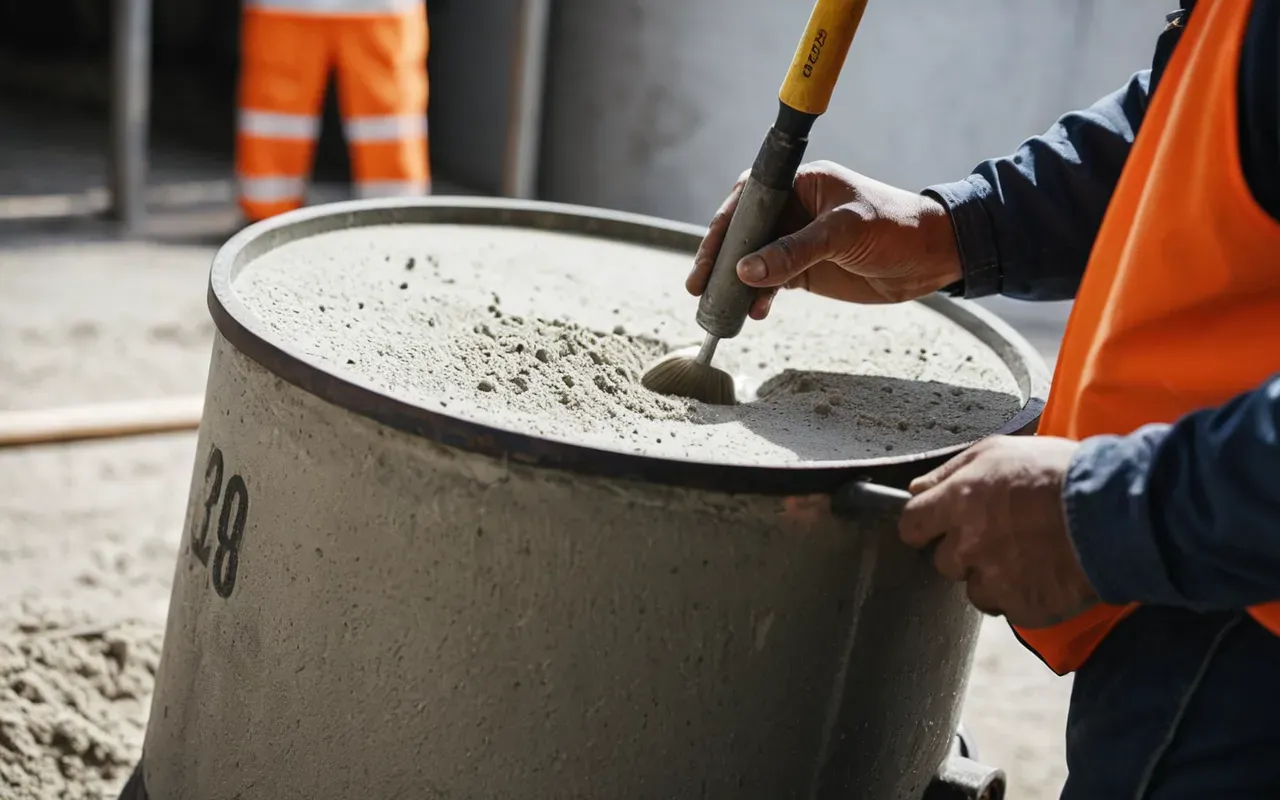
Most plants have coders who do not understand batching. They lack context.
They also have operators who fear new technology. The gap is wide and costly.
This man bridged that divide naturally. He understood the pain of manual entry and paper logs.
His experience proved that field knowledge is a multiplier for digital tools. It amplifies their impact.
The Real Lesson From a Twenty Year Career Detour
We often think quitting IT is the end of a tech career. That view is dangerously short-sighted.
Skills decay if unused, yes. But they also mature through application elsewhere.
He is now studying AI and new systems again. He approaches them with fresh eyes.
He knows exactly where to apply these tools for maximum benefit. That is rare and powerful.
What This Means for the Future of Ready Mix Manufacturing
The industry is moving fast toward automation. Human insight remains critical.
Plants that invest in people who understand both sides will win. They will adapt faster.
This story is a blueprint for career resilience in manufacturing. It shows the power of depth.
Do not dismiss non-tech roles as dead ends. They may be the foundation for your next big leap.


Comments ()