SRM Concrete Just Pulled Off a Four Plant Expansion in One Month and Here Is Why That Changes Everything for Your Project Timelines
The Shocking Speed of Modern Expansion
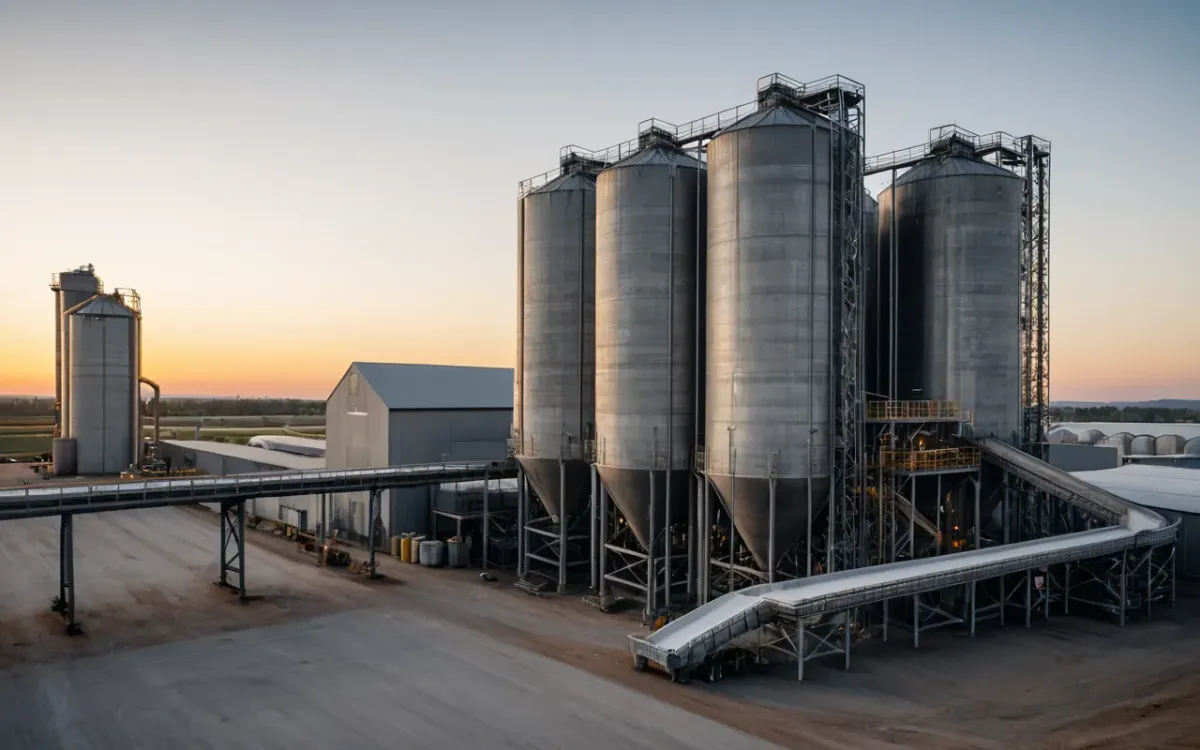
SRM Concrete just flipped the script on how fast a concrete plant can actually happen. Most people assume this kind of thing takes years. Permits pile up. Environmental studies drag on for months. Then you're stuck waiting on equipment that could be backordered from halfway around the world. It's slow, painful work. But look at what just went down in Tennessee. SRM didn't spend two years planning this move. They opened a brand new facility in Dickson last week. And get this — it wasn't even their first expansion this month.
This marks the fourth plant they've launched in thirty days. Let that sink in for a second. Four distinct operational sites going live before August even started. One landed in Sarasota, Florida. Another popped up in Richmond, Virginia. Osceola, Indiana got one too. Now Dickson joins the map. That pace of expansion is basically unheard of in heavy industry. It hints at something bigger happening behind the scenes.
Honestly, I was struck by how quietly this all unfolded. No massive press conferences for each location. Just steady, relentless execution. CEO Jeff Hollingshead mentioned strengthening the network across middle Tennessee. He talked about dependable service. Sure, that sounds corporate. But when you see four plants open in one month, those words start carrying real weight. It means they've cracked a problem everyone else still wrestles with.
Why Speed Matters More Than Ever
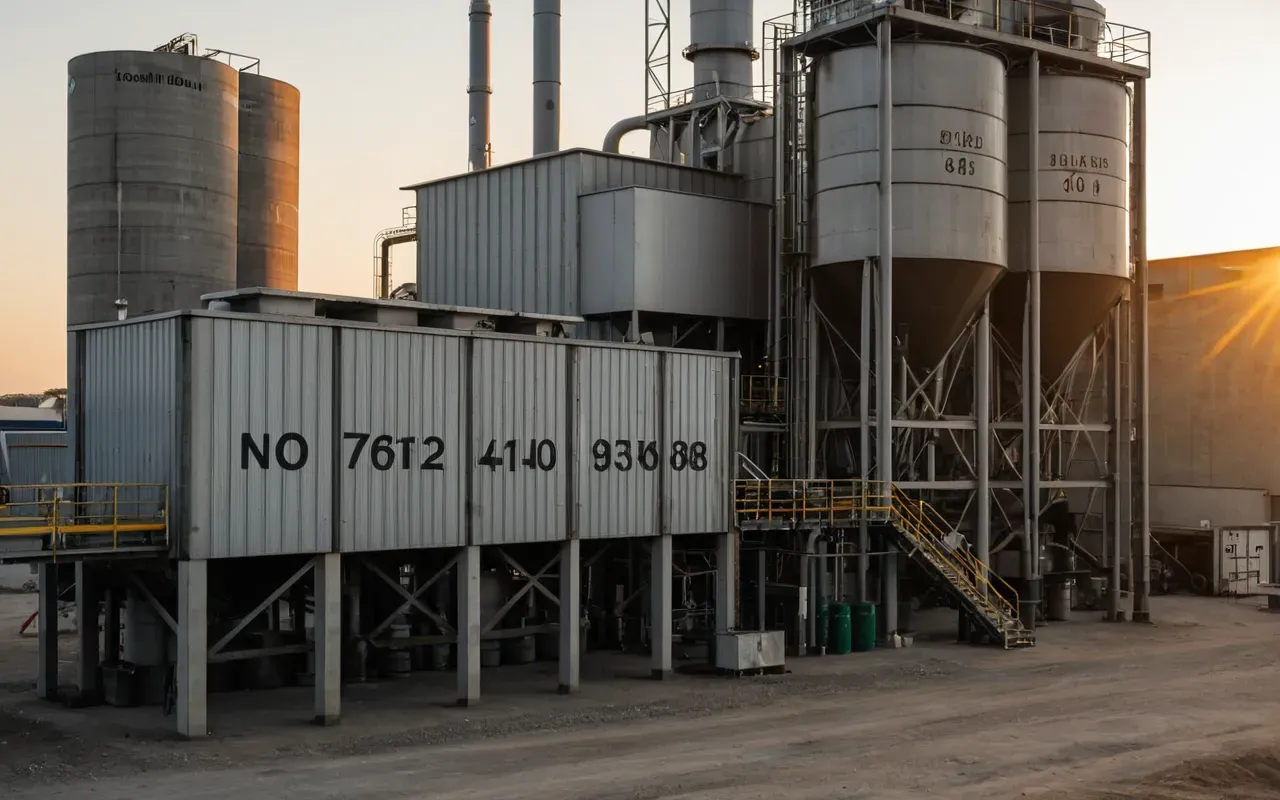
Here's the thing most contractors overlook. Concrete has a shelf life. Once you mix it, the clock starts ticking immediately. If your plant sits too far away, your load arrives dry or unworkable. Quality drops in an instant. You pour bad concrete. Your foundation cracks in five years. Everybody loses money. But when SRM adds plants like this, they shrink those distances dramatically.
The Dickson plant sits west of Nashville. That fills a gap in their service area. Previously, trucks had to haul longer distances from Fairview or other eastern hubs. Now there's local supply right there. For commercial developers building housing subdivisions on the western edge of the metro area, this is enormous. It means faster delivery times. It means less guesswork.
And speed translates directly to safety too. Less time on the road means fewer accidents for drivers. It also cuts carbon emissions from heavy trucks idling in traffic or burning diesel over long hauls. We keep talking about green building materials, but logistics are half the battle. Efficient distribution matters just as much as the mix design itself.
The Strategic Playbook Behind the Growth
You might wonder how a family-owned company pulls this off. SRM Concrete started in Smyrna back in 1999. Mike and Melissa Hollingshead built it from the ground up. Today they operate across twenty-four states. That's not an accident. They've mastered the art of scalable infrastructure.
Look at their moves closely. In June they opened a new quarry in Lacey's Spring Alabama. That's not concrete directly, but aggregates are the backbone of any mix. You cannot pour without stone, sand, and gravel. By securing raw material sources first, then adding mixing capacity nearby, they create vertical integration.
That controls costs better than relying on third-party suppliers. When commodity prices spike — which they do regularly in construction markets — having your own feed sources stabilizes margins. It also guarantees availability during peak seasons when everyone else is scrambling for materials.
What This Means for Regional Markets
Middle Tennessee is booming. Population growth drives housing demand. Commercial projects rise to support new residents and businesses. Infrastructure needs constant upgrading too. Roads widen. Schools expand. Hospitals add wings. All of these require massive amounts of concrete.
With twenty-five locations now in the region alone according to their statement SRM dominates local supply. That gives them leverage, but also responsibility. They become essential partners for large general contractors who need reliable delivery schedules over months or years.
But competition exists elsewhere. Other regional players will likely respond by expanding too or improving their own services. That creates a positive pressure on the entire industry. Quality improves everywhere when major firms race to outperform each other.
The Technology Driving Efficiency Gains
Modern ready-mix plants aren't just big mixers anymore. They incorporate sophisticated automation systems that track every ingredient precisely. Weights sensors monitor batch accuracy down to the gram. Computers adjust water content based on ambient temperature and humidity readings in real time.
This precision matters enormously for structural integrity. Overwatering weakens concrete significantly while underwatering makes it unworkable and prone to cold joints. Automated systems eliminate human error which was once a major source of variability in mix quality.
SRM likely utilizes these advanced technologies across their new facilities. Their ability to open multiple sites so quickly suggests standardized modular designs that can be deployed rapidly without custom engineering each time.
Environmental Considerations in Batching
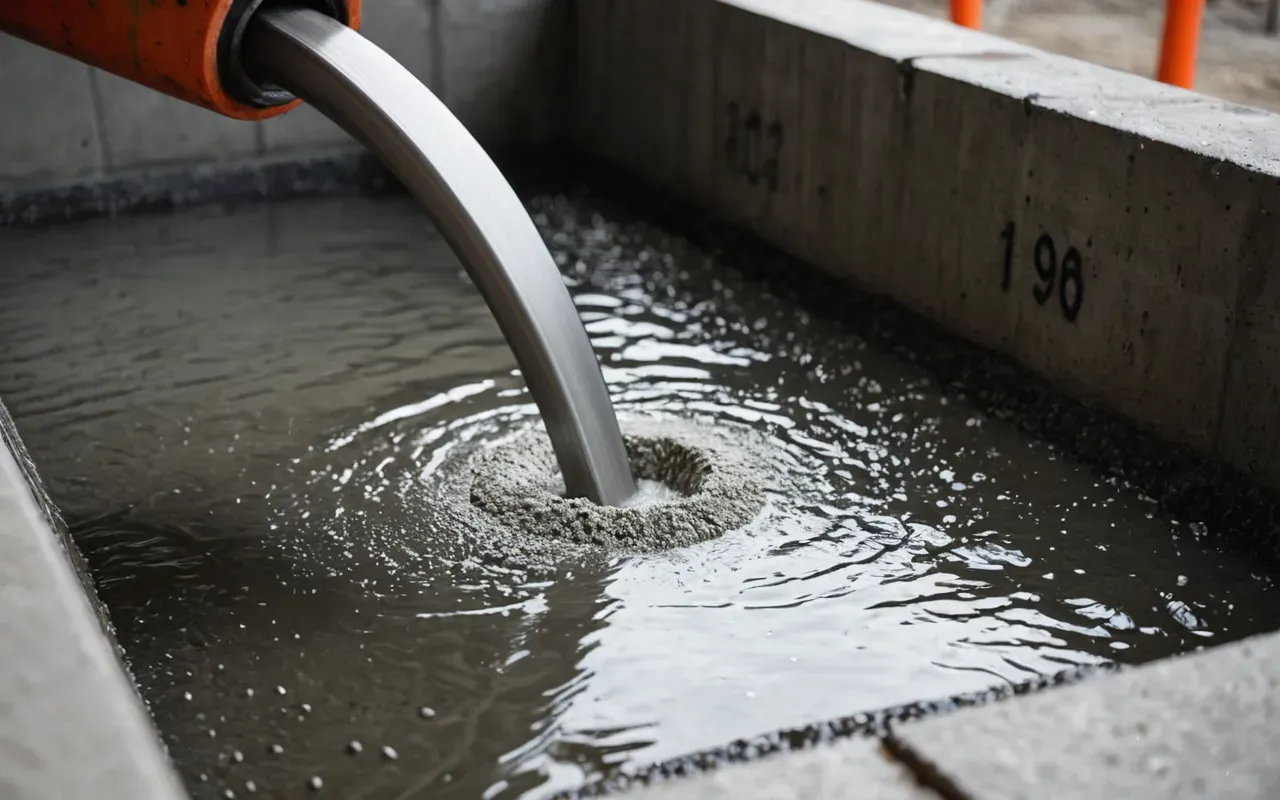
Sustainability is no longer optional for construction firms. Clients demand lower carbon footprints now more than ever before. Ready-mix plants address this through several methods including recycling wash water used to clean trucks between loads.
Capturing wastewater prevents contamination of local soil and groundwater while conserving fresh water supplies needed elsewhere on site. Some facilities also capture dust emissions using baghouse filters that trap particulate matter before it enters the atmosphere.
Additionally optimizing mix designs allows reduction of cement content which is highly energy intensive to produce. Replacing some cement with supplementary materials like fly ash or slag reduces embodied carbon without sacrificing strength.
Challenges Facing Rapid Expansion Strategies
It sounds impressive, but growing this fast introduces risks too. Managing workforce training becomes critical when adding dozens of employees simultaneously across different states. Each location needs skilled operators who understand both machinery and safety protocols thoroughly.
Supply chain disruptions could also hit hard if global events affect equipment availability or raw material shipping routes. Having four new plants means maintaining inventory levels at each site properly which requires sophisticated logistics coordination.
Community relations present another hurdle. Residents near construction sites often worry about noise pollution truck traffic and environmental impacts during permitting phases. Building trust takes time even if operations begin quickly.
Future Implications for Industry Standards
If companies like SRM continue setting this pace other competitors will feel pressure to match their capabilities. This raises overall industry performance levels particularly regarding delivery reliability and product consistency.
Regulators may also take notice as larger operations face increased scrutiny regarding environmental compliance and labor practices. Setting higher standards benefits consumers ultimately by ensuring safer stronger buildings throughout the country.
Investors watching these developments see validation that infrastructure spending remains robust despite economic uncertainties. Demand for quality construction materials shows no signs of slowing down anytime soon.
How Contractors Should Respond to These Changes
For those working in the field adapting means reevaluating supplier relationships. Relying on distant plants increases risk unnecessarily when closer alternatives exist with better service records.
Building partnerships with local ready-mix providers ensures faster response times during emergencies like unexpected weather delays or design changes requiring additional pours.
Furthermore staying informed about technological advancements helps teams make smarter decisions regarding material specifications and scheduling optimizations throughout project lifecycles.
Final Thoughts on Sustainable Growth Models
SRM Concrete demonstrates that aggressive yet calculated expansion works when executed properly. Their focus on regional density combined with vertical integration creates resilience against market fluctuations.
As we move forward expect similar patterns emerging elsewhere across North America. Companies recognizing the value of localized production hubs will gain competitive advantages over centralized models struggling with long-distance logistics.
Ultimately this shift benefits everyone involved from homeowners getting durable structures to municipalities receiving improved infrastructure investments. The concrete revolution continues evolving right before our eyes.
Comments ()