The $400,000 Mistake Hiding in Your Ready Mix Concrete Order
The Invisible Leak in Your Concrete Budget
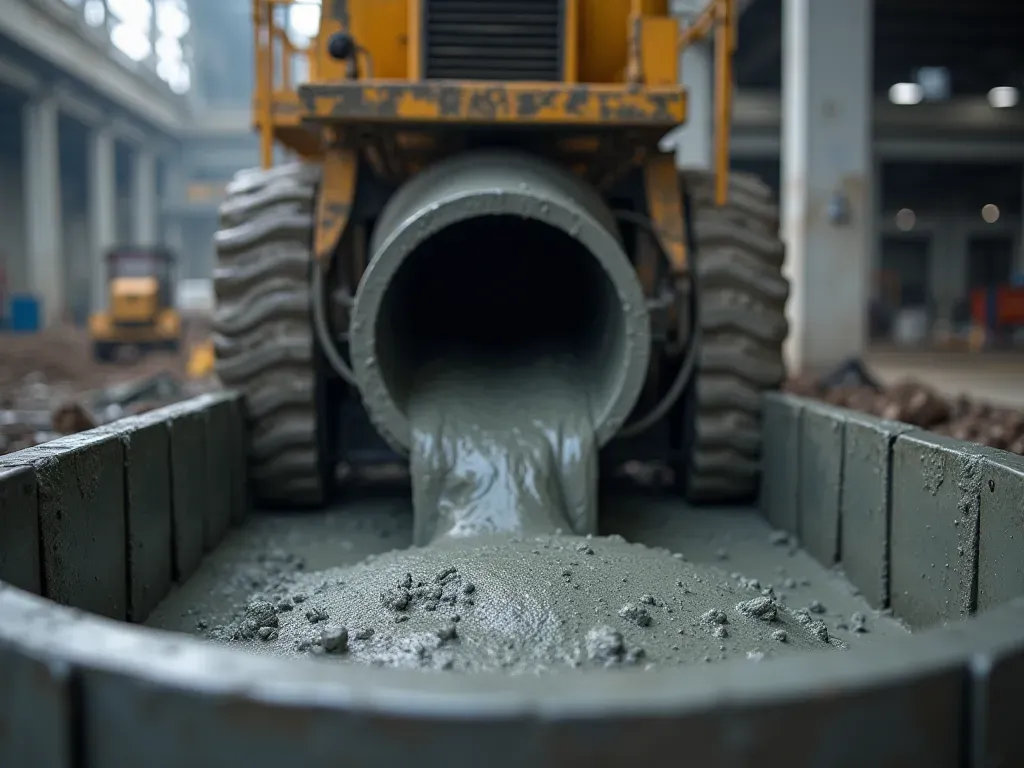
You just signed the order. Trucks are rolling out of the plant, fresh gray sludge pouring into your forms. On paper? Perfect. Six months later, though, when you reconcile project costs, a gap yawns open in your spreadsheet.
That gap isn't an accident. It's a structural failure in how we buy material today. Most construction professionals treat ready mix concrete as a commodity item with a fixed price per yard.
But the real cost is buried in three places you likely never look. The batching precision at the source. The transport radius that dictates fuel and labor overheads. And the waste generated on your site when the mix doesn't behave as expected.
I've walked enough job sites to know the cheapest invoice is often the most expensive outcome. This post breaks down where those dollars go — and how to stop them before they leave your pocket.
Why the Price Per Yard Is a Lie
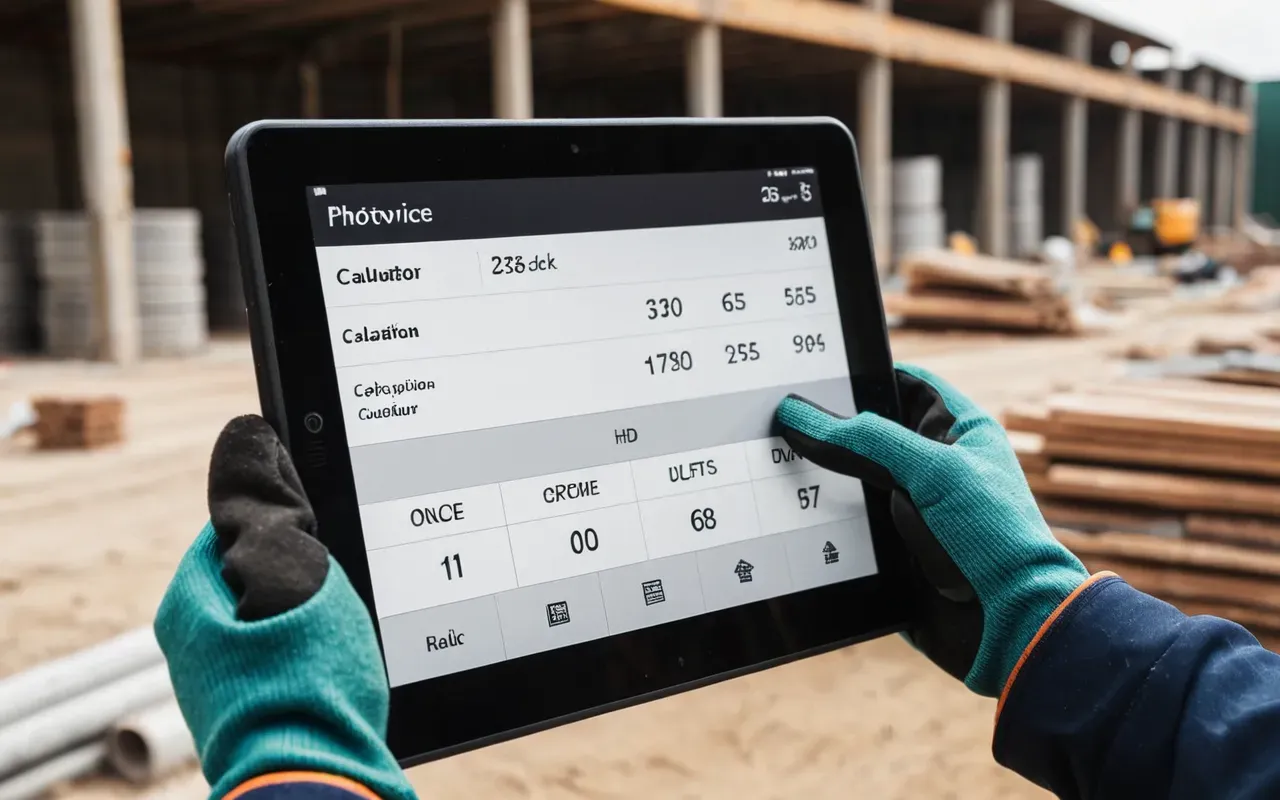
The headline number on your quote is designed to win the bid. Clean, simple. But it excludes the variable costs that swing wildly based on weather, traffic, and plant capacity.
Take the water-cement ratio. A deviation of just two percent can change the compressive strength of your foundation. Order a standard mix but need higher durability for a coastal project? That small tweak adds cost.
And who pays for the testing? Most buyers assume lab results are included. In reality, third-party verification often costs hundreds per batch if you require independent certification.
We found that projects using off-the-shelf mixes spent an average of fifteen percent more on remediation work. Cracks appeared early. Pumps clogged. The initial savings evaporated within the first week.
The Batch Data You Never Read
Here's the thing that surprises most engineers. The plant knows exactly what it mixed. Every hopper weight and water injection is logged in a digital file.
Yet fewer than ten percent of buyers ever request this data. You're flying blind if you don't cross-reference the delivered product against the spec sheet.
If your project manager can't read a batch report, you're paying for guesswork. Top firms now hire specialists who analyze these logs to predict strength development and adjust curing protocols on the fly.
This isn't just about quality control. It's about legal protection. If a slab fails in two years, the batch record from day one becomes your only defense — or your only liability.
The Radius Problem You Cannot See
Concrete is a ticking time bomb. Once water hits the cement, you have roughly ninety minutes before it starts to set in the truck drum.
So why do some plants ship mix from forty miles away? Because they have excess capacity and can sell it cheaply. But you pay for the time in transit.
Every mile adds fuel cost and driver wages. More critically, it increases the risk of segregation. The heavy aggregates fall to the bottom while the slurry stays at the top.
You end up pumping heterogeneous material into your columns. Strength is uneven. The finish is poor. And the invoice never reflects this extra risk you absorbed.

Automation Is Not Always Better
We assume fully automated plants produce perfect concrete every time. Data from a recent industry audit suggests otherwise.
Highly automated systems can lock in errors. If the moisture sensor is off by one percent and no human overrides it, every batch that day will be wrong.
Semi-automated plants with experienced operators often outperform their fully automated counterparts. The human eye catches subtle shifts in aggregate texture that sensors miss.
Contrarian take, I know. But don't demand the highest level of automation on your spec sheet unless you also mandate real-time human verification protocols.
The Sustainability Trap in Modern Mixing
Everyone wants green concrete. It looks good on the marketing brochure and helps with LEED certification goals.
But mixing recycled aggregates or supplementary cementitious materials changes the rheology. The flow is different. The drying shrinkage rates shift.
If your site crew doesn't adjust their finishing techniques for these new materials, you'll see cracking issues that standard mixes would have avoided.
Sustainability is a cost if you don't manage the technical transition. It requires training and often higher initial material prices.
How to Negotiate the Real Price
Stop negotiating on the per-yard rate alone. It's a vanity metric that tells you nothing about total project value.
Instead, ask for a penalty clause on delivery delays. Tie the price to performance metrics like compressive strength consistency and slump retention.
Require full batch data transparency in the contract. Make it a condition of payment if they refuse to share their digital logs with your project engineer.
This shifts the power dynamic. You're no longer just buying gray sludge. You're contracting for a guaranteed engineering outcome.
Frequently Asked Questions
What is the biggest hidden cost in ready mix orders?
The largest hidden cost is usually site waste and remediation labor. When the mix doesn't perform as expected — inconsistent batching, long transport times — you pay for extra finishing work and potential structural repairs that were never in the original invoice.
How long does ready mix concrete stay usable in transit?
Standard ready mix concrete typically has a workability window of ninety to one hundred twenty minutes after water is added. That timeframe depends on ambient temperature and the specific chemical admixtures used in the blend, but it generally shrinks significantly during hot summer months.
Why should you request batch data from the plant?
Requesting batch data provides a legal and technical record of exactly what was mixed. It lets you verify that the delivered product matches your specifications for strength, water content, and aggregate proportions — critical evidence if structural issues arise later in the building lifecycle.
Can fully automated plants make better concrete than manual ones?
Fully automated plants can produce highly consistent batches if their sensors are calibrated perfectly. But they lack the adaptive capability of human operators, who can visually adjust for subtle changes in aggregate moisture or texture. A manual plant with skilled staff often handles variable conditions more effectively.
What is the ideal transport radius for concrete delivery?
The ideal transport radius is generally within fifteen miles of the job site, to minimize transit time and segregation risks. Longer distances increase fuel costs and driver wages while raising the probability that the concrete begins to set before it reaches your forms, compromising its final strength.


Comments ()