You are paying a hidden premium for concrete that never leaves your state

The distance factor is eating your budget alive
You type those words into the search bar every morning. Ready mix concrete near me. Feels like a simple logistical query, right?
It isn't. The engine behind that search is actually calculating a fuel bill. It is pricing out your diesel consumption.
I have spent the last decade watching project managers lose sleep over material costs. We all think we are shopping for a product.
We are not buying concrete at all. We are purchasing the miles it travels to reach your site.
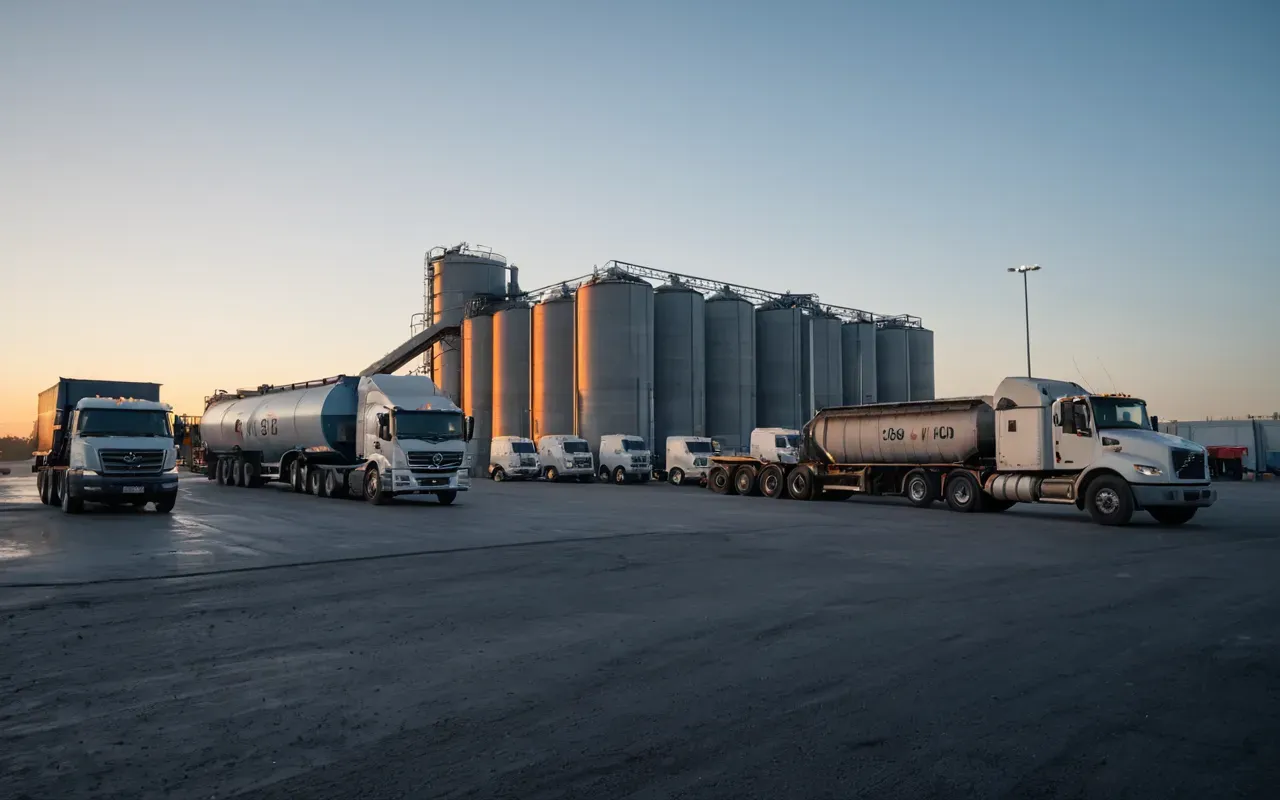
Why the map matters more than the brand name
Look at a standard invoice. The line item for cement usually looks like the biggest expense.
It is not. Transportation fees have quietly become the second largest cost driver in the industry.
If your plant is forty miles away you are paying for a small trucking company. You are not just buying aggregate.
I once audited a commercial build in the Midwest. The team switched suppliers and saved twelve percent overnight.
The new facility was only six miles closer. The material quality did not change at all.
The myth of the universal price list
Most buyers assume concrete is a commodity. They believe one cubic yard should cost the same everywhere.
That is completely wrong. Concrete is a hyper-local service wrapped in an industrial product.
A supplier on the other side of a river is not competing with you. They are in a different market entirely.
Geography creates natural monopolies that no amount of online searching can break. You are stuck with the neighbors.
The hidden fees hiding in plain sight on your quote
Open the last three quotes you received. Read them line by line with a red pen.
You will find a charge for pump time. You will see a fee for washout and water disposal.
These are not standard industry rates. They are profit centers for the logistics team.
If you do not negotiate these individually they will eat your contingency fund alive.
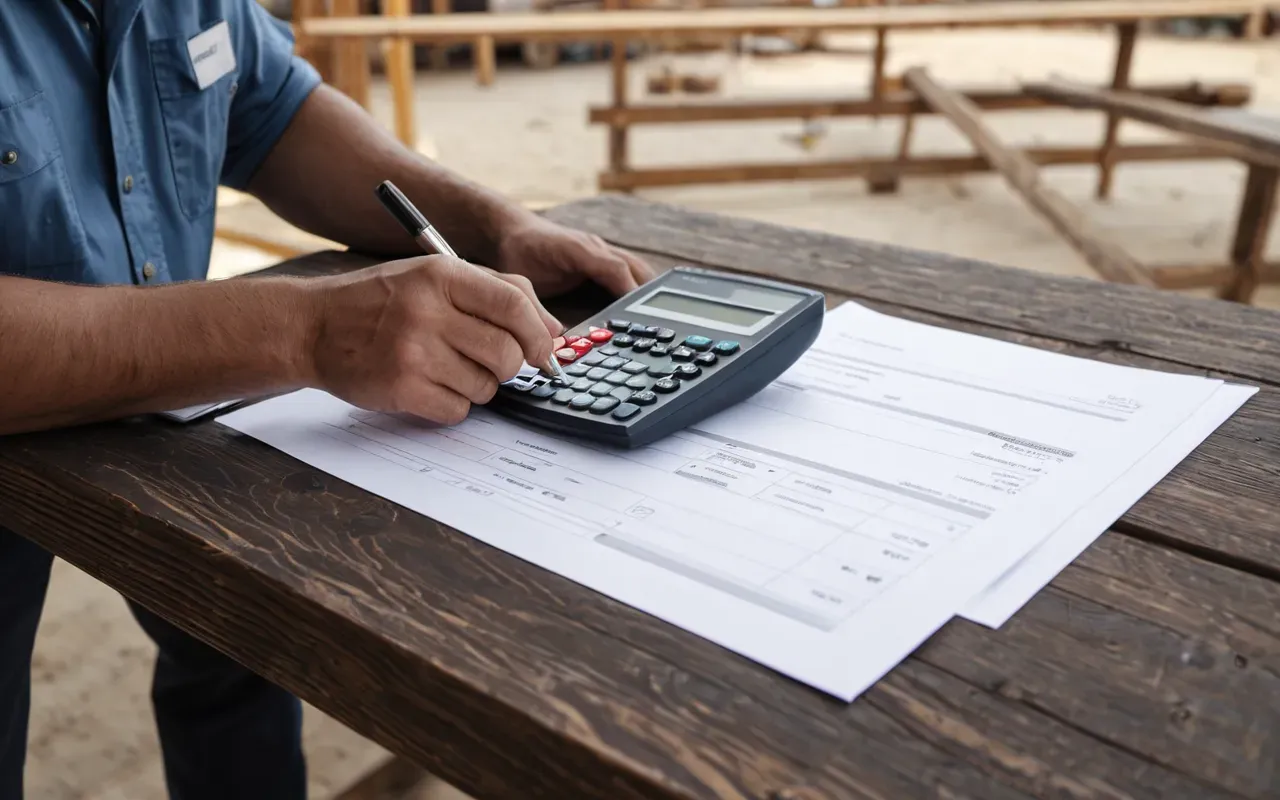
How to spot the premium before you sign
Ask for a breakdown of the base material cost versus the delivery surcharge.
If they refuse to split those numbers you already know where your leverage is gone.
A transparent supplier will show their margins. An opaque one hides the distance cost in a blanket fee.
I have seen companies overpay by thousands for a single pour because they trusted the total.
The logistics trap that catches even experienced buyers
We all love a good price. It makes the budget look healthy in the spreadsheet.
But cheap concrete is expensive if it arrives late. It ruins your schedule and burns overtime pay.
A local plant can dispatch a truck in ten minutes. A distant one needs an hour to mobilize.
That difference is the true price of your location. It is not in any public database.
What the top suppliers are doing to protect their territory
They do not compete on price. They compete on reliability and response time.
The giants have realized that a delayed pour is worth more to them than a discount.
They stockpile inventory in your region. They keep trucks idling at the edge of town.
It is a quiet war. You just think it is normal business practice and move on.
The data proves you are being overcharged for distance
Industry reports show a direct correlation between mileage and final invoice totals.
Every additional mile adds roughly two to five dollars per cubic yard in operational overhead.
For a large project that number is staggering. It dwarfs the cost of the cement itself.
We need to stop treating distance as a minor variable. It is the major one.
How to negotiate your way out of the premium trap
Start by mapping every plant within a fifteen mile radius of your site.
Call them all. Do not ask for a quote yet. Ask about their current load capacity.
If they are full they will offer a discount to fill their schedule. If they have room you have no leverage.
I use this trick constantly. It works because trucks sitting idle are a direct loss for them.
The future of local concrete supply is changing right now
Automation is shrinking the labor cost component of your bill. It is shifting weight to logistics.
A fully automated plant can mix concrete faster than a human crew ever could.
But the truck still burns diesel. The driver still needs to drive the miles.
The distance factor is not going away. It is becoming more prominent in your total cost.
Why your current supplier might be hiding the real cost drivers
They want you to focus on quality. It is an easier conversation than discussing fuel prices.
Quality matters of course but it does not explain a twenty percent price jump over your neighbor.
Demand the breakdown. Force them to show you where every dollar goes on the invoice.
If they hesitate you know exactly why. They are protecting their margin on the miles.
The practical steps to take before your next pour begins
First verify the distance from their batch house to your gate. Not the office location.
Second ask about their average delivery time during peak traffic hours in your area.
Third check their local reputation for on time delivery with other builders in the region.
Do these three things and you will save real money on your next project budget.
Frequently Asked Questions
These are the questions I hear most often from contractors trying to control their material costs.
What is the ideal distance for a concrete plant from my site?
The sweet spot is usually between five and fifteen miles. This balance minimizes fuel costs while ensuring reliable dispatch times for urgent pours.
How can I verify the true cost of concrete delivery?
Request a line item breakdown that separates the material price from transportation fees. Compare this total against suppliers who offer bundled pricing to identify hidden premiums.
Why does concrete cost more in rural areas than cities?
Rural sites often have fewer suppliers within a reasonable radius. This reduces competition and increases the distance trucks must travel to deliver materials.
Comments ()