The concrete industry just let an AI take the wheel and nobody is talking about who loses their job
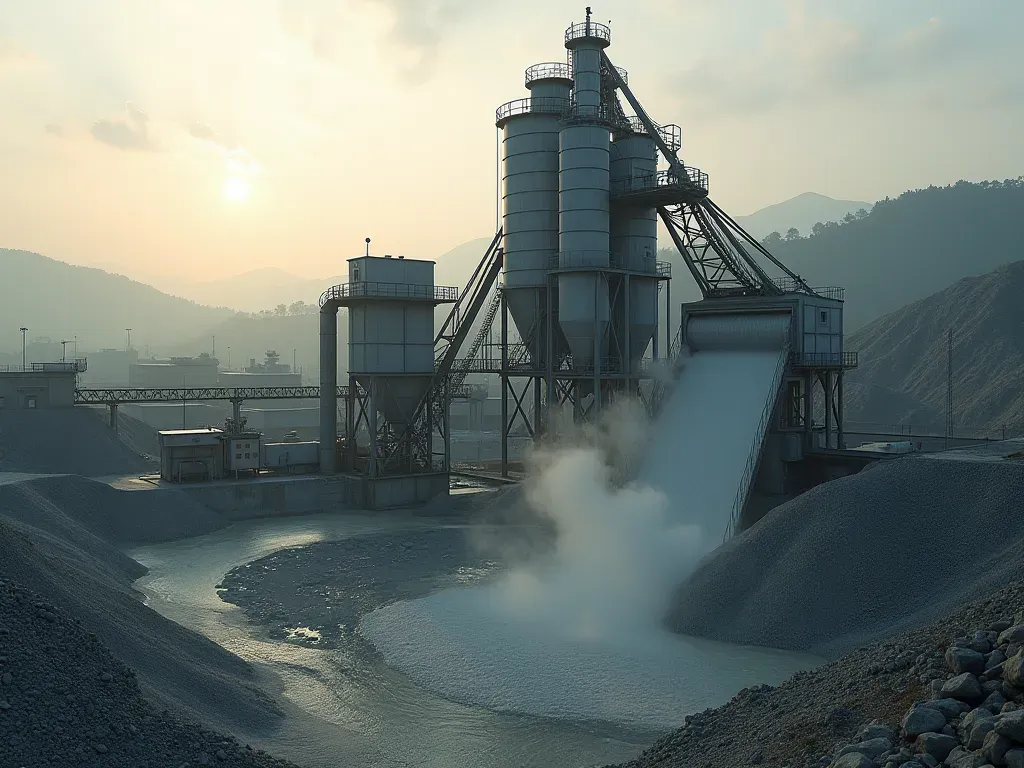
The Silent Shift in Nashville
Here's the thing. We usually treat AI as a chatbot you ask for recipes. In heavy industry, that era is done. At ConcreteWorks , Command Alkon showed something different.
They didn't just show a dashboard. They demonstrated an agent that acts on its own. It reads plant data and adjusts feed cycles without waiting for a human click.
That's not just software. It's a change in who holds the pen on the production sheet. Pretty soon the human operator may be checking the AI's homework instead of doing it.
Why This Changes More Than You Think
Most people think automation saves labor costs. True. But that's the surface. The deeper shift is about data ownership and decision speed.
When a machine adjusts its own feed cycles based on real-time analysis, human error leaves the loop. It also creates a feedback loop that improves every subsequent batch.
I was struck by how fast this moves from reactive to proactive. The plant doesn't wait for a problem to fix it. It prevents the problem before the mixer even starts.
The Jobs Nobody Is Talking About Losing
Let's be blunt. The role of the manual batch operator is changing fast. If machines can read data and adjust cycles autonomously, what happens to the people who used to do that?
We keep seeing job listings for 'plant managers' who can read batch data. Now the machine reads it better than they do. The human becomes a supervisor of algorithms.
This isn't just about fewer jobs. It's about higher stakes for the ones who remain. If you can't interpret AI decisions, you're not part of the loop anymore.
Who Wins in This New Landscape
The clear winners are the plants that adopt these tools early. They get leaner operations and higher margins while their competitors still rely on gut feel.
Command Alkon is positioning itself not just as a vendor but as the brain of your operation. If their AI becomes standard, switching costs become enormous.
But who loses? The middle-tier plants that can't afford the transition. They get squeezed between high-tech giants and low-cost manual operations.
The Hidden Cost of Inaction
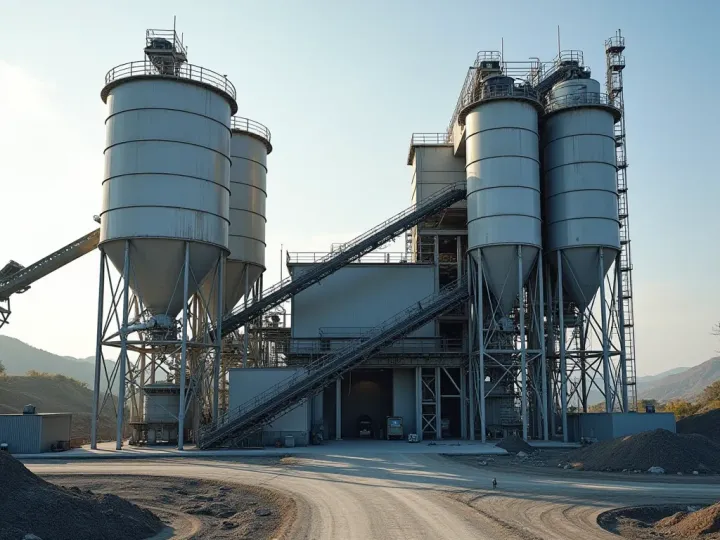
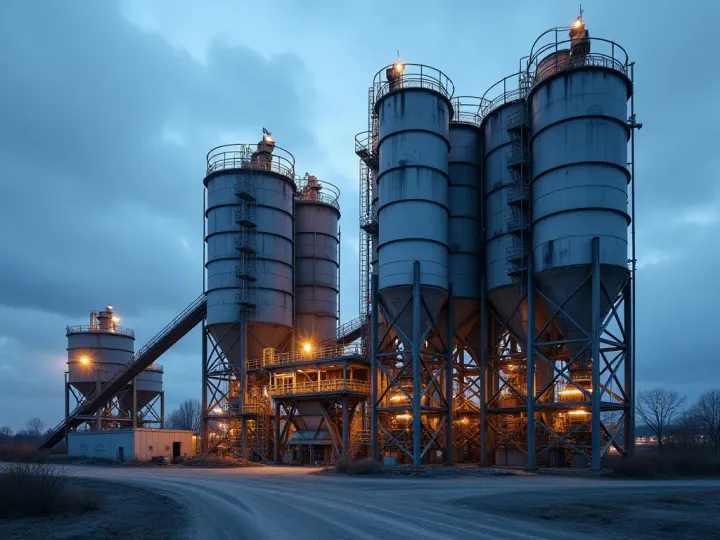
Thinking about the true cost of a ready mix plant just changed. It's no longer just hardware and labor.
It includes the cost of being obsolete. If your competitors use AI to cut waste by even five percent, that margin disappears for you forever.
The Data Advantage
This is why top concrete companies pay more for managers who can read batch data. The skill set is shifting from manual to analytical.
The AI doesn't just process data. It learns from it. Every batch makes the system smarter. The plants that refuse to join this learning loop fall further behind daily.
What This Means for Your Next Pour
If you're buying concrete in the next five years, your supplier is likely using these tools. That means better consistency and less waste.
But it also means higher expectations. You'll demand precision that manual plants can't deliver. The bar is moving up as we speak.
I'd argue this is the most significant shift in ready mix technology since automated batching was first introduced. And it's happening right now.
The Questions We Need to Ask Now
Who is accountable when the AI makes a mistake? If an autonomous system adjusts feed cycles and produces substandard concrete, who bears liability?
How do we train the next generation of operators? Do they need to understand algorithms or just monitor dashboards?
And perhaps most importantly, is this the future or just a very expensive experiment that will be refined in a decade?
The Human Element Remains Critical
Despite the automation hype, human judgment still matters. AI can optimize feed cycles but it cannot read the political winds of a construction site.
The best operators will be those who combine technical skill with street smarts. The AI handles the numbers; you handle the relationships.
Regulatory Watch Points
As these systems become more autonomous, expect tighter regulations. Safety standards will need to account for machine decision-making.
The tightening concrete plant rules we're seeing in various regions will likely expand to cover AI operations.
Final Thoughts on the Concrete Revolution
This isn't science fiction. It's happening at Booth in Nashville right now. The concrete industry is entering an era of intelligent automation.
The question isn't whether this technology will change the industry. It's who will lead and who will be left behind watching from the sidelines.
My take? The plants that treat this as a tool will lose. Those that embrace it as their new operating system will dominate the next decade of construction.
The concrete we pour in five years will be mixed by machines that learn from every batch. The only question is whether you're ready for what comes next.
Comments ()