The quiet neighbor who broke a concrete giant
The quiet neighbor who broke a concrete giant
Bill McNair moved to Plainwell expecting quiet. He found it in a far corner of town, ringed by farm fields and just a handful of neighbors. That calm now sits under an industrial shadow.
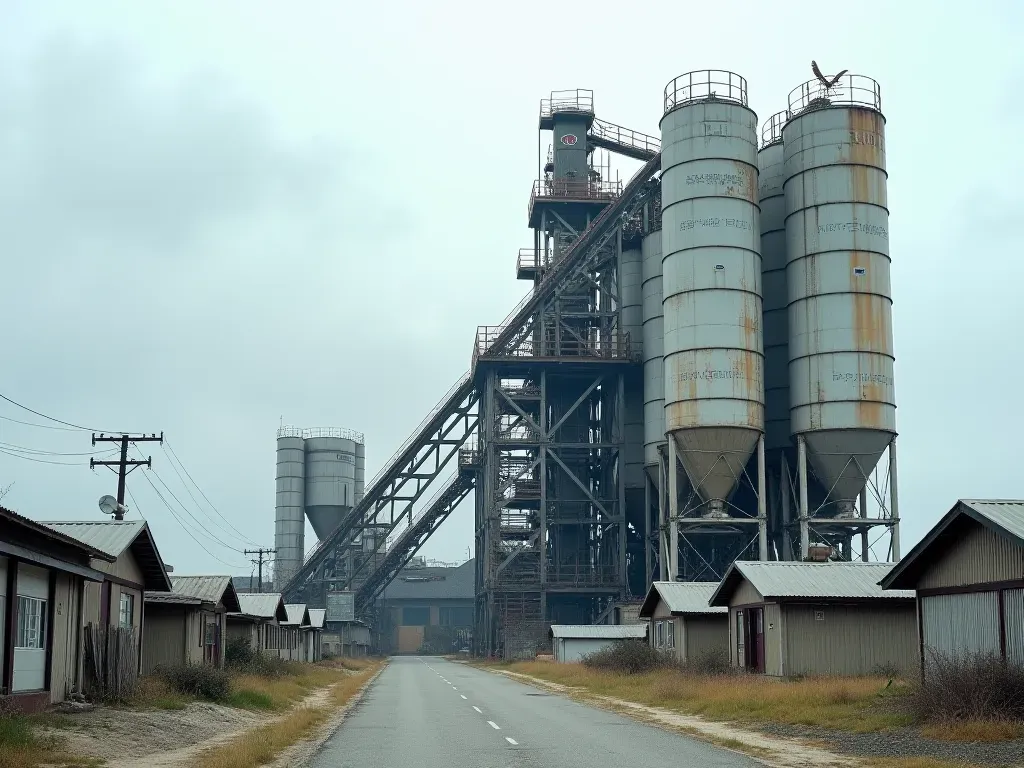
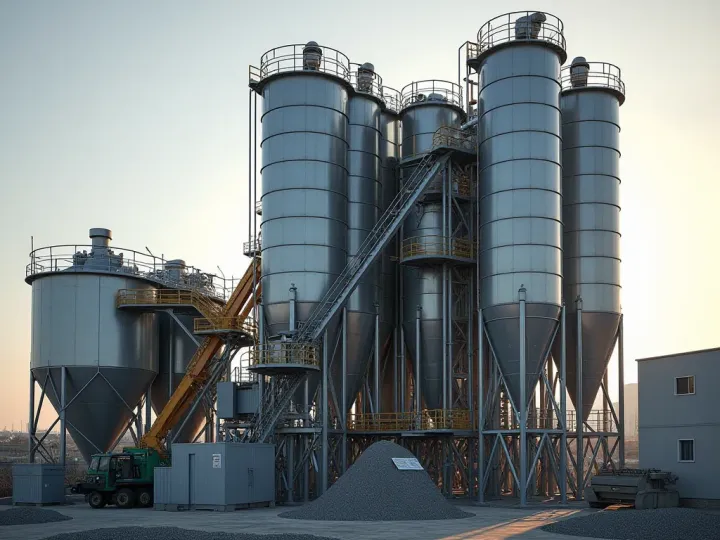
The proposed ready-mix concrete plant at 8th Street and Miller Road is no small project. It sprawls across twenty-seven acres in an industrial park that has sat empty for years. For the people who live nearby, this sudden push feels like a quiet betrayal.
Why the silence is disappearing fast
McNair's home sits directly across from this new industrial zone. For decades, he watched that land stay open. The idea that heavy machinery would ever roll up to his doorstep never once crossed his mind.
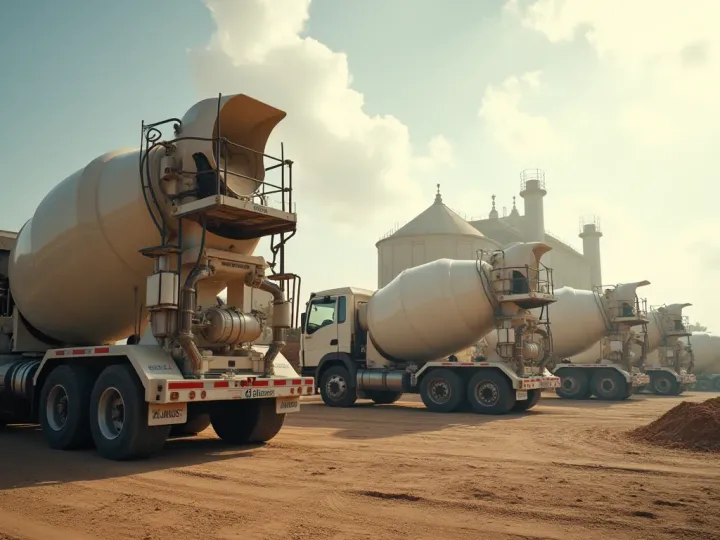
Now he hears about the trucks. He worries about dust settling on his windows. A front-end loader running all day? That is not the soundtrack you want for your retirement years. It reshapes the whole feel of a residential street.
The reality of living next to industry
To be fair, ready-mix plants do serve a real purpose. They churn out consistent, high-quality concrete at scale. Without them, construction timelines would slip and costs would climb across the entire region.
But for the folks living within earshot, those benefits don't translate into comfort. The trade-off is tangible. You get durable infrastructure, sure — in exchange for a constant hum of activity.
The regulatory shield that protects both sides
City Manager Justin Lakamper stepped in to address the fears. He pointed out that Plainwell already has a strict zoning ordinance on the books. This isn't a loose set of suggestions; it's a binding legal standard.
The limit is seventy-six decibels measured at the property line. That's a concrete number, designed to keep noise levels tolerable for nearby homes. It holds operators accountable for how much racket they make in a residential area.
Lighting and dust control measures
Sound isn't the only thing covered. The ordinance also requires all lighting to point downward. That keeps glare from spilling into bedroom windows at night. A small detail, sure, but it makes a real difference in everyday life.
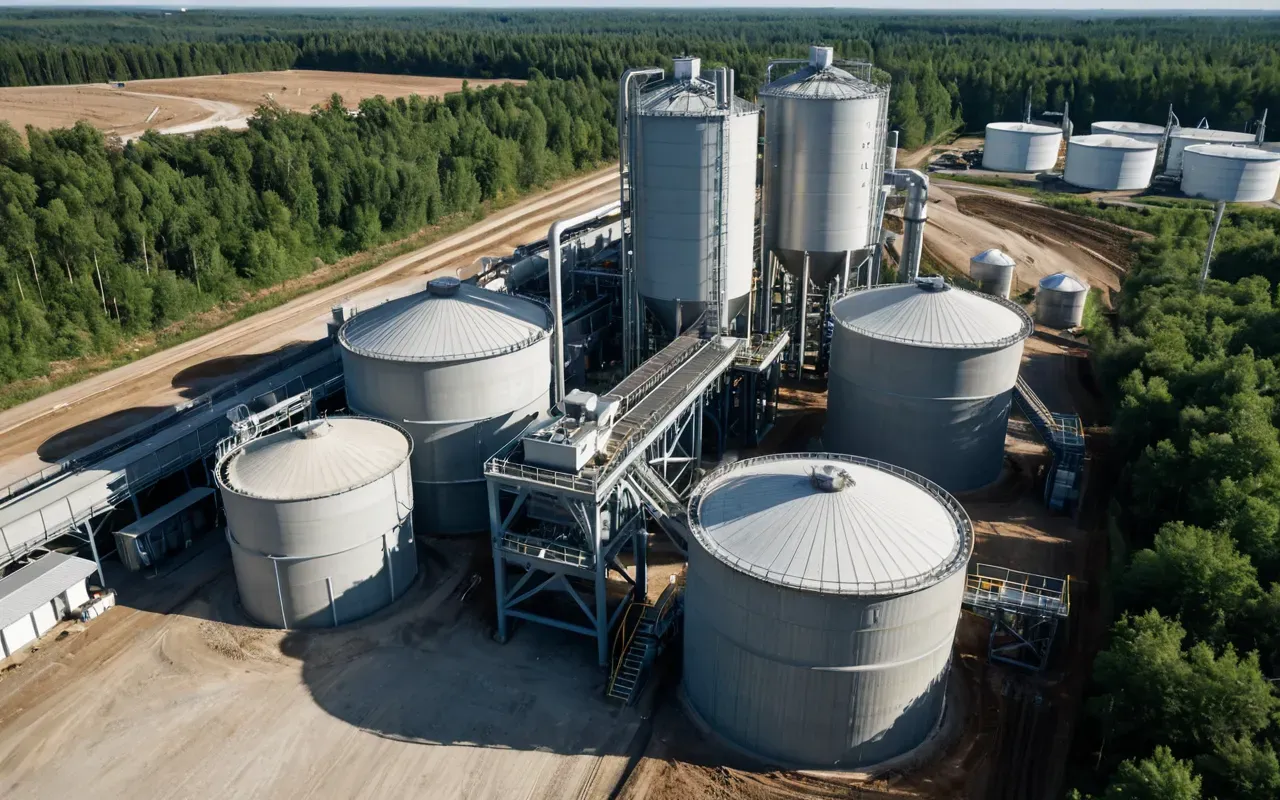
Dust is another big worry for residents. Modern plants lean on water systems and enclosed structures to keep particles from drifting. Those measures help keep the air cleaner for neighbors like McNair.
What Bex Farms plans to do about the noise
Dan Balkema of Bex Farms responded directly to those concerns. He laid out specific steps the company will take to soften its impact. Honest, proactive outreach like that is rare in industrial disputes.
They plan to build an eight-foot berm between the plant and the homes on 8th Street. Trees will go in along that barrier, adding another layer of sound absorption. It's a physical shield that changes the acoustic landscape.
Smart technology for quieter operations
Trucks leaving the site won't be allowed to use jake brakes. Those loud engine-braking tricks are a classic source of noise complaints. Banning them is a simple rule, but an effective one for keeping streets quiet.
The fleet will also rely on smart back-up alarms. These only sound when actually needed and are far less jarring than the traditional horn blast. A small upgrade with a meaningful payoff for quality of life.
The traffic pattern that worries everyone most
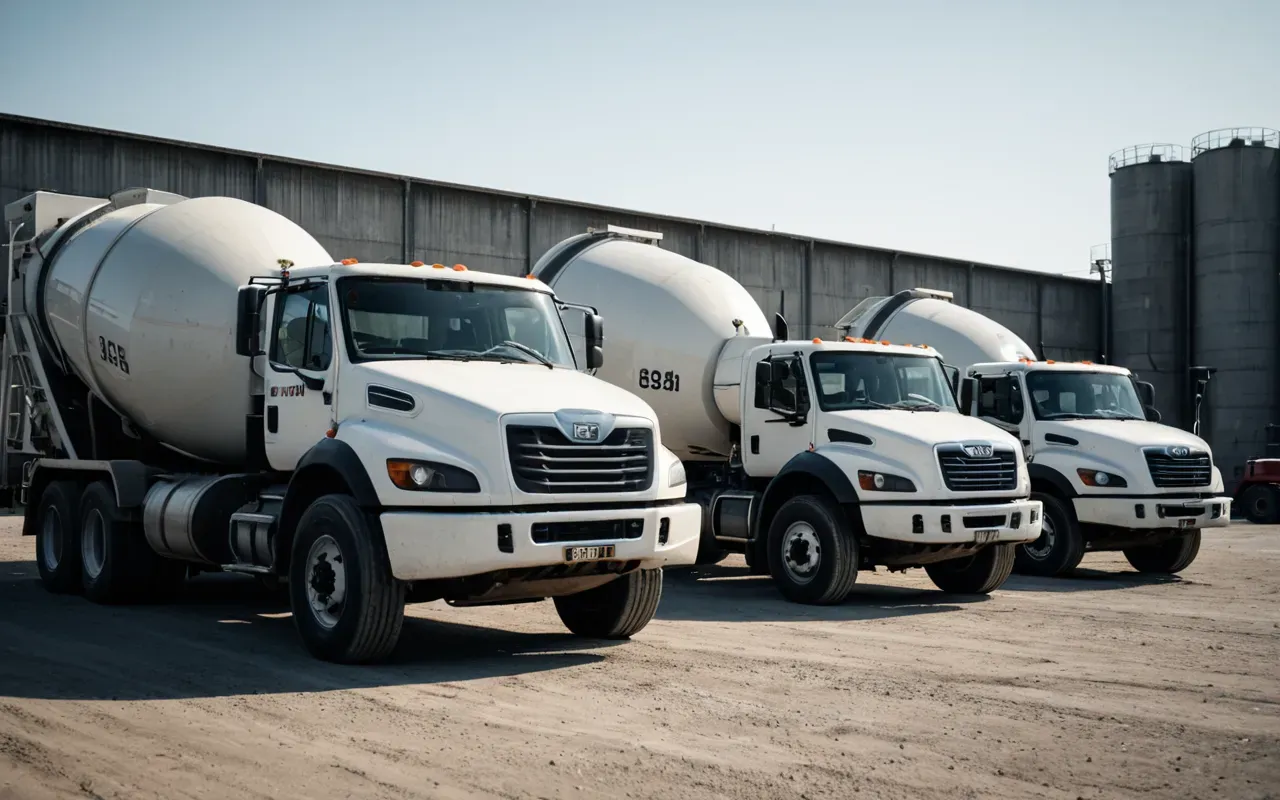
McNair is most worried about the sheer volume of trucks. He figures twenty to thirty loads will roll in each day once operations start in late summer 2027. That means nonstop movement along a once-quiet residential road.
The proposed entrance sits right in front of his home. That proximity means he'll see and hear every single vehicle pulling in. A daily reminder that the industrial world has moved into his backyard.
How heavy transport changes street dynamics
Heavy trucks aren't like cars. They need more room to turn and to stop safely. On a narrow road, that can create bottlenecks or force other drivers to brake suddenly.
The city council is paying attention to these dynamics. They're reviewing the site plan with an eye on traffic flow and public safety. The outcome could set a precedent for similar projects in other small towns.
The decision that could reshape local construction
At their last meeting, the Plainwell City Council tabled the approval. They're expected to revisit the plans on September 14. That delay gives residents more time to voice concerns and rally support.
If approved, the plant brings jobs and economic activity to the area. If rejected, the company might simply pack up and look elsewhere. Either path carries real weight for the local market.
What this means for other small towns
This story isn't unique. Rural communities all over the country face the same tug-of-war between industrial growth and residential peace. Plainwell's decision will be watched closely by other municipalities.
What it comes down to is clear communication between developers and the people who live nearby. Transparency builds trust. It also prevents disputes from hardening into lawsuits.
The human cost of industrial expansion
For McNair, this was never about property values. It's about how he spends his final years. He wanted a quiet place to rest and look back on his career.
He feels blindsided. The land was sold to an industrial company without much public notice, and residents weren't consulted along the way.
How neighbors are fighting back together
He's not the only one worried. Other neighbors have joined him at city council meetings to speak up. They're pushing for stricter enforcement of noise and traffic rules.
That collective pressure forced the company to come back with real mitigation plans. Proof that community engagement can produce better results for everyone in the room.
The future of concrete in small communities
As demand for infrastructure climbs, more towns will face these same choices. Weighing development against livability is turning into one of the hardest questions in local government.
Ready-mix plants bring undeniable benefits to construction. They deliver consistency and durability while trimming labor costs. But those gains have to be measured against what they cost the neighbors.
Balancing progress with community well-being
The answer lies in thoughtful planning and honest conversation. Address concerns early, put real controls in place, and communities can grow without giving up what makes them worth living in.
Plainwell is the test case. It will show whether a small town can host industrial needs and still hold onto its character.
What we learn from this local dispute
This story is a reminder that construction isn't just about buildings. It shapes the everyday lives of people next door. Every decision lands on someone.
For construction professionals, understanding these human dynamics matters. It helps build lasting relationships with local communities — and that's what keeps projects on track.
The importance of early engagement
Developers who talk to residents early tend to face less resistance. They solve problems before they turn into roadblocks at the approval table.
In Plainwell, the company waited until the planning stage to address noise. That reactive stance bred tension and uncertainty on all sides.
The road ahead for Plainwell residents
With September 14 drawing closer, the pressure is building. Residents are polishing their arguments and collecting evidence to make their case.
The city council has to weigh jobs and tax revenue against the concerns of the people who actually live there. Their call will shape how similar projects get handled down the road.
Potential outcomes and their implications
Approval means the plant moves ahead. Rejection could trigger legal challenges — or send the company scouting for another site.
Or maybe a compromise emerges, with stricter conditions attached. Additional noise barriers. Restricted operating hours. Something in between.
A lesson in community and industry coexistence
This dispute reaches beyond Plainwell. It mirrors the larger struggle between economic growth and community well-being.
Moving forward, one thing is clear: dialogue and transparency matter. Both sides have to work together to find a solution that actually holds.
The role of technology in reducing impact
Construction gear these days runs quieter and burns cleaner than what most folks picture. Put money into that newer tech, and you start closing the distance between the job site and the neighbors who have to live next to it.
Bex Farms is planning smart alarms and noise barriers. That's not just window dressing — it signals a real effort to cut the disruption without sacrificing how the place runs.
The bigger picture for construction professionals
This whole situation is a lesson in reading the local rulebook before you break ground. Skip that step, and you're looking at stalled timelines and a budget that balloons fast.
People in this line of work ought to think about who's actually affected by what they build. When you earn a community's trust early, the project tends to move smoother, and the end result lands better for everyone.
Strategies for effective community relations
Honest, open lines of communication carry community relations. Keep people posted on a regular basis, answer their questions straight, and local stakeholders start taking you at your word.
Reach out before problems bubble up, and you can often sidestep them altogether. That kind of proactive approach tells the community you respect them and that you're after the same outcomes they are.
Conclusion on the Plainwell concrete dispute
Bill McNair and the proposed ready-mix plant — that story is a small snapshot of a much bigger picture. A local decision like this ripples far beyond one site, touching both the industry and the community in ways that aren't always obvious.
We're still waiting on the final call, but one thing's certain: how this dispute plays out will set the tone for similar projects down the road. Striking that balance between progress and peace? It's never easy.
Final thoughts on community industry balance
The Plainwell case is a reminder that construction is never just steel and concrete. It's about the people who wake up next to those structures every single day.
Push for more dialogue and smarter innovation, and it's possible to build a future where industry and community actually coexist. Getting there takes effort from both ends — nobody gets a free pass.
Comments ()