The real cost of a ready mix plant is hiding in your first year
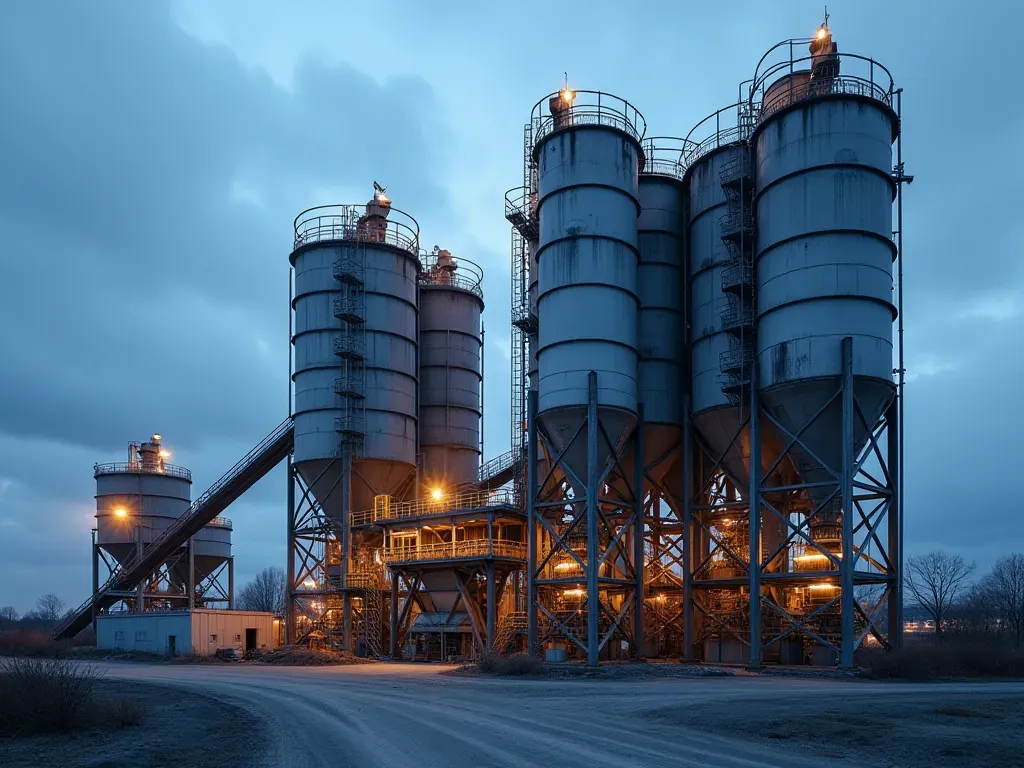
The sticker price is a lie you tell yourself to sleep better
I've watched too many contractors walk away from a deal because the invoice looked too high. Three months later they buy a cheaper unit — and pay for it twice over in downtime. Happens constantly, on job sites all over the country.
The initial tag is just the entry fee. The real fight for your budget starts after the truck leaves the factory yard. You're not buying a machine. You're buying a stream of daily decisions that either drain cash or protect it.
Let's be honest: most people stare at the hardware and ignore the ecosystem around it. That's where the money actually goes. So if you want to understand your true exposure, we need to strip away the marketing gloss.
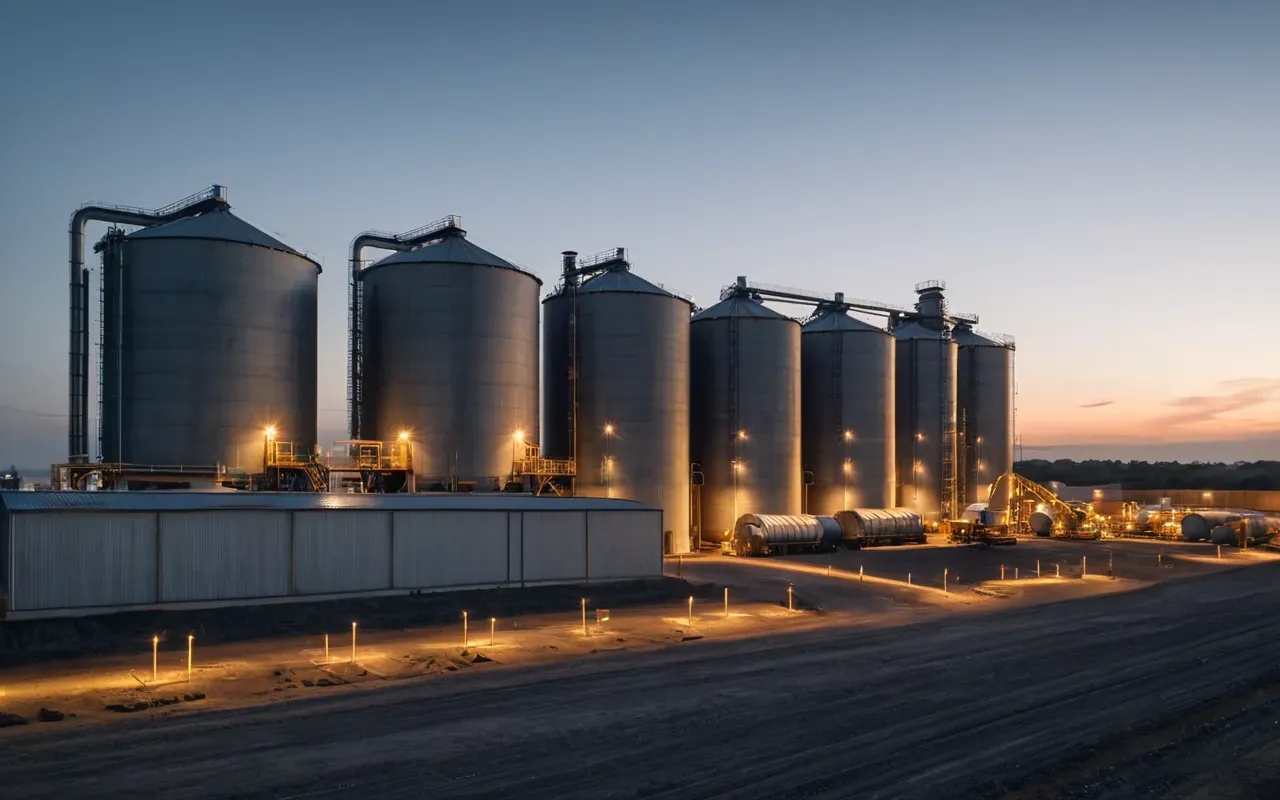
Why your spreadsheet is missing forty percent of the reality
A recent internal audit at a mid-sized regional supplier found that maintenance ate up thirty percent of their projected annual profit. They had priced the machine perfectly. They just ignored the wear on hydraulic seals and control boards.
And this isn't a one-time event. It compounds. Every time you underestimate parts wear, you lose production hours. Lost hours mean missed delivery windows — and angry clients calling you at six in the morning.
Here's something we found: units with higher automation levels actually had lower long-term repair bills. The sensors catch a clog before it breaks a pump. That small upfront premium paid for itself within eight months of daily operation.
The labor trap nobody warns you about during purchase negotiations
Now think about your operators. A complex machine needs a skilled brain behind it. Hire someone who has never touched that specific control interface, and they will make mistakes.
Those mistakes cost money. Wrong mix ratios mean wasted material. Reruns eat fuel and time. I once watched a crew spend an entire afternoon recalibrating because the initial setup was rushed to save on training hours.
The cheaper plant often demands more attention. Think vintage car versus modern sedan. One runs on intuition and luck; the other runs on data and precision. Your labor bill reflects that difference every single week.
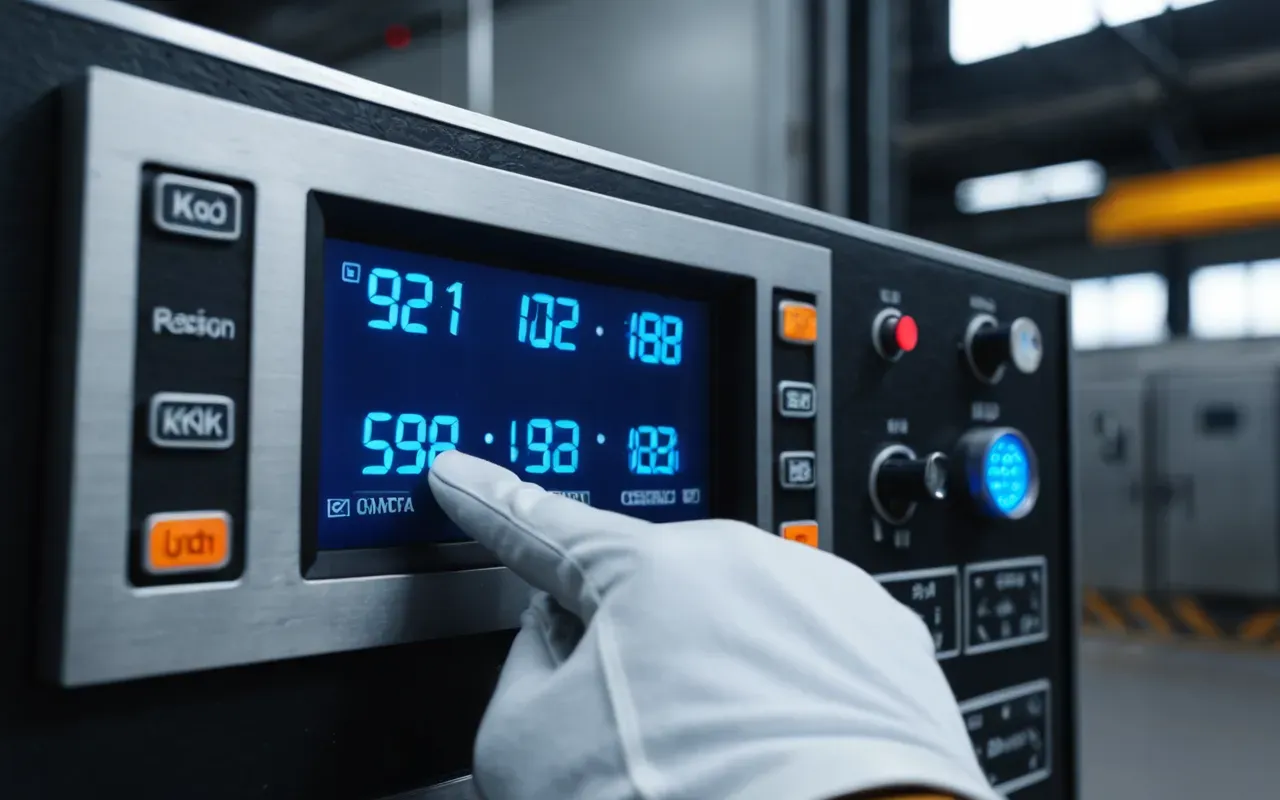
Regulatory fines are the silent killer of your profit margin
Dust control. Noise limits. Water discharge standards. These aren't optional suggestions — they're hard legal boundaries, and they shift without much warning.
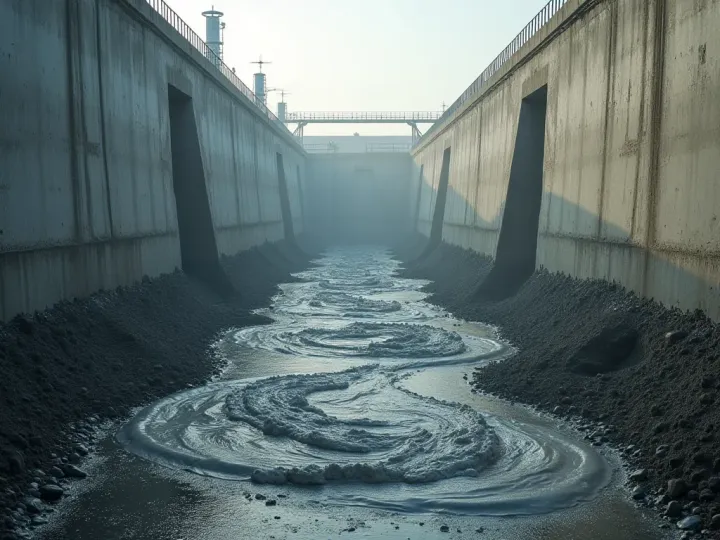
I know a plant owner who got hit with a fine because his washout pit design didn't meet the updated local code. He had bought the cheapest filtration system available to save money upfront.
The fine was small compared to the legal fees. But the real damage was the shutdown. He had to stop production for three days while inspectors reviewed his setup. That's when your cash flow really hurts.
Choosing a unit with built-in compliance features isn't about being green. It's about protecting your right to operate. If you're curious about how waste handling impacts bottom line numbers, look into how concrete washout systems affect daily operations.
Breaking down the true numbers behind a commercial batching system
Let's look at real figures. A standard portable unit might cost fifty thousand dollars on paper. Add installation, and you're looking at sixty-five thousand.
Now multiply that by the fact you'll need a dedicated space. You might have to rent land or modify an existing yard for drainage and access roads.
Then there's the electricity. Running a large mixer and compressor around the clock draws serious power. In some regions, that can add two thousand dollars per month to your overhead.
The hidden premium for speed and consistency in high demand markets
And if you're operating near a major infrastructure project, the stakes jump higher. You cannot afford to be slow.
I watched a competitor lose a massive bridge contract because their mix consistency varied too much. The engineer rejected the first two batches.
That rejection cost them more than the premium they would have paid for a better metering system. Precision isn't a luxury. It's the product you're selling.
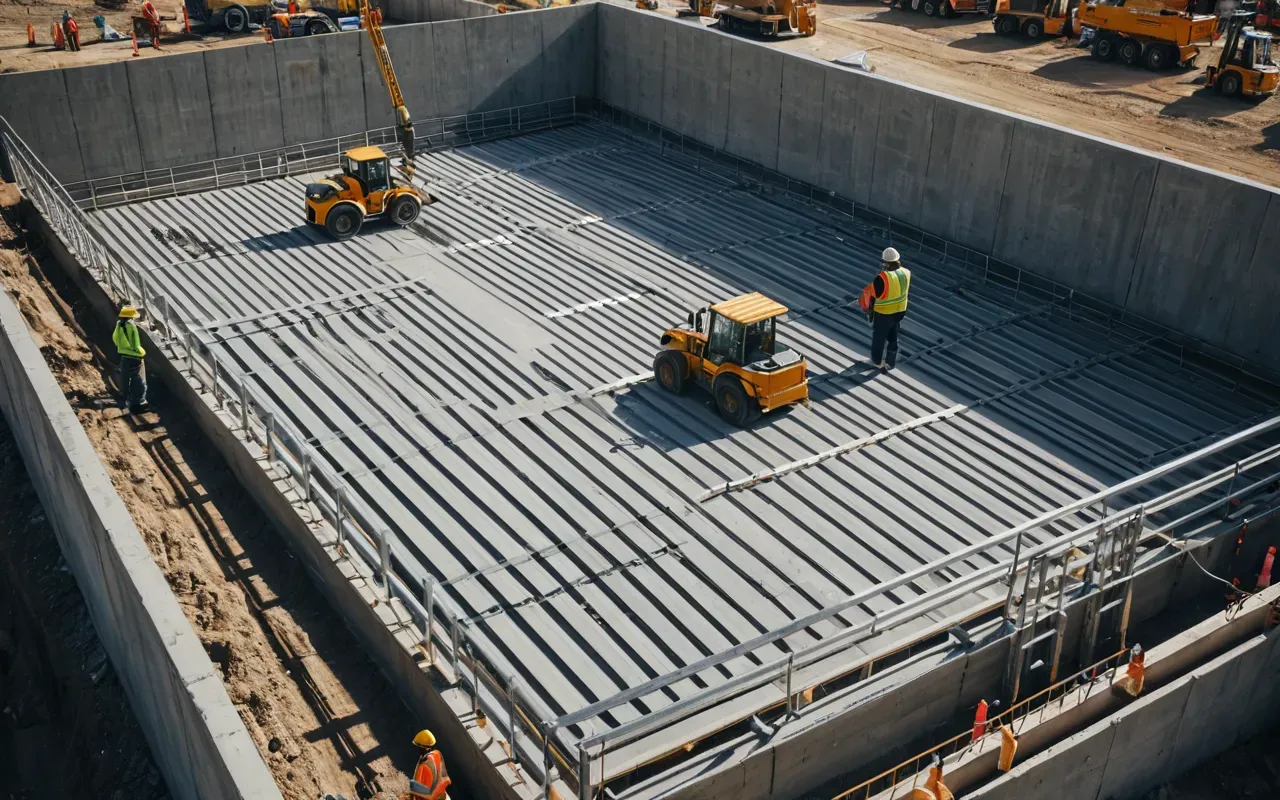
Why the cheapest option often ends up being the most expensive mistake
There's a psychological bias at play here, too. We want to see the number drop on screen.
But a low bid usually means cut corners. Cheaper sensors. Thinner steel on the hoppers. Generic control boards.
Those corners show up as cracks in the concrete or a broken belt on a Tuesday morning. When it's raining and you have three trucks waiting.
How to evaluate the long term value of your concrete production assets
Look at the resale market. A well maintained unit with full service records holds its value much better.
Buyers are smart. They know a machine that's been abused will need new parts immediately. That discount isn't free money — it's a loan against your future profits.
We always tell clients to ask for the maintenance log. No record of service? Assume it was never done.
Strategic moves to protect your budget from unexpected operational shocks
You need a buffer. A small emergency fund specifically for equipment failure isn't paranoia — it's basic financial hygiene.
Keep critical parts in stock. Filters, belts, and small sensors are cheap to buy but expensive if you have to wait three days for them.
Also consider the software. Modern plants come with data logs that tell you exactly when a part is wearing out.
The role of supplier reliability in keeping your cash flow stable
A good supplier is a partner. A bad one is just another line item in your expense report that never stops growing.
I've seen companies switch suppliers because the original one took two weeks to send a replacement valve. Two weeks of lost production is unacceptable.
So ask for their average response time. Ask for references from other plant owners in your region. Local reputation matters more than the global brand name.
Why ignoring safety features is the most expensive risk you can take
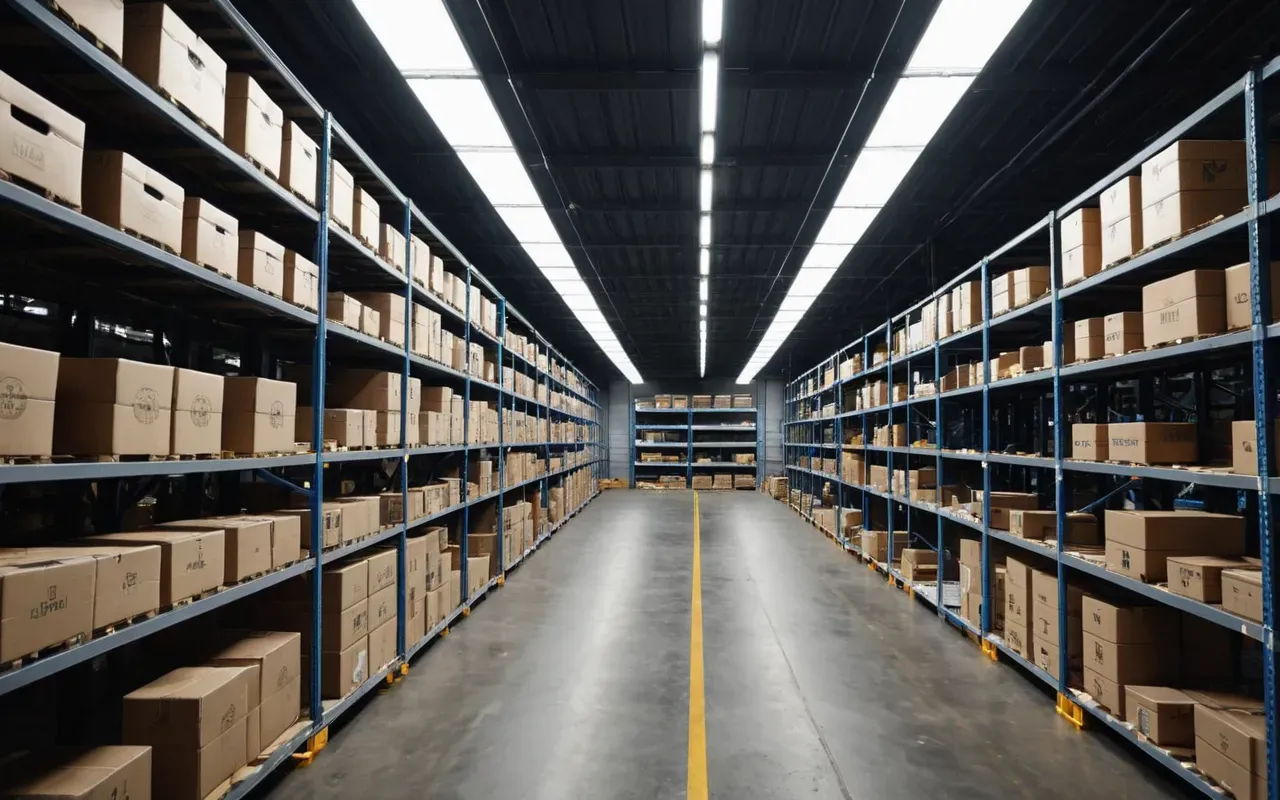
Safety gear isn't just for the workers. It protects your investment from human error.
A single accident can shut down a plant for months. And insurance premiums skyrocket after any incident.
Modern plants have interlocks and sensors that stop the machine if a door is open or pressure drops. Those features save lives and your business license.
If you're weighing the risks of poor maintenance on equipment longevity and human risk, consider reading the real cost of ignoring safety features. It's a sobering read for any owner.
Frequently Asked Questions about true ready mix plant expenses
What is the average monthly maintenance cost for a ready mix plant?
Typically, expect between eight hundred and two thousand dollars per month for routine service. That covers lubrication checks, filter replacements, and minor part swaps.
How long does it take for a new batching system to pay off its purchase price?
Most commercial operators see a break even point within eighteen to twenty four months. This assumes consistent utilization of at least sixty percent capacity.
Why are local regulations such a big part of the total operating cost?
Compliance requires specific equipment for dust control and water treatment. These add to the initial buy price and require ongoing monitoring fees.
Can I save money by buying a used plant instead of a new one?
You can save up to forty percent upfront. However, you risk higher repair bills and a shorter lifespan — which often wipes out the initial savings within two years.
The bottom line for any serious construction professional today
Don't let the initial invoice blind you to the real cost. The true price of a ready mix plant gets paid out in daily operations, over years.
Invest in quality. Invest in safety. And invest in the data that tells you when to fix things before they break.
Your competitors are making these same calculations right now. The only difference is who sees the full picture before they sign that contract.
Comments ()