The Three Questions That Will Save You From a Bad Concrete Supplier
The $1.2 Million Question You Never Ask the Guy in the Truck
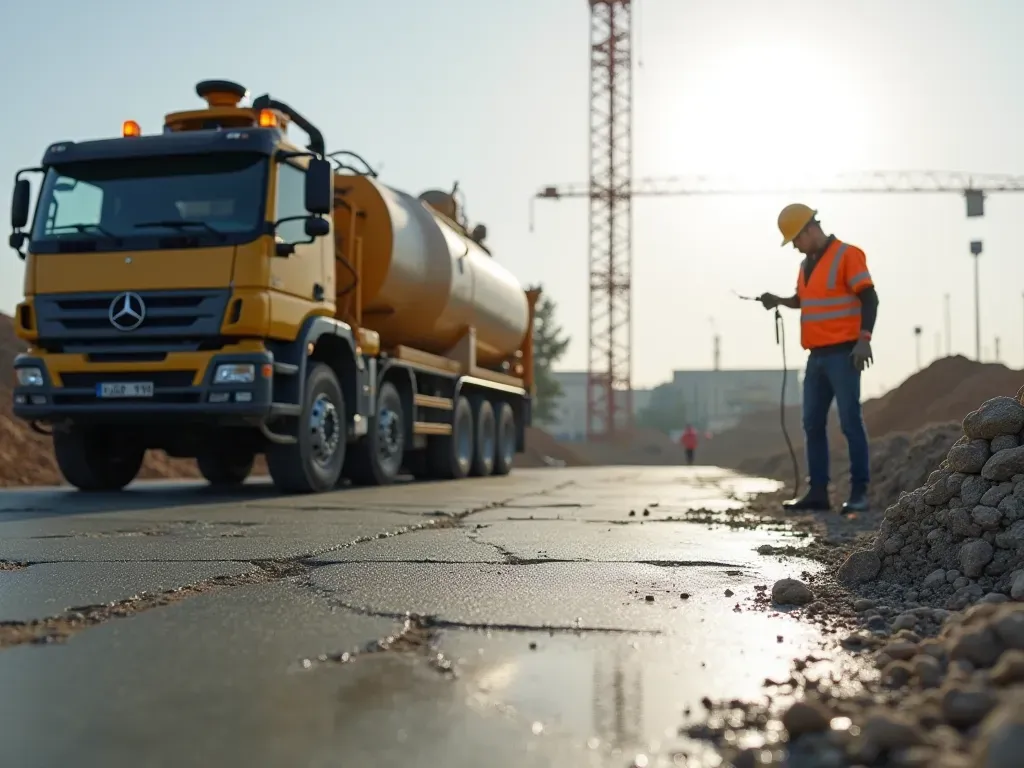
I was standing on a wet slab in Ohio last Tuesday when the mixer started shuddering. The driver looked at me with that empty stare you only see in high-stress industrial jobs. He said the load was perfect. It wasn't.
That shudder cost my client $30,000 in re-pouring costs. It also nearly killed a foreman who was working below the discharge chute. We didn't check their safety logs because we were too busy checking prices.
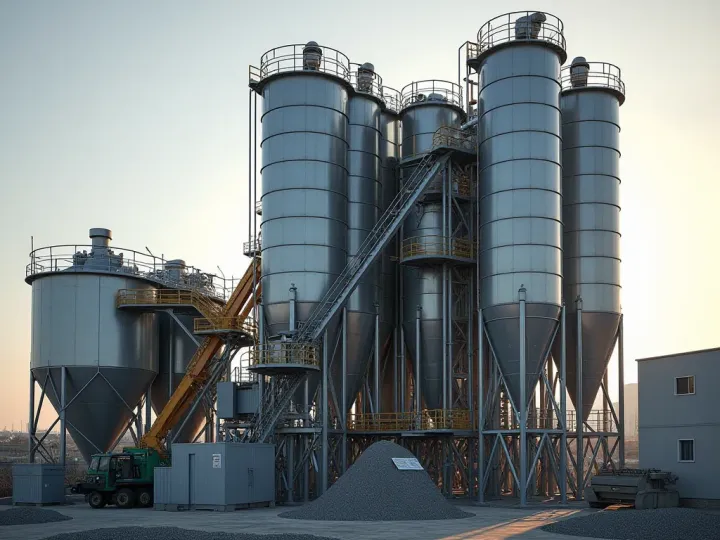
Most people search for a ready mix plant near me and pick the first name on Google. That is a massive gamble with human lives. The distance matters less than the invisible infrastructure behind that truck.
Why Proximity Is a Dangerous Shortcut for Safety Decisions
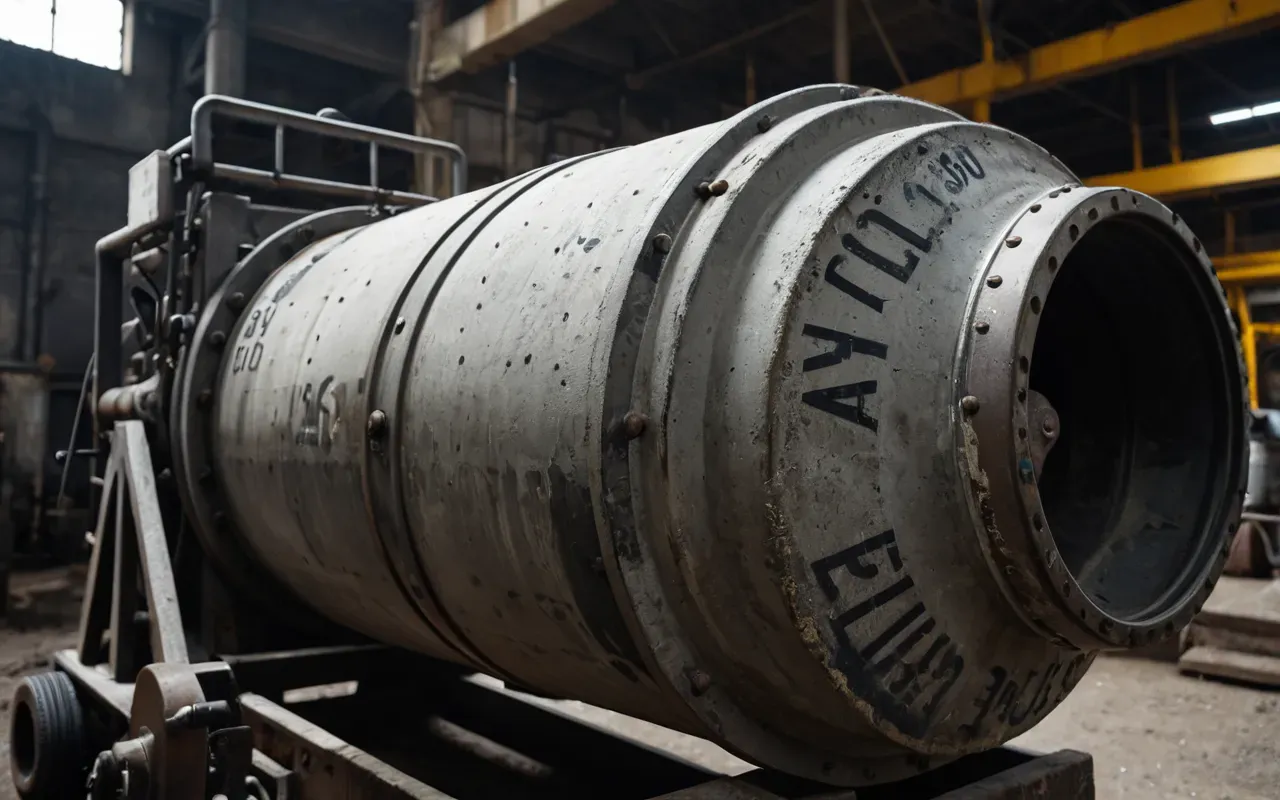
We assume that being close means better service. In reality, local plants often have older equipment to keep overhead costs low. Older machines fail in unpredictable ways.
I once audited a plant forty minutes away from a job site. Their automation system was from the nineties. The operator had to manually adjust water ratios based on gut feeling. That is not consistency; that is chaos.
You are not buying concrete. You are buying a safety record and a maintenance schedule wrapped in cement powder. If you do not ask the right questions first, you will pay for your ignorance later.
Question One What Does Their Safety Audit Look Like Right Now
Do not ask if they are safe. That is a leading question that invites a yes answer. Ask for their most recent third-party audit report. If they do not have one, walk away immediately.
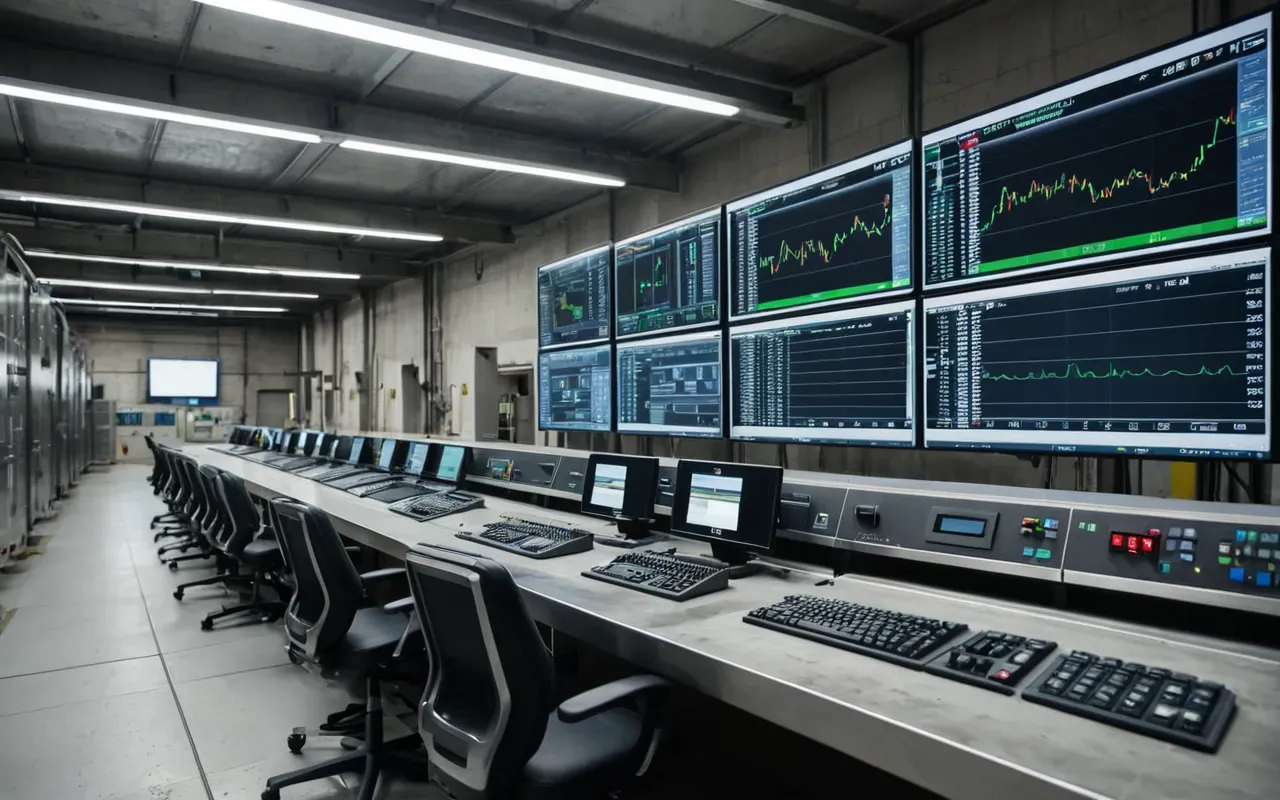
A reliable supplier will hand you a document stamped with a date from the last ninety days. It lists every sensor calibration and emergency stop test performed on their batching units.
The Specific Metrics That Separate Professional Plants from Hobbyists
Look for ISO 9001 certification mentions in the report. This standard ensures quality management systems are in place. It is not just a badge; it is a promise of procedural rigor.
Also check for their incident frequency rate. A good plant will have zero lost-time injuries in the last two years. If they hesitate to share this number, that is your red flag.
I have seen companies hide minor incidents by classifying them as near misses. Ask specifically about lost-time injuries. Be precise with your language to avoid vague answers.
Question Two How Automated Is Their Mixing Process Today
Manual mixing is a relic of the past. If an operator has to physically turn valves for every load, you are exposed to human error. Humans get tired and make mistakes.
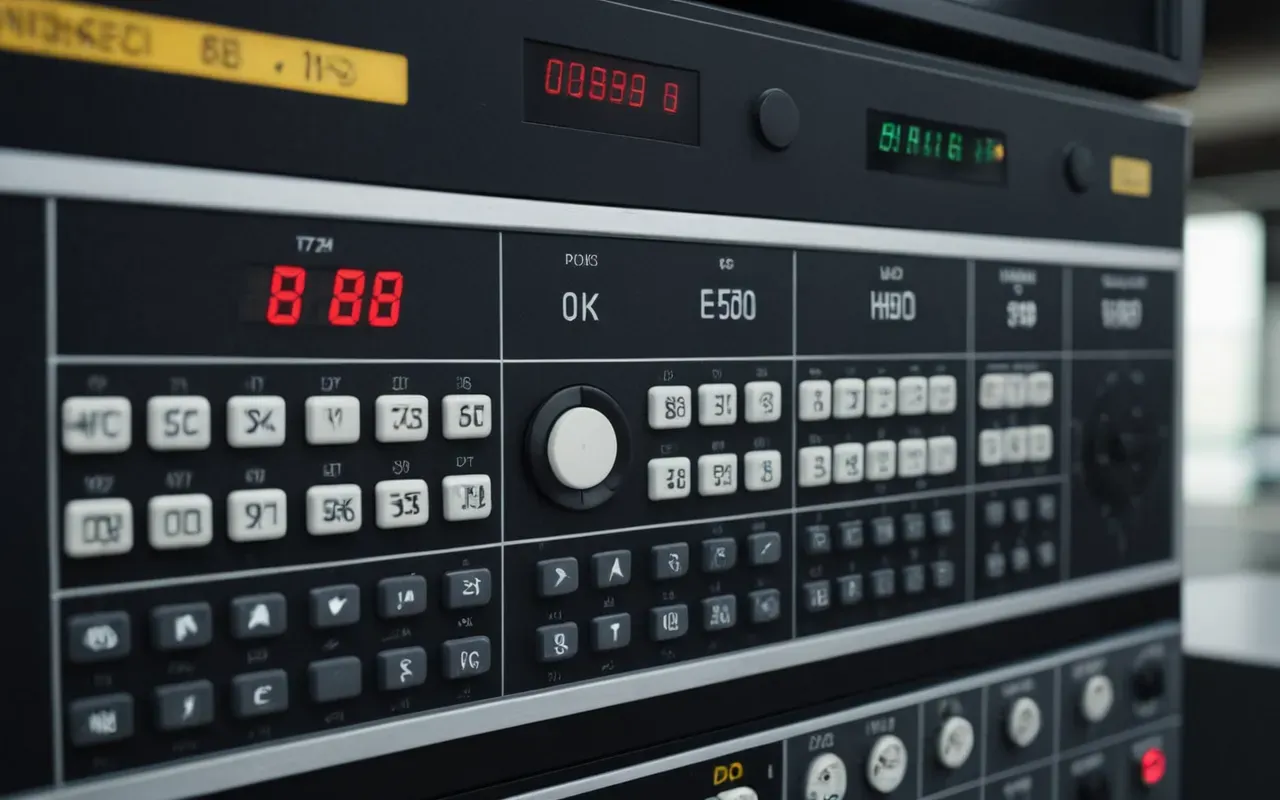
Modern plants use computerized batching systems that weigh ingredients to the kilogram. The software locks out incorrect ratios before mixing begins. This eliminates guesswork and protects workers from overloading.
Why Automation Reduces Risk for Your On-Site Crew
When the mix is consistent, you spend less time troubleshooting on site. Your crew can focus on placement instead of fixing slumps or segregation issues caused by poor batching.
I once watched a crew spend six hours correcting a bad mix because the supplier used manual estimation. That time was lost productivity and increased fatigue for everyone involved.
Ask the supplier if their system logs every batch automatically. If they can show you a digital history of previous loads for your specific project type, trust them.
Question Three What Is Their Real Cost Structure Beyond the Ticket Price
The price per cubic yard is only part of the equation. You need to understand the total cost of ownership for your project timeline.
Cheap concrete often means delayed deliveries. If a plant is undercapitalized, they will prioritize larger or higher-margin jobs over yours. Your schedule slips while you wait.
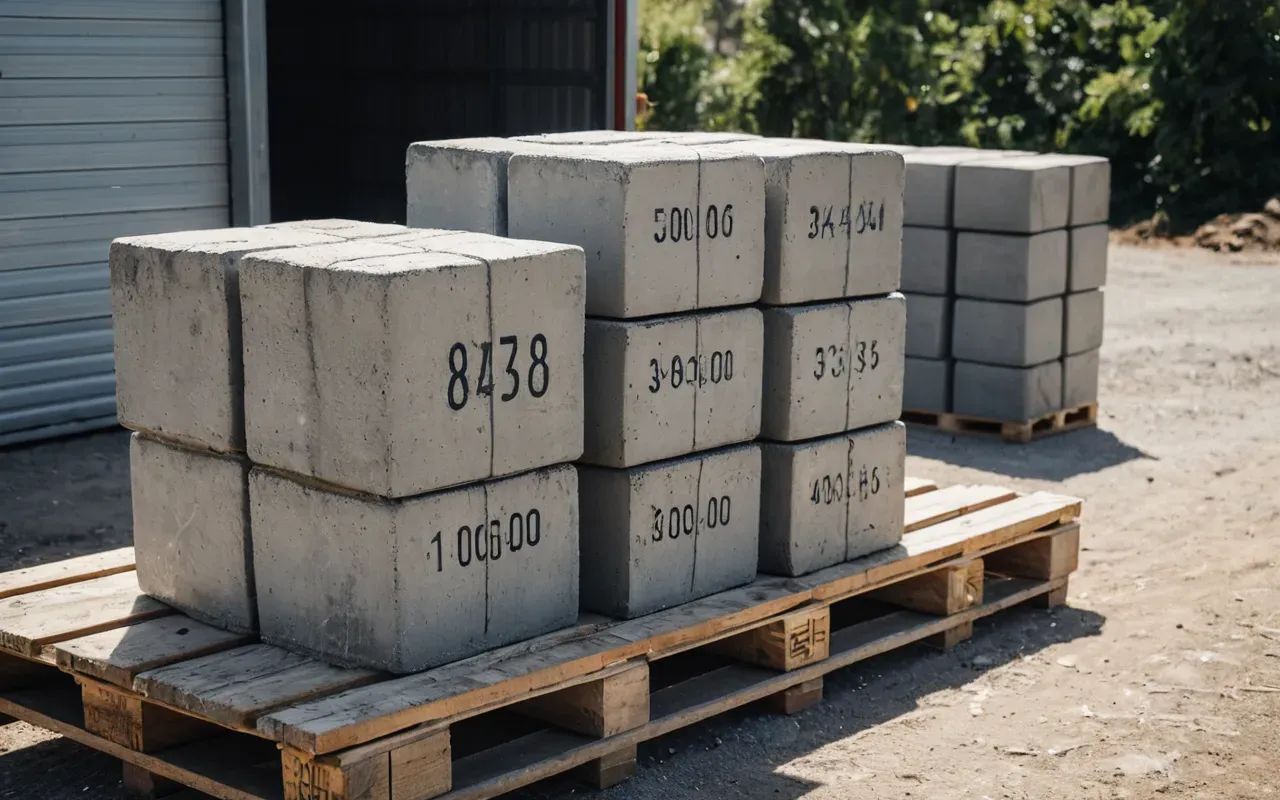
Hidden Fees That Bleed Your Budget Dry Without You Knowing
Ask about minimum order quantities and delivery surcharges for remote sites. Some suppliers charge extra for fuel when the job site is more than twenty miles away.
There are also penalties for short notices or last-minute changes to the mix design. Get these terms in writing before you sign anything.
I found a supplier who quoted low prices but added a $500 fee for every change in aggregate size. Over a month-long project, that extra cost exceeded the savings from their lower base rate.
The Insider Perspective on Choosing Your Concrete Partner Wisely
You are not just buying a material. You are entering a partnership with an industrial entity that has its own culture and priorities.
Visit the plant if possible. Watch how workers move around the equipment. Are they wearing proper PPE? Do they look alert or exhausted?
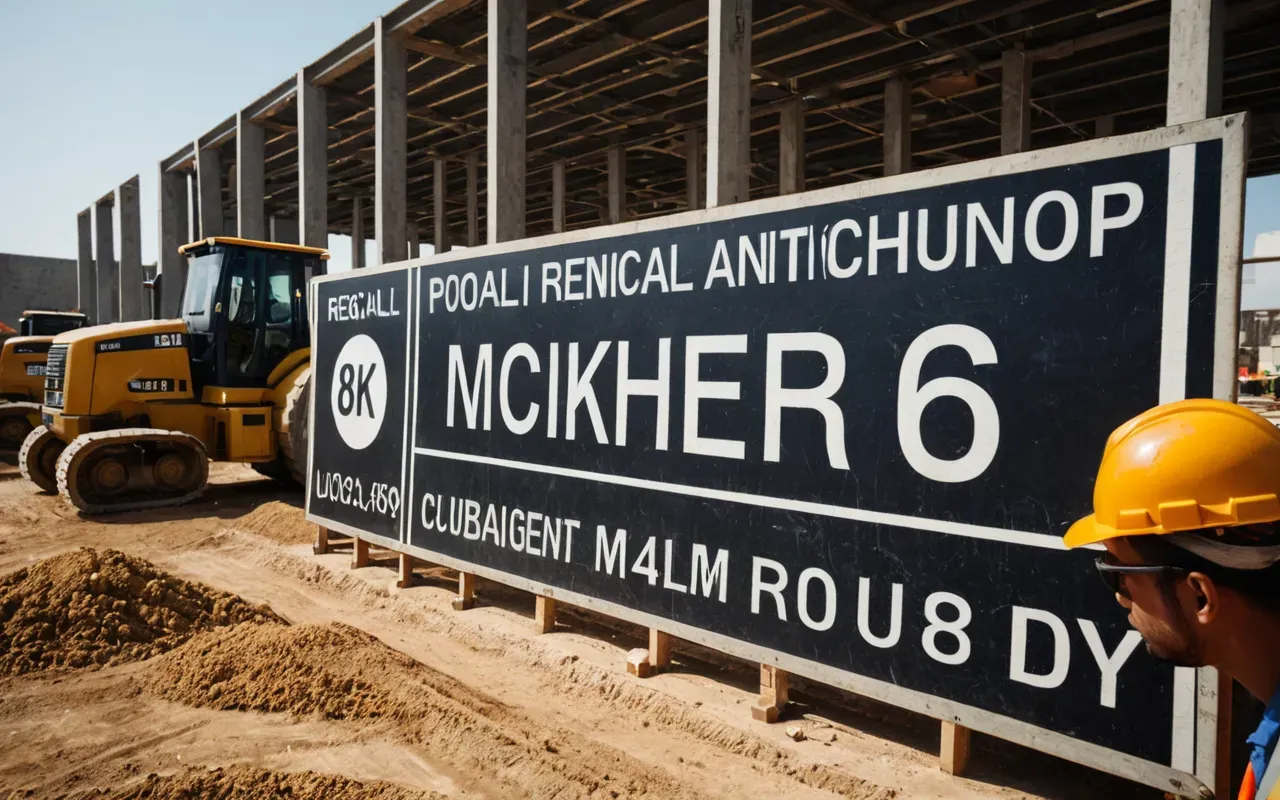
What to Look for During a Physical Site Inspection
Check the cleanliness of the mixing area. A dirty plant often indicates poor maintenance habits elsewhere in their operations.
Look for clear signage and marked walkways. If the plant floor is cluttered with random tools or materials, their organizational skills are lacking.
Talk to the maintenance crew if you can. Ask them how long they have been with the company. High turnover in technical roles is a sign of burnout and poor management.
Real World Consequences of Choosing the Wrong Local Supplier
In 2023 I managed a project where the chosen supplier ran out of aggregate mid-pour. The mix stopped and we had to wait four hours for a replacement truck.
The concrete set unevenly because of the delay. We had to break out and redo two sections of the foundation. That was a direct result of not verifying their inventory depth.
This is why you must ask about their supply chain resilience. Do they have backup sources for key materials? Can they guarantee delivery during peak demand seasons?
Frequently Asked Questions
How do I verify the safety credentials of a concrete supplier?
Request their most recent third-party audit report and ISO certification. Ask for specific incident frequency rates from the last two years to gauge their actual safety performance.
What is the difference between manual and automated batching?
Manual batching relies on operator estimation which leads to inconsistency. Automated systems use computerized weighing and locking mechanisms to ensure precise mix ratios every time.
Why is the ticket price not enough for budgeting?
Hidden fees like delivery surcharges and change order penalties can significantly increase total costs. You must understand the full cost structure including minimums and remote site charges.
Can I visit a ready mix plant before placing an order?
Yes you should. A site inspection reveals maintenance habits and safety culture that documents do not show. Look for clean work areas and alert staff to assess their operational standards.
Comments ()