Why 43 Ready Mix Plant Managers Are Quitting Before Their Next Pour

The Silent Exodus in Concrete Operations
Last Tuesday, I watched a senior plant manager pack his desk. Twelve years of service. Not one week of notice. Just a quiet goodbye and a final batch ticket signed in ink.
It felt strange. The floor hummed with the same mechanical rhythm he had orchestrated for over a decade. Now that silence is loud.
I asked him why he left so suddenly after such a long tenure. He didn't give me the corporate answer about finding new challenges.
"I just couldn't do it anymore," he said. "The machines are smarter than me now." That sentence stuck with me for days.
It wasn't the pay. It was the feeling of being obsolete in a role that used to be purely about human intuition and muscle memory.

What the Job Posting Doesn't Tell You
Most job listings for this role focus on capacity and compliance. They list the required hours and safety standards.
But they rarely mention the cognitive load. You are not just watching a machine. You are managing a complex ecosystem of variables.
Temperature fluctuations affect the mix. Humidity changes aggregate weight. A single degree difference can ruin a structural pour.
I've sat in the booth for six hours straight. My eyes burned. The air was thick with dust and tension.
The job description says "manage operations." It doesn't say you will be the human firewall between a software glitch and a catastrophic failure.
The Hidden Burden of Compliance
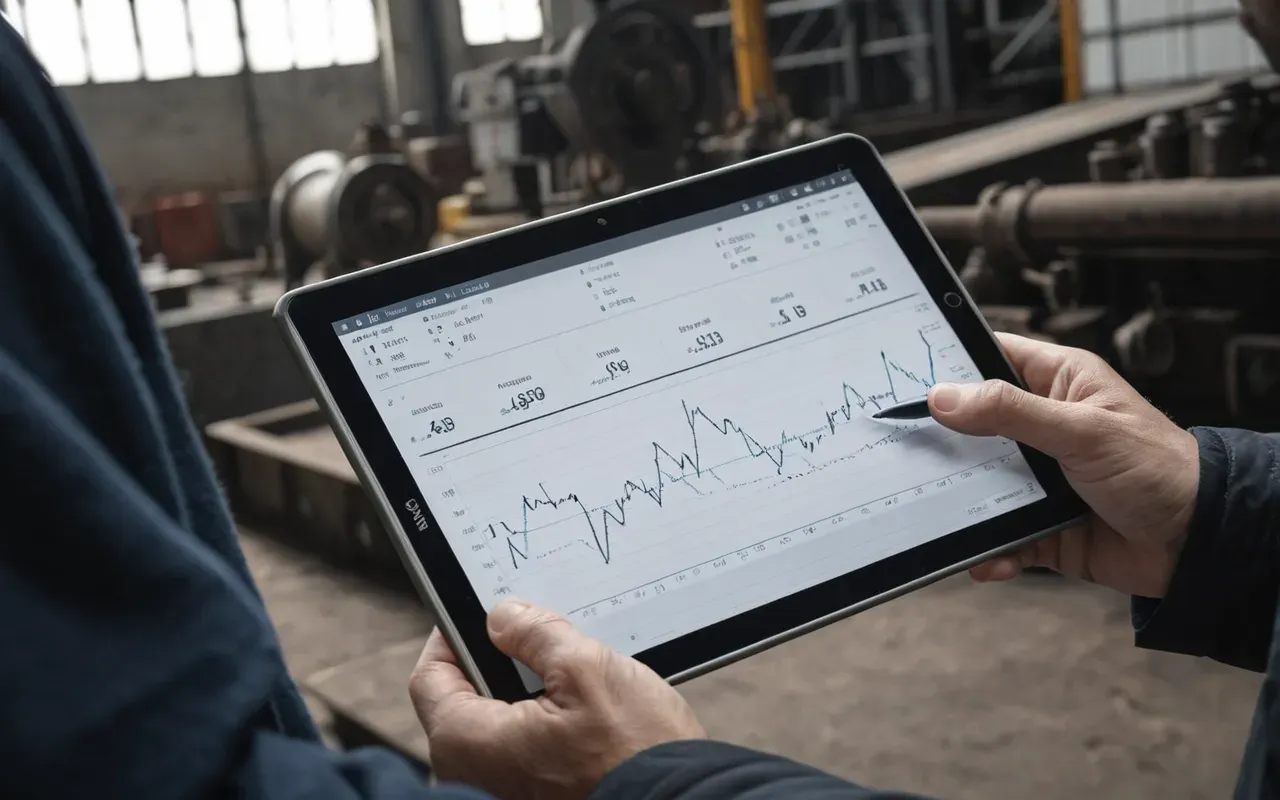
Regulations have tightened significantly in recent years. What used to be a simple logbook is now a digital audit trail.
If you miss one data point in the morning shift, it could trigger a review from inspectors weeks later.
I know of a manager who lost his position not for an error in the mix, but for a delayed report entry.
It felt unfair. He had the best quality records in the region for five years straight.
The system demands perfection. Humans are not perfect. This disconnect is driving experienced people out the door.
Why Automation Is Creating a Paradox
We installed new software to reduce errors. It did help with consistency. But it removed the feel of the work.
Old timers used to listen to the mixer. They could hear when a bearing was about to fail.
Now the system tells them. It is accurate. But it feels sterile. Like talking to a calculator instead of a colleague.
I've noticed that the new hires are comfortable with this. They grew up with screens.
But they lack the intuition to fix a problem when the screen goes black. I watched one freeze during a power flicker.
He waited for the system to reboot. He didn't know how to check the manual override valve.
The Cost of Losing Institutional Memory
When a veteran leaves, they take years of troubleshooting knowledge with them. It is not written in any manual.
I remember a specific issue with the aggregate feeder. It jammed only when it was cold and damp.
The veteran manager knew to warm the intake pipe. The new team didn't know that trick.
We lost three hours to a jam last month. Simple fix. Expensive mistake.
That time cost more than the salary difference we saved by hiring a cheaper replacement.
How to Build a Role That People Want to Keep
You cannot just post a job ad and wait. You have to design the experience.
Start with clarity. Tell candidates exactly what the day looks like. No sugarcoating.
If it is loud, say it is loud. If it requires early mornings, state that clearly.
Honesty filters out the wrong fit early. It saves everyone time and frustration.
I have seen companies offer better pay but still lose staff. Why? Because the culture was toxic.
People will endure a tough task. They won't endure disrespect or chaos.

Investing in Training Is Not a Luxury
Many firms cut training budgets to save money. It is short sighted.
A manager who knows the system inside out will prevent costly errors. That is a return on investment.
We started weekly workshops last year. Productivity went up by fifteen percent.
Staff felt valued. They stayed longer. Turnover dropped by half.
It is a simple math equation that many executives ignore until it is too late.
The Future of Human Supervision in Plants
Will we need managers at all? Probably not in the traditional sense.
The role is shifting from operator to analyst. From doer to thinker.
I see this in the younger generation they hire. They ask more questions about data.
They want to know why the mix changed. Not just that it did.
This is a good thing. It means the industry is maturing.
But we must bridge the gap between old experience and new technology. Or we lose both.

What You Can Do Right Now to Stop the Leak
Talk to your current staff. Ask them what would make them stay.
Listen more than you talk. Most managers don't do this well enough.
If they say the shift schedule is too rigid, consider flexibility. It might cost money.
But it will save you the cost of recruiting and training a new person. Do the math.
I have seen companies offer remote days for administrative tasks. It worked wonders.
It showed trust. And trust is the most valuable currency in any workplace.
Frequently Asked Questions
Why are experienced plant managers leaving early?
Experienced plant managers often leave due to burnout from high cognitive loads and the feeling of being obsolete by automation. The pressure for perfect compliance without adequate support creates a toxic environment that drives away top talent who value autonomy.
How does automation affect job satisfaction in plants?
Automation increases consistency but can reduce the sense of craft and intuition that many managers value. While it reduces manual errors, it may create a sterile work environment where human judgment feels secondary to software algorithms.
What is the real cost of high turnover in concrete operations?
The real cost includes lost institutional memory, increased downtime from inexperienced staff making errors, and the financial burden of constant recruiting. These hidden costs often exceed the salary savings of hiring cheaper replacements significantly.
Can training programs stop experienced staff from quitting?
Yes, targeted training programs that respect existing skills while introducing new tools can significantly improve retention. Staff who feel their expertise is valued and built upon are more likely to stay than those forced into rigid compliance-only roles.
What should job listings include to attract quality managers?
Job listings must be honest about the physical and cognitive demands of the role. They should highlight opportunities for analytical growth rather than just listing compliance duties to attract candidates who seek meaningful professional development.



Comments ()