Why a concrete plant in your backyard is suddenly legal and why that scares everyone
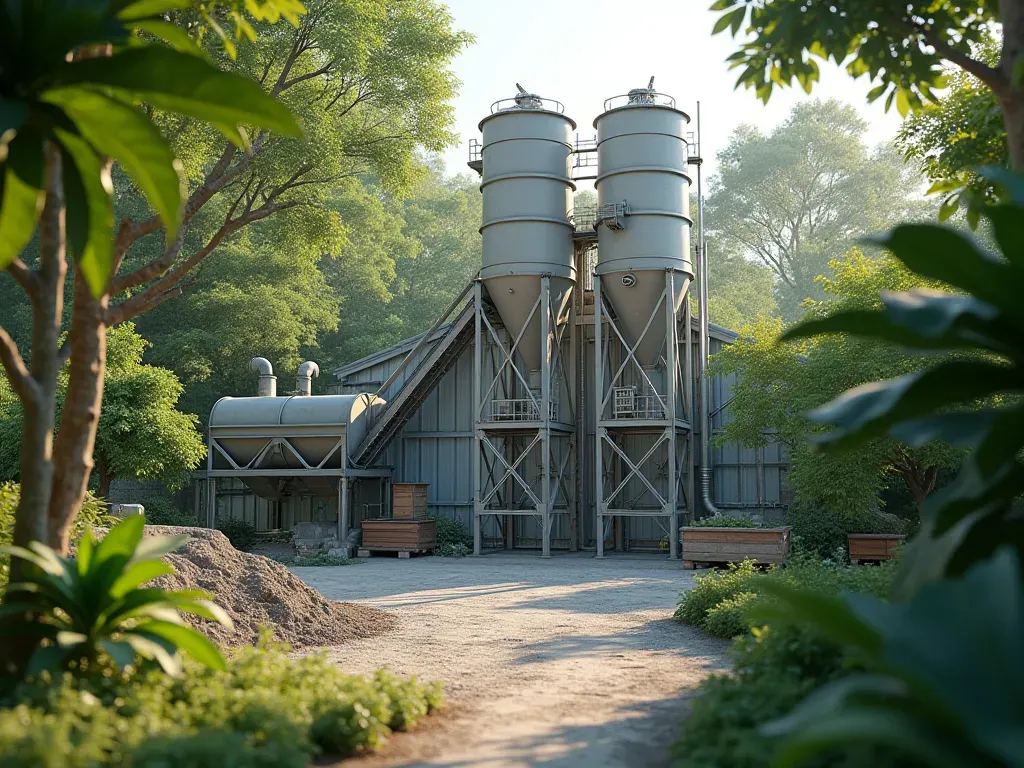
The rule change nobody expected from city hall
The audacity of this policy shift genuinely caught me off guard. For years, we assumed concrete mixing had to happen far away from where people sleep.
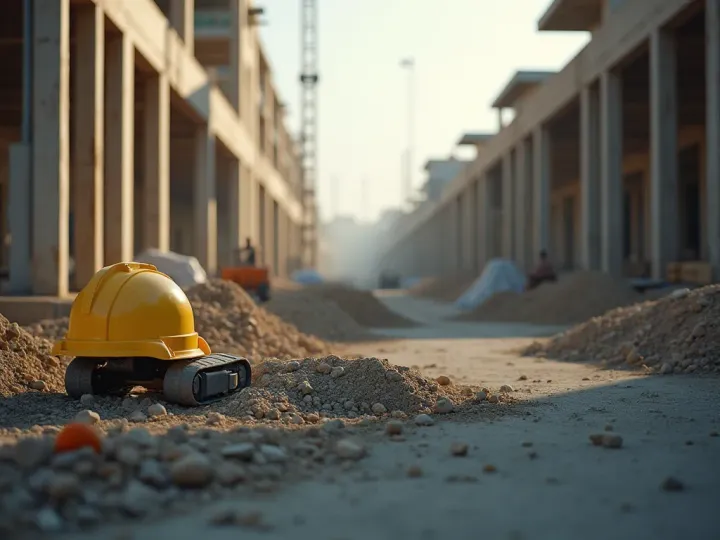
But the Ahmedabad Municipal Corporation just flipped that script. Onsite plants are now allowed within a one-kilometer radius — for smaller plots, anyway.
This is not a minor tweak. It changes the logistics of how buildings go up in dense urban areas.
The catch is specific. The plot size must not exceed , square meters.
Bigger than that? The old rules still apply. The plant stays on the premises.
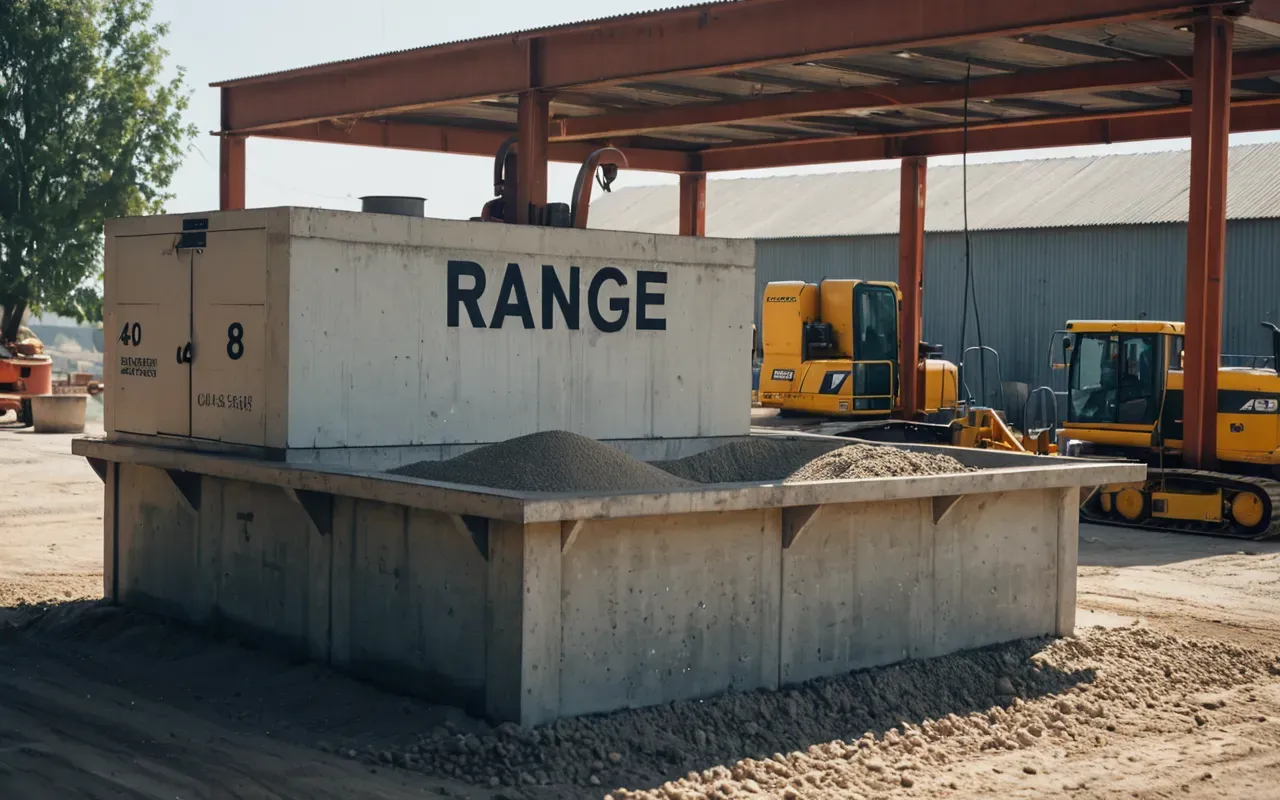
Why one kilometer is a dangerous distance for neighbors
Look at the numbers. One kilometer sounds small on a map.
But in reality, that is enough space to fit several residential blocks. You are mixing cement right next door.
The city argues this reduces transport emissions. Fewer trucks means less carbon on the road.
But does it solve the air quality problem? Honestly, I am skeptical. Dust from mixing is a major issue.
The policy claims strict environmental controls are in place. We will see if they hold up under pressure.
The zoning battle for commercial concrete facilities
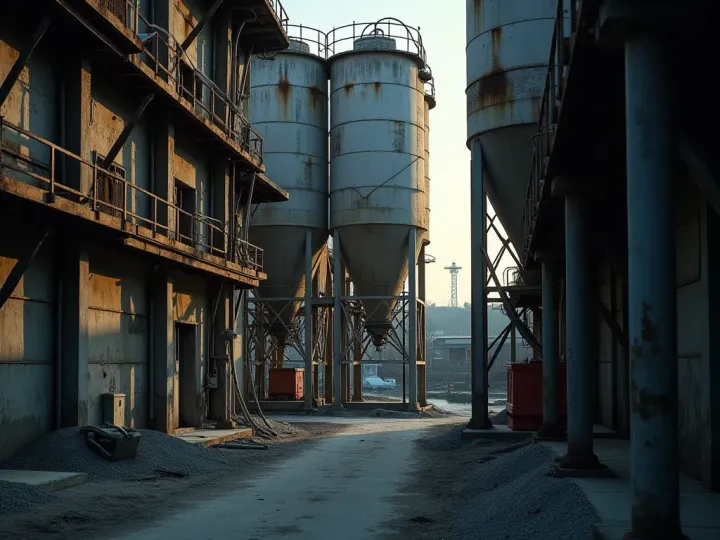
While onsite plants get some flexibility, offsite commercial plants face stricter rules.
They are now banned from residential and commercial zones. Period.
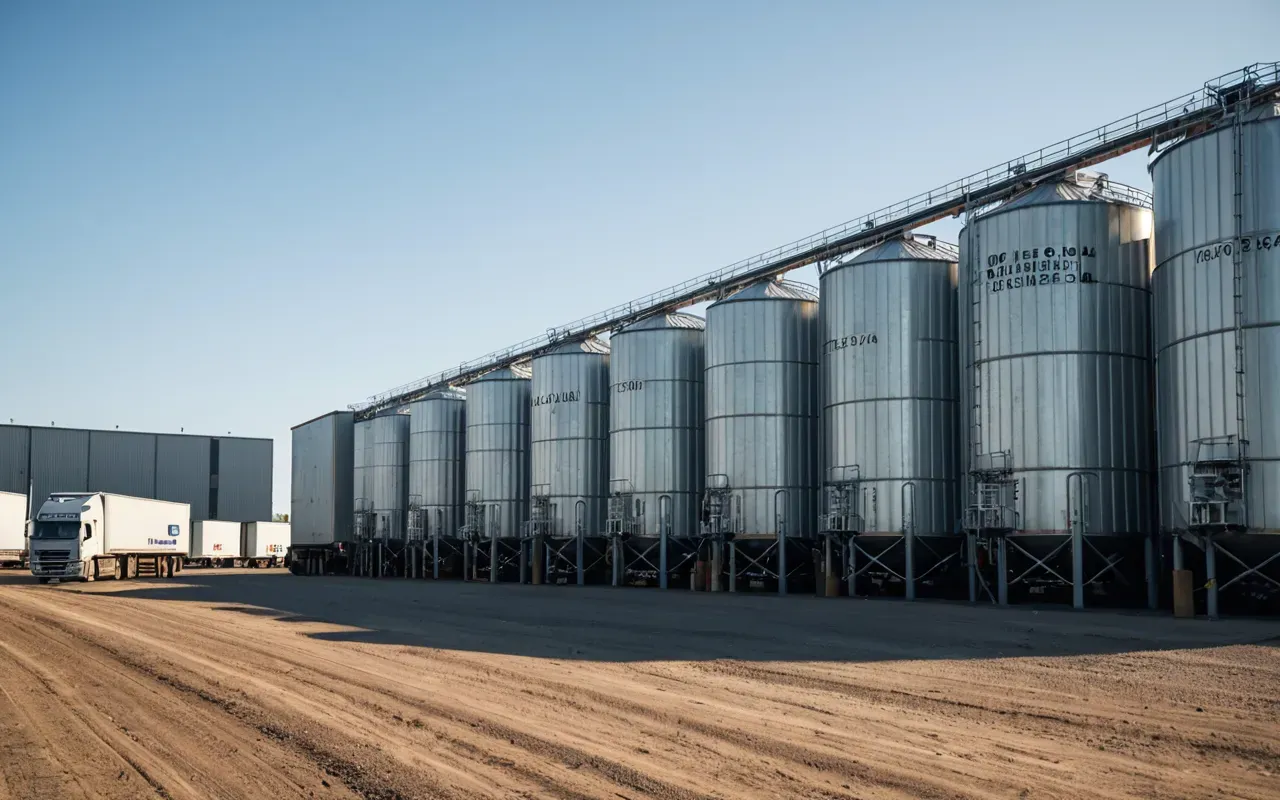
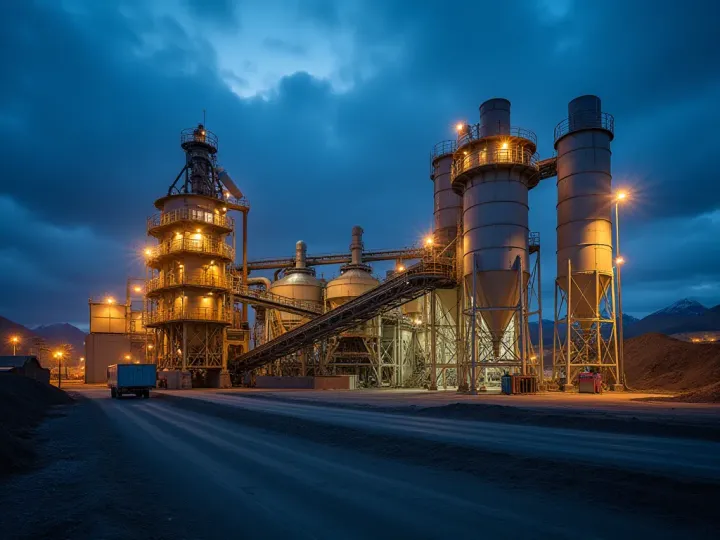
These plants must move to industrial or agricultural land. This is a clear attempt to separate heavy industry from homes.
This follows earlier moves in May and September. The city has been pushing this agenda for months.
The goal is simple. Keep the heavy machinery away from densely populated neighborhoods.
Who wins and who loses in this new landscape
Developers of smaller projects are the clear winners here. They save on logistics costs.
They can mix fresh concrete exactly when they need it. No waiting for trucks to arrive.
But residents near these sites are the potential losers. More noise and dust in their daily lives.
If you live near a construction zone, this change could affect your property value and quality of life.
The hidden cost of compliance for small builders
Setting up an onsite plant is not cheap. You need permits and safety gear.
For small builders, this might be a hurdle. They may prefer buying ready-mix from established suppliers.
This could actually benefit large concrete manufacturers. They might see increased demand for their offsite products.
Operational requirements that keep plants temporary
There is a sunset clause in this policy. It matters more than you think.
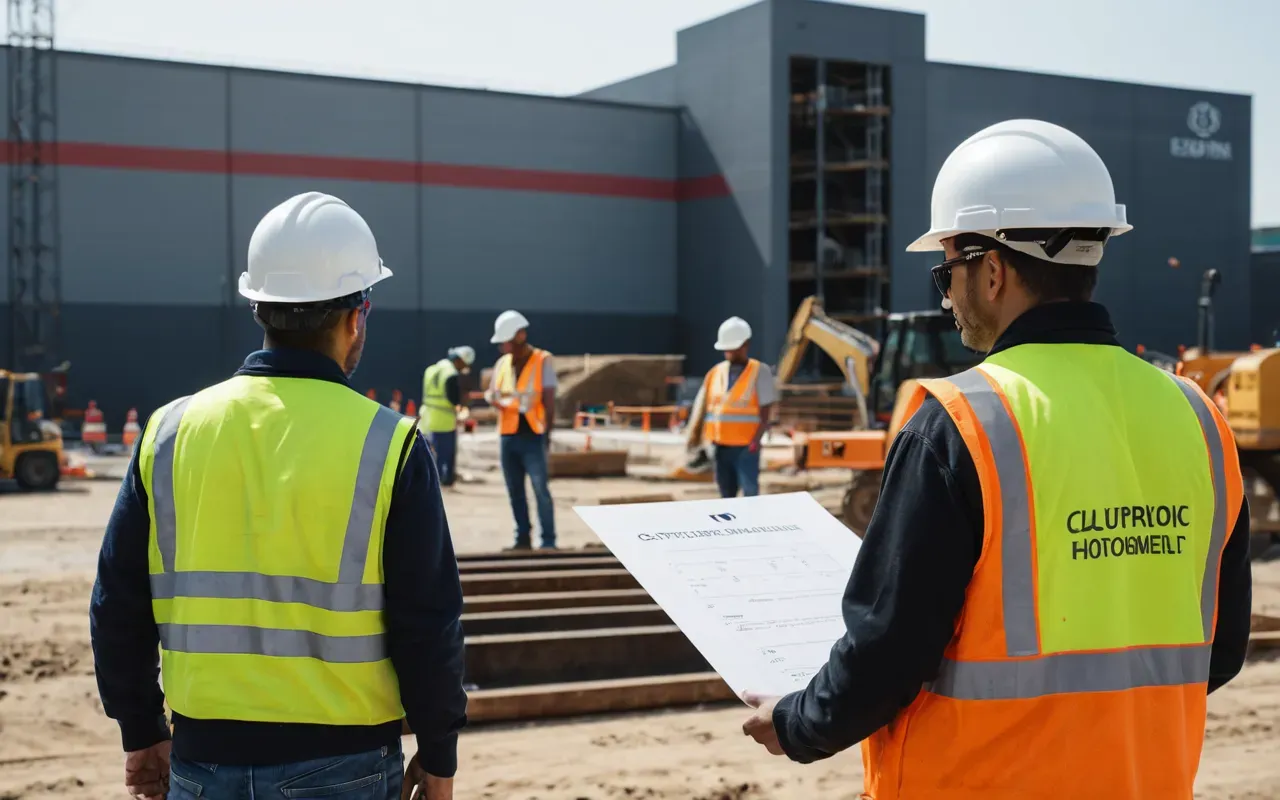
Once the building gets its use permission, the plant must be removed. Immediately.
This prevents temporary setups from becoming permanent fixtures in residential areas.
Developers must declare their plans during the initial application process. No surprises allowed.
This transparency helps the city track where these plants are located and for how long.
What this means for the future of urban construction
This policy is a test case. Other cities might follow suit if it works well.
If air quality improves and costs drop, we might see more onsite mixing everywhere.
But if complaints rise and dust levels spike, the policy could be reversed quickly.
We are watching closely. The next few months will tell us if this balance is sustainable.
For now, the construction industry has a new option. Whether it is a good one remains to be seen.
The decision rests with the state government for final approval. Keep an eye on local news.
If you are in the construction sector, review your logistics strategy now. This change could impact your budget.
Comments ()