Why your construction equipment is quietly losing money despite record sales
The Silent Margin Erosion Hiding Behind Record Sales Numbers
Here's a number worth pausing over. Sales volumes are projected to jump ten percent next year. And yet profit per unit? Dropping, and dropping sharply.
ICRA just released its latest forecast for mining and construction equipment. The firm expects industry volumes to reach one hundred fifty thousand units in FY — a real rebound after last year's two percent dip.
Now look closer at the balance sheet. Operating margins for the big players are sliding from eight point four percent down to six or seven percent. That's a hit of one hundred fifty basis points.
So why does this happen when demand is clearly rising? Input costs. Steel is up. Logistics fees have spiked on regional instability. And imported components cost more thanks to currency depreciation.
Who Wins When Exports Become the Lifeline of a Domestic Industry
The domestic market is strong, but it isn't the whole story. Exports have turned into a genuine growth driver for many manufacturers in this sector.
In the first five months of this financial year, export volumes rose thirty-four percent. Exports' share of total revenue nearly doubled, to roughly seventeen percent.
The United States is still the biggest destination for these machines, taking fifteen percent of all exports. Africa and Saudi Arabia sit close behind.
None of this happened by accident. Better emission compliance and stronger cost competitiveness against global rivals are doing the work.
The Infrastructure Push That Is Fueling the Equipment Boom
Government capital expenditure is the real engine here. Spending surged nearly thirty percent in the first four months of the year.
That money is flowing into highways and rural roads. The National Highways Authority of India has stayed busy awarding contracts for major projects.
Local sales still account for over eighty percent of total volume. And most equipment purchases get financed through loans, not cash.
Why Backhoes and Excavators Are Carrying the Entire Growth Load
Not every equipment segment is growing at the same pace, though. Earthmoving is doing almost all the heavy lifting right now.
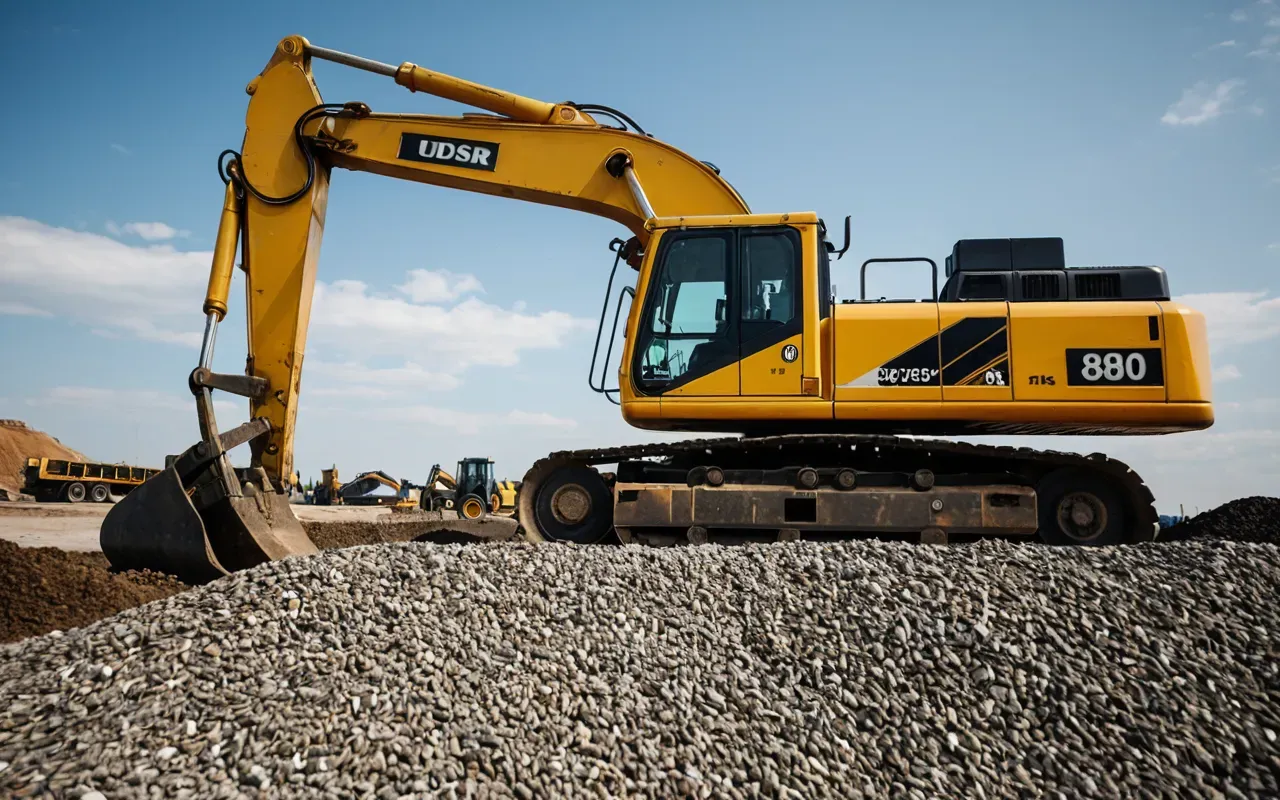
Backhoe loaders and crawler excavators together make up more than ninety percent of total sales. That concentration cuts both ways — opportunity and risk.
Backhoe loader volumes rose eleven percent year on year, helped by better project execution and higher public infrastructure spending.
Excavators are strong too. Volumes climbed seventeen percent in the current period, with mini excavators seeing especially high adoption.
The Mixed Signals from Material Handling and Road Equipment
Material handling equipment had a rough start to the year but is rebounding now. Volumes are up forty percent in recent months.
That rebound rides on demand for pick-and-carry cranes used in logistics and industrial settings. A healthy recovery, honestly.
Road equipment, however, is struggling. Volumes fell four percent year on year, tracking slower project awards by highway authorities.
The Hidden Cost Pressure Squeezing Profitability Across the Board
Stiff competition is capping pricing flexibility. Manufacturers can't easily pass higher costs to buyers without losing market share.
Steel prices remain elevated. For heavy machinery producers across the region, that's a direct hit to the cost base.
Logistics costs have spiked as well. Regional instability in West Asia is disrupting shipping routes and pushing up fuel expenses for transport.
Imported components cost more because of currency depreciation, which hits final assembly lines and raises the total bill of materials.
What This Means for Contractors and Equipment Buyers Right Now
If you're planning to buy heavy machinery this year, timing matters. Volumes are high, but supplier margins are thin.
Which could mean more aggressive financing offers from manufacturers. They want units moving off the lot while demand holds.
Service and spare parts availability, though, may get tighter. With exports rising this fast, domestic support networks could face strain.
The Long Term Outlook for a Resilient and Adapting Industry
Despite the margin squeeze, the credit profile of major players stays stable. Strong cash accruals and limited external debt provide a buffer.
The industry is adapting to global shifts. Export diversification and a better product mix are offsetting domestic cost pressures.
For the next few years, expect continued growth in earthmoving equipment. The government infrastructure push should keep demand high through FY.
The real question: can manufacturers maintain quality and service levels while scaling production? That's what will decide long term customer loyalty.
Comments ()