Why Construction Sites Are Failing at Their Most Critical Hour
The First Hour Is Everything
The siren stops. The dust settles. And then the real work begins. Most construction managers think the emergency ends when the ambulance leaves. They are wrong. The first 24 hours after an incident are actually where careers, lawsuits, and safety cultures are made or broken. It is not about the accident itself. It is about what happens next.
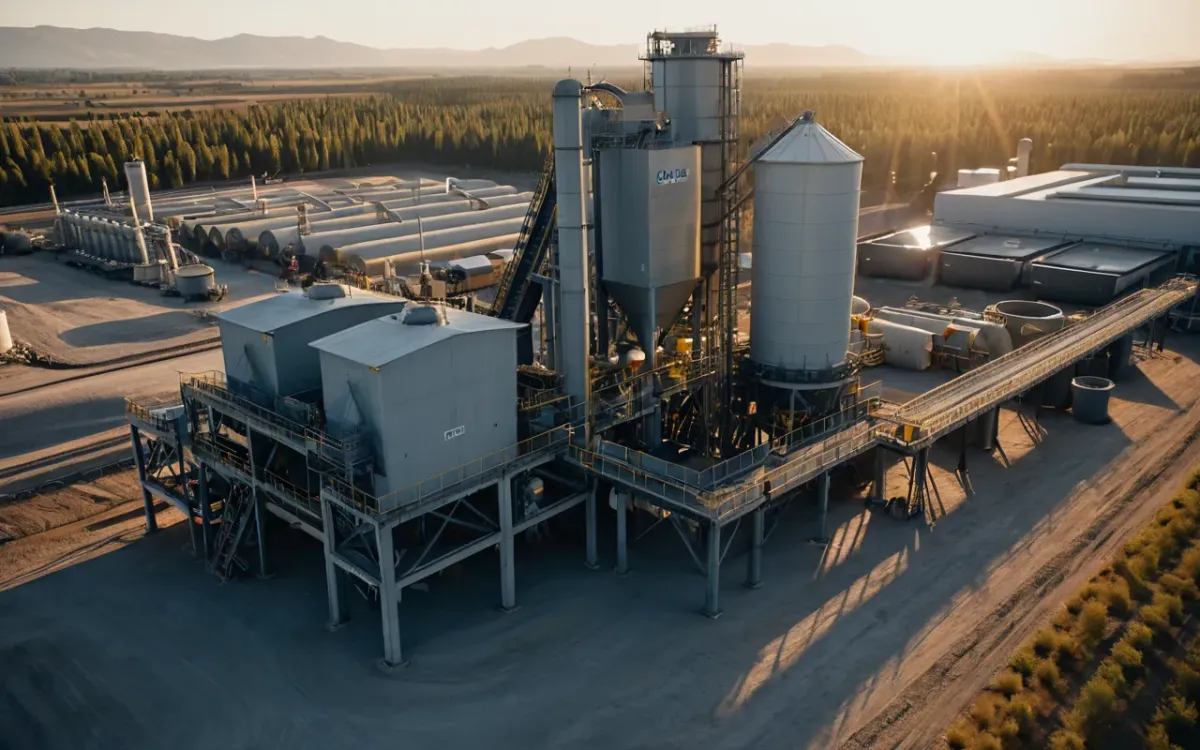
I have walked through enough sites to know the pattern. Chaos. Then silence. Then blame. If you do not secure that scene immediately, you lose the truth. And once the truth is gone, you are left with guesses. That is dangerous. A ready-mix plant site is no different. Concrete keeps flowing. Pressure mounts. But if you rush to clear the scene, you might just be burying evidence that could save lives later.
Here is the thing nobody wants to admit. Speed kills. Not just on the job site. But in the response too. When supervisors push to resume operations too quickly, they destroy the chain of custody for evidence. They lose witness clarity. They create a narrative that protects the company but hides the flaw. And that flaw? It is waiting to bite you again.
The Evidence Vanishes Faster Than You Think
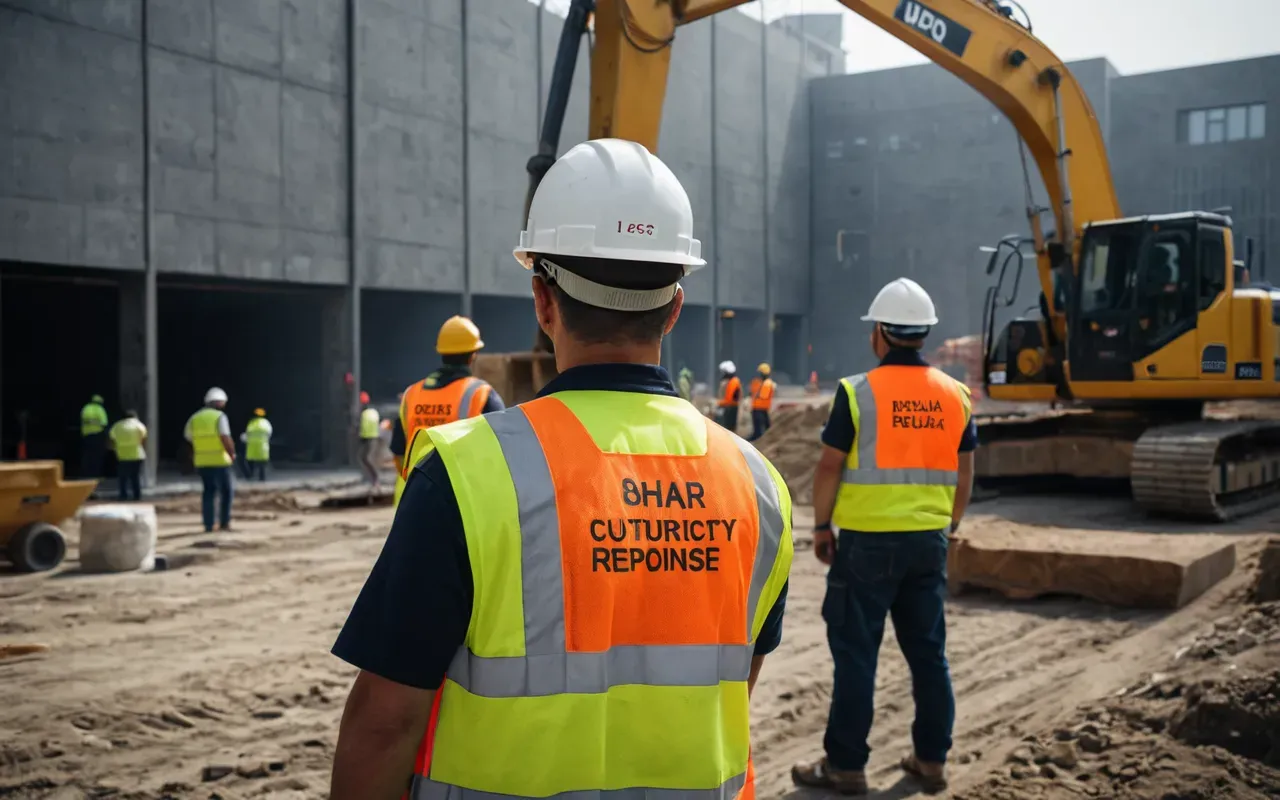
Think about it. A forklift rolls into a support beam. A worker slips on wet concrete near the batching area. What looks like a simple accident often hides a systemic failure. Maybe the guardrail was removed two weeks ago. Maybe the maintenance log was signed off without inspection. Maybe the training was just a checkbox exercise. None of that matters if you clean up before documenting.
I recall a project in Texas where a near-miss at a ready-mix facility turned into a full investigation. Why? Because someone photographed the scene before anyone moved an inch. That single photo revealed a cracked conveyor belt that had been reported months earlier. Management ignored it. The photo did not. Sometimes the smallest detail prevents the next tragedy.
You need a plan. Not a theoretical one. A real, drilled, practiced emergency response protocol. And it must start before the accident happens. If your team does not know who secures the scene, who calls OSHA, and who interviews witnesses, you are already behind. By the time you figure it out, the clock has ticked past the point of no return.
The Ready-Mix Plant Blind Spot
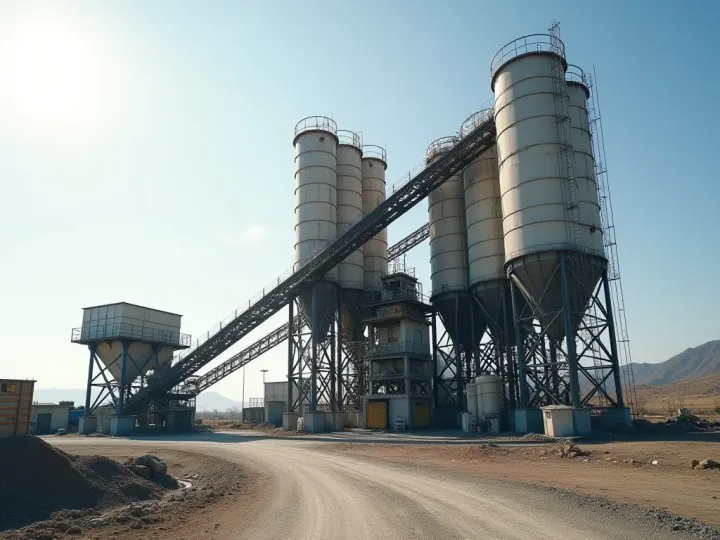
Ready-mix plants are the backbone of modern construction. They pour the foundations of skyscrapers, bridges, and homes. But they also carry unique risks. Heavy machinery. Dust exposure. High-pressure lines. Moving trucks. When something goes wrong, the scale can be catastrophic. Yet most safety plans treat these facilities like generic job sites. That is a mistake.
The complexity of a ready-mix operation demands specialized incident response. You cannot just cordon off a parking lot. You have active batching cycles. You have chemical additives. You have pressurized systems. If an incident occurs, shutting down the wrong equipment could cause secondary failures. Leaving it running could worsen the injury. The decision must be immediate and informed.
And here is where most companies stumble. They rely on general safety officers who understand OSHA basics but lack plant-specific training. They do not simulate emergencies in the batching zone. They do not map evacuation routes that account for moving mixer trucks. When crisis hits, the gap in knowledge becomes a gap in protection. People pay for that ignorance.
Automation Is Your First Responder
Modern ready-mix plants are increasingly automated. Sensors track pressure. Cameras monitor blind spots. Software logs every batch. This technology should not just optimize production. It must be integrated into safety response. If a machine detects an anomaly, it should trigger an immediate shutdown and alert the safety team. Not tomorrow. Now.
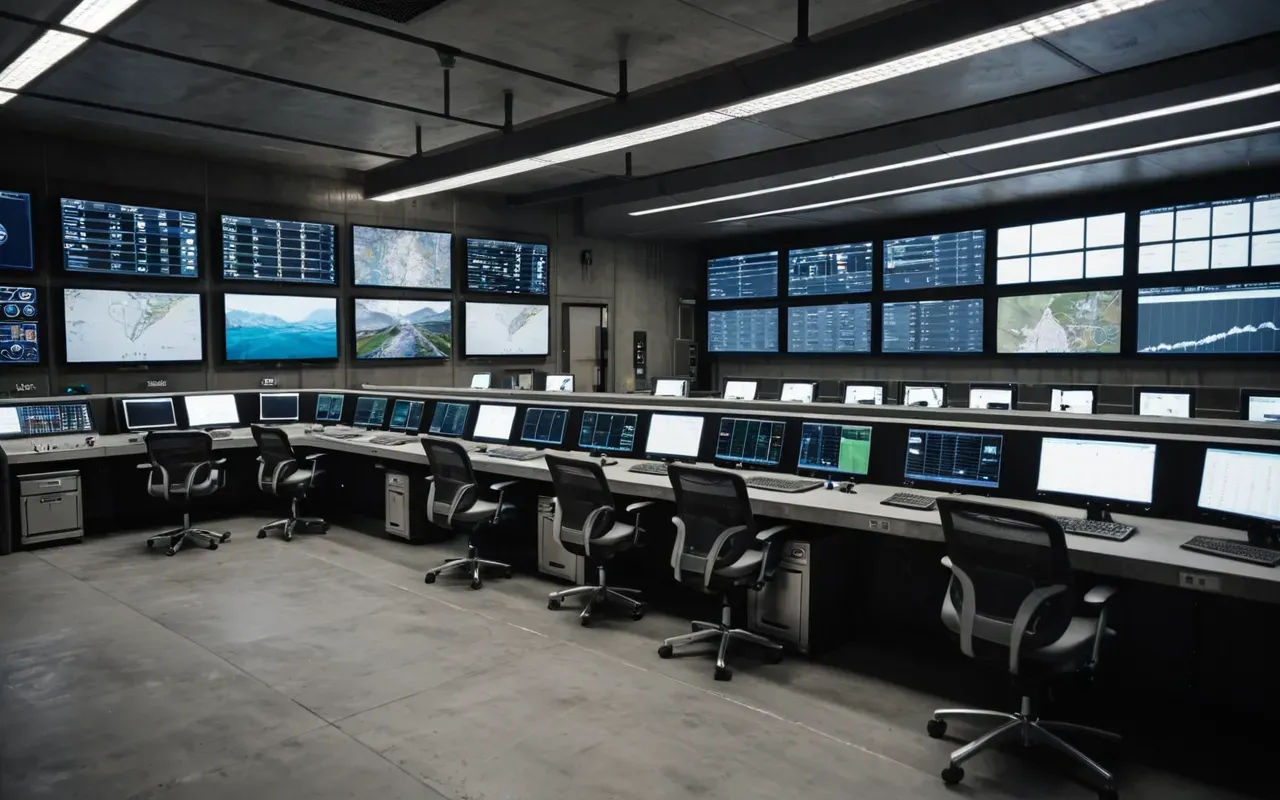
I have seen facilities where the control room acts like a mission center. Real-time dashboards show every variable. If a temperature spike occurs in the cement silo, the system isolates the zone before a human even notices. That is the future. And it is available today. Companies that ignore this are not just outdated. They are reckless.
But automation alone is not enough. You still need human judgment. You still need trained responders who understand the plant layout. You still need clear chains of command. Technology supports. It does not replace. The best systems combine smart sensors with drilled personnel. That is how you turn chaos into control.
Who Wins and Who Loses
Let us be honest. Safety costs money. Time. Resources. Some executives see incident response as a liability expense. Others see it as an investment. The difference defines the company. Those who cut corners on training, equipment, and protocols will eventually pay more. In lawsuits. In downtime. In lost reputation.
I have watched firms rebuild their safety programs after a major incident. The process is painful. But the result? Stronger culture. Better retention. Fewer accidents. Workers stay where they feel protected. Clients trust companies with clean records. Insurance premiums drop. The ROI is real. It just takes time to show up.
But not everyone gets that chance. Too many companies fail to learn. They patch the symptom. They ignore the root cause. They repeat the same mistakes. And the next time, someone gets hurt again. That is not just negligence. It is a systemic failure. And it is preventable. If you are serious about safety, you need to look deeper than the surface.
The Legal and Financial Fallout
OSHA fines are just the beginning. A poorly handled incident can trigger class-action lawsuits. Media scrutiny. Contractor blacklists. Stock drops. The financial impact ripples far beyond the job site. Insurance companies investigate. They look for patterns. If your response was slow or disorganized, premiums will skyrocket. Or worse, coverage will vanish.
I know a regional builder who lost a major government contract after an incident. The accident itself was minor. A trip and fall. But the response was chaotic. Evidence was disturbed. Witnesses were not interviewed properly. OSHA flagged the paperwork. The state agency revoked the certification. One bad day cost millions. All because the first 24 hours were mishandled.
This is not fear-mongering. This is reality. The construction industry is under scrutiny. Regulators are tighter. Workers are more informed. The public expects accountability. If your incident response plan is still a folder in a drawer, you are playing with fire. Literally and figuratively.
Building a Culture That Survives
Safety is not a department. It is a mindset. And it starts at the top. If executives talk about safety but prioritize speed, the message is clear. Words do not matter. Actions do. Workers notice. They see who gets praised. Who gets punished. Who gets protected. That culture determines how incidents are handled when the pressure is on.
I have seen foremen shut down entire zones because of a minor hazard. And I have seen them ignore major risks to meet a deadline. The difference is leadership. When safety is valued over speed, incident response becomes instinctive. Teams act correctly without thinking. Because they have been trained. Because they have been empowered. Because they know their lives matter.
Training must be continuous. Not a one-day seminar. Not a video quiz. Real drills. Scenario-based exercises. Simulated emergencies in the ready-mix area. Role-playing for supervisors. Clear protocols for evidence preservation. Witness isolation. Chain of command activation. If you have not practiced it, you will fail when it counts.
The Role of Technology in Prevention
We are living in an era of smart construction. Drones inspect roofs. AI analyzes risk patterns. Wearables monitor worker health. Ready-mix plants can integrate these tools too. Imagine a system that predicts equipment failure before it happens. Or alerts supervisors to unsafe behavior in real-time. This is not science fiction. It is happening now.
I recently visited a facility that uses AI to monitor worker proximity to heavy machinery. The system sends warnings before collisions occur. It logs near-misses. It identifies high-risk zones. That data is gold. It allows proactive adjustments. It prevents incidents before they happen. And when they do occur, the response is faster and more informed.
But technology is only as good as the people behind it. You cannot automate culture. You cannot code accountability. You still need humans who care. Who take ownership. Who speak up when something feels wrong. That is the real foundation. Everything else is just tools.
The Bottom Line
Construction is dangerous. We know that. But death and injury are not inevitable. They are choices. Choices made by companies who prioritize profit over people. Who cut corners on safety. Who ignore the warning signs. And when accidents happen, those same companies often fail to respond properly. The result? More accidents. More pain. More loss.
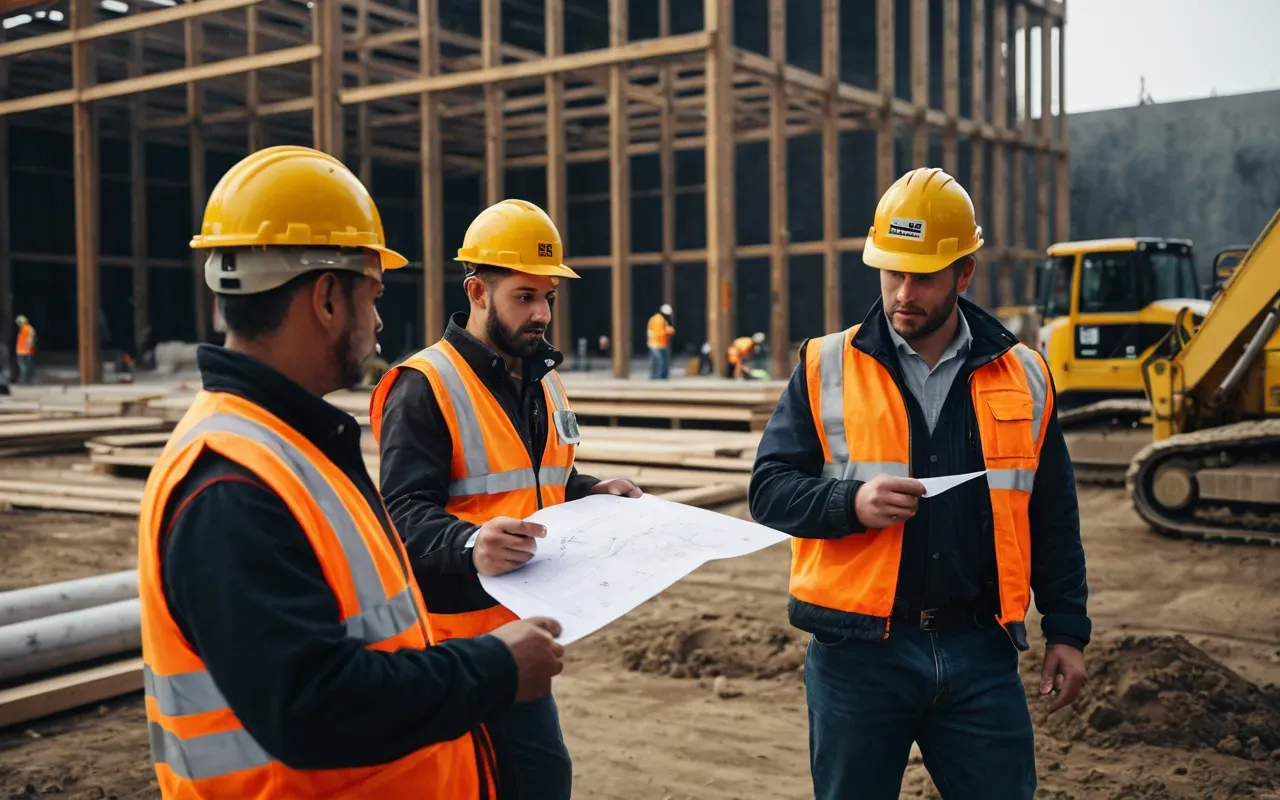
The first 24 hours are critical. Secure the scene. Protect the evidence. Support the workers. Report accurately. Investigate thoroughly. Learn deeply. Apply those lessons. This is not optional. It is essential. And it starts with leadership that values human life above all else. If you are not doing that, you are not building. You are gambling.
Ready-mix plants are no exception. They are vital to the industry. And they carry unique risks. Treat them with the respect they deserve. Invest in safety. Train your teams. Use technology. Build a culture that survives the test. Because when the siren stops, the real work begins. And you better be ready.
If you are curious about enhancing construction safety through advanced ready-mix solutions, the industry is moving in that direction. The future is safer. But only if we choose it. Right now. Today. Before the next incident reminds us why it matters.

Comments ()