Why Your Compact Skid Steer Is Quietly Becoming a Lethal Hazard on Site
The Myth of the Harmless Machine
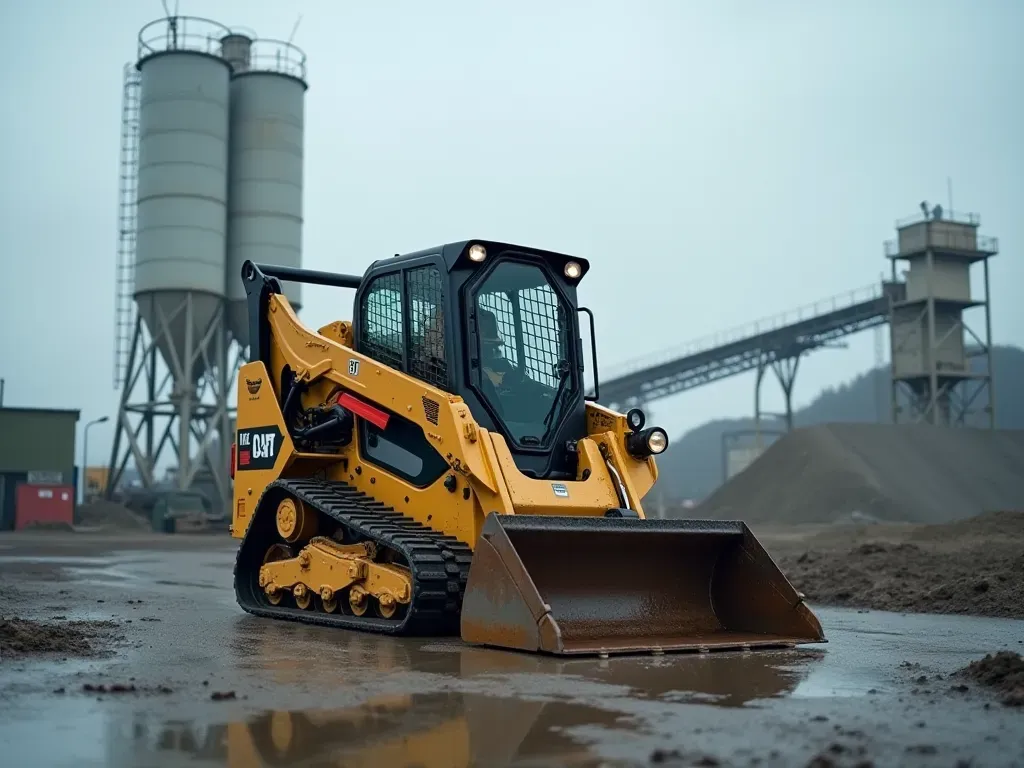
We all trust our compact loaders. Small enough to slip through a doorway, quiet enough that you forget you're standing next to a heavy steel beast — until one of them pins you against a wall.
I've walked enough job sites to know the biggest killers are usually the ones we stop respecting. A twenty-thousand-pound skid steer feels manageable. Why? Because it isn't a forty-ton excavator.
But here's the uncomfortable truth most site managers ignore. The danger isn't the machine's size. It's your perception of its predictability.
You think you've got the upper hand because you know where every bolt is. You're wrong about that at least once a day.
Why We Stop Seeing the Danger
Human brains are terrible at calculating sudden shifts in momentum. We lean on habit and muscle memory to keep us alive while we run heavy iron.
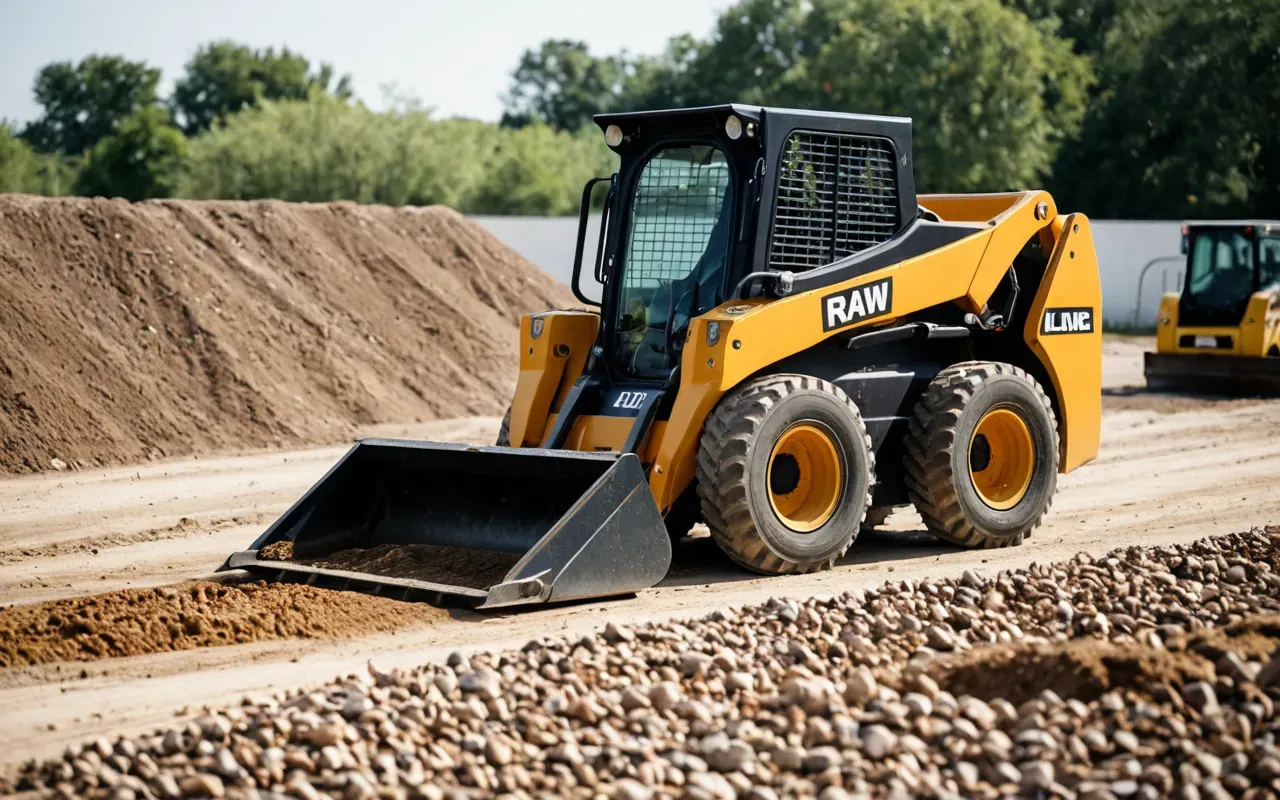
When a machine is small and agile, your brain drops its guard. It figures you can just step out of the way if things go sideways.
That assumption is where most accidents begin. The machine does not care how confident you are in its handling.
The Invisible Weight of Small Machines
A standard compact track loader can weigh over ten thousand pounds. That's more than a full-sized family SUV.
Now picture that weight rolling at ten miles per hour across uneven ground. The stopping distance is not what you think it will be.
Most operators have never actually tested the braking power of their machine on wet gravel. They just assume it works.
I've watched machines slide sideways on slight inclines and flip over without a single warning. The operator had no time to react.

The Blind Spot Nobody Talks About
Compact machines have massive blind spots directly behind and to the sides. The cab is small but the attachment swings wide.
You cannot see a worker standing three feet behind you if they're crouched down. Maybe they're fixing something. Maybe they're just watching.
The real danger is assuming everyone else on site knows you're moving. They don't.
Training Is Not Enough Without Culture
Most companies hand out a manual and sign off on a checklist. That is not safety culture. That is liability protection.
True safety happens when workers actively look out for each other. It takes a mindset where no task is too small to pause and check.
I've seen crews where the spotter matters more than the operator. That's how you avoid getting someone killed.
The Maintenance Gap That Kills
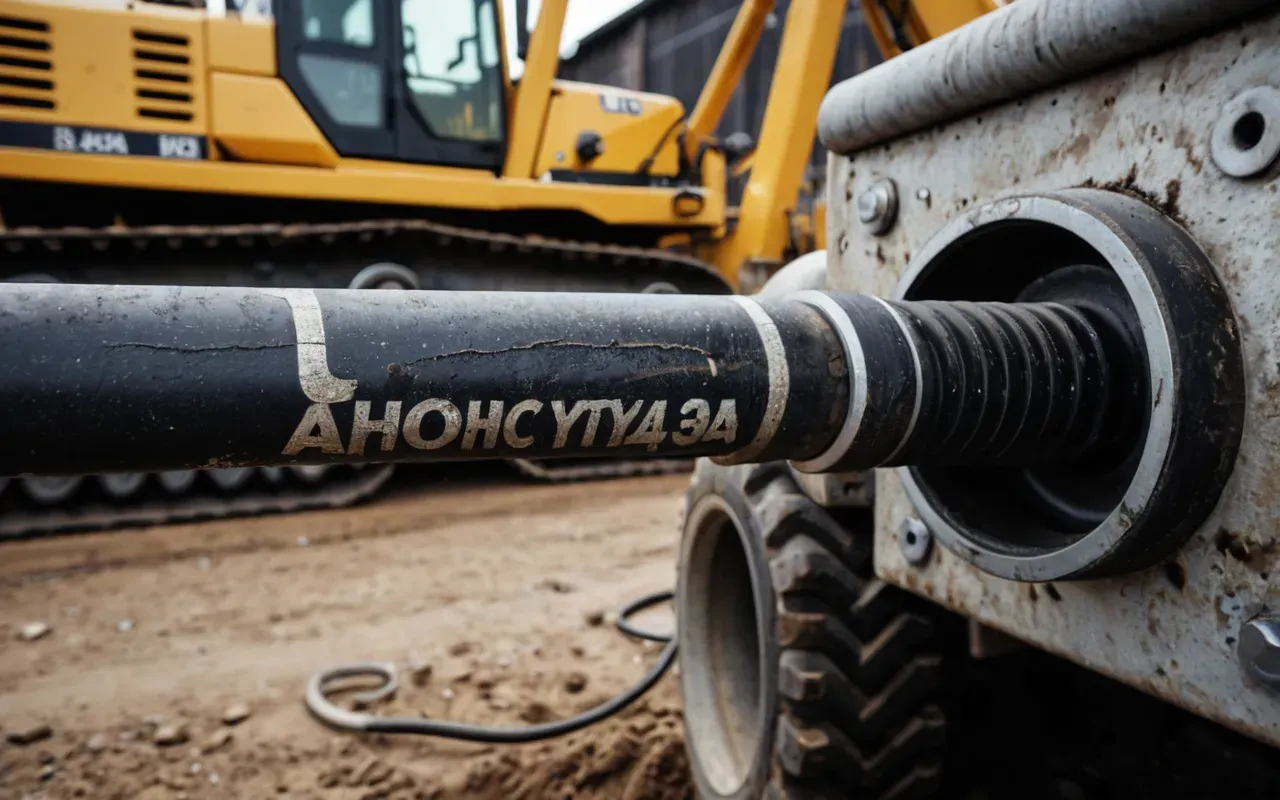
Hydraulic lines wear out quietly. A small leak can become a catastrophic failure in seconds.
If your machine hasn't had a full hydraulic inspection this month, you're driving on hope. And hope is not a safety protocol.
Check the hoses. Check the pins. Check the brakes. Do it every single morning before you start the engine.
What We Can Learn From Small Incidents
Most major accidents are preceded by minor near misses. A machine almost hitting a worker isn't just bad luck.
It's a warning. The environment or the operation failed to protect someone. Ignore it and the next time will be worse.
I always tell my teams that a near miss is free. A real accident costs everything.
The Role of Technology in Safety
Modern machines now come with proximity sensors and automatic shutdown systems. These features can save lives if you use them.
But plenty of operators disable these systems because they slow down work. That's a dangerous trade off.
Speed doesn't matter if you're no longer alive to enjoy it. Respect the technology trying to protect you.
Building a Safer Future on Site
Safety isn't just about rules and regulations. It's about respect for the power of machines.
Every worker who goes home safe at night is a win. That should be the only metric that matters to us.
So next time you get in your compact loader, remember it's not just a tool. It's a force of nature.
Treat it with the respect it deserves and you'll keep yourself and your team alive.

Comments ()