A worker was trapped in a concrete auger for minutes that felt like hours
The moment the machine stopped moving
Saturday morning in Burlington, Kentucky was not supposed to be a day for emergency helicopters. Yet there they were, hovering over the Boone Ready Mix facility as rescuers worked with terrifying speed.
A worker had been caught in an industrial auger. His right leg was crushed. Other limbs were injured too. The machine did not stop on its own.
It took a specialized rescue team to extract him from the machinery. By then, he had already suffered multiple fractures. The air ambulance carried him to UC Medical Center in Cincinnati.
He was alert when he arrived at the hospital. That is a small mercy in an otherwise brutal situation. But let us be clear about what just happened here.
This was not a fender biter. This was a catastrophic mechanical failure of human error and design risk colliding in real time.
Why this specific machine is so dangerous
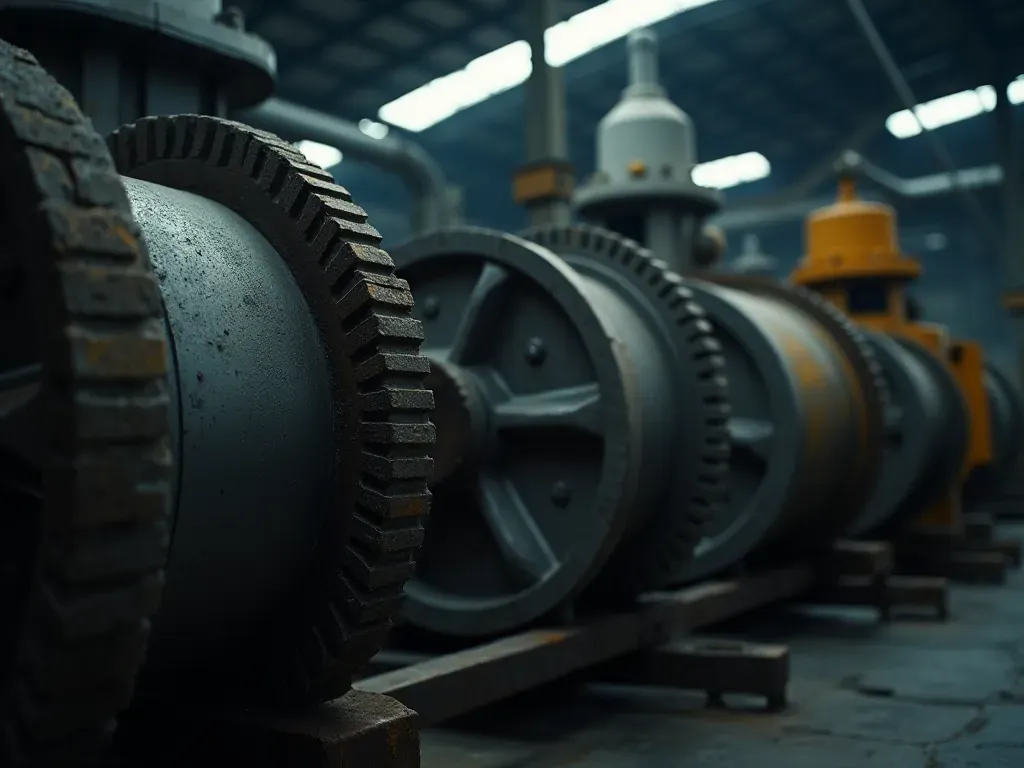
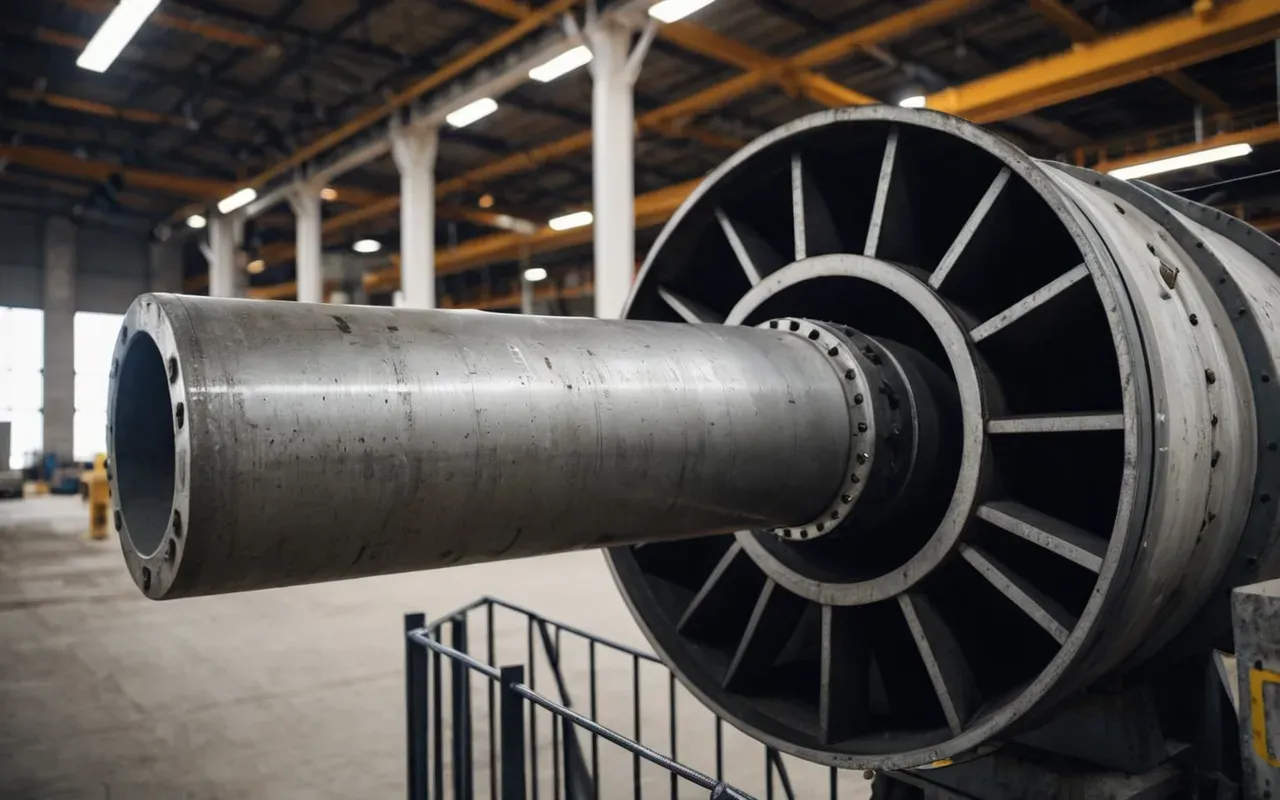
An auger looks simple enough. It rotates. It moves material. But when that rotation meets a human body part, the physics do not care about your safety manual.
I have toured several batching plants in the last decade. The auger is one of those pieces of equipment that people respect but do not fear enough.
The rotating screw creates a suction effect. If clothing gets caught first, the rest of you follows within seconds.
What we know and what remains unknown
Burlington Assistant Fire Chief Chris Black confirmed the severity of the injuries. Multiple fractures. Limbs crushed by the auger.
But here is where it gets frustrating for anyone in the safety industry. The exact circumstances of how his leg became trapped remain unclear.
The Burlington Fire Department did not release a detailed timeline. No public report on whether the machine was running during maintenance or if it was an active production cycle.
That gap in information matters. Because without knowing the sequence of events, we cannot say if this was a failure of lockout tagout protocols or a simple slip and fall.
Both scenarios are preventable. But the prevention strategies look completely different to a safety manager reading this right now.
The family legacy behind Boone Ready Mix
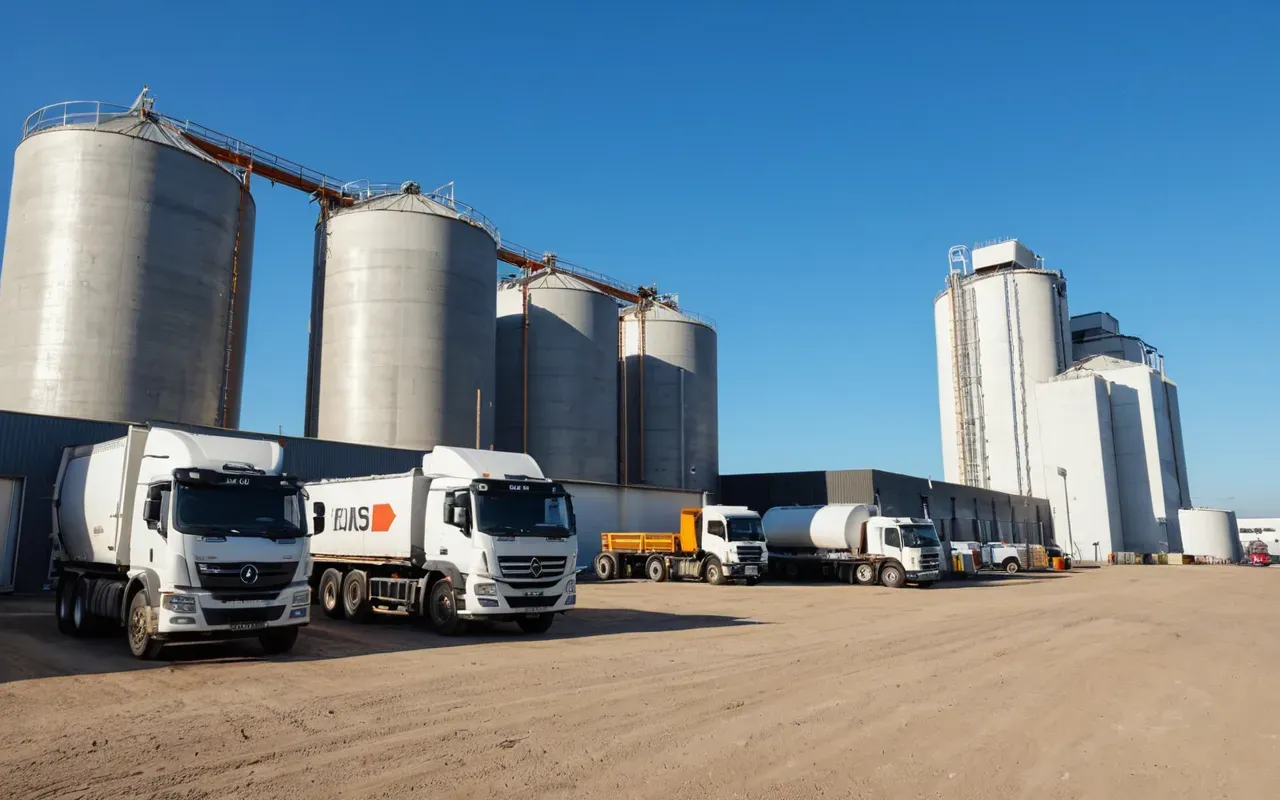
Let us not lose sight of the human side. Boone Ready Mix has been serving Northern Kentucky since .
That is over fifty years of pouring foundations for schools, hospitals, and homes in the region. They are not a faceless corporation.
When an accident happens at a family business like this, the emotional weight is different. The owner likely knows that worker by name.
This tragedy will echo in their office for years. And it should serve as a wake-up call to every other plant operator reading this.
The safety gap nobody talks about in modern plants
We like to think that new equipment is safer. And in many ways it is. Guards are better. Interlocks exist.
But the biggest risk in a ready mix plant is not the machine. It is the assumption that someone will stop it before they start working.
I have seen operators bypass interlocks to save two minutes on a shift. Those two minutes cost lives more often than you would believe.
The industry keeps buying better machines. But we are not always building the culture that makes those machines safe to operate.
This is where I get frustrated. We talk about automation and precision batching as if they solve all problems.
They reduce some risks. Absolutely. But a rotating auger does not care about your automation level if it is running unguarded.
What OSHA regulations actually require here
Federal standards are clear. Machine guarding is mandatory for rotating parts that could entangle clothing or body parts.
But compliance is not just about having a guard. It is about verifying that the guard works every single time.
If you have not inspected your auger guards in the last quarter, this incident should change that immediately.
Check for wear. Check for loose bolts. Check if the guard actually prevents access to the screw mechanism.
The hidden financial cost of ignoring these risks
Let us talk money. Because for many owners, safety is still viewed as a cost center rather than an investment.
A single serious injury like this can wipe out a year of profit. Medical bills alone are astronomical.
But the indirect costs are worse. Legal fees. Downtime. Insurance premium hikes that can double your annual policy cost.
And then there is the reputation damage. In a tight labor market like construction, workers talk.
If your plant is known for cutting corners on safety, good operators will leave. You are left with a revolving door of inexperienced hands.
I have seen companies pay more for managers who can read batch data. But the best investment is a culture where no one has to beg for safety.
What this means for your plant operations today
If you run a ready mix plant or manage equipment in this sector, the lesson is not abstract. It is urgent.
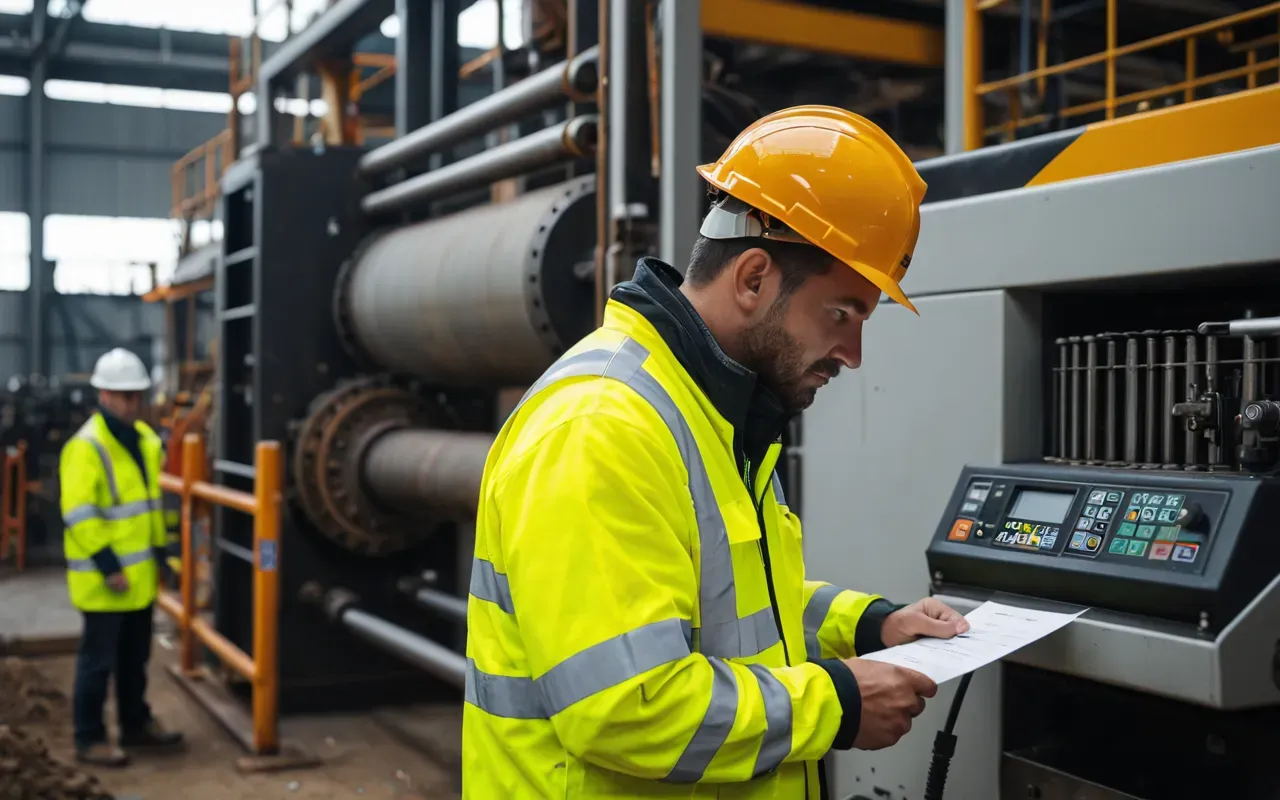
Walk your floor this week. Look at every rotating component. Ask yourself if a sleeve could get caught.
If the answer is yes, you have an immediate liability. Fix it before someone else pays for your neglect with their body.
Review your lockout tagout procedures. Are they written? Are they drilled regularly?
Most companies do a yearly review. That is not enough for high risk machinery like augers and mixers.
I recommend quarterly practical drills where operators must physically demonstrate how they isolate energy sources.
The role of automation in preventing this type of accident
Some plants are adding sensors that detect proximity to moving parts and auto-stop the machine.
This is promising. But it should never replace physical guards and procedural controls.
Technology fails. Sensors drift. Software updates break things. You need multiple layers of protection.
The worker in Burlington was lucky to be alive. But his leg will never work the same way again.
That is not an acceptable outcome. It is a preventable failure of the system we all rely on to keep us safe.
Moving forward with a safer mindset in construction
The concrete industry is growing. Demand for advanced batching solutions continues to rise across the United States.
But growth cannot come at the cost of human safety. That is a line we should never cross.
Investing in durable and efficient plants is smart. But investing in the people who operate them is even smarter.
When you choose a new plant or upgrade an old one, ask the supplier about their safety features in detail.
Do not just look at capacity and automation level. Look at the guards, the interlocks, the emergency stops.
If a supplier cannot show you how their machine protects workers from entanglement, walk away.
The right plant can enhance project timelines and reduce waste. But only if it keeps your team alive.
Building trust through transparent safety practices
Boone Ready Mix has a long history. They will likely continue to operate after this incident.
But their trust with customers and employees will be harder to rebuild than a broken leg.
Transparency is key. If this was your plant, would you share what went wrong? Would you publish a root cause analysis?
Most companies do not. They handle it quietly and hope no one notices.
That silence is dangerous. It prevents the entire industry from learning and improving.
We need more openness. We need to talk about near misses as loudly as we talk about full accidents.
A call to action for safety managers everywhere
Read this article. Share it with your team.
Ask hard questions about your own equipment and procedures.
If you are comfortable with the answer, great. If not, start fixing it today.
That worker in Burlington is fighting for his life right now. The least we can do is fight for the next person who walks into a plant like his.

Comments ()