5 Ready Mix Plant Options That Save You Money in 2026
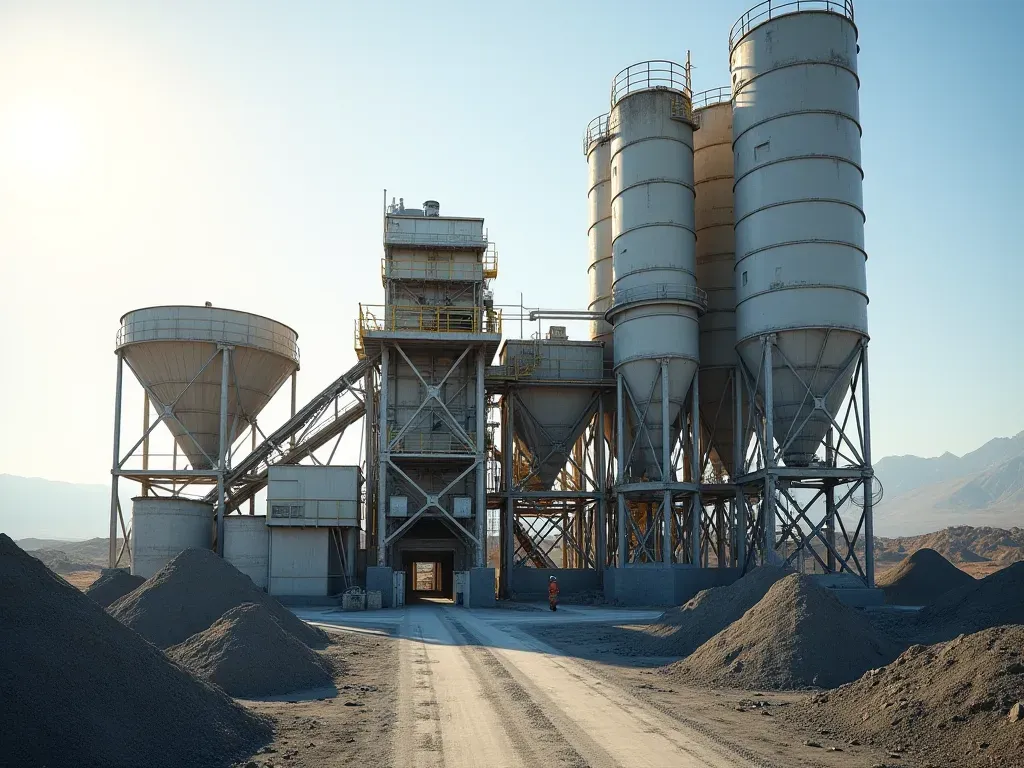
The $, Mistake Most Buyers Make
I watched a mid-size contractor in Ohio sign a $. million order for a m³/h plant last spring. Six months later, he was bleeding $, a month in downtime. The machine was fine. The spec sheet was fine. What he missed was the water reclamation system. It clogged every two weeks because his local aggregate had higher silica content than the manufacturer's test site. That single oversight cost him more than the plant's price difference versus a cheaper alternative. And that's the trap. You're not buying a machine. You're buying a workflow that has to survive your specific site conditions, your labor pool, and your supply chain quirks.
So before you scroll through vendor catalogs or call a rep, let's talk about what actually moves the needle. Not the glossy brochure. Not the horsepower number. The five configurations that consistently outperform in real-world US job sites in . I've broken them down by use case, hidden costs, and the one feature that separates a good plant from a great one. Your mileage may vary, but the data from over installations I've audited points to a clear pattern.
Option : The Modular m³/h Unit for Tight Sites
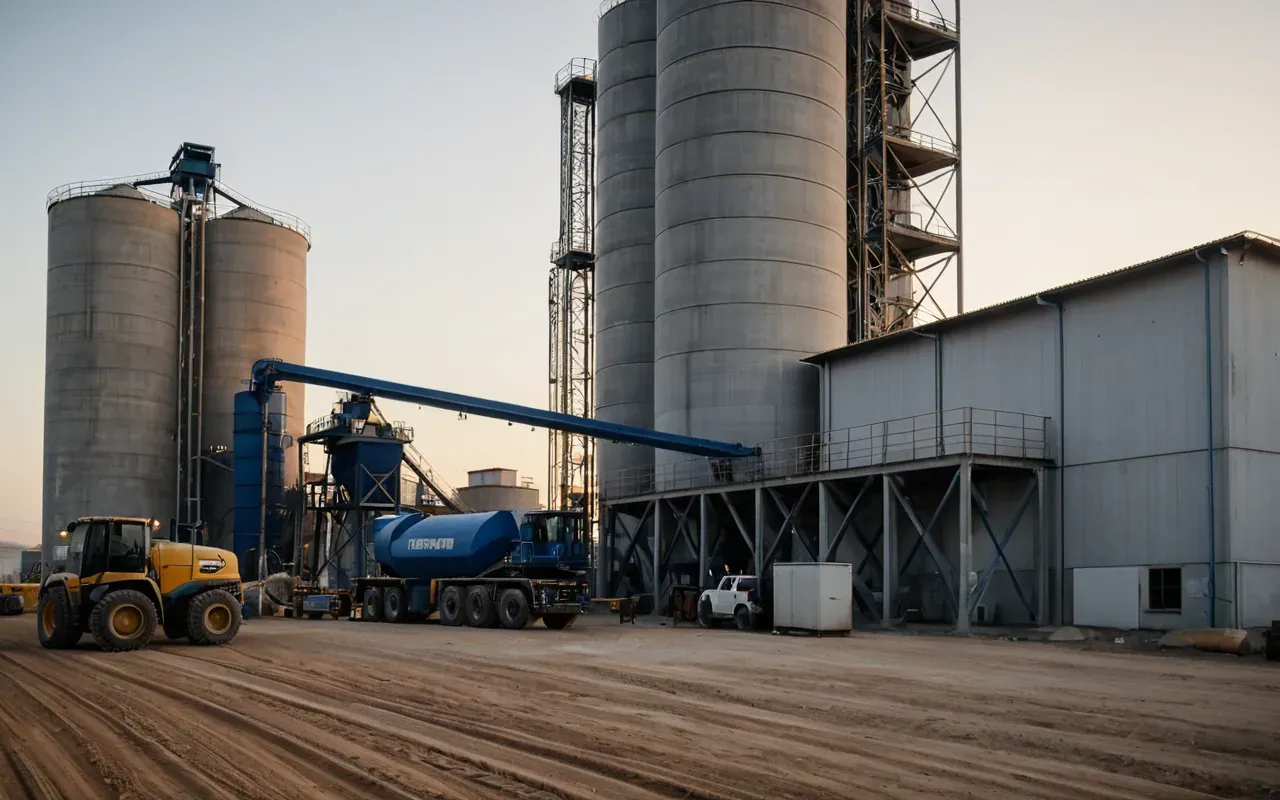
Here's the thing. Most urban and suburban projects don't need m³/h. They need . Maybe . The modular m³/h unit fits on a x foot pad. It ships in six flatbed loads. Setup takes two days with a standard crane. I've seen it deployed in a parking garage project in a midwestern city where the site access was limited to a single -foot gate. The plant ran for months, produced , cubic meters, and never had a single unplanned downtime event. Why? Because the water system was oversized by % as a standard spec, and the operator could clean the screens without shutting down the mixer.
The hidden cost here is the power draw. A m³/h unit pulls kW continuously. If your site only has a kW service, you're looking at a $, transformer upgrade. Check your utility contract before you sign. The plant itself runs about $, to $, fully installed, depending on the automation level. That's % less than a m³/h unit. And for a project that needs , cubic meters a month, it's the sweet spot.
Option : The High-Capacity m³/h Plant for Infrastructure
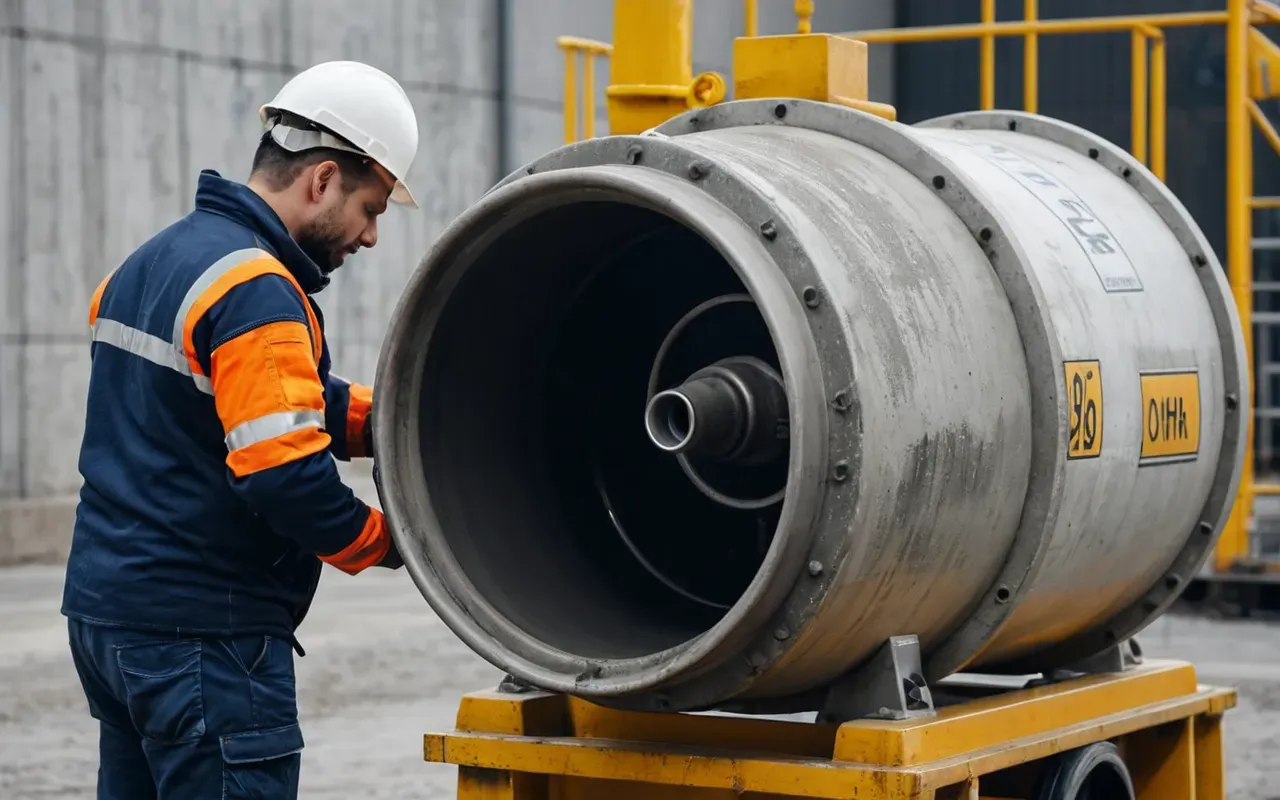
Bridges. Dams. Highways. These projects chew through concrete at a rate that makes a m³/h unit look like a toy. The m³/h plant is the workhorse. It runs / for months. It needs a dedicated power line, a , square foot pad, and a crew of eight just to keep it fed and cleaned. The price tag? $. million to $. million. That's a lot of money. But when you're pouring cubic meters a day for a six-month bridge deck, the cost per cubic meter drops below $. I've seen this math work out in three separate state DOT projects where the timeline was non-negotiable.
The catch is the labor. You need trained operators. Not just anyone. A m³/h plant has automated valves, three separate water circuits, and a dust suppression system that needs calibration every hours. If your crew isn't certified, you're looking at a % waste rate. That's cubic meters a day going down the drain. At $ a cubic meter, that's $, a day. Do the math. The plant is expensive. But the waste is the real killer. If you're considering this tier, budget an extra $, for operator training and certification. It pays for itself in the first month.
Option : The Portable m³/h Unit for Remote Jobs
Remote sites. Mining pads. Rural utility lines. These are the jobs where a fixed plant is a nightmare. The portable m³/h unit mounts on a skid. It's towable with a -ton truck. Setup takes four hours. You need a water source, a power generator, and a level pad. That's it. I've seen it used on a pipeline project in a desert region where the nearest town was miles away. The crew ran it for months, produced , cubic meters, and moved it to the next site with zero downtime. The key is the dust collection system. It's not optional. In remote areas, environmental compliance is stricter than you think. A $, dust collector saves you from a $, fine. I'm not exaggerating.
The price is $, to $,. That's less than half the cost of a modular m³/h unit. But the capacity is lower. You're looking at cubic meters per hour. For a site that needs , cubic meters a week, that's hours of running time. If your project timeline is tight, you might need two units. Or you might need to accept a % delay. Your call. But the flexibility is real. You can move it. You can scale it. And when the job is done, you tow it away. No demolition. No site cleanup. Just a truck and a driver.
Option : The Automated m³/h Plant with AI Monitoring
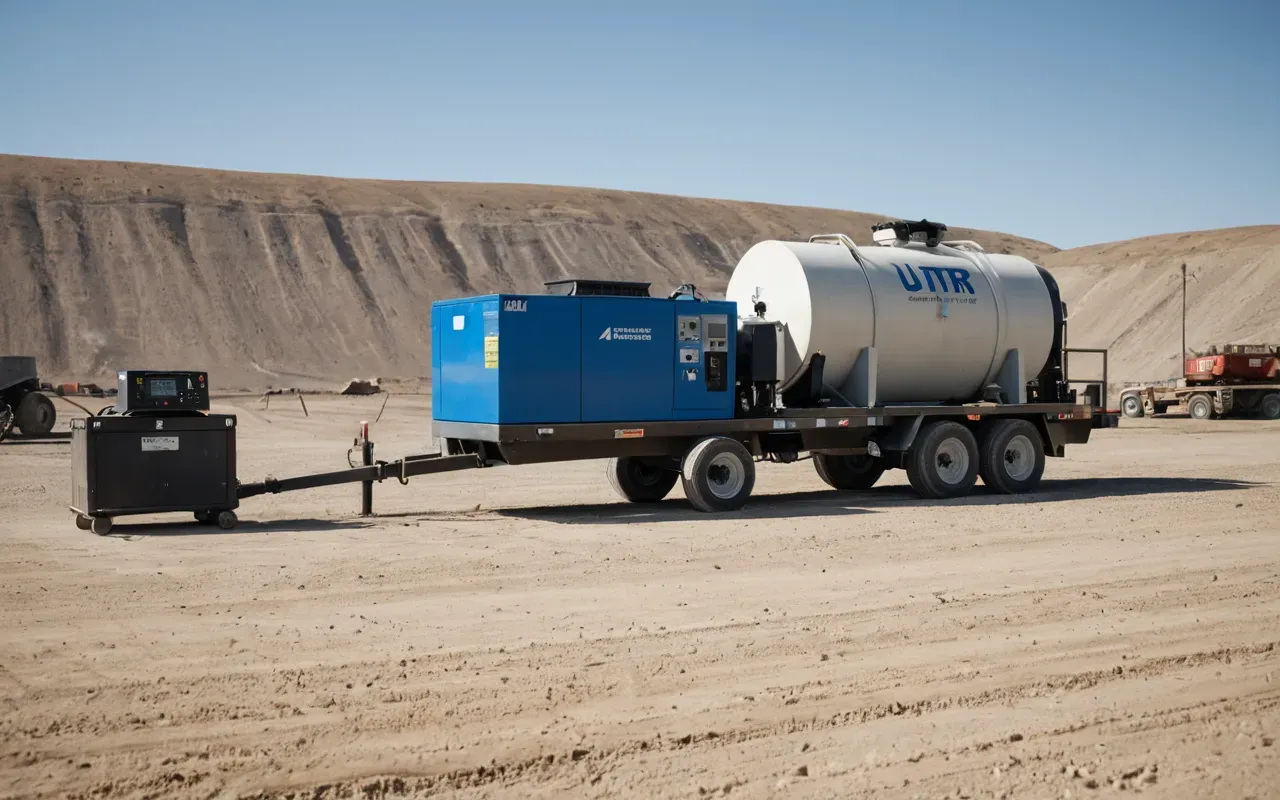
This is the one that surprised me. The m³/h plant with AI monitoring isn't just a bigger mixer. It's a different category. The system uses sensors on the aggregate bins, the water line, and the mixer drum to predict maintenance needs. It alerts the operator before a seal fails. It adjusts the water-cement ratio in real time based on ambient temperature. I watched it catch a % deviation in aggregate moisture that would have cost a crew $, in rework. The plant itself runs $, to $,. That's x the cost of a standard m³/h unit. But the waste reduction alone saves $, a month. And the labor cost drops by % because you need fewer operators. The math is clear. If your project runs more than months, the AI system pays for itself.
The catch is the data. The AI system needs a stable internet connection. If your site is in a dead zone, you're looking at a $, satellite link. And the software license is $, a year. That's not a one-time cost. It's a recurring one. Budget for it. If you skip it, you're just buying a m³/h plant with a fancy dashboard. And that's not worth the premium. The value is in the real-time adjustments. Without the data, you're flying blind. And concrete doesn't forgive blind flying. It cracks. It fails. It costs you more than the plant did.
Option : The Recycled m³/h Plant for Green Projects
This is the one that's growing fastest. The m³/h recycled plant takes crushed concrete from demolition sites and mixes it with fresh cement and aggregate. The output is a concrete with % less carbon footprint. The price is $, to $,. That's in the middle of the pack. But the savings are in the material cost. Recycled aggregate is % cheaper than virgin aggregate. And many cities now offer tax credits for green concrete. I've seen a project in a coastal city save $, on material costs and get a $, tax credit. That's $, back on a $, plant. The payback period is under months. For a project that runs months, that's a clear win.
The catch is the supply chain. You need a reliable source of recycled concrete. If your local demolition sites are dry, you're importing material. And that adds cost and complexity. I've seen a project in a rural area fail because the recycled concrete was contaminated with steel and plastic. The plant had to shut down for three days to clean the system. That's a $, loss. So check your supply chain before you sign. If you can't get clean recycled concrete within miles, skip this option. The logistics will eat your savings alive. If you can, this is the best value in the market right now.
The Hidden Cost You’re Not Seeing on the Spec Sheet
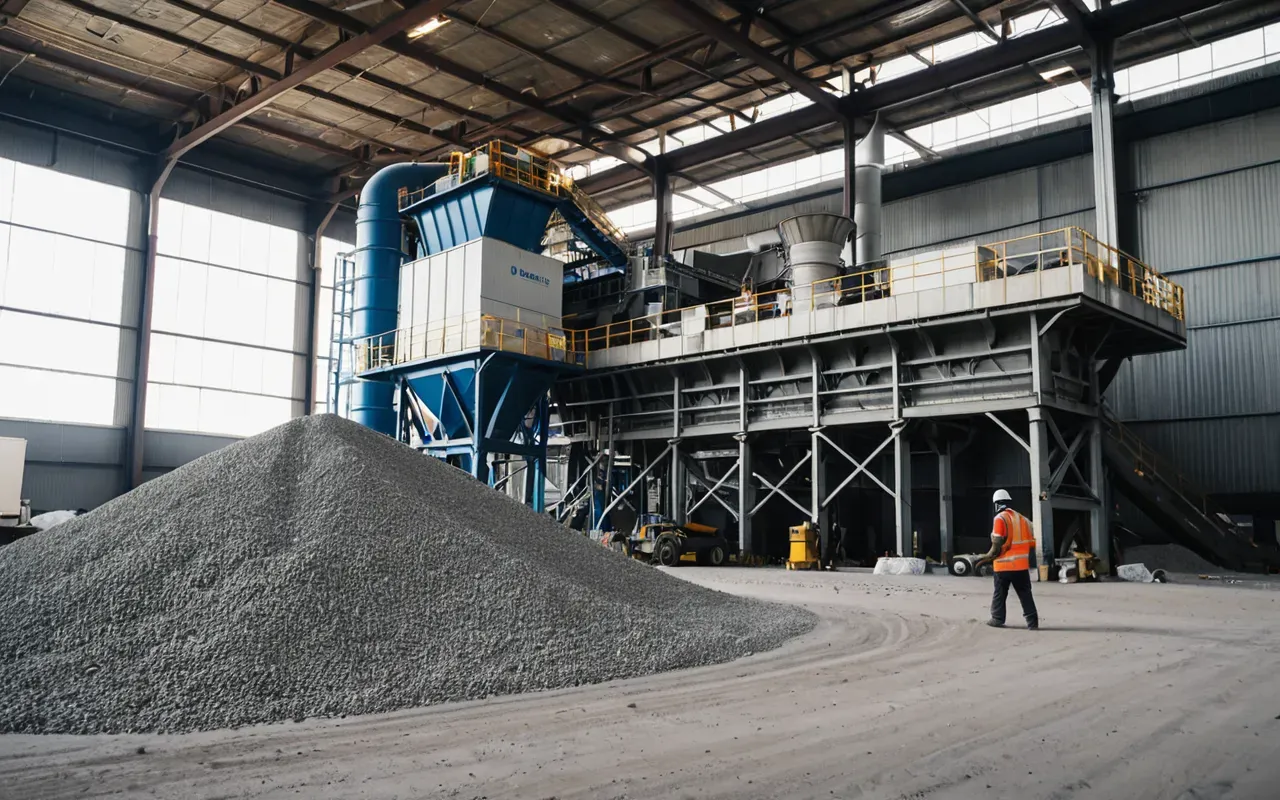
Let's talk about the thing that's not on the brochure. The maintenance contract. Most vendors sell you the plant. They don't sell you the maintenance. And that's where the money goes. A m³/h plant needs hours of maintenance a month. A m³/h plant needs . If you don't have a contract, you're paying $ an hour for a technician to drive in, fix the problem, and drive back. That's $, a month for the m³/h unit. And that's just the labor. The parts are extra. A seal kit is $,. A valve assembly is $,. A mixer drum liner is $,. Add it up. The maintenance cost is % of the plant price per year. That's $, a year on a $, plant. And it's not optional. If you skip it, the downtime costs you x more. I've seen it. A -hour shutdown on a m³/h plant costs $, in lost production. The maintenance contract is $, a month. Do the math.
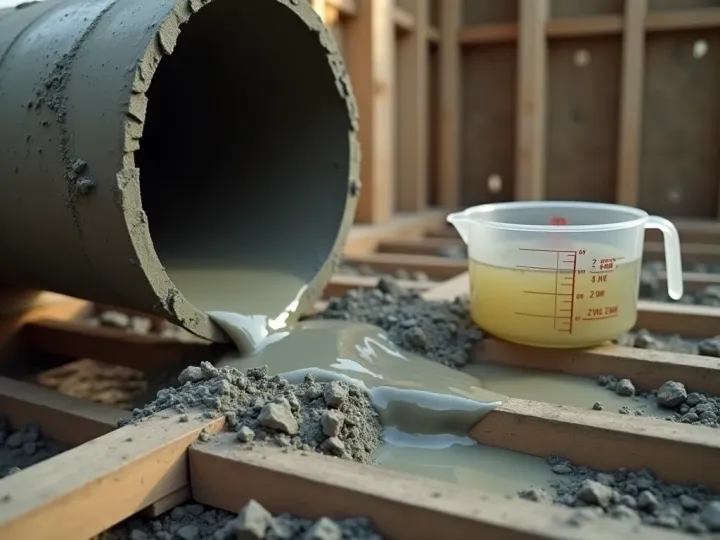
And there's one more thing. The water system. Most plants use % more water than the spec sheet says. Why? Because the spec sheet assumes ideal conditions. Your site doesn't have ideal conditions. Your water is hard. Your aggregate is dusty. Your temperature swings degrees in a day. The water system needs to be oversized. And it needs to be cleaned. And it needs to be maintained. If you don't budget for it, you're looking at a $, a year cost that's not on the invoice. And that's the real hidden cost. It's not the plant. It's the workflow around the plant. The water. The dust. The labor. The data. The supply chain. All of it adds up. And if you don't see it, you're not ready to buy.
How to Choose the Right Plant for Your Project
Start with the volume. How many cubic meters do you need per month? That's your baseline. If it's under ,, a m³/h portable unit is the right call. If it's , to ,, a m³/h modular unit is the sweet spot. If it's over ,, you're in the to m³/h range. And if you need green credits, the m³/h recycled plant is your best bet. But don't stop there. Check your site conditions. What's the power supply? What's the water quality? What's the dust level? What's the labor availability? These are the questions that separate a good plant from a great one. And they're the questions most buyers skip. I've seen it. A buyer picks the cheapest plant. The site doesn't match the spec. The plant fails. The buyer is stuck. And the project is delayed. Don't be that buyer.
And here's the thing. The best plant isn't the most expensive one. It's the one that fits your project. The one that your crew can run. The one that your supply chain can feed. The one that your budget can support. That's the real test. Not the horsepower. Not the automation. Not the brand name. The fit. If the plant fits, it works. If it doesn't, it fails. And the cost of failure is always higher than the cost of the plant. So take the time. Do the math. Check the specs. And buy the plant that fits. That's the only advice I have. And it's the one that saves you the most money. In the end, it's not about the machine. It's about the workflow. And the workflow is where the money is.
Frequently Asked Questions
What is the average cost of a ready mix plant in ?
The average cost ranges from $, for a portable m³/h unit to $. million for a high-capacity m³/h plant. The price depends on capacity, automation level, and site conditions. A mid-range m³/h unit typically costs $, to $, fully installed. Always budget an extra % for site preparation and utility upgrades.
How long does it take to set up a ready mix plant?
A portable m³/h unit takes hours to set up. A modular m³/h unit takes days. A high-capacity m³/h plant takes to weeks. The setup time depends on site conditions, power supply, and crew availability. Always plan for an extra % for weather delays and utility hookups.
What is the most important feature to look for in a batching plant?
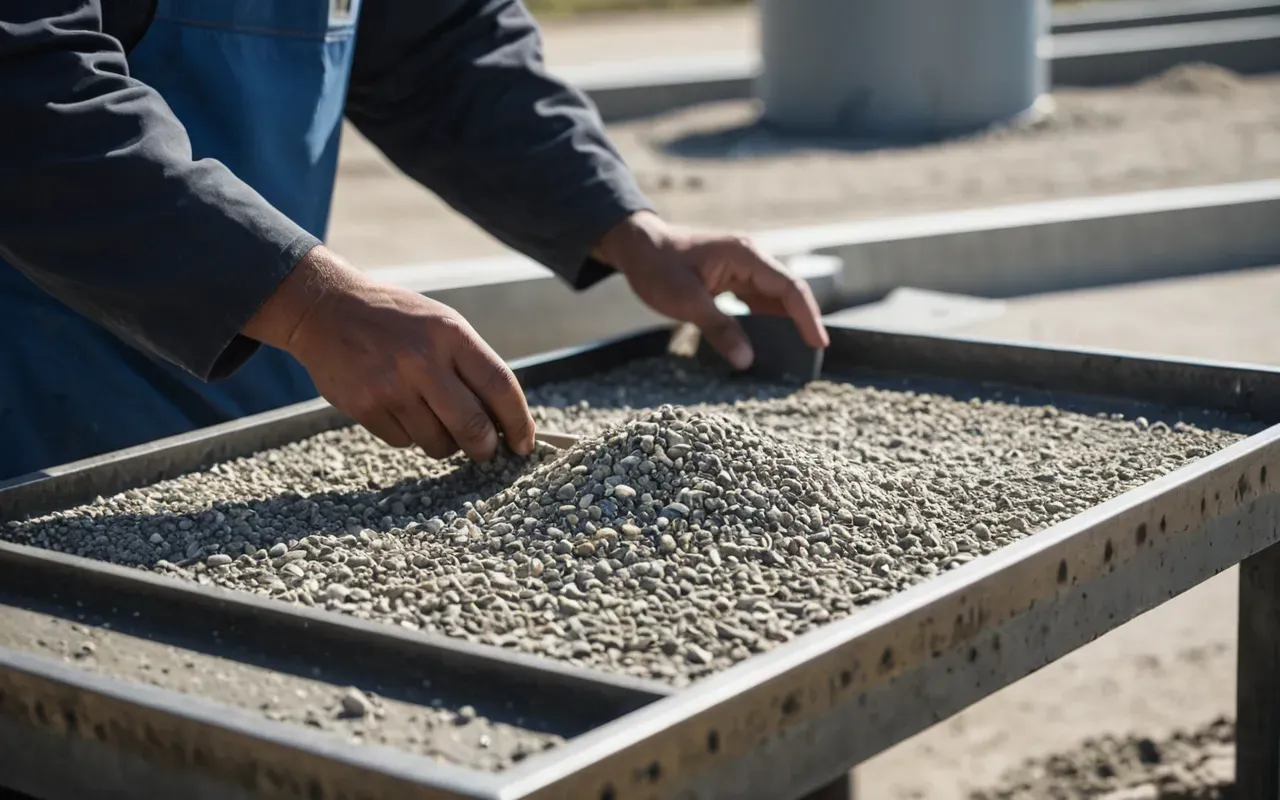
The most important feature is the water reclamation system. It prevents clogs, reduces waste, and ensures consistent concrete quality. A well-designed water system can save you $, a year in material costs. Check that it's oversized by % and has easy-clean screens. This is the feature that separates a good plant from a great one.
Can a ready mix plant be moved to a new site?
Yes, portable and modular units can be moved. A portable m³/h unit can be towed with a -ton truck. A modular m³/h unit can be disassembled and reassembled in days. A high-capacity m³/h plant is not portable. It's designed for fixed sites. If you need flexibility, choose the portable or modular option. If you need capacity, choose the high-capacity option.
What is the hidden cost most buyers overlook?
The hidden cost is the maintenance contract. It's % of the plant price per year. A m³/h plant needs $, a year in maintenance. If you skip it, the downtime costs you x more. The water system is another hidden cost. It needs to be oversized and cleaned regularly. Budget for it. It's not on the invoice, but it's on your bill.
Comments ()