The $120,000 Mistake Hiding in Your Ready Mix Plant Quote
The sticker price is a lie you are about to believe
I've watched this play out more times than I'd like. A contractor gets a quote for $, on a new batching plant. Signs the check. Six months later, they're broke.
Why? That number only covered the steel. Not the foundation. Not the electrical work. Not the operator training.
The average overage on a mid-sized plant installation runs roughly $, to $,. That's the gap between what you budgeted and what you actually paid.
And it's not just about the machine. It's about everything that touches the machine before you pour your first yard of concrete.
What the number on the invoice actually covers
Let's get specific. A stationary ready mix plant capable of handling cubic meters per hour usually lands between $k and $k for the hardware.
Mobile units are cheaper to buy but more expensive to move. A typical mobile unit costs around $k to $k new.
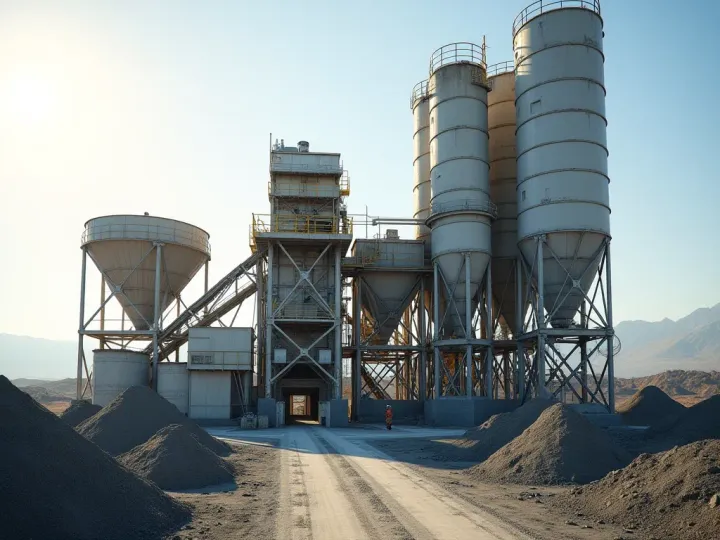
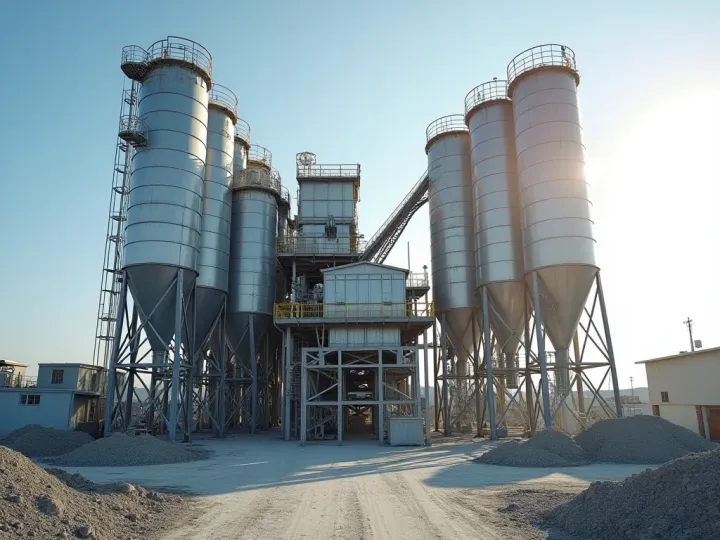
But here's the kicker. The quote you see rarely includes the silos for cement and fly ash unless specified.
Then there's the aggregate batching system. That alone can add $k to $k depending on how many bins you need for stone and sand.
So when a supplier says the plant is $k, ask them if that includes the control room. If they hesitate, you have your answer.
The electrical bill nobody mentions
Modern plants are power hungry. You need a dedicated three-phase supply that can handle peak loads easily exceeding amps.
Upgrading your site's electrical panel and wiring can cost anywhere from $k to over $k.
I once watched a project in Ohio stall for three weeks because they underestimated their voltage drop requirements.
That delay cost them more in labor standby fees than the entire wiring job would have taken.
Why the location changes your bottom line more than you think
Distance to raw materials is the silent killer of profit margins. If you're buying aggregate from a quarry forty miles away, your fuel costs will eat your profits alive.
A plant located near a major highway corridor can reduce transport costs by up to thirty percent compared to an isolated site.
But there's a catch. Prime industrial real estate near highways commands high lease rates.
You have to balance the cost of dirt against the cost of diesel. It's a tightrope walk that many small operators fail on.
The regulatory overhead you cannot ignore
Environmental permits are not a suggestion. They are the law.
Dust suppression systems and water recycling units add significant upfront cost but save you from massive fines later.
In many states the permit application process alone can take six to twelve months. Factor that into your cash flow model.
I've seen projects lose funding simply because they underestimated the time required to clear zoning hurdles.
The true cost of automation versus manual labor
This is where the debate gets heated. Automated plants cost more upfront but reduce labor needs dramatically.
A fully automated line can run with just one operator and a supervisor. A manual setup might need four to six people.
If you're in a high-wage region, the math favors automation quickly. The break-even point is often under two years.
But if you're in a low-wage area with high labor availability, the manual option might still make sense for smaller volumes.
How to negotiate a price that actually makes sense
Never accept the first quote. That's rule number one.
Get at least three detailed bids that itemize every component from the mixer to the final sensor.
Ask about payment terms. Some manufacturers offer zero percent financing for six months if you pay a deposit upfront.
I always tell my clients to ask for a price break on spare parts. It's the easiest concession sellers will make.
The warranty trap to watch out for
Read the fine print. Many warranties void if you use non-OEM lubricants or filters.
That small saving on maintenance supplies can cost you a $k repair bill later.
If you want to see how others have navigated this exact issue check out why a consulting firm just stopped relying on supplier promises. It's a cautionary tale worth reading.
The long-term value that justifies the initial outlay
A well-maintained batching plant can last twenty years or more. That's a massive asset if you manage it right.
Consistency in mix quality reduces returns and complaints from customers. That saves money on goodwill.
Also consider the resale value. A plant with full maintenance records can fetch a surprisingly high price on the used market.
I've seen units from ten years ago sell for fifty percent of their original price because they were kept in perfect condition.
Frequently Asked Questions
What is the average cost of a ready mix concrete plant?
The average cost ranges from $k for mobile units to over $k for large stationary systems. This price excludes installation and electrical work which can add another twenty percent.
How long does it take to install a new batching plant?
Installation typically takes four to eight weeks after the foundation is ready. However obtaining permits and electrical upgrades can add three to six months to this timeline.
Can I save money by buying a used concrete batcher?
Yes you can often save forty to sixty percent compared to new units. However ensure the machine has a verified maintenance history and inspect critical components like the mixer drums thoroughly.
Comments ()