A single phone call ended a concrete strike that had frozen Northern California

The Call That Broke the Logjam
It wasn't a legal threat that saved the day. It wasn't a televised wage hike either. One phone call changed everything.
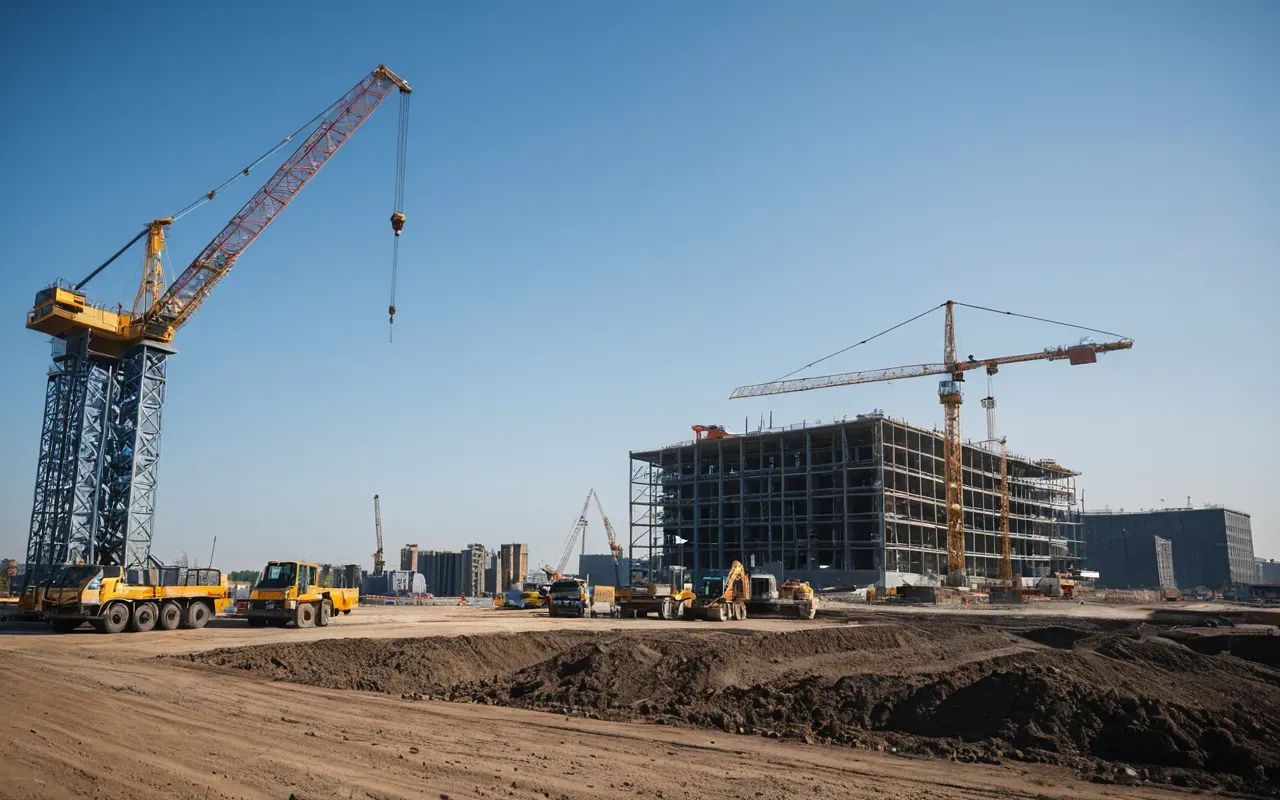
Construction sites across Northern California sat frozen for two weeks. Cranes hung motionless over half-finished towers. Drivers waited in their cabs for orders that never arrived.
I've covered enough industry disputes to recognize how fast things can spiral. Usually it takes months of back-and-forth posturing before anyone blinks.
But this time the clock was ticking louder than usual. Public projects were hemorrhaging money with every single day they stayed idle.
Why One Person Could End a Multi-Union Dispute
The Teamsters locals involved spoke for more than three hundred drivers. Four separate local unions had joined forces in the bargaining effort.
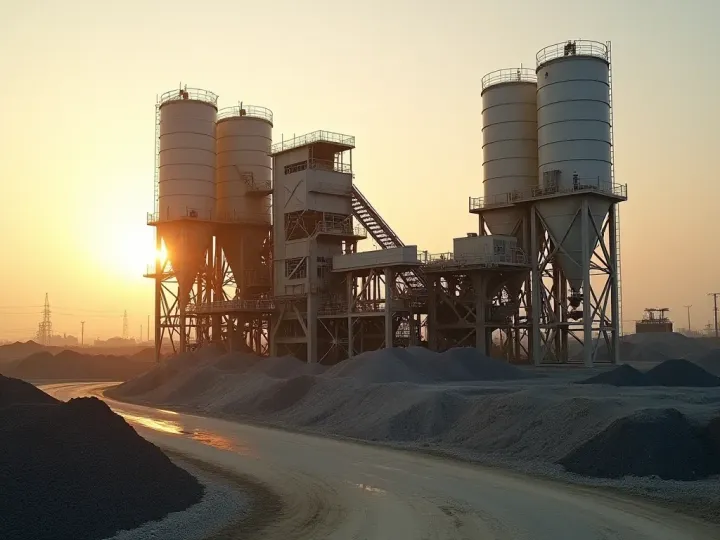
CalPortland ran fifteen plants across the region. That's a massive footprint for any employer to juggle during a standoff like this.
When San Francisco Mayor Daniel Lurie picked up the phone on August 15, he wasn't just making a polite suggestion. He was signaling that political will had entered the equation.
And that's rare. Elected officials rarely step directly into private sector contract disputes unless the public interest feels genuinely threatened.
The Hidden Cost of a Two Week Standoff
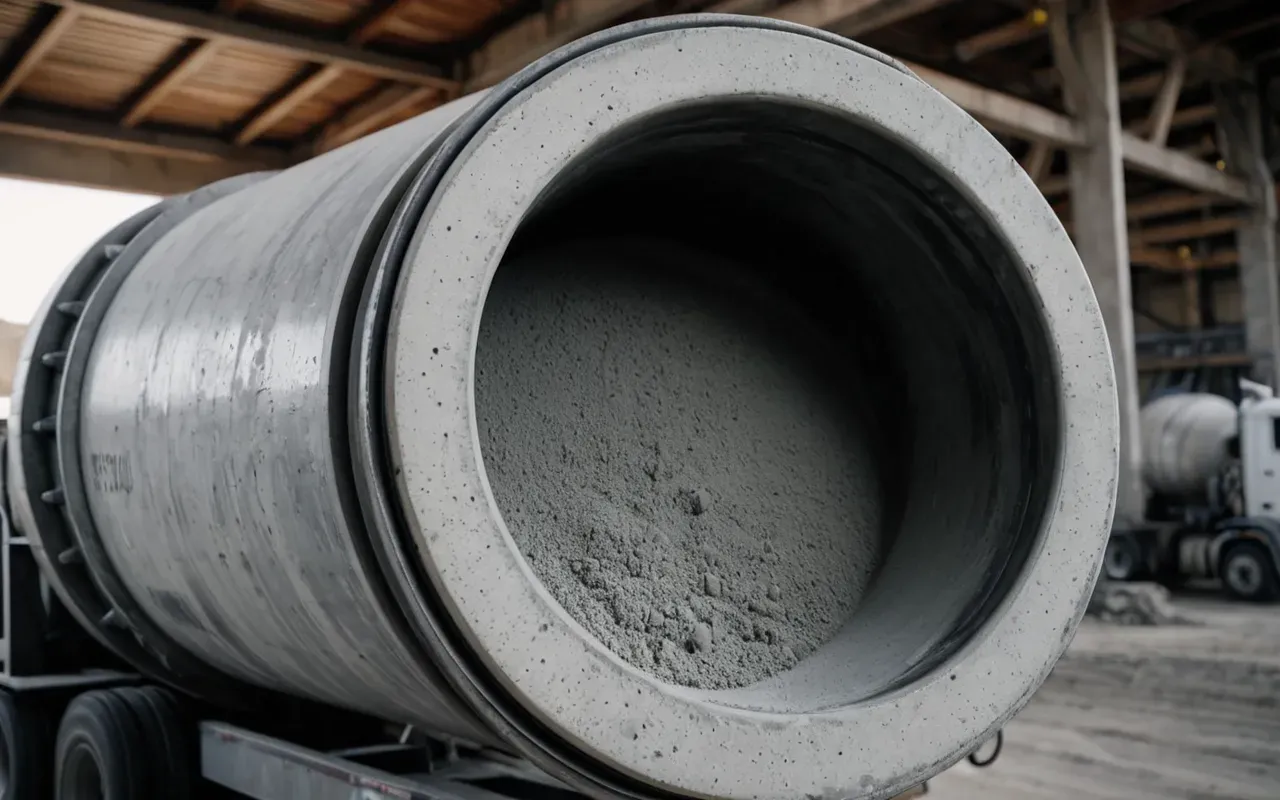
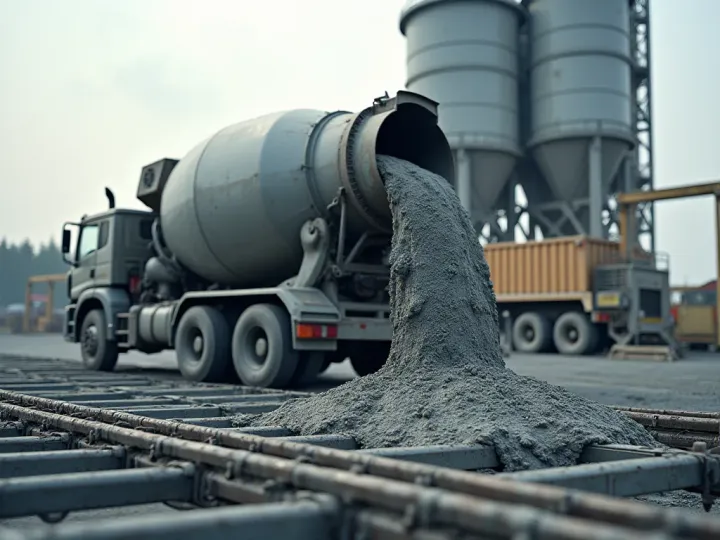
People tend to underestimate how quickly concrete supply chains react to disruption. It's not just about mixing cement and water in a truck.
Each hour of delay adds idle labor costs. It stretches equipment rental fees. It pushes back project completion dates that feed straight into interest payments.
For a developer building mid-rise apartments in Napa County, that delay is catastrophic. Leases start on fixed dates regardless of whether the foundation has even cured.
The settlement included industry standard wage increases. This wasn't a windfall for the company by any means. It was a necessary concession to keep operations moving.
What This Means for Your Next Pour
If you're managing a construction project in the Bay Area right now, this news hits your bottom line directly. Supply reliability is back on track.
But the underlying tensions didn't vanish with one phone call. Labor relations in the concrete sector remain fragile across the entire western United States.
CalPortland recently wrapped up a massive acquisition of Vulcan Materials facilities. That integration brought its own set of labor complications that are still being untangled.
The Antitrust Angle Nobody Talks About
Federal and state regulators forced CalPortland to sell three plants in San Diego. They also required the company to hire ninety percent of Vulcan's employees.
This kind of structural change happens quietly in the background. It reshapes who supplies concrete to which neighborhoods and at what price.
For small contractors, that means less negotiating power. The big players are consolidating while labor costs climb at the same time.
Lessons for Construction Professionals Everywhere
The first lesson is unmistakable. Political pressure can accelerate resolution when economic arguments alone fail to move the needle.
The second lesson is about timing. The strike landed just as summer projects were winding down. That created a natural break point for negotiations.
If you're planning projects in 2027, keep this in mind. Labor disputes can erupt without warning even after a contract is signed.
Diversify your supplier relationships wherever you can. Don't rely on a single ready mix provider for critical path work.
The Bigger Picture for American Infrastructure
America needs more bridges and roads than it currently has. Demand for quality concrete is only going to intensify over the next decade.
When supply chains hiccup like this, it exposes just how dependent our entire building industry is on a small number of large distributors.
That concentration breeds vulnerability. One labor dispute can ripple outward and affect projects from Napa to San Francisco within days.
The resolution was a win for stability. But the structural issues that led to this standoff remain largely unaddressed by industry leaders.
What Happens Next for CalPortland Workers
The new contract locks in current language for twelve months. That gives both sides some breathing room to plan their next moves carefully.
Drivers will return to their routes with modest wage increases. It's not a celebration, but it's enough to keep the trucks rolling for now.
The union locals will likely keep a close watch on CalPortland over the coming year. Any sign of unfair labor practices could trigger another round quickly.

Final Thoughts on This Unexpected Resolution
Sometimes the most powerful tool in a negotiation isn't money. It's visibility. When an elected official makes their involvement public, the pressure shifts entirely.
CalPortland likely calculated that further delay would cost more in lost revenue and reputation than the concessions they ultimately agreed to make.
For everyone else in the construction ecosystem, this is a reminder. Your project timeline is only as strong as your supply chain allows it to be.
Keep watching labor news in your region. The next disruption could start with a single phone call that nobody saw coming until it was too late.
Comments ()