The hidden fee in your concrete invoice is bleeding you dry right now
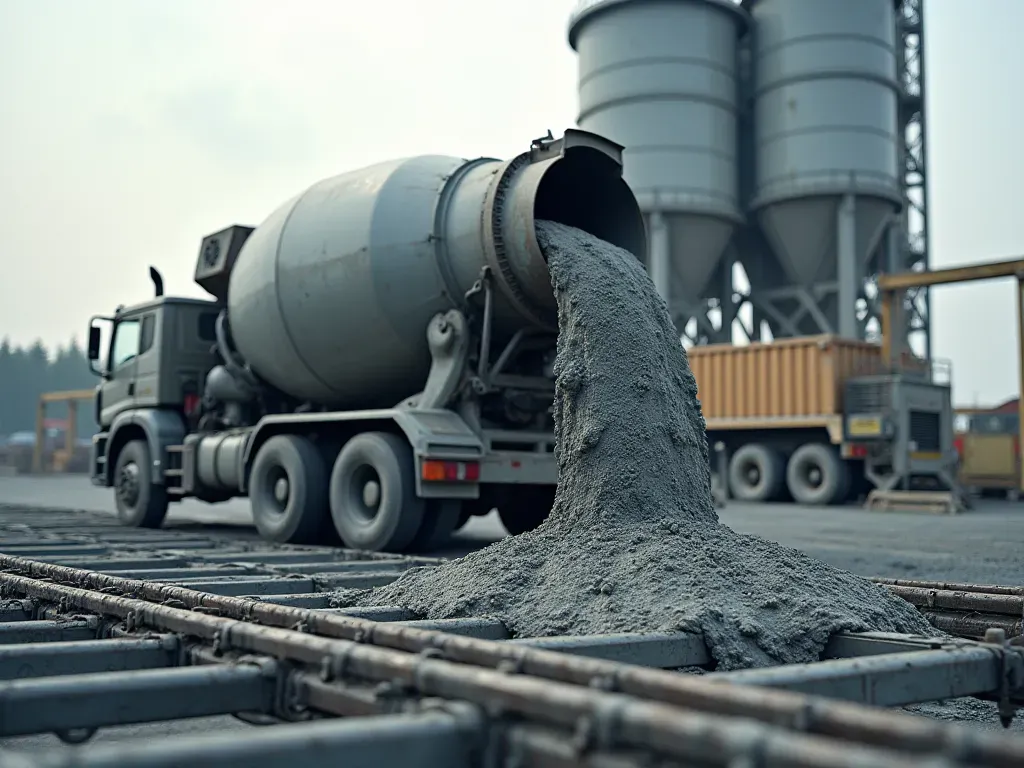
The quiet leak in your project budget is not what you think it is
Most contractors assume the price of concrete is fixed. It is not. The real cost fluctuates wildly based on logistics you cannot see.
I've watched this same pattern play out again and again over the past two years. Honestly, the sticker price looks perfectly reasonable — at least on paper.
Then the truck shows up forty minutes late, and you're suddenly paying a premium for the privilege. Or the mix lands two percent off spec, and your structural engineer is already shaking his head, muttering about a re-pour. Two percent. That's all it takes.
These small hits add up fast. Honestly, that's the part that surprises people the most. A single project can bleed tens of thousands in invisible fees — and you rarely notice until the invoice lands.
Why the distance to your plant matters more than the tonnage price
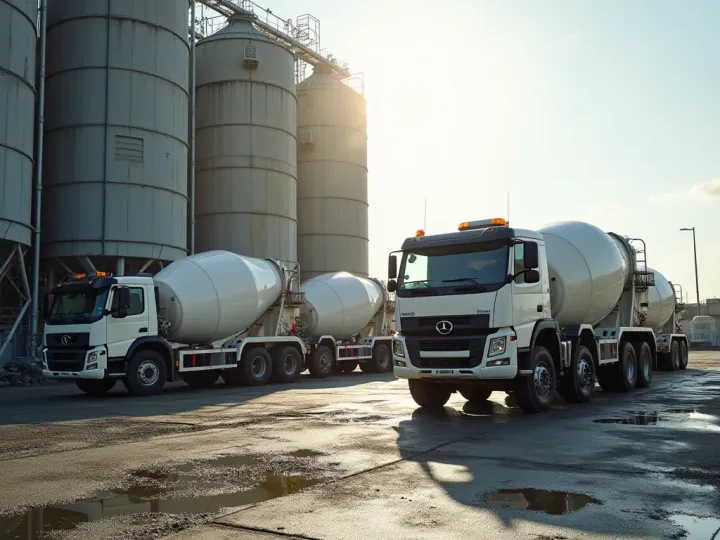
Here's the dirty secret nobody warns you about. Every mile between the batching plant and your site isn't just distance — it's a tax. A quiet, creeping one that eats your schedule and your margins before you even pour the first yard. And yet, most crews never think about it until the truck shows up late, or the mix arrives stiff as a board.
A truck driving forty miles burns fuel and time. That cost gets tucked into your invoice — quietly, no line item, no explanation.
Pick a bargain supplier three counties over, and suddenly the freight bill can double what you paid for the unit itself.
We overlook this all the time. We stare at the price per cubic yard — and completely forget about the miles.
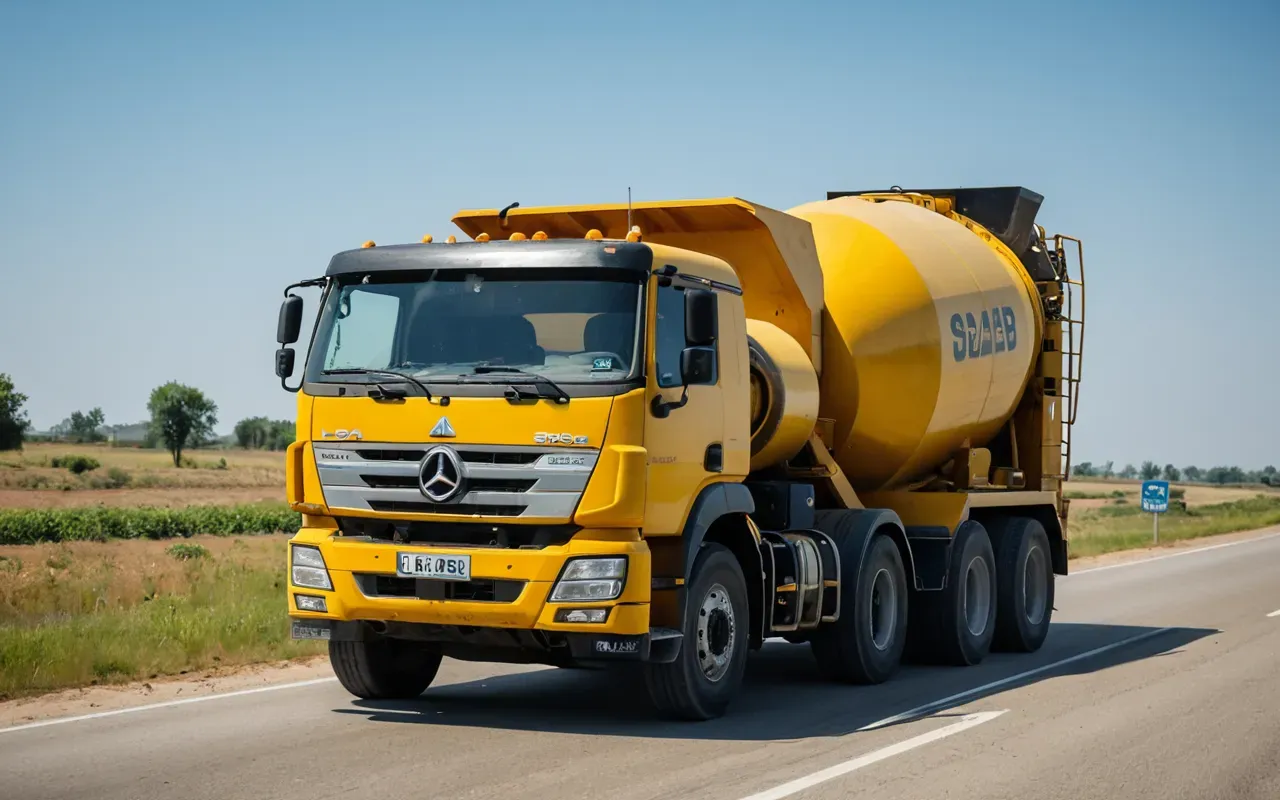
The automation gap that hides your real quality control costs
Manual batching plants? They live and die by the operator's touch. Automated systems? Those lean on sensors and software to nail the exact specs, every single time.
Get the water-to-cement ratio wrong by just one percent on a manual plant, and your concrete will be falling apart within six months.
That repair bill? Brutal. It completely dwarfs the modest premium you'd shell out for a high-tech plant.
I have watched teams burn through millions because of tiny mix inconsistencies. The invoice never even hinted at the danger.
How to spot a supplier who is hiding their true overhead costs
Just ask for the breakdown. A legitimate supplier will itemize transport fees on their own line—no lumping things together.
Walk away. If they won't itemize the delivery cost, they're hiding something.
And don't skip the plant's age, either. The older it gets, the more likely you'll inherit some hefty maintenance bills that were quietly baked into the price.
A modern facility with digital monitoring saves you money in the long run. But honestly, it’s not just about the tech itself.
The real cost of ignoring safety features on your ready mix plant
Safety isn't just a moral issue. It's a financial one, too.
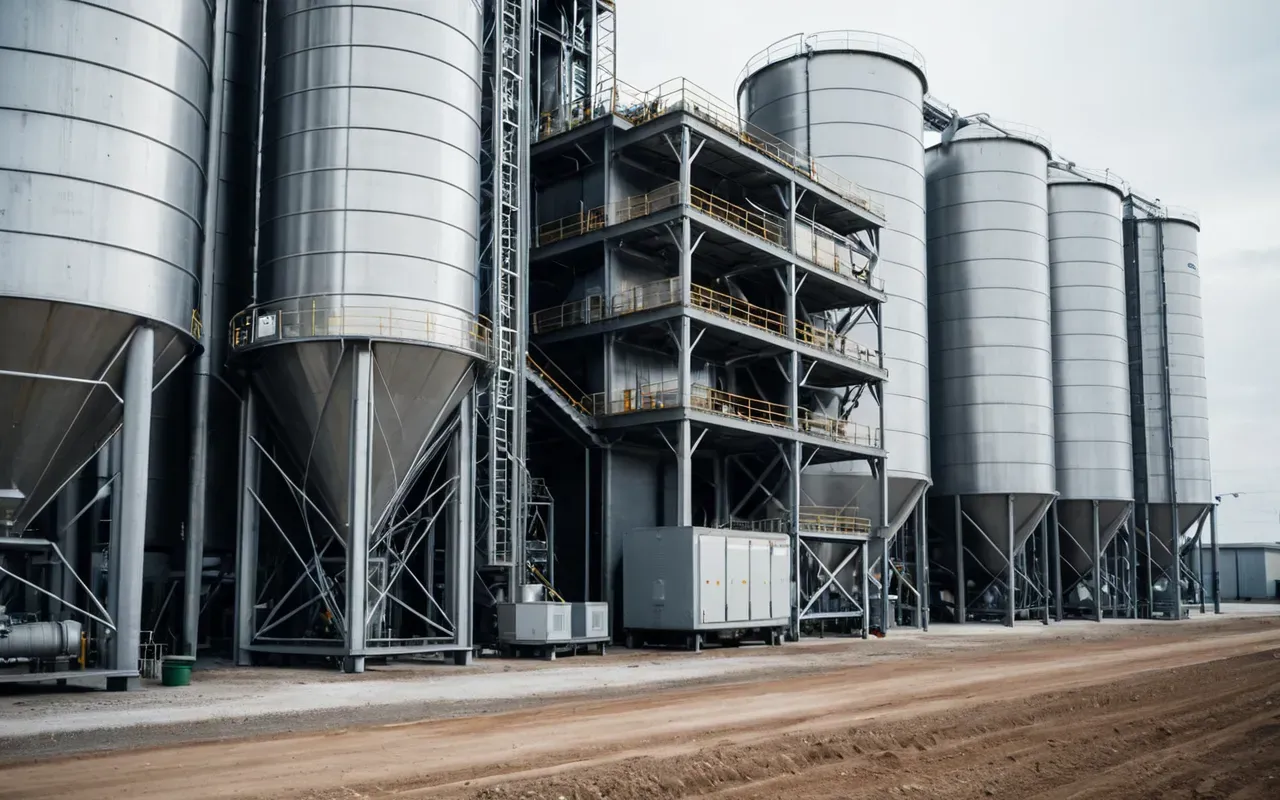
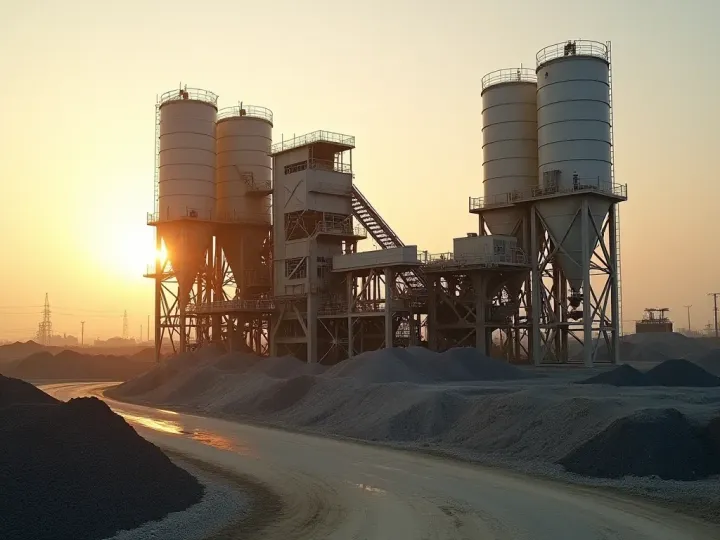
If your plant doesn't have automated shut-off systems for silos, you're gambling with disaster. One misstep, one delayed reaction — and you've got a catastrophic spill on your hands.
One incident can shut everything down for weeks. The financial hit? Massive. Just like that, revenue dries up. And rebuilding trust takes even longer.
I always advise clients to prioritize safety protocols. Honestly, it protects the bottom line. And that's not just corporate fluff — it's math.
What this means for your next infrastructure project timeline
Concrete demand is climbing — no question about it. And supply chains? They're stretched thin, honestly.
Here's the thing about project timelines: if you don't account for hidden costs now, your schedule will slip. It's not a matter of if, but when.
I've watched projects slip past their deadlines by months — all because suppliers and clients got tangled up in fee disputes.
The fix is simple. Do your homework on the total cost of ownership.
A practical checklist to stop the budget bleed before it starts
First, map all nearby plants. Look at their distance and capacity.
Second, ask for a detailed invoice template before you commit to anything. And then actually read it — line by line. Hidden fees love to lurk in the fine print, so hunt for any vague charges that don't explain themselves.
Third, check how automated they really are. Push them on sensor accuracy, and ask to see the actual data logs — not just claims.
Finally, talk to their current clients. Ask about delivery reliability and support. It's the best way to find out how they really operate.
Sure, these steps take time. But they save real money — and honestly, that's the best investment you can make.
The bottom line on ready mix plant economics in this market
Concrete is not a commodity. It is a complex logistics product.
The hidden costs are real. And they're only getting bigger.
Ignore them and your project will pay the price. Don't let that happen.
Stop letting your supply chain run you — take the wheel today. And trust me, the fine print is where the real value hides, not the big sticker price up top.
I have watched too many solid projects collapse over tiny, avoidable mistakes. Believe me—you don’t want to be next.
Comments ()