A concrete plant was set to move in next door and a state rep stepped in before it could destroy rural livelihoods
The 130 Yard Buffer That Nearly Broke a Retirement Dream
Jan Harrison moved to Savage Road for one reason. Her grandchildren could roam free without worrying about traffic or dust. That peace was the whole point of leaving the city behind decades ago.
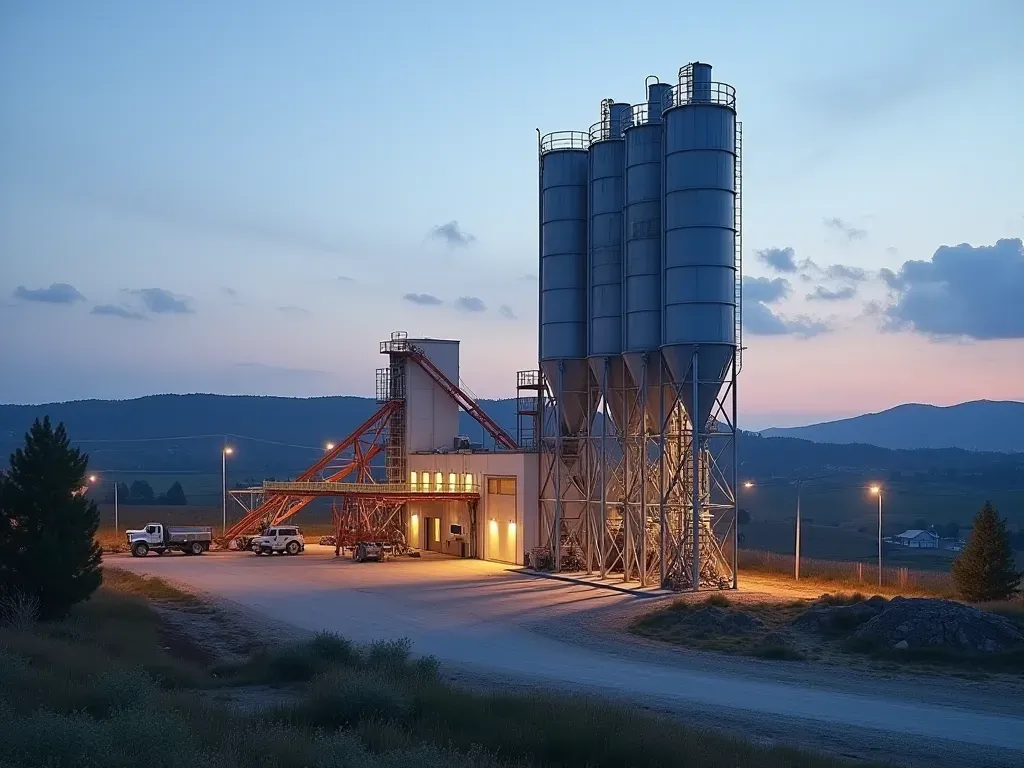
Then a permit application landed on her desk. A concrete batch plant wanted to build just 130 yards from their home. Not miles away in an industrial park. Next door.
I keep coming back to that number because it feels absurdly small for the scale of disruption. One hundred thirty yards is barely a football field's length. That is where heavy trucks would idle, mixers would churn, and dust would settle on garden beds.
David Harrison put it bluntly in the local news reports. If approved, this plant would take their area completely out of agriculture and turn it into industrial territory overnight.
Why State Rep Shelley Luther Pulled the Permit Application
Here is where it gets legally interesting. The applicant filed under the regular Air Quality Standard Permit for Concrete Batch Plants administered by the Texas Commission on Environmental Quality.
Grayson County rules typically require a minimum separation distance of one hundred yards from the nearest property line. Technically, the proposal met that threshold.
But meeting a minimum standard is not the same as being compatible with neighbors. The technical approval did not account for cumulative noise, road safety near school bus routes, or twenty-four hour operations that would disrupt sleep patterns.
State Representative Shelley Luther made the decision official. She stated publicly that the application for the proposed concrete batch plant had been withdrawn from consideration.
This is rare. Legislators do not usually intervene in specific local zoning disputes unless the political pressure becomes undeniable or the regulatory framework itself looks flawed.
The Regulatory Gap Nobody Talked About
I suspect the real issue is not the distance but the type of permit. Standard air quality permits focus on emissions from equipment stacks and processes.
They often underweight the human experience factors like dust settling on crops, vibration from heavy machinery, and the psychological toll of living next to an active industrial site.
If you are looking at how local rules shape these decisions, this analysis of Texas tightening concrete plant rules provides crucial context on what is changing in the regulatory landscape.
The Livelihoods at Stake Behind the Dust Clouds
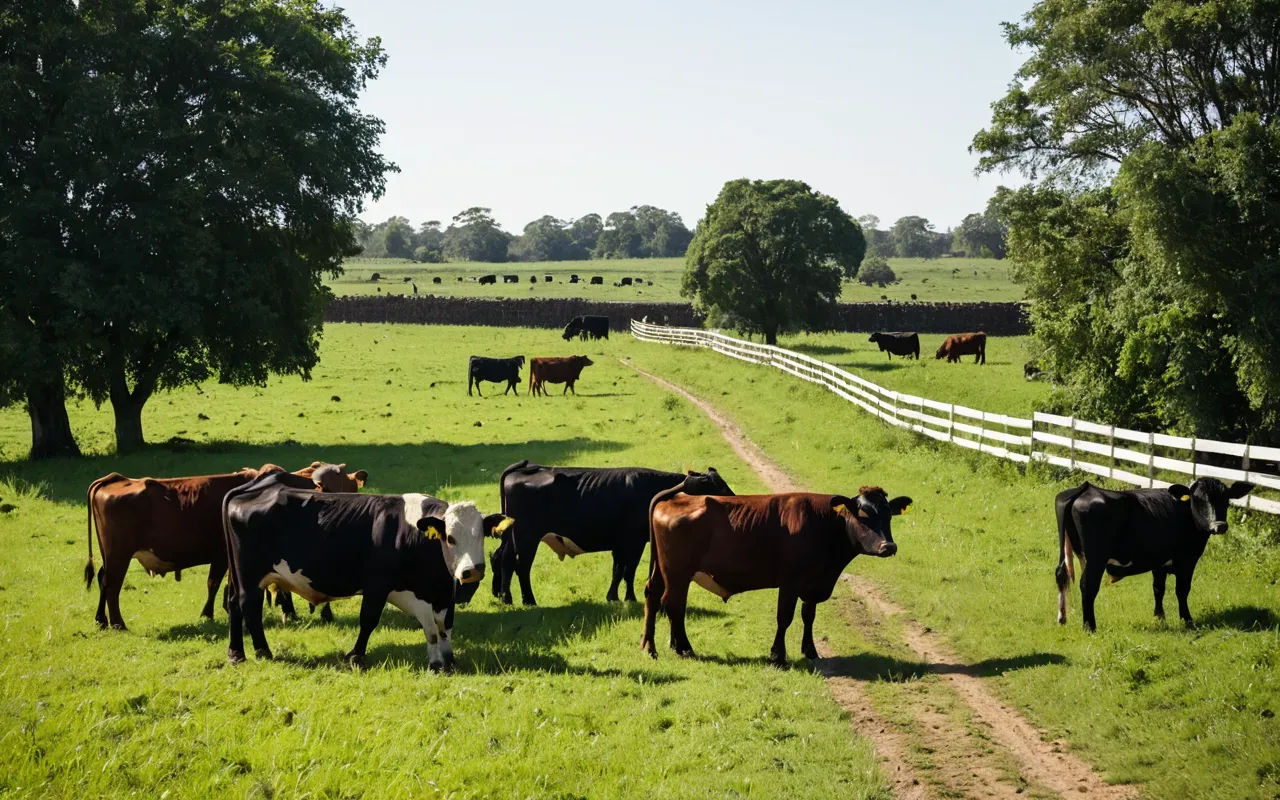
Verna Bailey was direct about her cattle. She said they would have to sell them because she could not feed livestock concrete dust.
Charles Fellenbaum added the water quality angle. For his business, clean air and safe drinking water for animals are non-negotiable operational requirements.
These are not just sentimental complaints. They represent real financial risks that a standard environmental impact statement might gloss over in favor of emission calculations.
Fellenbaum noted he had only been on the land for twenty-three years. He called himself a newcomer compared to some neighbors who lived there for generations.
But his point was universal. Everyone in the area shared the same fear about barging a highly commercial business into what they considered a residential zone.
What Happens When Neighbors Push Back Hard Enough
Residents within four hundred forty yards of the proposed plant were entitled to request a contested case hearing. That legal mechanism is powerful when used correctly.
It forces the regulator to hold a public proceeding where evidence is presented and decisions must be documented. It raises the stakes for any company considering cutting corners.
In this case, the political weight of organized opposition apparently made the application unviable before that stage even became necessary. The permit was simply withdrawn.
The Hidden Cost of Getting It Wrong in Rural Zoning
For companies planning industrial expansion near residential areas, this outcome should serve as a warning. Technical compliance is the baseline, not the finish line.
If your project depends on local goodwill and long-term operational stability, community relations are not a soft skill. They are a hard requirement for license to operate.
The real cost of ignoring these dynamics often shows up in your first year of operation. You can read more about the hidden costs hiding in your first year that rarely appear on the initial budget sheet.
Legal challenges can freeze construction for months. Reputation damage in a small community is hard to repair once trust is broken.
A Lesson in Proactive Engagement
Successful projects in sensitive areas usually start conversations early. They present mitigation plans for dust control, noise reduction, and traffic management before permits are even filed.
They treat neighbors as stakeholders rather than obstacles. This approach reduces the chance of political intervention and builds a buffer against future complaints.
It is cheaper to prevent conflict than to litigate it. That simple economic reality should drive every site selection decision in the coming decade.
What This Means for Future Construction Projects Near Homes
The Grayson County situation highlights a growing tension between infrastructure development and rural preservation. Both are legitimate goals that often collide at the property line.
As urban areas expand and industrial operations seek cheaper land on the outskirts of cities, these boundary disputes will become more frequent.
The regulatory framework needs to evolve. Distance requirements alone are not enough when the human and environmental impacts extend well beyond a fixed yardage measurement.
We need impact assessments that consider cumulative effects on air quality, water supply, noise levels, and community well-being. Not just whether a stack emits below a certain threshold.
The Role of Safety Features in Easing Tensions
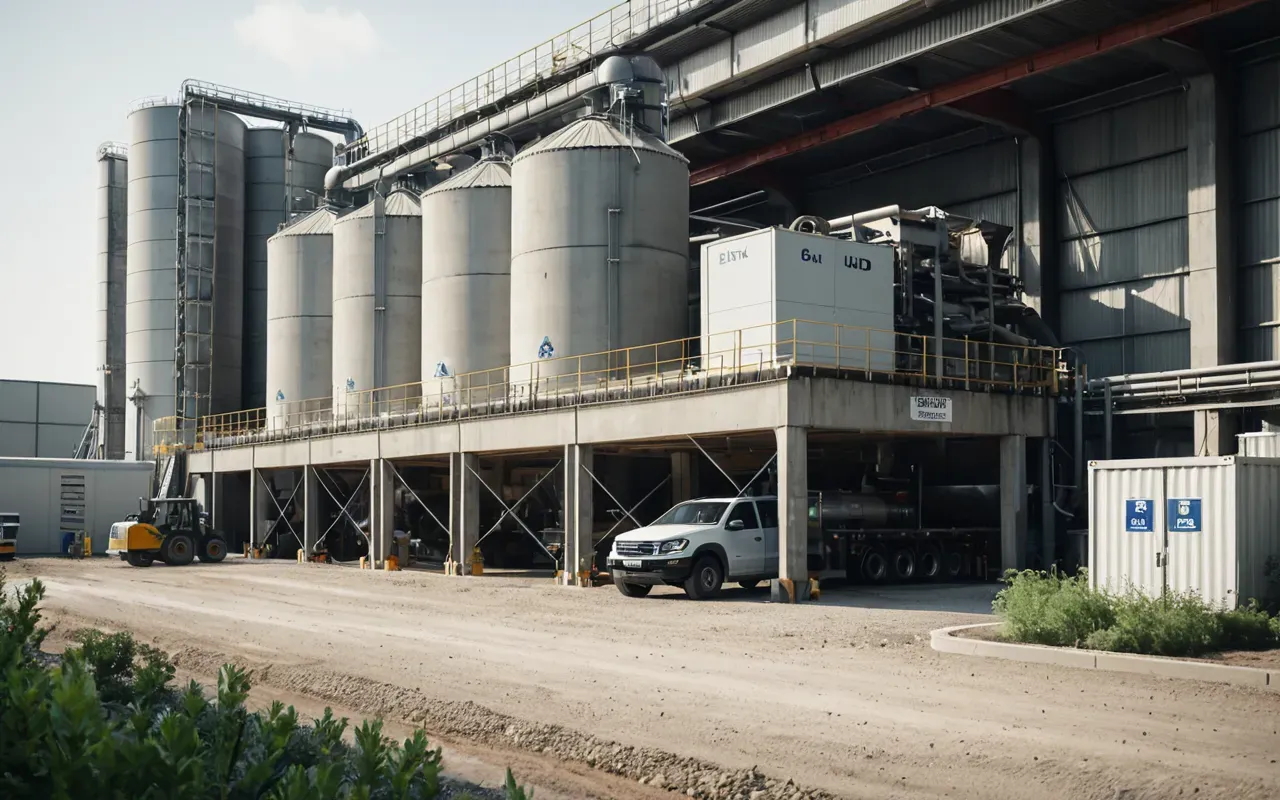
Modern plants incorporate advanced dust collection systems and noise dampening technology. These are not optional extras anymore; they are becoming baseline expectations.
However, even the best equipment cannot eliminate all impacts. The key is transparency and measurable performance targets that neighbors can verify over time.
Companies that invest in proper safety and environmental controls are not just protecting workers. They are building social license to operate.
The Bigger Picture of Rural Industrial Growth
Texas continues to attract construction and manufacturing investment. The state's growth depends on having the infrastructure to support it.
But growth without community consent creates friction. The Grayson County case shows that even technically compliant projects can face significant resistance when they threaten local identity.
The solution is not to stop development. It is to do it differently with greater care for the people who already live in these places.
That means better data sharing earlier in the process. It means designing facilities that blend into their surroundings rather than dominating them.
And it means recognizing that a one hundred thirty yard buffer is not just a number. It represents someone's home, their garden, and their daily life.
Final Thoughts on the Grayson County Concrete Plant Dispute
The withdrawal of this permit was a victory for the Harrison family and their neighbors. It preserved their way of life and kept agricultural land productive.
But it also highlighted how close the system came to failing. A single permit application nearly upended an entire community's expectations.
As construction continues to expand in rural areas, we need stronger protections for existing residents. Not just minimum standards but meaningful safeguards.
The lesson is clear. You can meet every technical requirement and still fail if you ignore the human element of your location.
In construction as in life, proximity matters. And the people next door always have a vote that cannot be overridden by paperwork alone.
Comments ()