Concrete is now grown by bacteria and it is about to break your supply chain
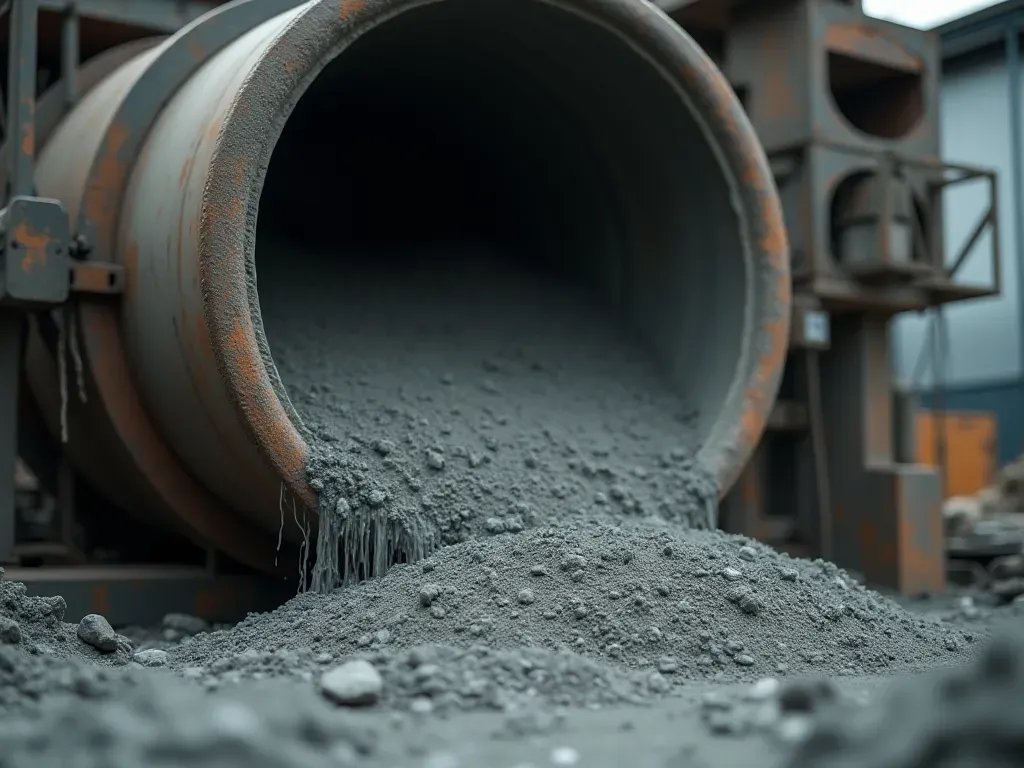
The Kiln is Becoming a Liability
For two centuries, the cement kiln has been the beating heart of construction. A massive, roaring beast that burns limestone at over , degrees Celsius. We accepted this heat because we had no other choice. But that assumption is cracking. And it is cracking fast.
I have spent years watching ready-mix plants operate. The energy bills are a constant headache. The environmental regulations tighten every year. Then I read about Biomason. They are not building better kilns. They are killing the kiln entirely. It is a radical move that changes the math of the industry.
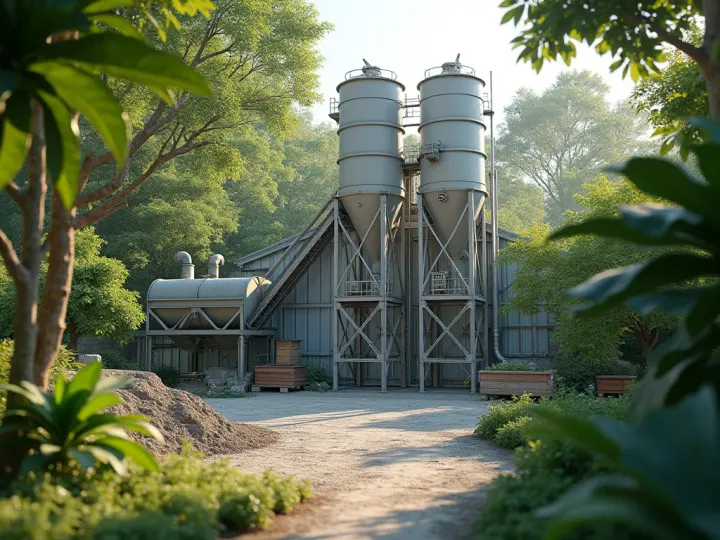
Look, this is not just a lab experiment. It is happening in Denmark right now. A factory is producing concrete without any Portland cement. The temperature in that facility is roughly room temperature. That is the detail that stopped me. The energy savings are not a percentage point. They are an order of magnitude.
How Bacteria Build What We Burn
Nature has been doing this for millions of years. Corals build their structures using tiny organisms. They deposit calcium carbonate crystal by crystal. There is no fire. There is no smoke. It is slow, patient chemistry. Biomason copied this process. They use microorganisms to grow the binding material between sand and gravel.
The bacteria do the work. They metabolize nutrients and precipitate the crystals. The result is a solid block of concrete. It looks like the stuff we use for sidewalks and foundations. But the manufacturing story is completely different. It is a biological assembly line, not a thermal reactor.
This is where it gets tricky for traditional manufacturers. If you can bind aggregate at degrees Celsius, why pay for natural gas? Why maintain a -foot tall kiln? The operational complexity drops significantly. The capital expenditure for new plants becomes a fraction of the current cost.
The Economic Shock to Ready Mix Plants
Most concrete is bought by the truckload. Price is the primary driver. If a competitor can produce the same strength at percent lower energy cost, they have a massive advantage. They can undercut the market. Or they can keep the margin. Either way, the pressure is on the traditional plants.
I have seen how thin the margins can get. A single price fluctuation in fuel can wipe out a quarter. Now imagine a competitor whose main input is electricity and water. They are not exposed to natural gas prices. That is a structural advantage that is very hard to compete against.
The Hidden Cost of Carbon
Carbon taxes are coming. They are already here in some regions. Traditional cement production is a major source of global emissions. Every ton of cement released creates a liability. Bacteria-grown concrete avoids this liability almost entirely. It is a clean slate.
This changes the investment case for new plants. If you build a traditional plant today, you are buying a carbon tax machine. If you build a biological plant, you are buying a future-proof asset. The choice is not just about technology. It is about survival.
Why This Matters More Than You Think
We talk about innovation in construction as if it is a luxury. It is not. It is a necessity. The demand for concrete is rising. The energy costs are rising. The regulatory pressure is rising. We cannot keep building the same way. We have to build differently.
Biomason is just one example. There are other companies working on similar problems. Some use different bacteria. Some use different minerals. But the direction is clear. The industry is moving away from heat and toward biology. This is a fundamental shift in how we make our world.
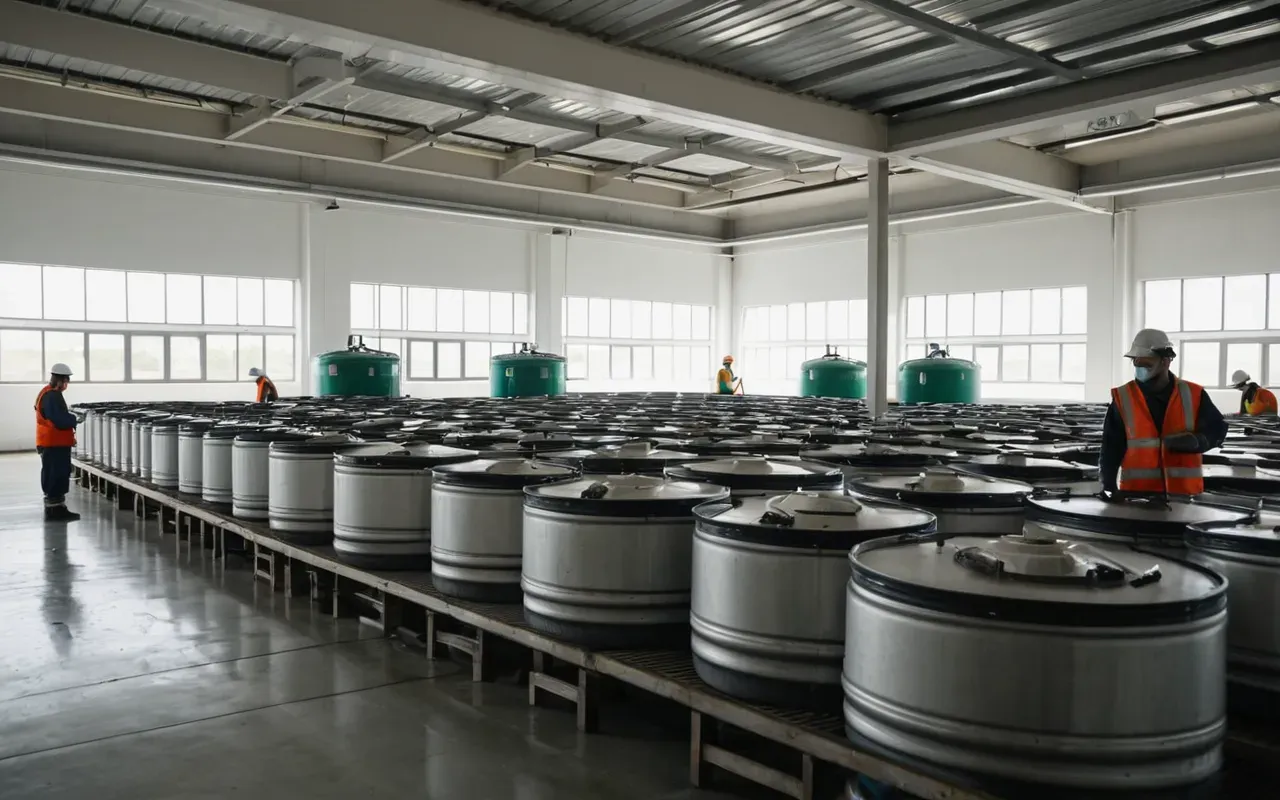
The Challenge of Scale
Let us be realistic. This technology is new. It has not been tested at the scale of a national infrastructure project. We do not know how it performs in extreme weather. We do not know how it ages over a century. There are questions that only time can answer.
But that does not mean we should ignore it. The traditional method is not perfect. It is expensive and polluting. If we have a viable alternative, we should at least test it. We should fund the research. We should prepare for the transition. Ignoring it is a risk we cannot afford.
What This Means for Your Next Project
If you are planning a construction project, keep this in mind. The cost of concrete may change. The availability of certain materials may change. The regulatory environment will definitely change. You need to be flexible. You need to be open to new suppliers.
Do not lock yourself into a single method. Look at your supply chain. Ask questions. Who is making your concrete? How are they making it? What are their carbon costs? These are not just environmental questions. They are financial questions. They are operational questions.
The industry is at a crossroads. We can keep doing what we have always done. Or we can try something new. The bacteria are waiting. The energy savings are waiting. The future is waiting. The question is whether we are ready to meet it.
The Human Element
I am not a scientist. I am a business person. But I understand the power of a good story. The story of bacteria growing concrete is powerful. It is hopeful. It is exciting. It gives us a reason to believe that we can build a better world. That is worth something.
We have been afraid of change for too long. We have clung to the old ways because they were familiar. But the old ways are breaking. The new ways are arriving. It is time to embrace them. It is time to grow.
If you are in the construction industry, pay attention. This is not a fad. This is a shift. The companies that adapt will thrive. The companies that resist will struggle. The choice is yours. But the clock is ticking.
Comments ()