Ready Mix Concrete Price in 2026 Is Not What You Think It Is

The $ Myth That Breaks Every Construction Budget
You see the number on the invoice. $ per cubic yard. Looks like a final answer, right? It isn't. The real cost is a moving target — it shifts with diesel prices, local mandates, and how far the plant is from your site. Most buyers stop at the sticker price. They miss the % hiding in the fine print.
I've watched projects blow their budget by $, in a single month. Why? The supplier tacked on a "remote area surcharge" that never appeared in the initial quote. Same concrete. Same mix. The only difference was the zip code. That's the reality of the market.
Demand for advanced batching solutions is up. Infrastructure projects are booming. But supply chains are tight. Strange paradox: you have more concrete available, yet it costs more. And the price drivers aren't just cement and aggregate anymore. They're logistics, labor, and compliance.
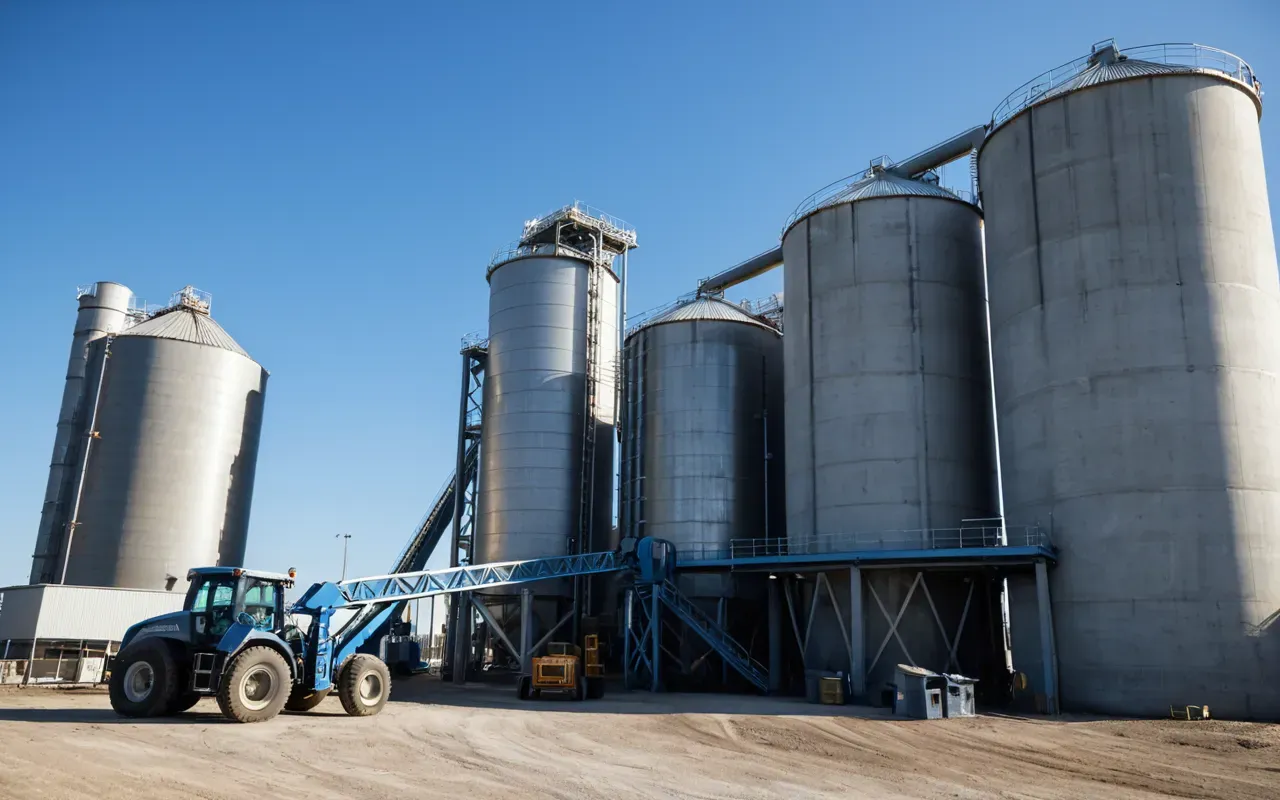
What Actually Drives the Price of Ready Mix Concrete
Cement is only part of the story — roughly % of the material cost. The rest is aggregate, water, and admixtures. But transport is the biggest variable. A truck driving miles costs more than one driving . Fuel prices fluctuate weekly, and suppliers pass those costs straight to you.
Then there's the mix design. A standard PSI mix is cheaper than a PSI mix. Why? Higher strength needs more cement and specialized admixtures. You're paying for performance. So if you don't need high strength, don't pay for it. Ask for a mix design review before you order.
Local mandates matter too. Some regions require recycled aggregate. Some mandate low-carbon cement. These rules add cost, and they're not optional. If your project sits in a regulated zone, expect a premium — $ to $ per yard. Doesn't sound like much. But it adds up fast.
The Hidden Cost of Distance
Here's the thing. Concrete is heavy. A full truck weighs , pounds. Moving that weight burns diesel. Suppliers calculate a "delivery fee" based on distance, but they also factor in time. A -minute delivery costs less than a -minute one, even if the miles are identical. Traffic adds to the cost.
I once worked a project where the site was miles from the plant. The quote included a $ per yard delivery fee. When we asked, the supplier explained the route ran through a toll road. The toll was $ per truck. With trucks, that's $. Divided by yards, $. per yard. The toll was buried in the delivery fee. Always ask for a breakdown.

How to Negotiate a Better Ready Mix Price in
Most buyers accept the first quote. They shouldn't. The market is competitive, and suppliers want long-term contracts. They'll offer discounts for volume. Buying yards or more? You have leverage. Use it. Ask for a "volume discount" or a "loyalty rate." That's not a stretch — it's standard practice.
Timing matters. Concrete is perishable — once mixed, it has a limited window for delivery. Suppliers prefer to fill trucks at peak hours. Schedule your pour for off-peak times and you may get a lower price. Early morning or late afternoon slots are often cheaper. The trucks are already scheduled. The cost is lower.
Don't forget to ask about "waste." Order yards, need only , and the supplier charges you for . Some will let you order in "partial loads" — you pay for . Small saving, sure, but it adds up. Always check the minimum order quantity. It's often yards. Need ? You pay for .
The Power of Pre-Mixed Orders
Here's a tip most buyers miss. Pre-mixed orders. You order the concrete in advance, the supplier mixes it at the plant, then delivers it to the site. Cheaper than "just-in-time" mixing. Why? The plant can plan its production. Less waste. Lower labor costs. And the supplier passes those savings to you.
I've seen a % discount for pre-mixed orders. Sounds small. But on a ,-yard project, that's $,. Real money. Free money. Ask for it. Don't be shy — suppliers expect you to ask. If they say no, ask why. You may find a loophole. You may find a better deal.
The Real Cost of Ignoring Local Regulations
Regulations aren't just red tape. They're cost drivers. Some states require low-carbon cement. Some mandate recycled water. These rules add to the price, and they're not optional. Ignore them and you face fines. Fines are expensive — they can wipe out every dollar you thought you saved with a cheap supplier. Always check local codes.
I know a contractor who saved $, using a cheaper supplier. That supplier didn't meet the local low-carbon mandate. The project got flagged. The fine was $,. He lost money. The "savings" were a myth. Always verify your supplier complies with local rules. Ask for documentation. Don't take their word for it.
The market is stricter than ever. Environmental rules are tightening. Suppliers are adapting — but not all of them. Some still use outdated methods. They cut corners. They save money. But they expose you to risk. Don't be that contractor. Pick a supplier who's compliant. The price may be higher. The risk is lower.

Why Your Concrete Invoice Has More Lines Than You Think
Look at your last invoice. You see "concrete" and "delivery." But there are other lines. "Pump fee." "Washout fee." "Access fee." Hidden costs, and they add up. The pump fee covers pumping the concrete. The washout fee covers cleaning the truck. The access fee covers site conditions — hard-to-reach sites pay more.
I've seen a $, "access fee" on a $, invoice. The site had a narrow driveway. The truck had to back in, which took minutes. The supplier charged for that time. It wasn't in the initial quote. It was in the fine print. Always ask for a full breakdown. Don't assume the quote is complete.
The "pump fee" is another one. Need a concrete pump? The supplier charges for it, based on height and distance. A -foot pump costs less than a -foot pump. Ask for a quote. Don't guess. The difference can be $. Not a lot. But it's money you can save.
The Washout Fee You Do Not Want to Pay
The washout fee is for cleaning the truck. It's charged when the concrete isn't discharged within a certain time. Wait too long and the concrete sets in the truck. The supplier has to clean it, and the cost lands on you — usually $ to $ per truck. Not a lot. But avoidable. Plan your pour. Don't wait.
I once saw a project get hit with a $, washout fee. Fifteen trucks. The pour got delayed, the concrete set in the drum, and the supplier had to clean it out. Expensive mistake. The lesson? Plan your schedule, coordinate with the supplier, and make sure the site is actually ready before the trucks roll. The washout fee is a penalty for poor planning — avoid it.
The Future of Ready Mix Pricing in
The market is shifting. Automation is cutting labor costs, but it's adding technology costs on the other side. Suppliers are putting money into AI-driven batching. It improves accuracy. It cuts waste. But it isn't free, and that cost gets passed to you. Higher price, better quality, less waste. A trade-off.
Honestly, I think the future is hybrid. Some suppliers will sell basic concrete — cheap, less accurate. Others will sell premium concrete — expensive, highly accurate. You pick. The market will have tiers, so choose the one that fits your project. Don't assume the cheapest is best. And don't assume the most expensive is necessary.
Transparency is the key. Suppliers who hide costs are losing customers. Buyers who ask questions are winning deals. The market rewards those who understand the price and punishes those who don't. Educate yourself. Ask the right questions. Negotiate hard. You'll save money, and you'll build better. It's that simple.

Frequently Asked Questions
What is the average ready mix concrete price in ?
The average ready mix concrete price in is $ to $ per cubic yard. This varies by location, mix design, and volume. Transport costs add $ to $ per yard. Always request a detailed quote to understand the full cost.
How far can a ready mix truck travel before the concrete sets?
A ready mix truck can travel up to miles before the concrete sets. The exact distance depends on the temperature and mix design. In hot weather, the window is shorter. Always coordinate with the supplier to ensure timely delivery.
Can I negotiate the price of ready mix concrete?
Yes, you can negotiate the price of ready mix concrete. Suppliers often offer discounts for volume, off-peak delivery, and long-term contracts. Always ask for a breakdown of costs and request a volume discount if applicable.
What is the minimum order for ready mix concrete?
The minimum order for ready mix concrete is usually cubic yards. This ensures the truck is fully loaded and the delivery is cost-effective. Some suppliers may allow partial loads for a higher per-yard price.
Why is ready mix concrete more expensive than self-mixed?
Ready mix concrete is more expensive than self-mixed because it includes labor, transport, and quality control. Self-mixed concrete requires equipment, time, and skill. Ready mix is consistent and reliable, making it worth the premium for most projects.

Comments ()