The quiet move that just reshaped who controls concrete in Minnesota
A quiet handshake that changes the map
It happened on August 18. No fireworks. No press conference in a ballroom. Just two companies signing papers that will shift the flow of concrete across three states for years to come.
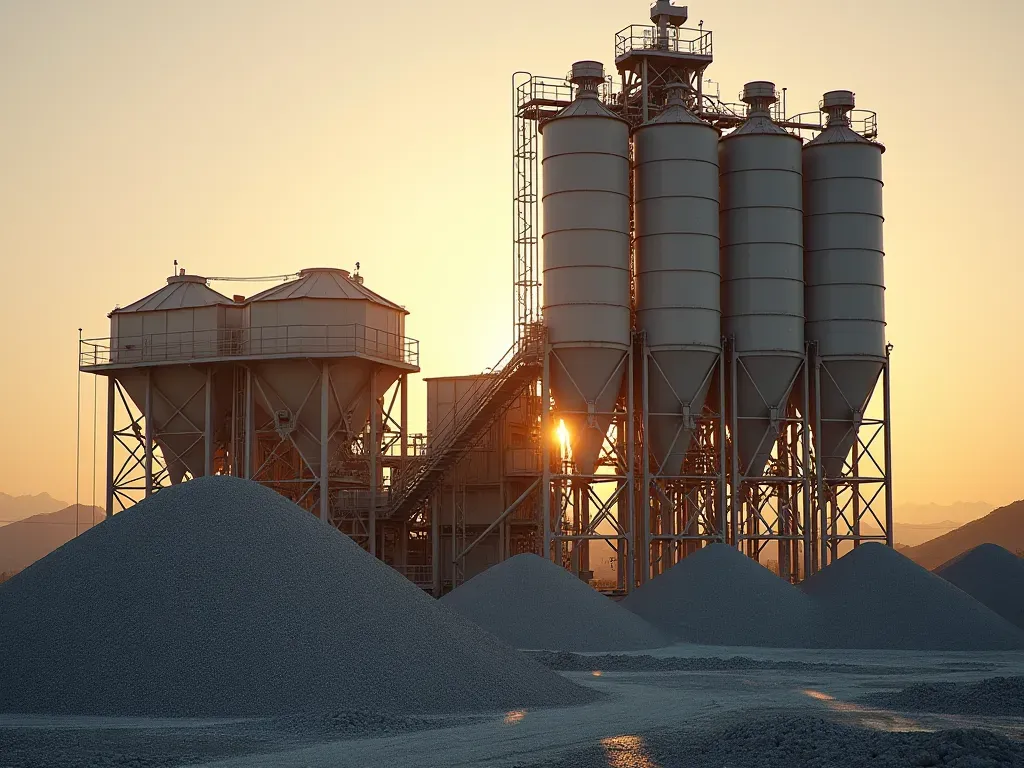
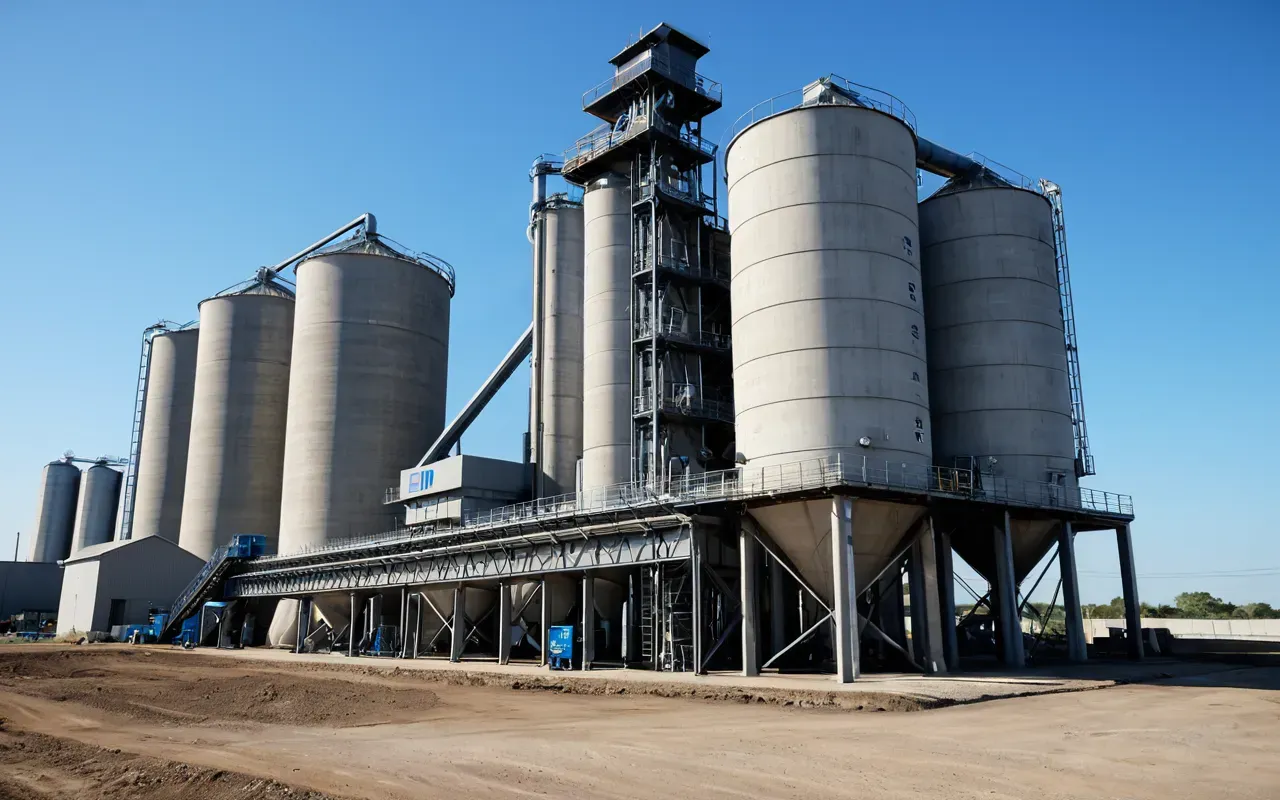
Cemstone Products Company bought Crow River Construction’s ready-mix plant and aggregate facility. That is the headline. But I think we are missing the real story.
This isn't just a sale. It is a strategic retreat by one player and an aggressive expansion by another. And the ripple effects will hit job sites in New London long before the ink dries on those contracts.
Why Crow River let go of a core asset
Here’s the thing. Most construction firms want to be vertical. They want to control every step from design to pour. Crow River is breaking that pattern.
They called it a tough but thoughtful decision. I’d call it a survival instinct. Running a plant is capital intensive and logistically nightmarish during peak season.
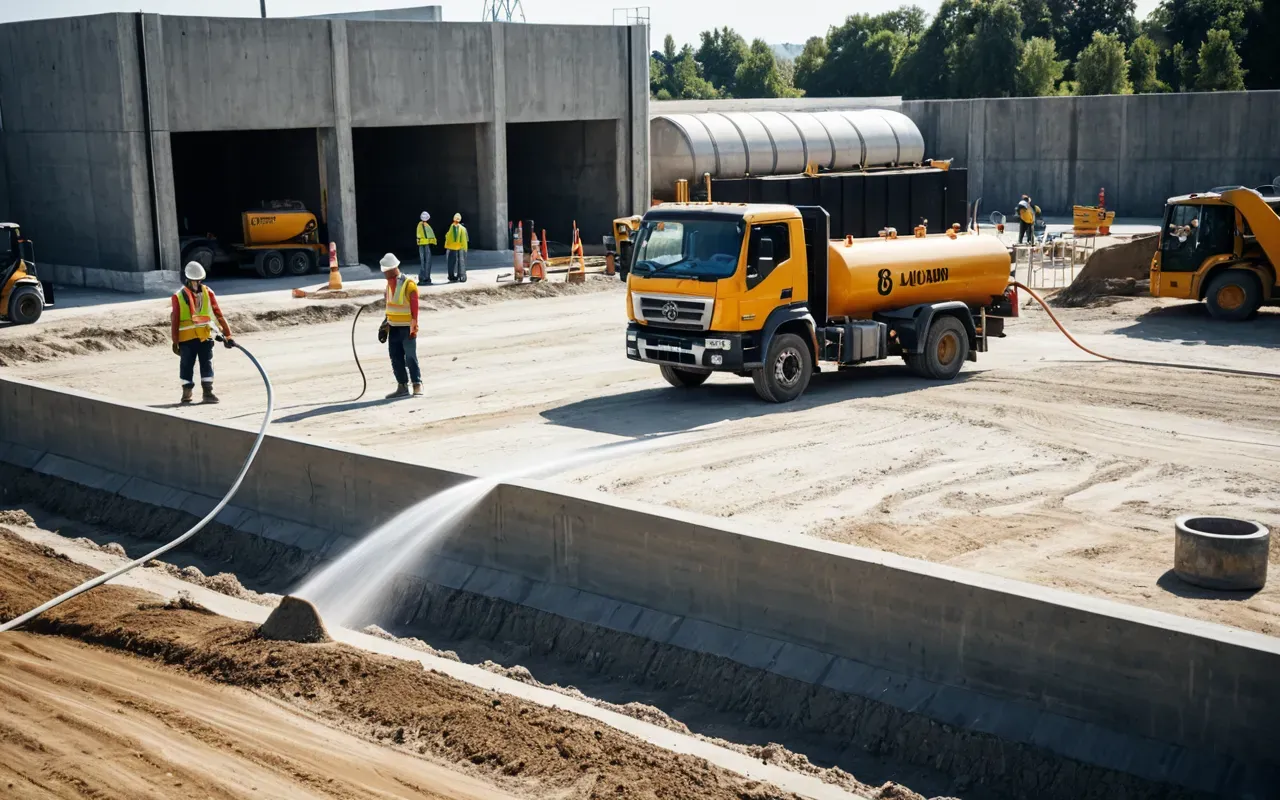
By selling the plant, Crow River frees up cash and management bandwidth. They can now focus purely on sewer and water utility construction. That is their sweet spot.
I have seen too many general contractors stretch themselves thin trying to do everything. This move suggests Crow River is prioritizing margin over market share in the materials sector.
Cemstone is playing a long game
Meanwhile, Cemstone is doubling down. As a fifth-generation family business dating back to 1927, they have deep roots in Minnesota.
Buying this facility strengthens their footprint across Minnesota, Iowa, and Wisconsin. That is a massive tri-state corridor for infrastructure projects.
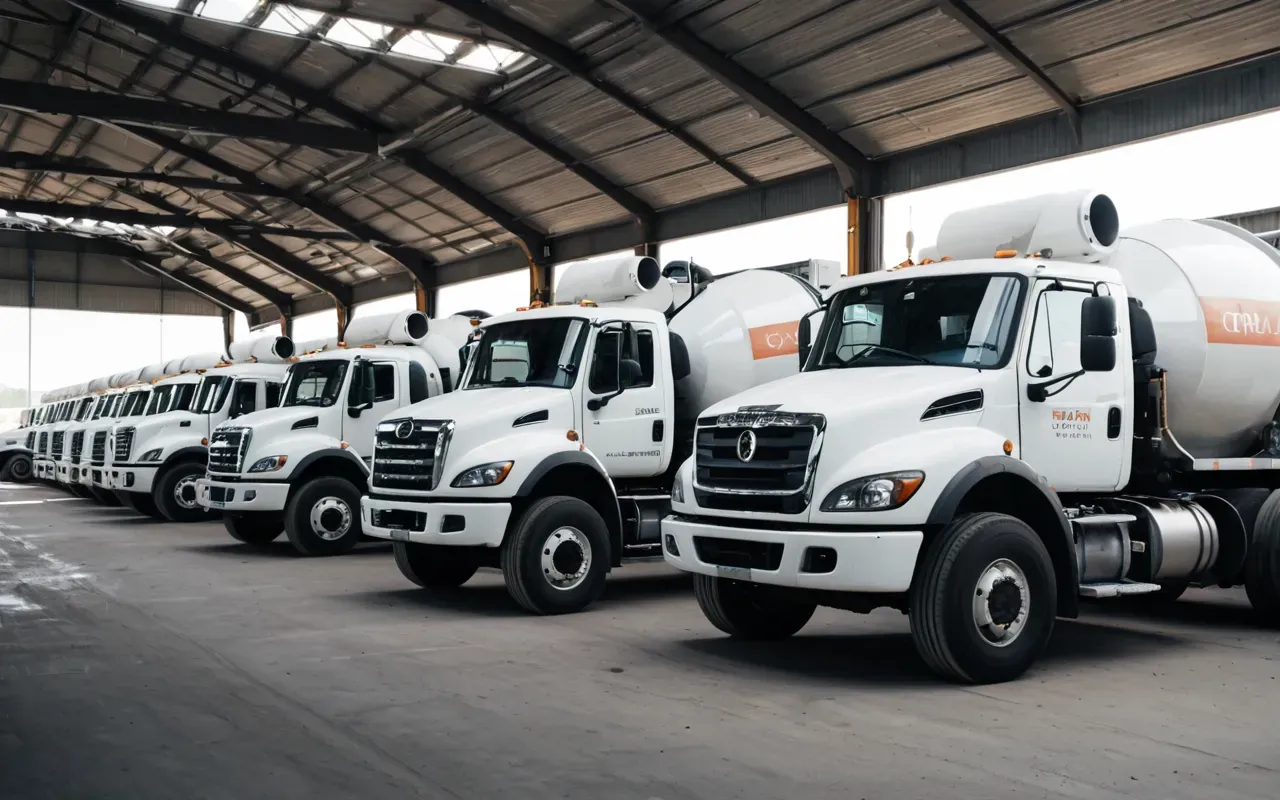
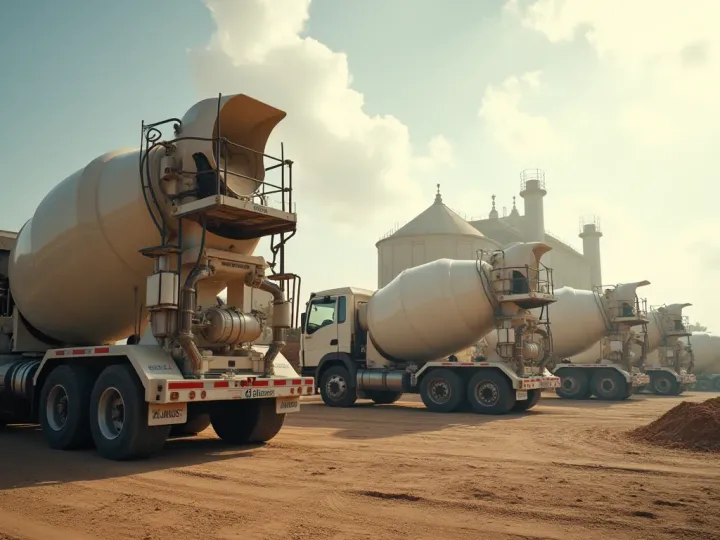
Look at the logistics. Concrete is heavy and perishable once mixed. You need local plants to stay competitive on delivery times.
By absorbing Crow River’s plant, Cemstone reduces their transport costs and increases their capacity for large commercial pours. It is a classic consolidation move.
What this means for local jobs
The release says employees will have access to enhanced resources and training. That is good news on paper.
But let’s be honest. Mergers often lead to role redundancy. Not necessarily layoffs, but shifts in responsibilities.
Workers who knew the Crow River system inside out will now have to learn Cemstone’s protocols. That transition period is where friction happens.
The supply chain ripple effect you are not seeing yet
This is the part that concerns me. When one company controls more of a local market, pricing dynamics change.
If you are a contractor relying on Crow River for custom mixes in New London, your options just got narrower.
You might find yourself negotiating with a larger entity that has different volume requirements. Small batch orders may become less attractive to them.
I have seen this pattern before. Consolidation leads to standardization. And standardization can hurt niche projects that require specific aggregate blends.
Is competition dying in regional markets?
We keep seeing fewer independent players. The big guys are eating the small ones alive.
If Cemstone continues this strategy of buying plants from general contractors who want to focus on core operations, the landscape will shift dramatically.
You need to watch your backup suppliers. If they get acquired next year, you will have even less leverage in price negotiations.
What should contractors do right now
Do not panic. But do start mapping your alternatives today.
If you are currently using Crow River for a project in New London, check your contract terms. Do they allow for substitution if the ownership changes?
If you are bidding on new work in Minnesota or Iowa, factor in potential price increases. Consolidation often leads to higher margins for the acquirer.
I would also suggest building relationships with at least two other plants in your region. You never know which one will be acquired next.
The hidden cost of consolidation on small projects
Large plants are optimized for volume. A 10-yard order is a drop in the bucket to them.
You might see surcharges for small loads or minimum delivery fees. These hidden costs can eat your profit margin on smaller jobs.
If you are running a small residential business, this is critical. Your biggest supplier might not care about your five-yard pour as much as they used to.
The bigger picture for US infrastructure
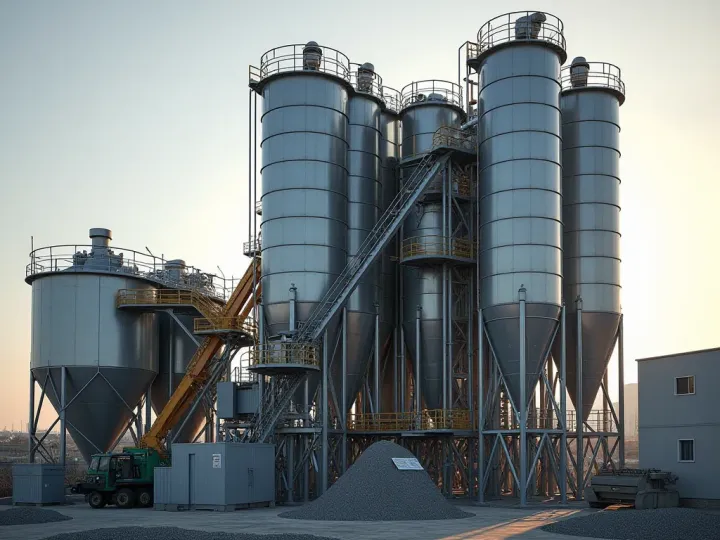
Demand for advanced concrete batching solutions is growing. Infrastructure projects are huge and complex.
Cemstone’s move positions them to capture that growth. They are betting on scale and consistency over local flexibility.
For the industry as a whole, this means more standardization. More automation. And fewer local decision-makers on the ground.
Will this model spread to other regions?
Almost certainly. If this works for Cemstone in the Midwest, others will follow.
We are likely to see more acquisitions of independent plants by larger aggregates companies in the next few years.
The question is not if it will happen. The question is how fast it will disrupt your local supply network.
Final thoughts for the savvy construction professional
This acquisition is a sign of the times. The industry is consolidating to meet rising demand and operational costs.
Your job as a contractor or project manager is to stay ahead of these shifts. Know your suppliers. Know their owners.
If you are relying on a single source for your concrete needs, this news should make you nervous. Diversify or risk getting left behind.
The concrete under your feet is just as important as the steel in it. And who controls that source matters more than you think.
Comments ()