The phone call that ended a concrete strike nobody expected to resolve so fast

One phone call ended a two-week concrete standoff nobody saw coming
Look, I have covered enough labor disputes in this industry to know when a strike is going to drag on for months. The CalPortland walkout that started August 6 looked exactly like the Seattle mess of 2022.
Three hundred fifty drivers across fifteen plants in Sonoma, Marin, Napa and Solano counties. Public works projects frozen. Elected officials visibly rattled.
Then on August 15, San Francisco Mayor Daniel Lurie picked up his phone and called CalPortland's CEO directly.
The settlement started moving within days. By August 21 the Teamsters had ratified a one-year contract with industry-standard wage increases. That is not how these things usually work.
What actually happened in those critical twelve days
The strike began on August 6 after the union alleged CalPortland was dragging out bargaining by scheduling only two days per month from August through November. That would have landed right when summer ready-mix projects wrapped up.
Teamsters Locals 853, 665, 315 and 150 all participated. Local 665 principal officer Tony Delorio later said the mayor's intervention was the turning point.
Delorio told reporters that Lurie phoned CalPortland leadership on August 15 specifically because public works projects at San Francisco Airport were being held up. Once that call happened, negotiations accelerated dramatically.
Why CalPortland suddenly agreed instead of holding firm
Here is the thing nobody talks about enough. CalPortland just completed a $712 million acquisition of Vulcan Materials' ready-mix facilities in California back in June 2026.
That deal required them to hire ninety percent of Vulcan's employees and sell three plants in the San Diego market. They were already stretched thin on operational integration when this strike hit.
A long strike would have meant losing momentum on that consolidation window entirely. I think that is where a lot of the pressure came from, even if CalPortland never publicly said so.
The Fresno decertification vote you probably missed
Before the Northern California strike even started, drivers at a CalPortland ready-mix facility in Fresno voted 9-7 on January 29 to end their Teamsters Local 431 representation.
The petition was filed by driver Darrell Dunlap Sr. with the National Labor Relations Board, and he received free legal assistance from the National Right to Work Foundation.

That Foundation has been involved in similar decertification efforts nationwide for years. It gives you a sense of how fragmented these labor negotiations have become across different regions and local unions simultaneously.
Who actually won this negotiation
On the surface, it looks like a clean win for the drivers. They got industry-standard wage increases and locked in their current contract language for twelve months.
But CalPortland also avoided a multi-month disruption that could have cost them tens of millions in delayed deliveries across four counties. They kept the plants running with minimal downtime beyond the initial walkout period.
The mayor got his public works projects back on schedule without having to threaten any regulatory action or spend political capital on a prolonged standoff. Three sides, three different wins, and no real losers if you squint.
What this means for your construction timeline right now
If you are running projects in Northern California, the immediate disruption is over. But I would not get comfortable just yet.
The fact that a single phone call from an elected official could break open stalled negotiations tells me something about how fragile these supplier relationships actually are when political pressure enters the mix.
If you have been tracking how these disputes ripple through supply chains, I would recommend looking at why the Heidelberg concrete strike was a warning sign for every construction project timeline before planning your next major pour.
The quiet backstory CalPortland has not shared publicly
CalPortland did not respond to comment requests about the strike or the settlement terms. That silence is itself a data point worth sitting with for a moment.
They are a subsidiary of Tokyo-based Taiheiyo Cement Corporation, one of the largest construction material suppliers in the Western United States and Canada. Their reputation is built on reliability across hundreds of projects per year.
Going public with a detailed narrative about how an elected official's phone call forced their hand would probably not sit well with any of those corporate relationships. I get it, honestly.
What I think we are actually learning from this one
The ready-mix concrete industry in the Western United States is getting more concentrated, not less. CalPortland's $712 million Vulcan acquisition and the Shamrock Materials history going back to 2017 show a clear pattern of consolidation.
When fewer companies control more plants, any labor dispute hits harder because there are simply fewer alternatives for contractors who need concrete delivered tomorrow morning at six AM sharp.
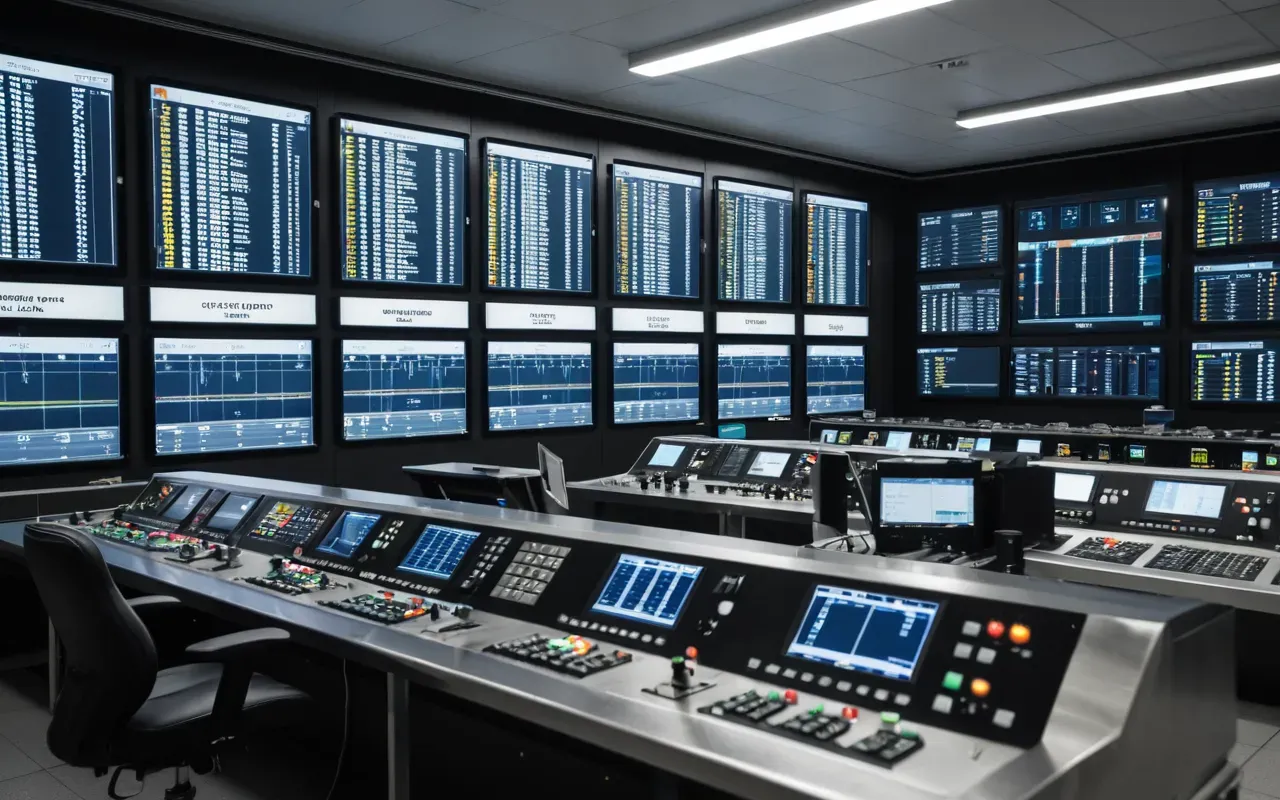
The demand for advanced concrete batching solutions continues to grow across the country as infrastructure development accelerates. But that growth is increasingly dependent on a shrinking number of suppliers who can actually deliver at scale without breaking something.
The safety angle nobody in this story mentioned but should have
Every one of those fifteen plants that shut down for two weeks also stopped running their daily safety checks on batching equipment, dust collection systems and operator training rotations.
That matters because a plant that has been sitting idle for twelve days is not the same as one that runs twenty-four seven. Wear patterns shift, calibration drifts, and the first batch after a long pause carries more risk than operators usually account for.
If you have been thinking about the real cost of ignoring safety features on your ready mix plant, this strike is a live example of how quickly operational rhythm breaks down when people stop showing up.
What happens next for Northern California concrete supply
The one-year contract expires around August 2027. That is when the real pressure builds again, and I expect both sides to be much more cautious about how quickly they let negotiations slide into a walkout position.
The union has shown it can mobilize across four local chapters in under three weeks. CalPortland has shown it will fold faster than expected when political attention lands on its doorstep at the right moment.
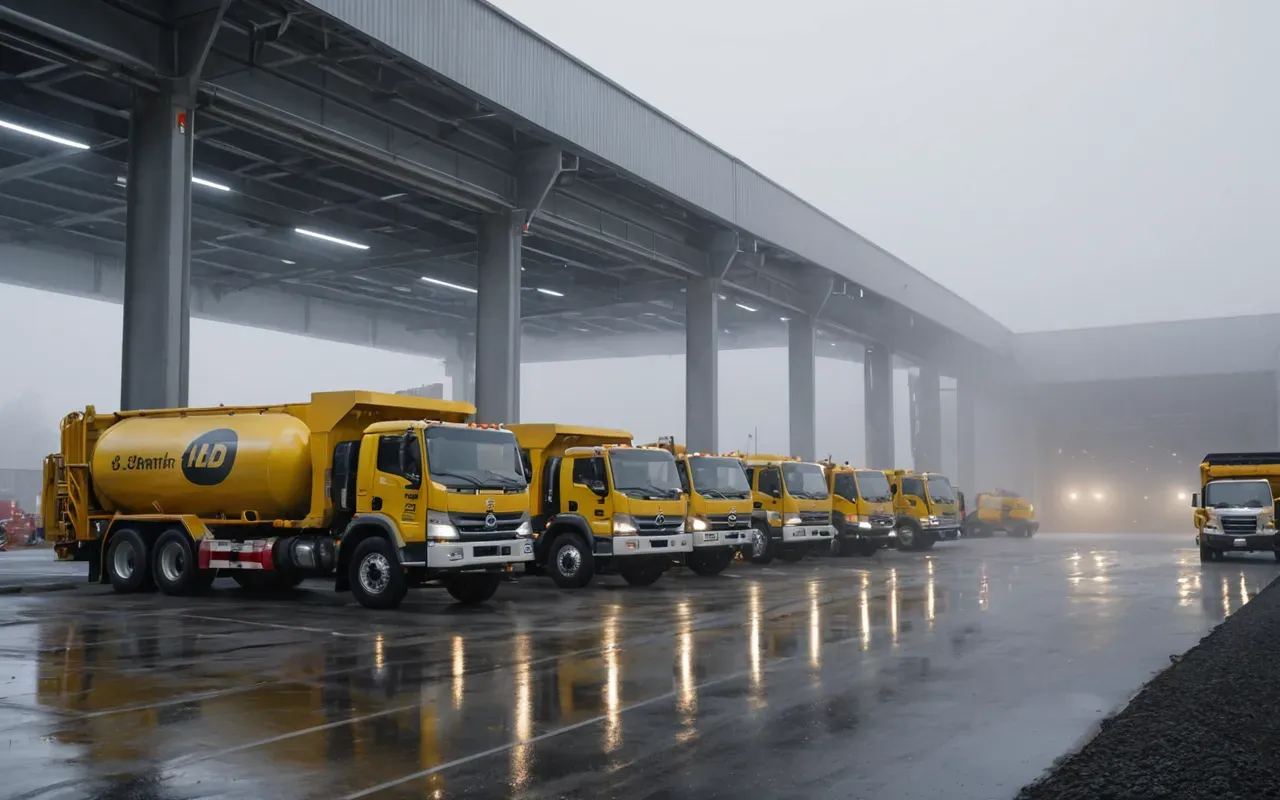
For anyone tracking how supplier concentration affects project timelines across the region, I would also look at how Jensen Infrastructure just changed the concrete game in California to get a fuller picture of where this market is heading.
The bigger question nobody wants to answer out loud
Can a mayor's phone call really be the thing that saves your construction schedule? In this case, apparently yes. But I do not think that is going to become a reliable strategy for every dispute in the next five years.
What it does tell you, though, is how thin the margin of operational security has gotten across Western US construction supply chains. One political relationship, one well-timed phone call, and a two-week strike evaporates overnight.
That fragility is something every project manager in this region should be pricing into their risk models right now, not waiting for the next walkout to find out how exposed they actually are.
Comments ()