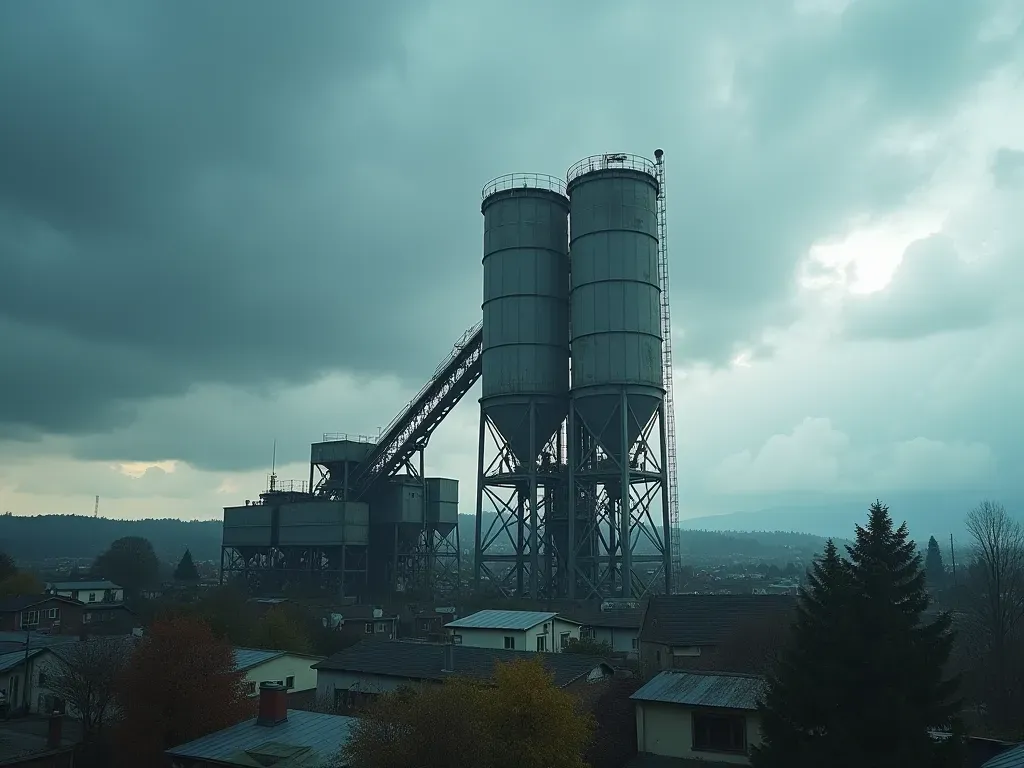
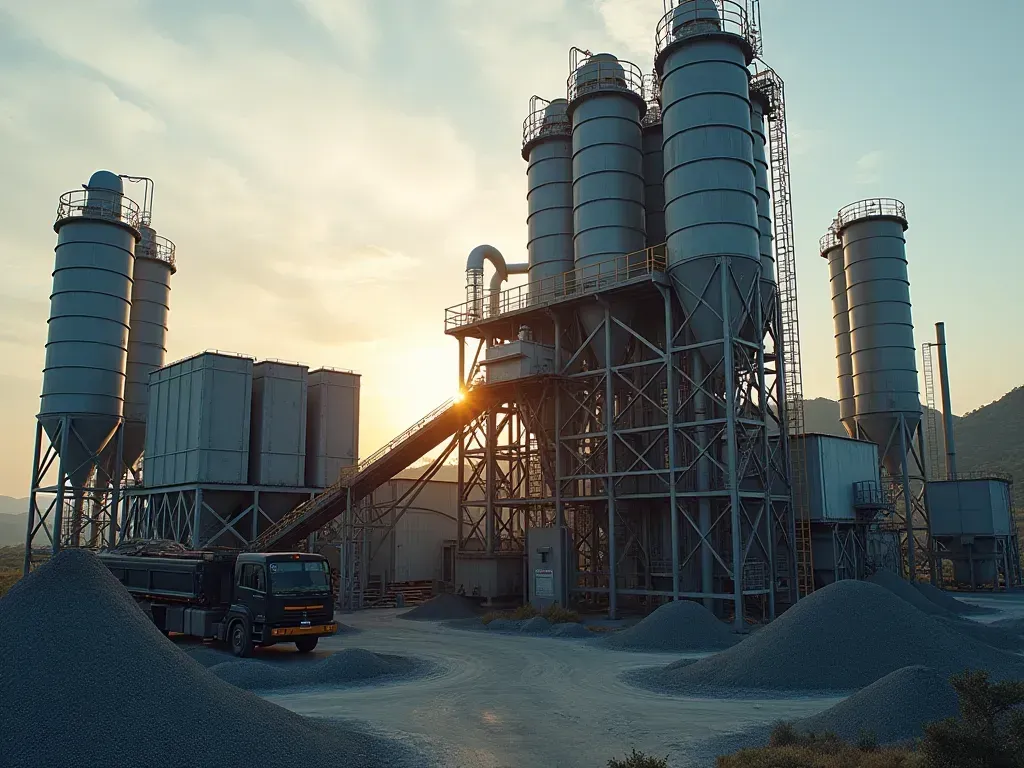
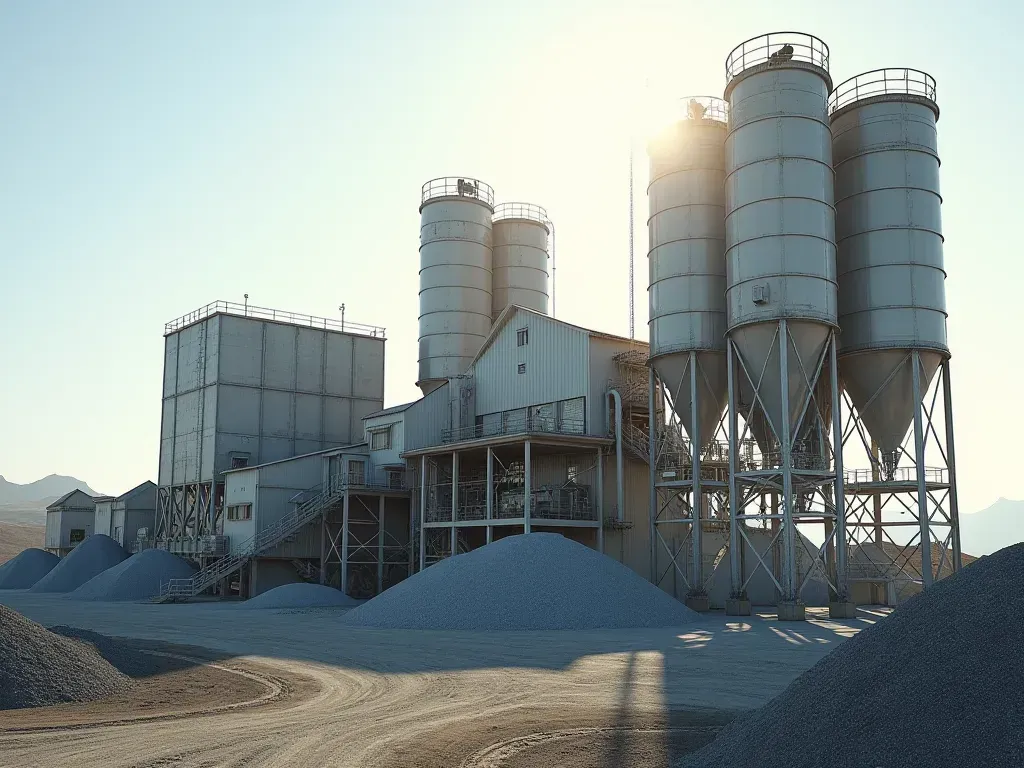
Ready-Mix Plant
Ready Mix Plant Equipment: Essential Machines for Concrete Production
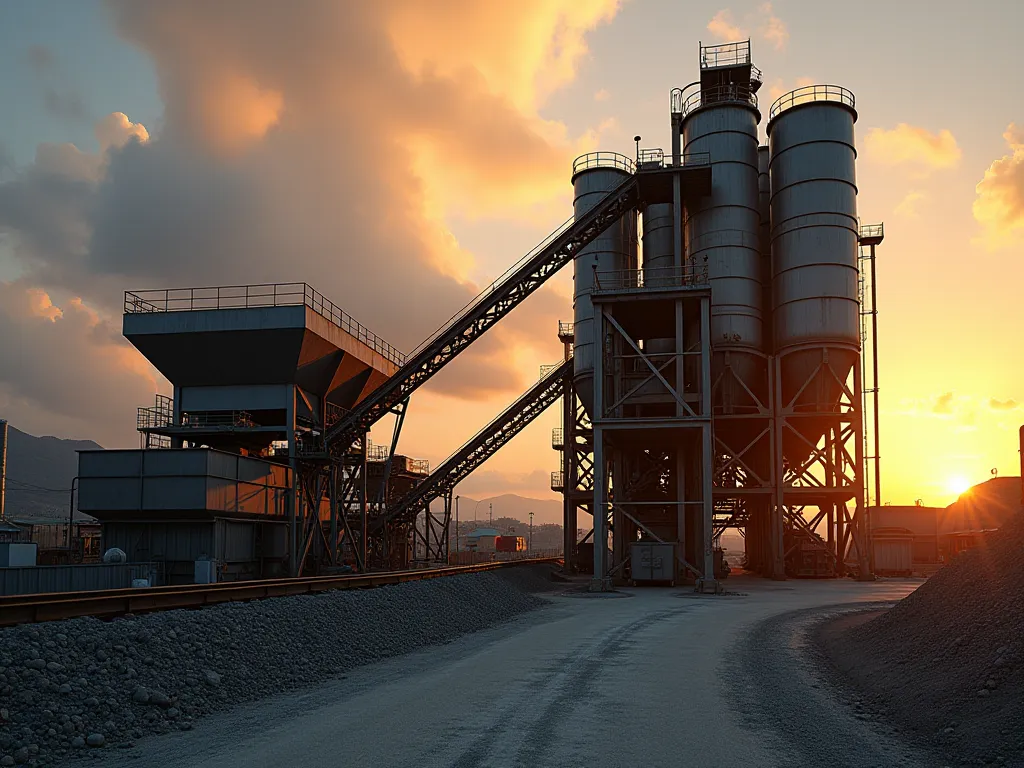
Ready mix plant equipment centers on industrial mixers that coordinate with batchers and silos to produce consistent concrete. The core mechanism dividing these systems is the choice between twin-shaft and planetary designs, each serving distinct production volumes and material densities.
Twin-Shaft Mixers for Transit Loads
Twin-shaft mixers are the standard for ready-mix trucks due to their high throughput capabilities. These units typically handle output sizes ranging from 2 cubic yards to 6.5 cubic yards, allowing plants to fill transit loads efficiently.
The parallel shafts create a vigorous shear action that homogenizes the mixture quickly. This geometry supports faster discharge times, which is critical for maintaining workability during transport and placement on large job sites.
Planetary Mixers for Precast Applications
Planetary mixers operate differently by using a rotating arm with multiple paddles that orbit the drum. This design is preferred for precast manufacturing where higher density and tighter compaction are required.
Outputs from these machines are smaller, spanning from one-third cubic yard to four cubic yards across various models. The slower, more thorough mixing process ensures uniform distribution of aggregates and cement without over-mixing the fines.
Aggregate Handling: Bins, Feeders, and Recyclers
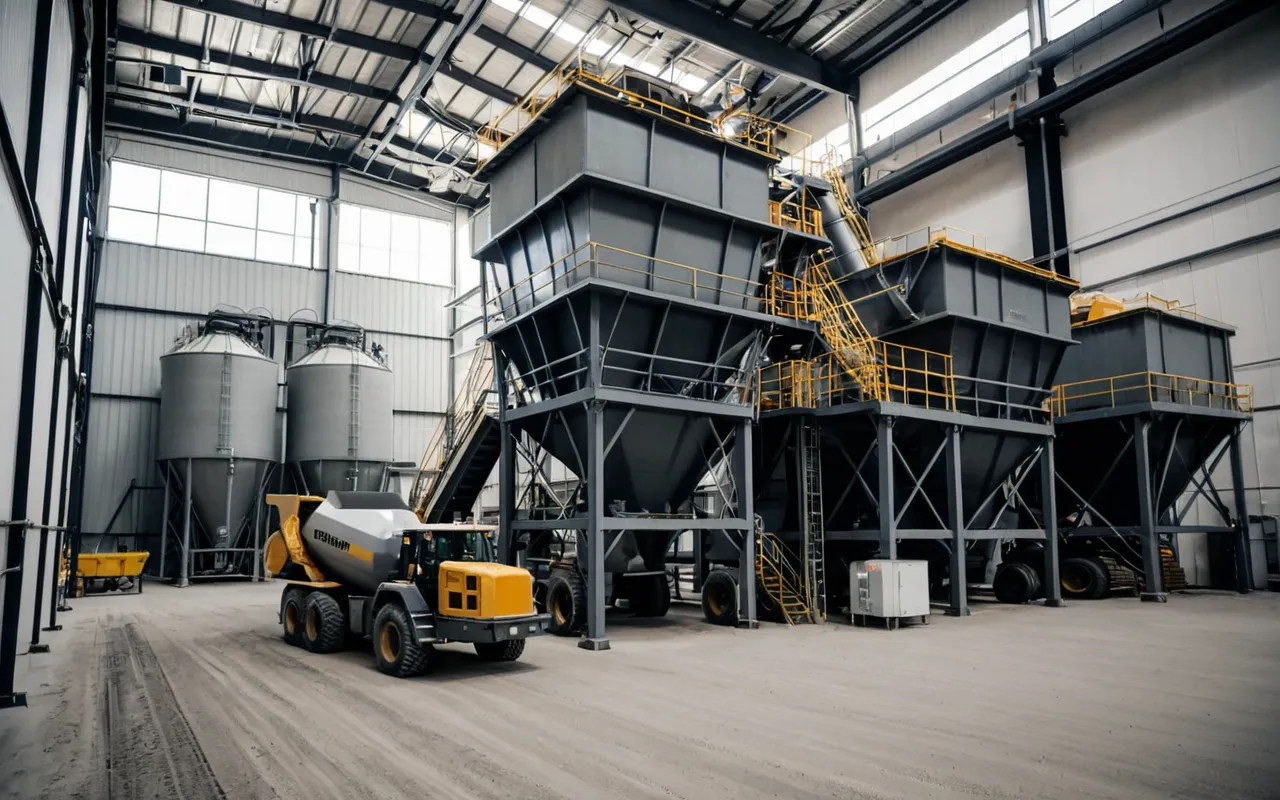
Aggregate storage capacity dictates how often a plant must stop production for refills, directly impacting daily output consistency. Standard ready mix facilities utilize feed systems with 15-ton bins as the baseline configuration. For high-volume operations requiring continuous flow without frequent interruptions, these units expand to 30 or 40 tons or more. This scalability allows operators to match storage depth with their specific project volume requirements rather than relying on constant resupply.
Feeding accuracy depends heavily on the bin design and feeder mechanism interaction during batch cycles. Consistent material flow prevents air pockets in the hopper that can cause weight sensor errors at the scale house. Operators must verify that bin geometry supports uniform discharge, especially when handling cohesive or wet aggregates. Inconsistent feed rates force the control system to extend cycle times, which reduces overall plant throughput and increases labor costs per cubic yard produced.
Returned concrete management is a critical component of modern equipment specifications for reducing waste material costs. Concrete recyclers typically process returned concrete at rates of 2-3 cubic yards per hour, allowing plants to recover usable aggregates from rejected batches or truck washouts. This capability supports sustainability goals while simultaneously lowering raw material procurement expenses over time.
Yard logistics become a bottleneck during peak production hours if discharge infrastructure is insufficient for simultaneous vehicle arrivals. A multi-truck reclaimer or discharge station addresses this by allowing four trucks to discharge simultaneously into the unit. This capability significantly reduces yard congestion and waiting times, ensuring that fresh concrete reaches the mixer without delay. Efficient discharge protocols are essential for maintaining tight turnaround windows in high-demand markets where every minute of truck idle time impacts profitability.
Temperature Control: Heating and Cooling Systems
Concrete quality depends on maintaining specific material temperatures to ensure proper hydration and workability. In cold climates, unheated aggregates can interrupt the chemical reaction required for strength development. Forced air systems address this by directly heating aggregate bins before batching. These forced air heating systems typically deliver outputs between 1,000,000 and 2,000,000 BTU/hr to prevent freezing.
For larger production volumes requiring higher thermal mass transfer, steam-based solutions offer greater scalability. Steam-generating units like the Steam-Flo system operate in capacities ranging from 11 to 100 Boiler Horsepower. This range allows operators to match heating power precisely with aggregate feed rates. Selecting a unit that is too small leads to temperature drops during peak demand cycles.
Temperature control ensures the chemical reaction of cement hydration proceeds correctly, making it a core component rather than an optional add-on.
Buyers often overlook these systems when comparing plant quotes. However, omitting adequate heating or cooling infrastructure compromises durability in extreme weather conditions. This oversight can lead to costly remediation later, similar to the hidden cost mistakes found in other plant specifications.
Dry Mix vs Central Mix: Equipment Implications
Choosing between dry and central mix processes dictates the specific hardware required on-site. A dry batch plant loads cement, aggregate, and admixtures into transit trucks without adding water at the facility. The mixing occurs during transport, which shifts the burden to the truck's drum but demands precise calibration of all dry ingredients before discharge.
Central mix plants combine all materials, including water, directly at the plant before loading the trucks. This method supports faster cycle times and consistent mix quality because every variable is controlled in a fixed location rather than during transit. The distinction fundamentally changes how buyers must evaluate the reliability of dosing systems.
Equipment complexity diverges sharply between these two configurations. Central mix facilities require integrated hydraulic and pneumatic controls that synchronize in real-time to ensure accurate water-to-cement ratios. Dry mix setups rely less on immediate fluid dynamics but depend heavily on the precision of individual batchers for cement, sand, and stone.
Maintenance profiles differ significantly due to these mechanical variations. Wet plants expose more components to moisture and slurry, accelerating wear on seals and valves within the dosing units. Dry plants face less corrosion from water but require rigorous cleaning of hoppers to prevent clumping of cementitious materials.
Operators must verify that control software supports the specific mix design methodology chosen. Central mix systems often feature more complex feedback loops for quality assurance, while dry mix systems prioritize weight accuracy in solid component batching. Understanding this split helps buyers identify which technical failures are most likely to disrupt production.
Regulatory Compliance: Dust Control and Safety Systems
Dust control is a critical operational component that directly impacts regulatory standing and worker health. Firms like C&W DustTech design systems specifically to meet EPA and OSHA standards for air quality in concrete batch plants, ensuring emissions remain within legal limits.
Modern equipment integrates these safety protocols directly into the machinery rather than treating them as add-ons. This approach protects operators from silica dust exposure during loading and mixing phases. Buyers should verify that filtration units are sized correctly for their specific mixer volume to prevent recirculation of particulate matter.
Compliance is an operational necessity, not just a legal formality. Failure to maintain proper dust levels can trigger immediate regulatory inspections and costly production shutdowns. Integrating robust safety systems from the start ensures continuous operation without interruption for environmental remediation.
Selecting Equipment for Long-Term Reliability
Initial purchase price often masks the true cost of ownership over a decade. To assess durability, examine whether components are engineered as an integrated system rather than assembled from disparate parts. A supplier who designs mixers, batchers, and control interfaces together ensures that data flow and mechanical timing remain synchronized under heavy load.
Reliability frequently depends on auxiliary systems that receive less attention during the buying process. The quality of water heaters, pumps, and dust collection units often dictates operational uptime more than the central mixer itself. For instance, Sioux Corporation has maintained a presence in industrial-grade component production since 1939, focusing specifically on water heating and chilling systems.
This long-standing history highlights why specialized expertise matters for critical support machinery. Generalist suppliers may offer competitive pricing but often lack the depth required to troubleshoot complex thermal or fluid dynamics issues in real-time industrial environments.
Verifying Supplier Integration
Prioritize vendors who provide a single point of accountability for performance failures. If the batcher fails to deliver precise aggregate volumes, it should not be necessary to negotiate liability between two different manufacturers. Integrated solutions reduce diagnostic time and ensure that software updates accommodate hardware changes seamlessly.
Evaluate track records by requesting references from facilities operating in similar climatic or volumetric conditions. Long-term reliability is a function of consistent component quality and responsive technical support, not just initial installation speed.
Frequently Asked Questions
What is the typical lifespan of a twin-shaft concrete mixer?
With proper maintenance, twin-shaft concrete mixers typically last between 15 and 20 years. To ensure consistent performance over this lifespan, operators should regularly inspect critical wear parts such as paddles and liners for signs of degradation.
How does aggregate bin capacity affect plant productivity during peak hours?
The article states that standard bins feature fifteen-ton capacities but can be expanded to thirty or forty tons. This expandability allows plants to adjust storage volume based on specific operational needs, although the text does not explicitly quantify the impact of this expansion on hourly production rates.
Can dry mix plants be retrofitted to become central mix plants?
Yes, retrofitting a dry mix plant to function as a central mix system is possible but often costly. This modification requires adding water dosing systems and potentially upgrading the mixer if it was originally designed for dry batching only.
For the full overview, see ready mix concrete plants.