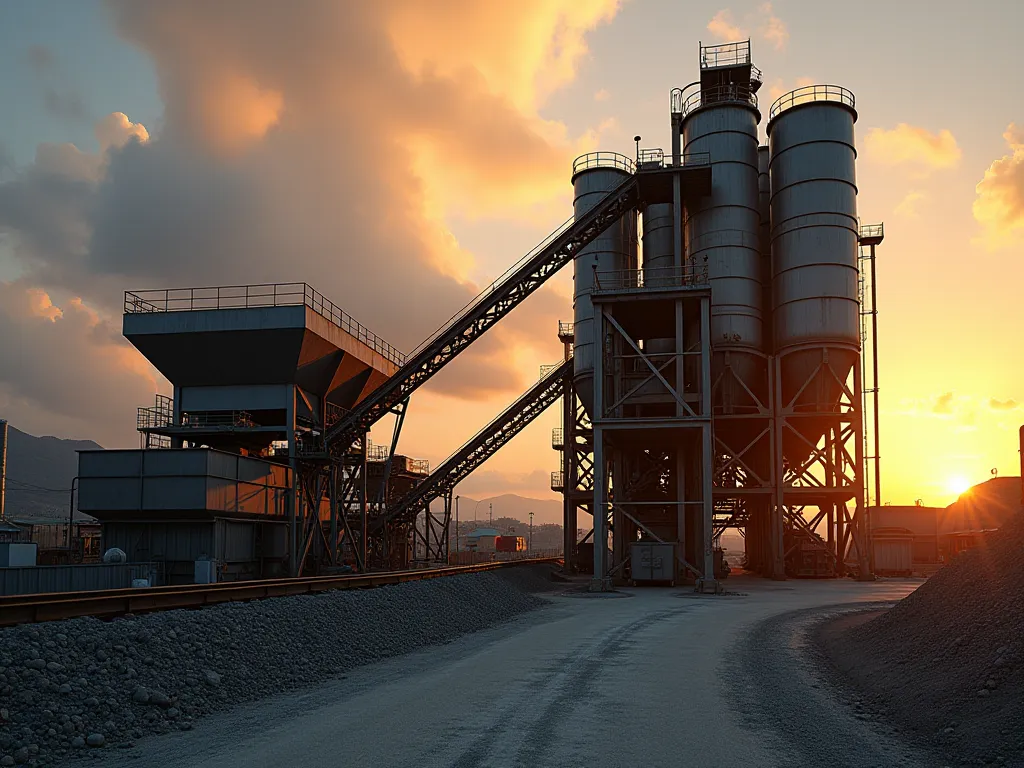
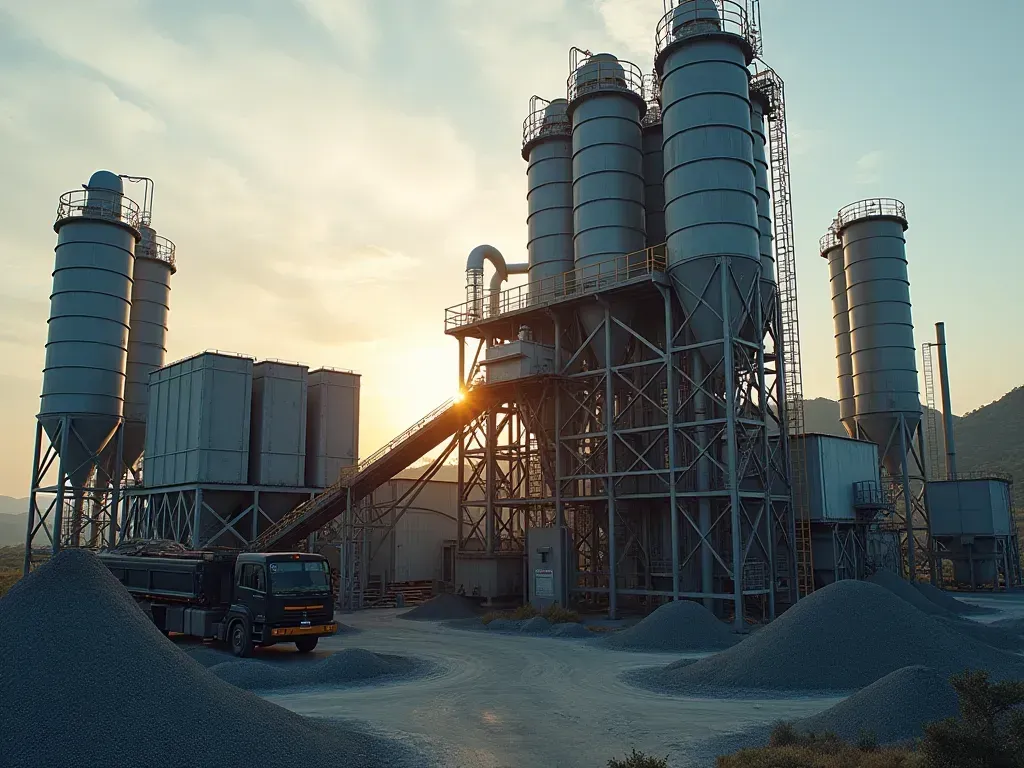
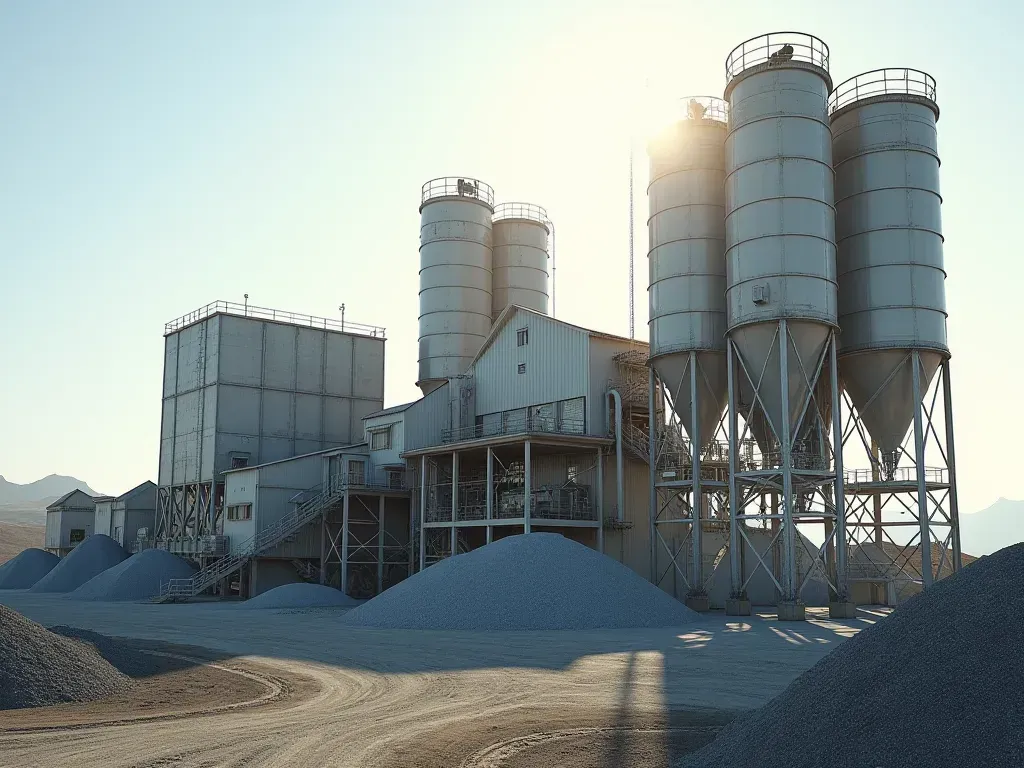
Ready-Mix Plant
Your neighbors just got a free legal shield to shut down your concrete plant
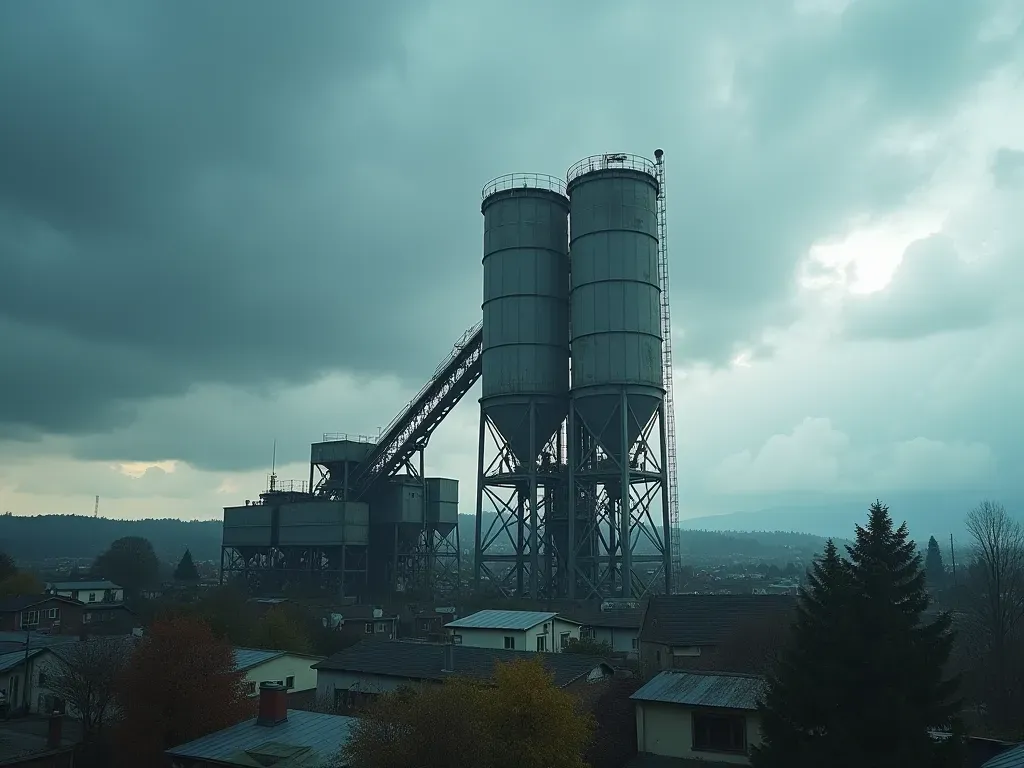
The Silent Threat to Your Concrete Business
It's not the storm that keeps me up at night. It's the quiet hum of a community organizing against your facility.
In Harris County, that reality hit hard. Budget Ready Mix faces a potential shutdown after residents raised pollution concerns.
The county attorney is seeking court orders. This isn't just a legal dispute — it's a strategic shift in how we do business.
Why the Legal Landscape Is Shifting Fast
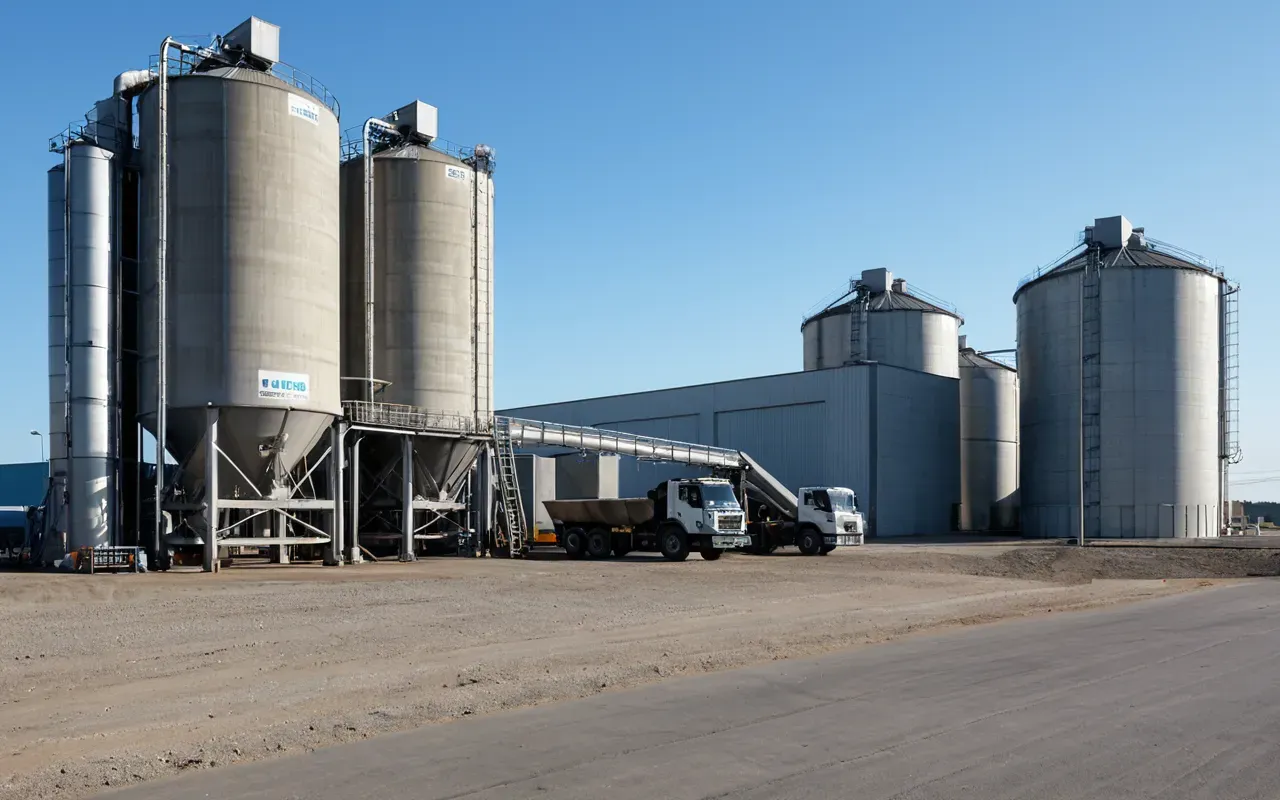
Harris County has over 130 concrete batch plants. That number alone tells you two things: intense competition, and very high visibility for operators.
Between January 2020 and June 2023, the Pollution Control Division conducted 313 investigations. They issued 172 violation notices.
Those aren't minor infractions. They're the building blocks of a larger narrative about environmental accountability in our industry.
I've watched operators dismiss these reports as bureaucratic noise. That mistake has cost them millions in legal fees and lost production time.
The Permitting Trap Most Operators Miss
Here's the thing. Harris County does not issue air quality permits for these facilities.
That responsibility belongs to the Texas Commission on Environmental Quality. Companies apply directly to TCEQ.
Plenty of owners assume the county is their only regulator. That misconception leaves a massive gap in their compliance strategy.
Residents can challenge permits at the state level. Which means a dual-front battle that few small operators are prepared to fight.
How Residents Are Turning Grit into Legal Power
Attorney Amy Dinn has been working with residents near Five Star Ready Mix. They're challenging a new permit application.
The company wants to authorize two permanent concrete batch plants. Neighbors are submitting comments and requesting hearings.
Dinn notes that communities are rightfully concerned about air quality impacts. That's not just emotion — it's legal leverage.
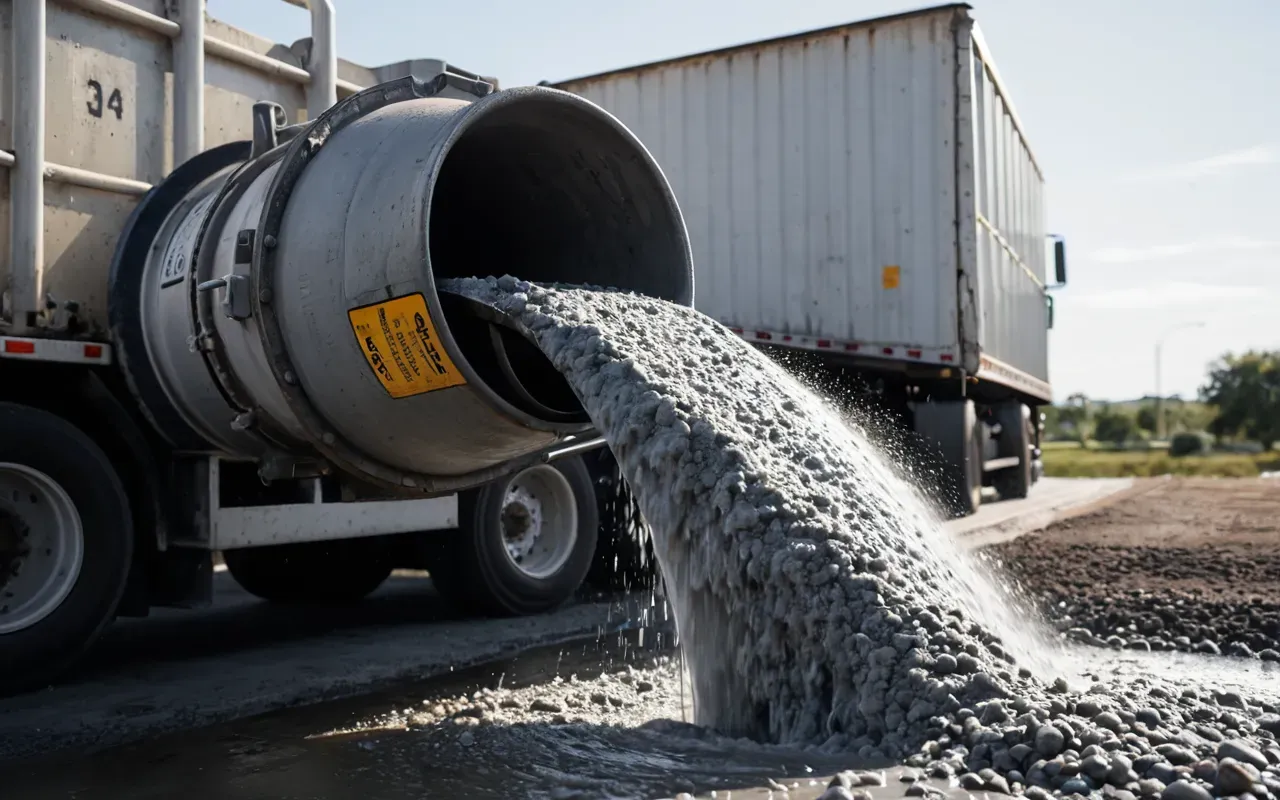
Concrete batch plants produce dust and particulate matter. When neighbors see it every single day, their complaints become credible evidence.
The Six Steps Residents Use to Fight You
First, they find plants near them using the TCEQ online facility map. It identifies permitted facilities and proposed projects.
Next, they look up the permit application. They review the documents to understand exactly what permission is being requested.
Then they sign up for permit notifications. That keeps them updated on meetings and developments in real time.
They submit public comments during the comment period. Specific concerns about neighborhood impact carry real weight in these reviews.
In some cases, they request a contested case hearing. That formally challenges the application under state law provisions.
Finally, they report environmental concerns to county services. The online complaint form is a direct line to enforcement officers.
What This Means for Your Bottom Line in 2026
Demand for concrete in the US is growing. Infrastructure work drives it. But compliance costs are climbing too.
Ignore the social contract with your neighbors, and you pay for it in delays. Legal battles stall production schedules.
I've seen projects lose months to permit disputes. That time translates straight into lost revenue and broken client contracts.
Investing in safety features is no longer optional. Automation and air filtration systems are now standard expectations for new plants.
The Hidden Cost of Ignoring Community Feedback
When a plant gets shut down, the financial hit is devastating. You lose equipment value and workforce stability.
And rebuilding trust takes years. One violation notice can haunt your brand for a decade in local construction circles.
Look at the Texas woman sentenced to nearly six years for misusing relief funds. It shows how legal risks expand well beyond your core business.
Your compliance team has to be as agile as your sales force. If it isn't, you're walking into a legal minefield.
Strategies to Stay Ahead of the Regulatory Curve
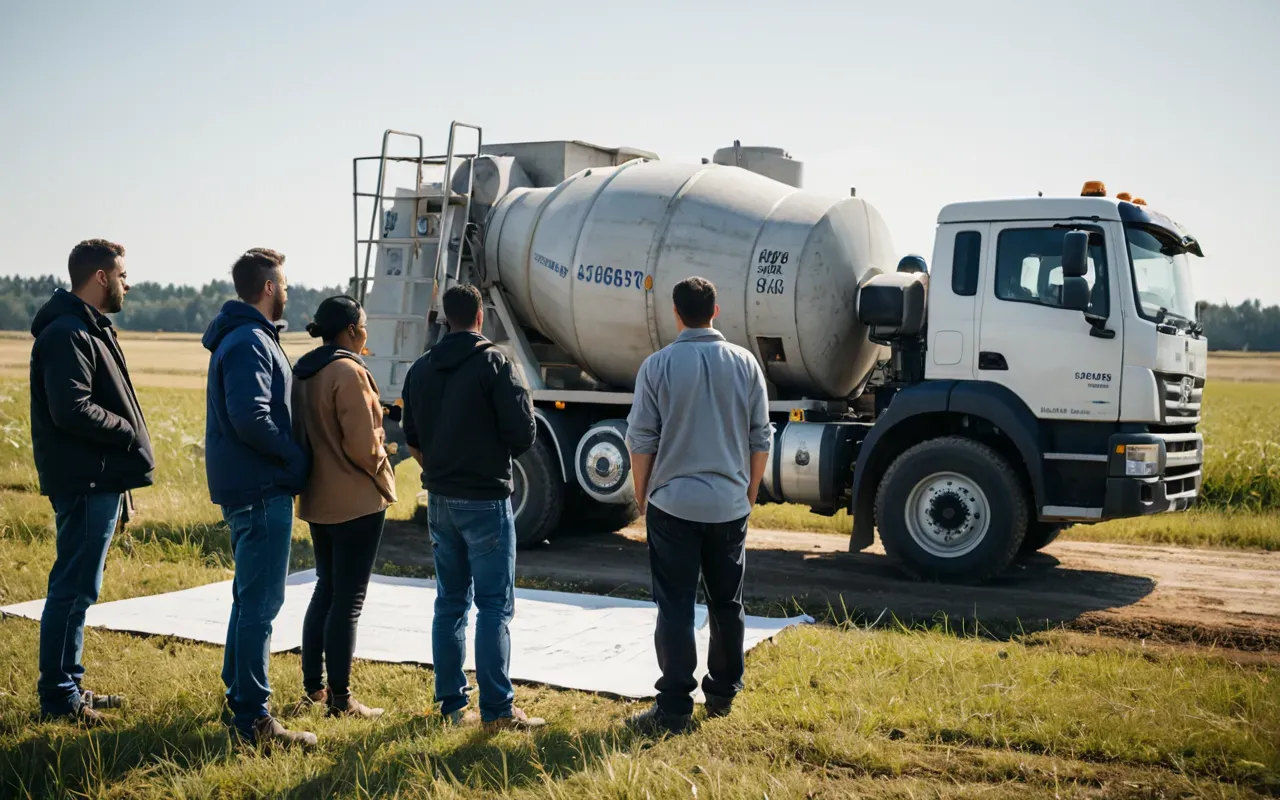
Transparency is your best defense. Engage with neighbors before they engage a lawyer.
Host open house events at your facility. Let people see the air filtration systems and safety protocols in action.
Document everything. Keep detailed logs of emissions data and maintenance schedules for every piece of equipment.
If you're weighing new technology, check out how a consulting firm stopped relying on supplier promises. It saves money and builds trust at the same time.
The Role of Automation in Reducing Complaints
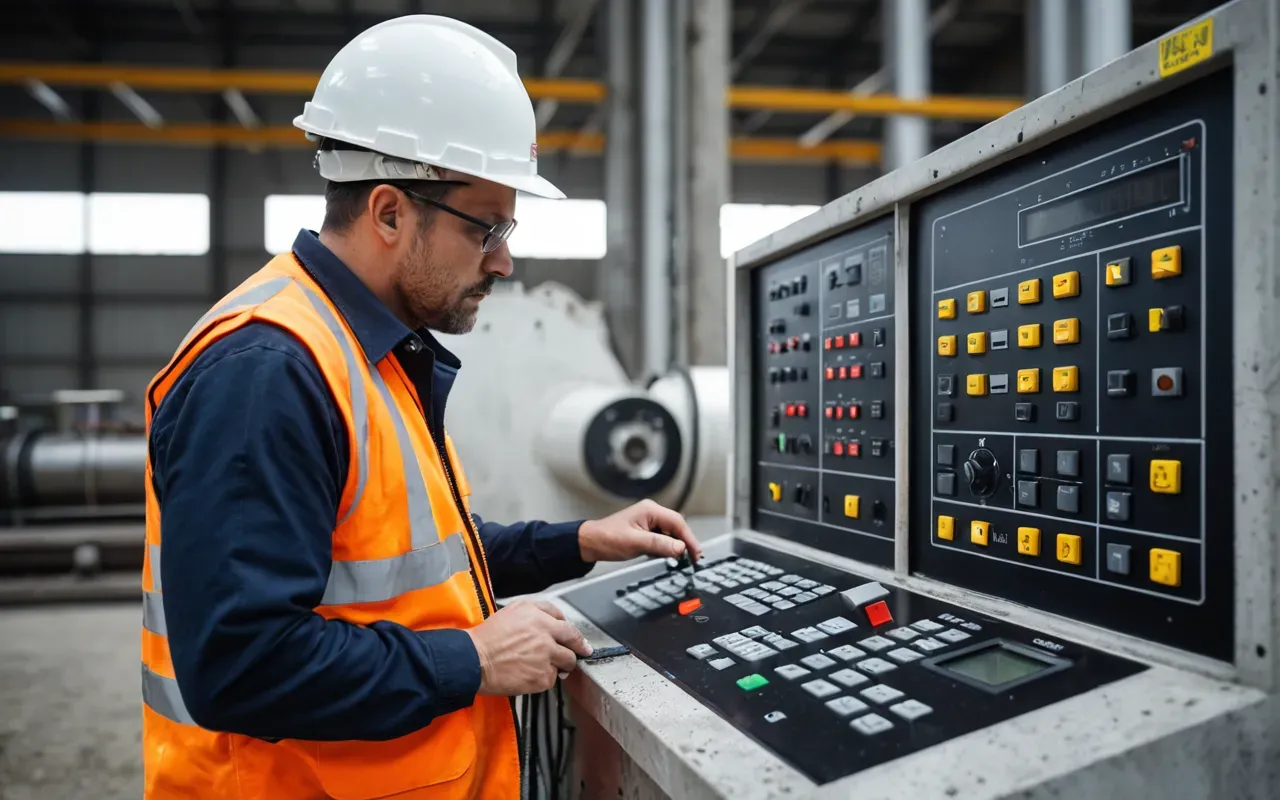
Automated batching reduces human error. Fewer mistakes mean fewer spills and less dust generation.
Modern plants build in safety protocols that protect workers. They also cut the odds of accidents that draw regulatory attention.
Investing in a durable plant is a strategic decision. It supports long-term project success and sustainability.
You can also explore five ready mix plant options that save you money in 2026 to find the best fit for your budget.
The Bigger Picture of Construction Ethics in Texas
Texas is a hub for construction. The stakes are high when we fail to meet environmental standards.
The strongest El Niño in modern history is affecting weather patterns. That changes how we manage dust and water runoff.
Climate change isn't some distant threat. It's here, affecting our operations and our neighbors' health today.
We have to adapt. The companies that do will thrive. The ones that ignore the signs will face shutdowns and legal battles.
Learning from Past Failures to Avoid Future Risks
Look at the case of the Texas woman who misused Harvey relief funds. Her sentence shows how severe the legal consequences can get.
In construction, a single mistake can reach far. Always verify your permits and compliance status.
Unsure about your plant's status? Consult a legal expert now. Don't wait for the letter to arrive.
The cost of prevention is always lower than the cost of cure. That holds true for environmental compliance and community relations alike.
Taking Action: A Checklist for Plant Owners
Review your air permit status immediately. Make sure it's active and covers all current operations.
Audit your waste management processes. Look for leaks or spills that could violate water quality standards.
Engage with local community groups. Establish a dialogue before tensions rise to a legal level.
Keep records of all maintenance and inspections. That paper trail is your best defense in any legal dispute.
Stay informed about changes in TCEQ regulations. Subscribe to their updates and attend public meetings when you can.
The future of construction is shared. It requires respect for the environment and the communities we serve.
Let's build a better industry. One that puts safety, sustainability, and transparency above everything else.