A shuttered Wisconsin plant just triggered a $4.5 million consolidation that changes who controls local concrete
The Silence of a Shuttered Plant Hides a Massive Industry Shift
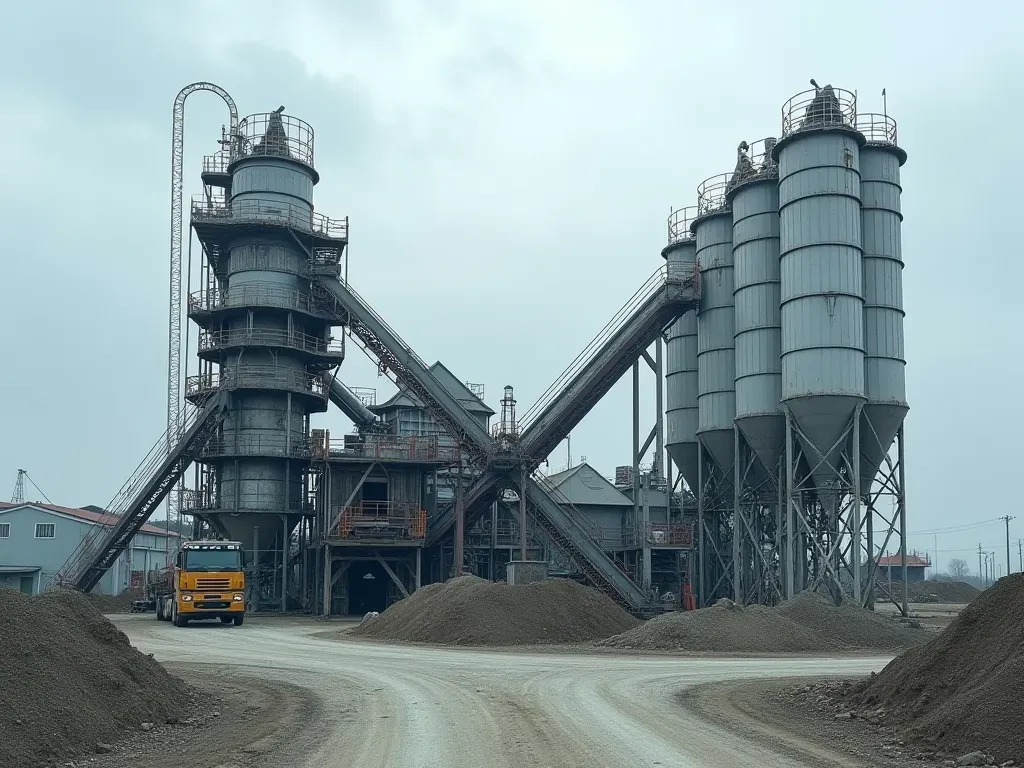
It looks like an empty lot. That is what most people see when they drive past 120 Watertown Plank Road in Delafield.
But behind the fence sits a machine that just changed hands for $4.5 million. This is not a minor local transaction.
Schmitz Ready Mix Inc. bought Okauchee Redi-Mix. The deal is quiet in the news cycle but loud in its implications.
I have watched this market tighten over the last decade. This purchase is a clear marker of where we are heading.
Why One Plant Purchase Reshapes Regional Supply Chains
Concrete is not just a material. It is the backbone of every infrastructure project in Southeastern Wisconsin.
When a major player absorbs an independent operator, the dynamics of who gets poured first change instantly.
Schmitz now controls nine locations. Adding Okauchee creates a network effect that smaller competitors cannot match.
This consolidation means tighter scheduling. It also means fewer alternatives for contractors in a pinch.
If you are bidding on a project near Nashotah or Delafield, this new reality affects your risk assessment.
The Hidden Cost of Reduced Competition in Batching
Competition drives efficiency. When it disappears, prices often stabilize at a higher baseline rather than dropping.
Contractors used to call three different plants if one was backed up. That option is shrinking rapidly.
This shift forces businesses to think harder about long-term supply agreements rather than spot purchases.
It is a subtle change. But for those managing tight budgets in construction, it adds a layer of complexity.
The Operational Reality Behind the Acquisition Price Tag
$4.5 million sounds like a lot of cash on the table for one industrial property.
But Okauchee Redi-Mix has been operating since 1957. The brand equity and local trust are worth more than the steel.
The plant sits on prime industrial land near major highway corridors. That location is irreplaceable.
Schmitz likely paid a premium for the land rights. They are buying capacity and geographic reach.
This move allows them to optimize truck routes across their nine existing sites. Efficiency is the driver.
For Schmitz this reduces fuel costs and improves delivery reliability. For the market it consolidates power.
What This Means for Local Workforce Stability
Independent plants often employ specialized local crews. Mergers can lead to restructuring and redundancy.
However larger companies may offer better benefits. The net effect on job security is mixed but significant.
Workers may find themselves under a new management structure with different safety protocols and expectations.
This is the human side of a balance sheet entry that many analysts miss when they look at M&A news.
Strategic Moves in a Consolidating Construction Market
This is not an isolated event. We are seeing similar moves in other states across the Midwest.
Large players are buying up independents to secure volume and control distribution channels.
The goal is simple. Reduce fragmentation and create a unified brand presence in key regions.
For developers this means dealing with fewer but larger suppliers. It simplifies some negotiations.
But it removes the leverage that comes from having multiple bidders compete for your business.
The Risk of Over-Reliance on a Single Supplier Network
If one major supplier has an outage or logistical failure the impact ripples through dozens of projects.
Diversity in supply sources is a buffer against these kinds of disruptions. That buffer is thinning.
Smart project managers are starting to map out backup sources before the need becomes urgent.
It is a proactive step that saves money and prevents delays in critical infrastructure phases.
Looking Ahead to the Next Phase of Industry Growth
The demand for concrete in this region is not slowing down. Infrastructure projects are booming.
Schmitz needs the capacity to meet this volume. The acquisition is a logical step for scaling.
But the market must watch how this power concentration affects pricing and service levels over time.
We are at a turning point. The era of fragmented local suppliers is ending in many key areas.
Understanding this shift is essential for anyone involved in building the future of our communities.
The $4.5 million price tag is just the start of a much larger story about control and resilience.

Comments ()