Why 90 Percent of Ready Mix Buyers Ignore the Manufacturer Name on the Spec Sheet
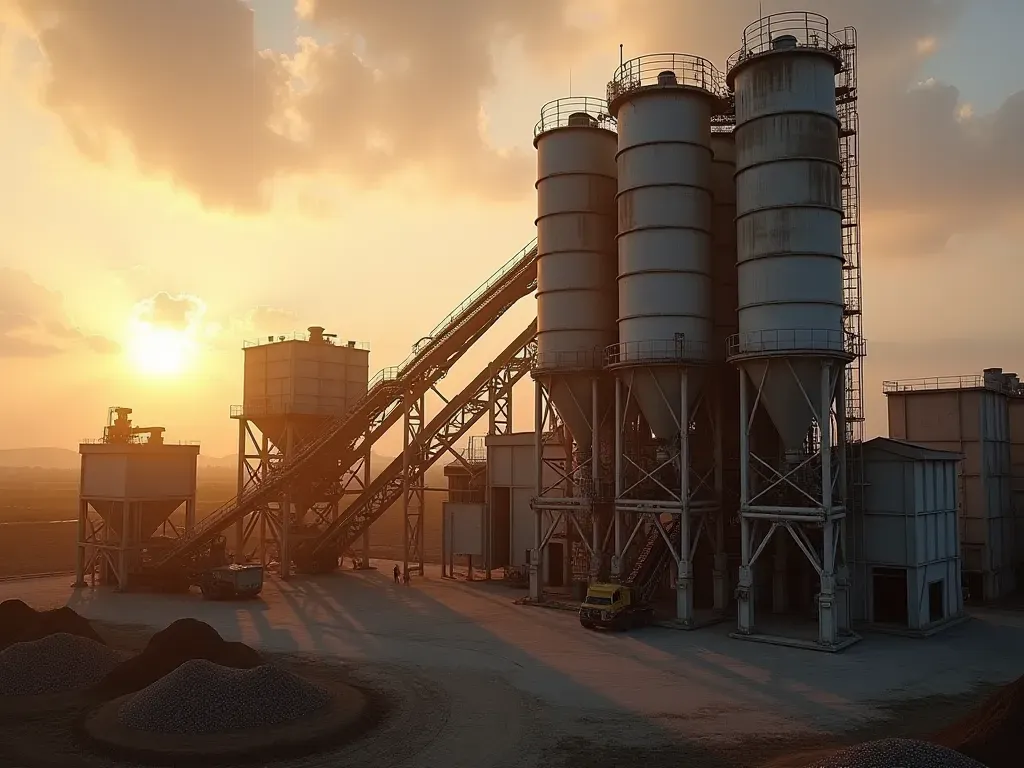
The Million Dollar Blind Spot in Your Supply Chain
Most construction managers never look at the name stamped on the control panel. They just sign the purchase order for a "ready mix plant." That is where the money leaks out. I have seen projects fail not because of bad concrete, but because the batching system was assembled from mismatched parts by a distributor who cared more about margin than maintenance.
The difference is stark. A dedicated ready mix plant manufacturer builds a cohesive unit. Their hoppers, scales, and software talk to each other in a language they designed together. When you buy from them directly, the integration is native. When you go through a middleman, you are gambling that those parts will actually fit without friction.
It is not just about the hardware either. It is about who answers the phone when a sensor fails at AM during a critical pour. A manufacturer knows their product down to the screw level. They have the schematics, the spare parts inventory, and the engineers on standby. That responsiveness is invisible until you need it desperately.
Let’s be blunt about the stakes here. We are talking about infrastructure that must last for decades. A bridge deck or a high-rise foundation cannot afford to have inconsistent concrete mix ratios due to faulty batching logic. The manufacturer ensures precision because it is their reputation on the line, not just your immediate deadline.
Why the Distributor Model Creates Hidden Technical Debt
Distributors love to pitch flexibility. They can mix and match components from different suppliers to lower the upfront cost. This sounds attractive on paper. In practice, it creates what I call technical debt. Every time a component fails, you are troubleshooting an integration problem rather than fixing a known defect.
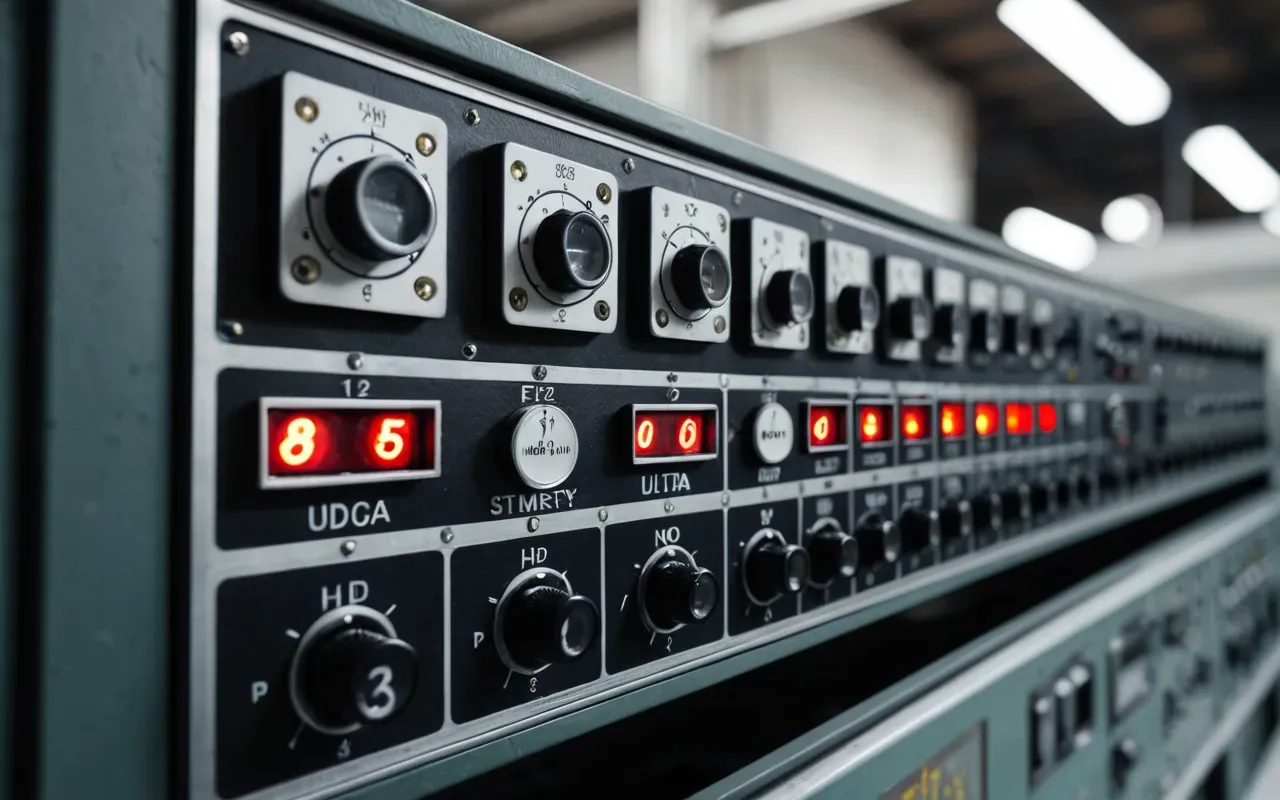
Consider the software. Modern batching plants rely on complex algorithms to manage water-to-cement ratios and admixture injection. If the hardware is from one maker and the PLC logic is from another, updates become a nightmare. You might find yourself locked into an outdated interface because no single vendor owns the entire stack.
I recall a project in Texas where this exact scenario played out. The plant looked brand new and operated smoothly for the first month. Then the aggregate feeder started stuttering under load. Because it was a third-party component, there were no dedicated support engineers assigned to that specific integration point. Downtime stretched into days.
Those days of downtime cost far more than the initial savings from buying through a distributor. Trucks were idle. Crews waited on site. The client started asking questions about reliability. That is when you realize that the cheap option was actually the most expensive one available to your project budget.
If you are wondering how this impacts broader industry trends, it is worth looking at how the concrete industry is adapting to automation challenges. The complexity of modern systems means that only the original creators truly understand how to optimize them for long-term efficiency.
The Safety Protocol Gap You Cannot Afford to Ignore
Safety is not a checkbox on the spec sheet. It is an engineered feature that requires deep knowledge of operational limits. Ready mix plant manufacturers design their safety interlocks based on decades of incident data and mechanical behavior patterns.
A generic assembler might cut corners to save weight or cost. They might use standard off-the-shelf sensors instead of heavy-duty industrial ones rated for harsh conditions. These small decisions add up. Over time, wear and tear expose the weaknesses in a way that is dangerous and expensive.
Modern plants incorporate automated shut-downs when pressure thresholds are exceeded. These systems must be calibrated perfectly to the specific hardware they protect. If the manufacturer of the pump does not know exactly how their safety module interacts with the mixer, you have a liability waiting to happen.
Regulators are watching. In many US states, compliance inspections have become more rigorous following several high-profile accidents in recent years. Having documentation from a recognized OEM is often the only thing that stands between your operation and a shut-down order during an audit.
Calibration Accuracy and Material Consistency
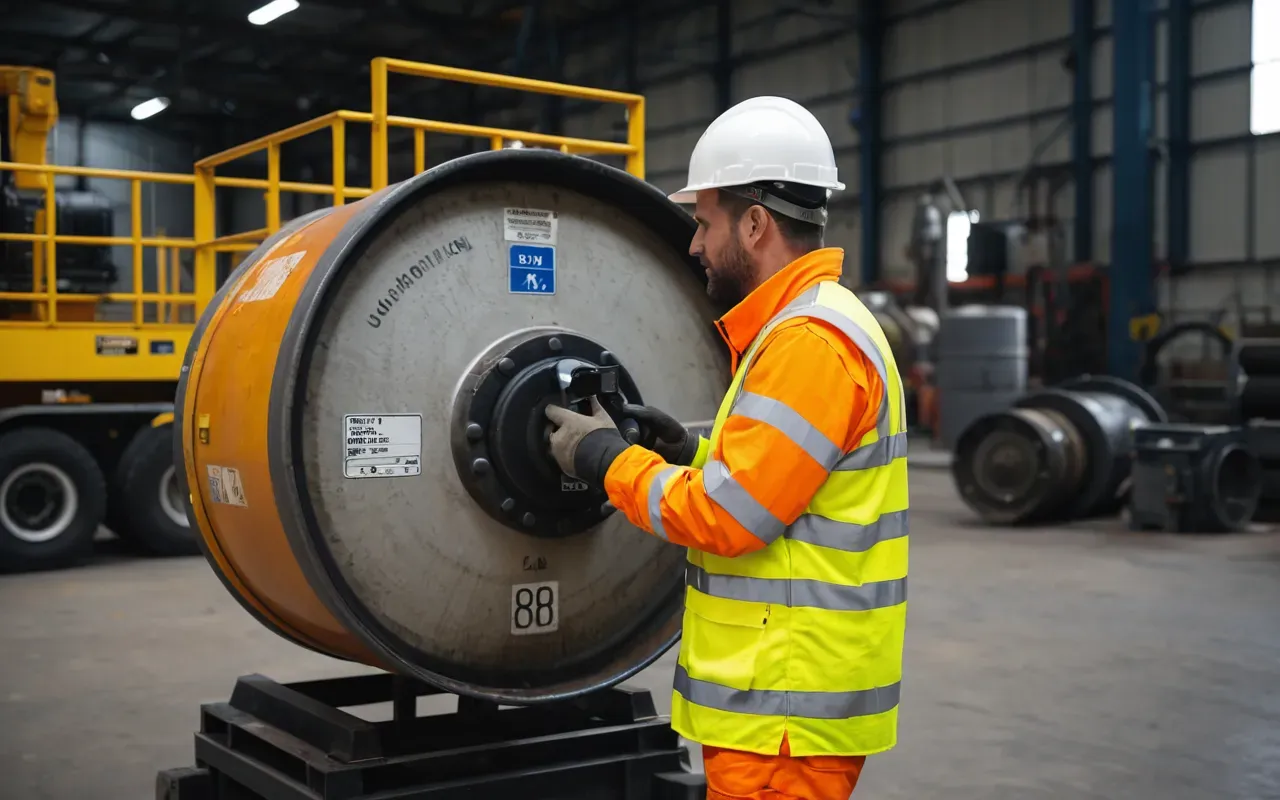
Consistent concrete strength depends on precise ingredient measurement. Manufacturers build their weighing systems with high-resolution load cells that are pre-calibrated for the specific materials handled in their plants.
When you buy a pieced-together system, calibration becomes an ongoing headache. Temperature changes and material density variations can throw off generic scales significantly. This leads to batch inconsistencies that may not be visible until the concrete cures.
Long Term Maintenance and Parts Availability
Parts availability is a silent killer of profit margins. A dedicated manufacturer maintains a global or regional inventory for their specific models. You can order a replacement seal or sensor and have it delivered within days.
Distributors often do not stock specialized components. You may find yourself waiting weeks for a part that was discontinued by the original supplier because you chose an obscure brand to save money initially.
How Automation Levels Change Your Operational Reality
Automation is the defining feature of modern ready mix technology. But not all automation is created equal. High-end manufacturers offer fully integrated control systems that monitor every stage of the process in real time.
This level of integration allows for predictive maintenance. The system can detect that a motor is drawing slightly more power than usual and flag it before it burns out. This proactive approach saves thousands in emergency repair costs.
Cheaper alternatives often offer basic automation that is really just a sequenced timer. It starts the hopper, then the mixer, then stops it after X minutes. There is no feedback loop. No error correction. Just blind hope that everything worked correctly.
The gap between these two approaches is massive over a five-year period. The intelligent system reduces waste, improves quality control, and frees up your operators to focus on logistics rather than troubleshooting mechanical issues constantly.
If you are struggling with operator turnover and the need for consistent output, this is exactly where specialized management skills become critical. The technology supports human decision-making, but only if it provides accurate data.
The Hidden Financial Metrics of Choosing the Right Partner
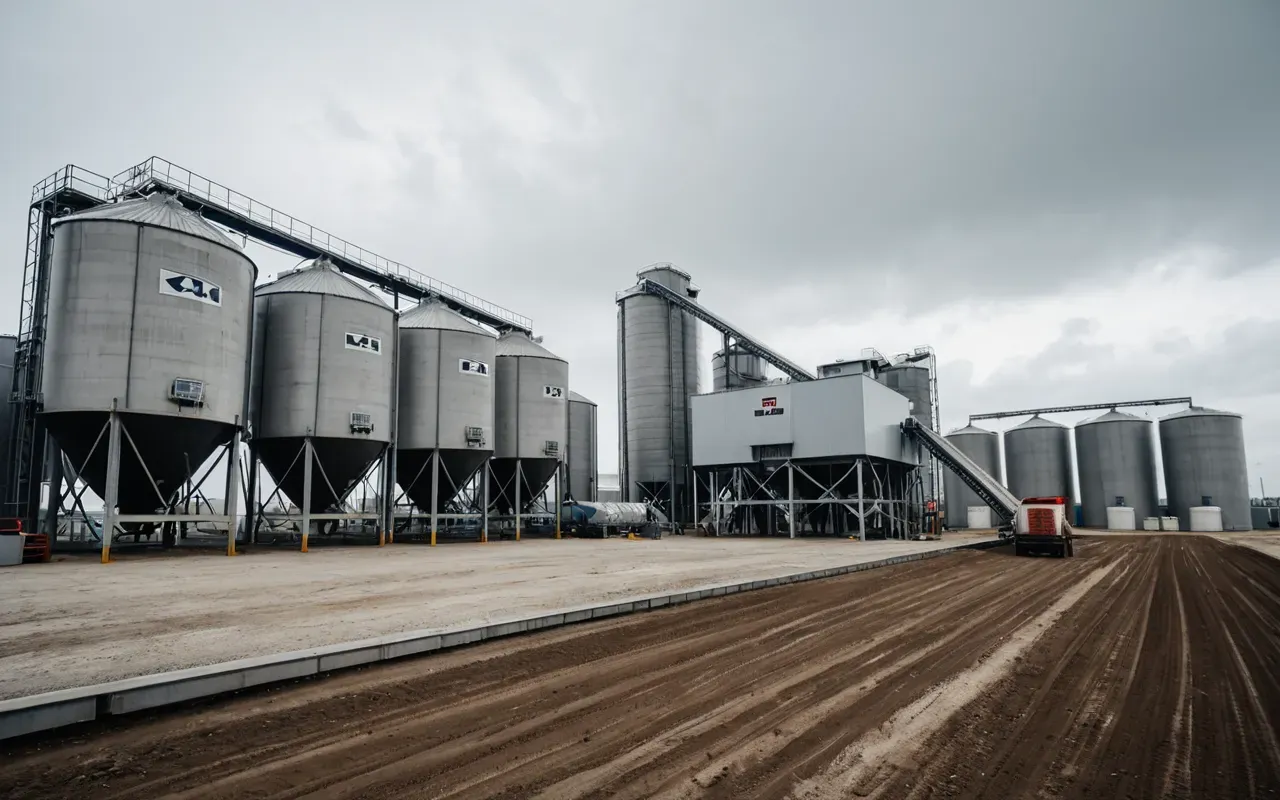
Most buyers focus on the sticker price. That is a mistake. The total cost of ownership includes energy consumption, maintenance labor, downtime costs, and material waste.
An efficient manufacturer plant uses optimized motor loads and aerodynamic drum designs that reduce power consumption by up to twenty percent compared to older or generic models. Over a year of continuous operation, this adds up to a significant sum.
Then there is the labor factor. A well-designed plant requires fewer manual interventions. Operators can monitor multiple batches simultaneously from a central station rather than walking around checking gauges and listening for jams.
This efficiency allows smaller teams to manage larger volumes. In a tight labor market like the US construction sector currently faces, this capability is not just nice to have; it is essential for keeping your project schedule intact.
Financial analysts at top firms now recognize that equipment reliability is a key driver of project profitability. The real cost of a ready mix plant is hiding in your first year, and understanding this metric can shift your purchasing strategy entirely.
What to Ask Before You Sign the Purchase Order
When evaluating suppliers, ask for their service response time SLA. How fast can they get an engineer on site if a critical failure occurs? If the answer is vague or exceeds forty-eight hours, keep looking.
Ask for a list of similar projects they've completed in your region. Then actually call those references. Don't skip this part. Ask specifically about downtime incidents and how the manufacturer handled them. You want to hear stories of rapid resolution, not excuses.
Check their software update policy. Is there a cost for updates? Are they pushed automatically, or do you need to schedule downtime for them? The best manufacturers include free lifetime support and over-the-air updates in the initial price.
Finally, verify their compliance certifications. Look for ISO standards and local environmental permits. A manufacturer who is clean on paper will keep your operation compliant and out of legal trouble.
This due diligence takes time. But it is the best investment you can make in your project’s long-term health and profitability.
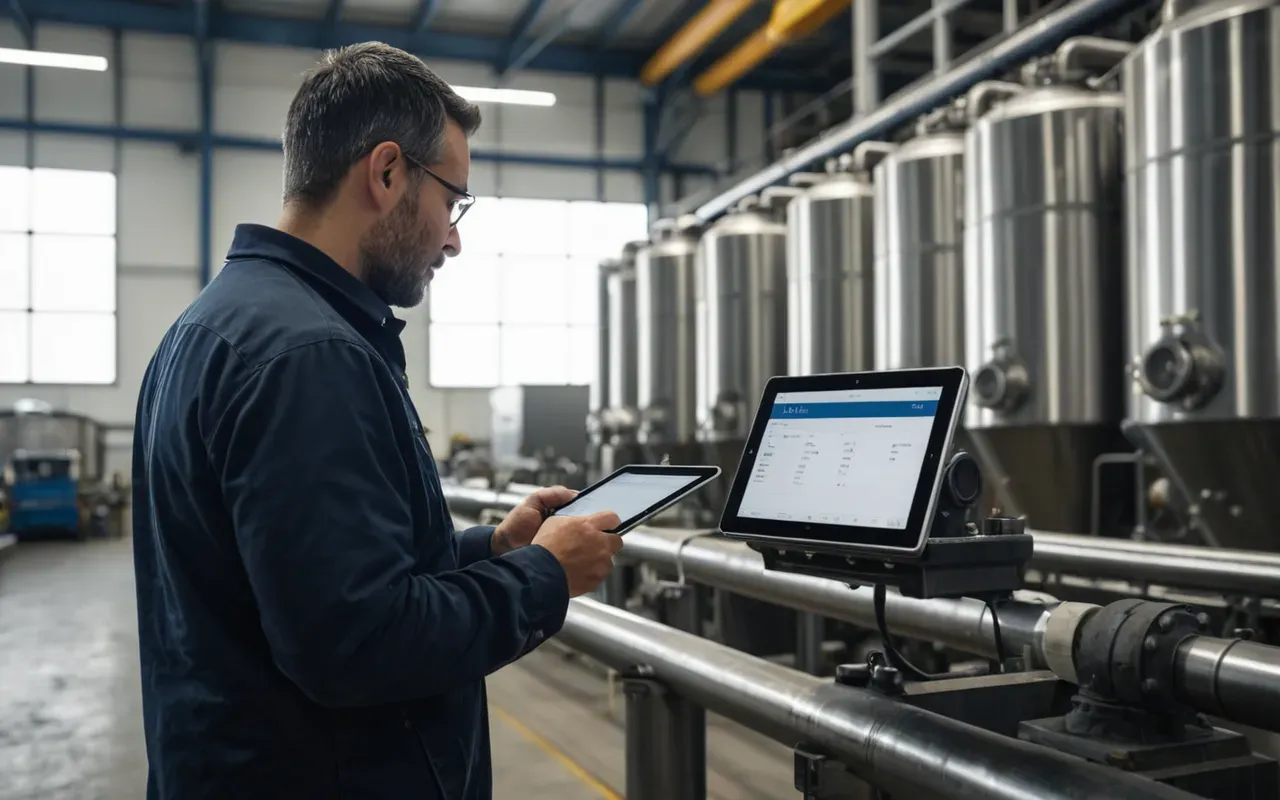
The Future of Ready Mix Manufacturing in the US Market
The demand for advanced concrete batching solutions continues to grow. Infrastructure developments and commercial construction projects are driving this trend.
Manufacturers are responding by incorporating more sustainable practices. Lower energy consumption and reduced water waste are now standard features in new models.
This shift towards sustainability is not just about environmental responsibility. It is also a cost-saving measure that appeals to budget-conscious buyers.
As the industry evolves, choosing the right partner becomes even more critical. The manufacturers who lead this charge will be the ones providing reliable support and innovative technology.
For more insights into how regional acquisitions are impacting supply chains, check out the quiet move that just reshaped who controls concrete in Minnesota. It offers a fascinating look at market consolidation.
Frequently Asked Questions
What is the main difference between a manufacturer and a distributor?
A manufacturer designs and builds the entire system, ensuring all components work together seamlessly. A distributor assembles parts from various suppliers to offer a lower upfront price but often lacks integrated support.
How long does it take to receive a new ready mix plant?
Lead times typically range from six to twelve weeks depending on customization and current demand. Manufacturers with local inventory can often deliver faster than imported alternatives.
Why is safety certification important for batching equipment?
Certification ensures the plant meets industry standards for operator protection and environmental compliance. It reduces liability risks and helps pass regulatory inspections without issue.
Comments ()