The dust storm that proved a concrete recycling plant is more powerful than city zoning laws
The Invisible Threat in the Bay Breeze
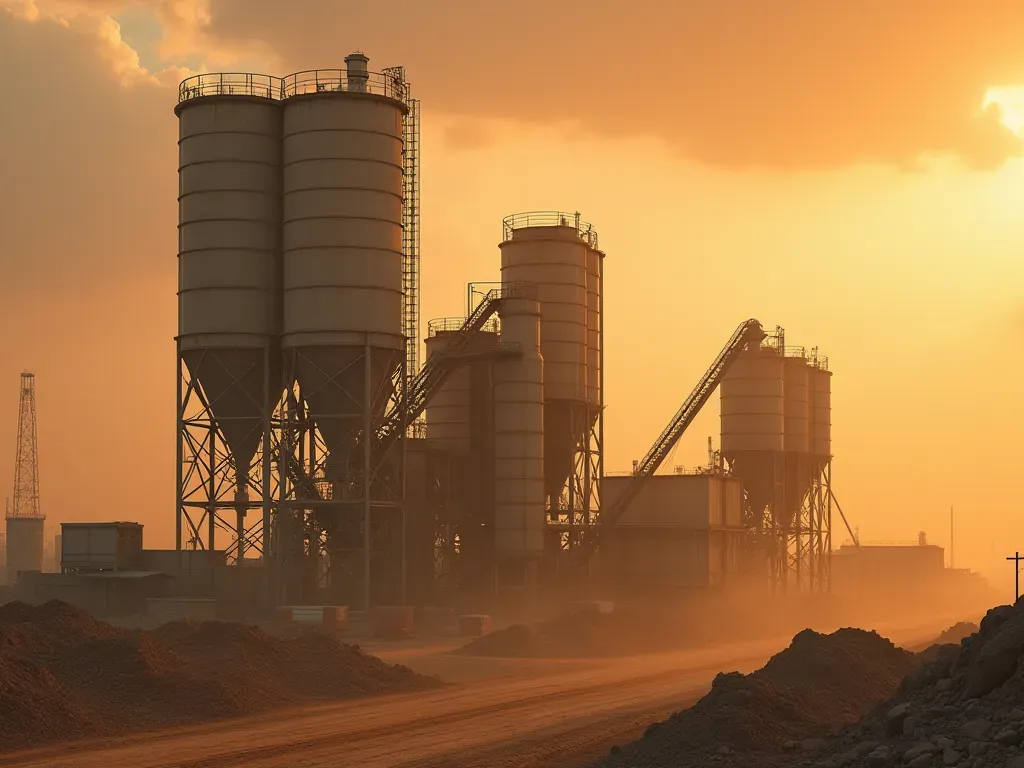
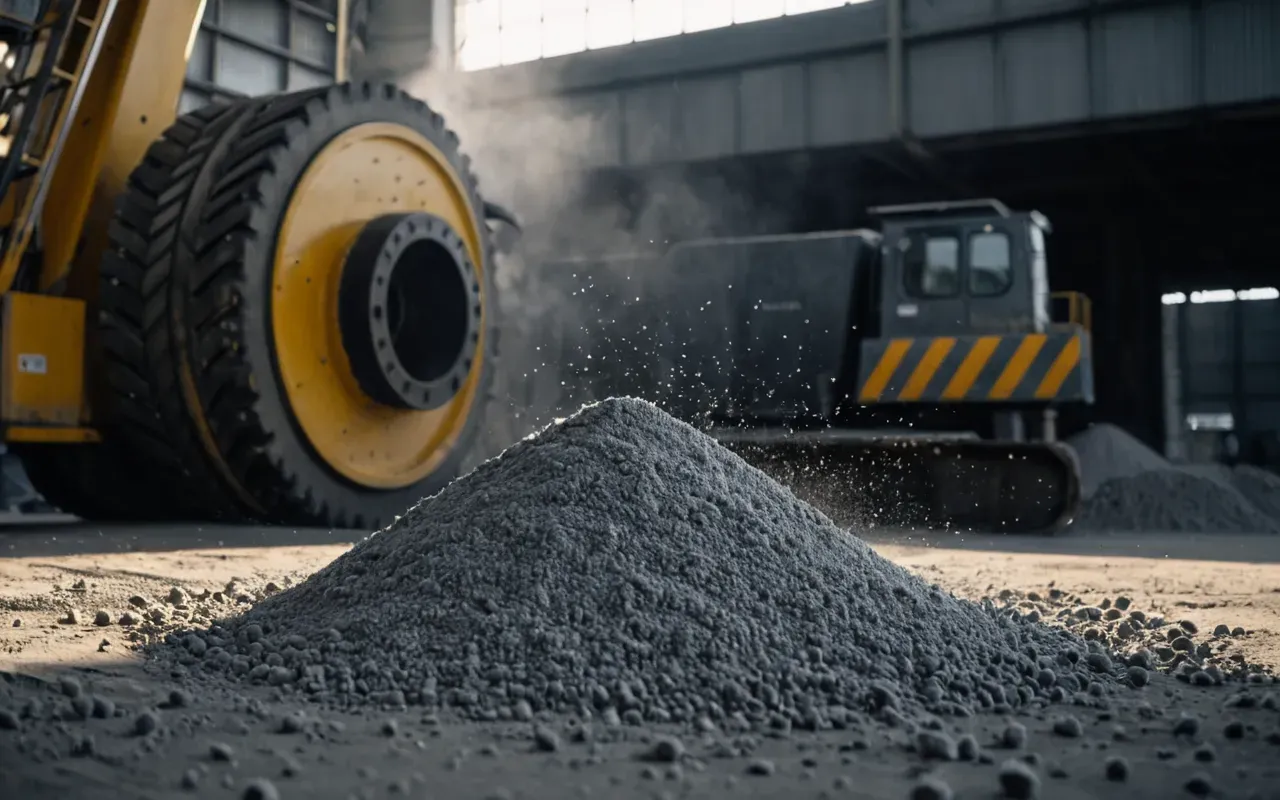
You can see a truck. You can hear a machine humming. But you cannot easily see the dust that coats your kitchen table at midnight. This is the core frustration for thousands of residents in Far Rockaway, Queens. The air feels heavy with fine particulate matter from the Inwood Material Terminal just across the street.
For years, this issue was treated as a minor nuisance. A loud neighbor, perhaps? But in August 2026, the situation shifted from complaint to legal battle. The stakes are no longer about noise levels or traffic congestion on local roads. They are now about breathing rights and environmental equity.
I find it striking how quickly the narrative changed when state regulators got involved. What was once a local zoning dispute has become a test case for environmental racism in industrial siting. The wind off Jamaica Bay does not care about property lines or income levels. It just carries the dust into homes.
Why This Battle Matters for Every Community
Look at the numbers. The Inwood Material Terminal handles massive volumes of construction debris daily. Barges haul in concrete and large rocks that are then ground down for reuse. This process is essential for sustainable building practices, but it creates a direct conflict with nearby living spaces.
Resident Kimberly Comes from the Redfern Houses described the daily reality. Families are constantly cleaning dirt off surfaces and worrying about what they breathe. They lack the financial means to conduct independent air quality testing, leaving them vulnerable in a legal dispute against a well-funded corporation.
This is not just about one plant. It reflects a broader pattern in the US where industrial facilities are often placed near lower-income neighborhoods. The recent change in New York regulations requiring permits for such operations has given these communities their first real leverage in years.
The Shift in Regulatory Power
Before 2023, facilities like this one operated without specific permits for debris crushing. The rules were loose and enforcement was minimal. Now, the Department of Environmental Conservation demands detailed plans on emissions reduction and public outreach.
Haugland Group, the operator, claims they are in compliance and have provided air purifiers to nearby tenants. But regulators have flagged insufficient public engagement as a major issue. This bureaucratic friction is where residents see their best chance for change.
The public comment period opened recently under the Environmental Justice Siting Law. This law explicitly requires agencies to consider cumulative impacts on overburdened communities. It is a powerful tool that was previously unavailable in such local disputes.
The Economic Reality of Concrete Recycling
Let’s be clear. We need concrete recycling. It reduces landfill waste and provides raw materials for new projects. The industry is vital for modern infrastructure development. Shutting down a plant like Inwood would have ripple effects across the regional supply chain.
But efficiency cannot come at the cost of human health. The argument that this plant is necessary for keeping streets paved ignores alternative solutions. Dome structures or relocation to less populated areas are viable options that have been suggested by local leaders.
If you work in the construction sector, this situation highlights a critical gap. We often focus on cost and speed while ignoring long-term social liabilities. The backlash against poorly sited facilities can delay projects for years and damage industry reputation.
Lessons from Other Siting Disputes
This is not the first time a community has clashed with an industrial facility. Similar fights have occurred in other parts of New York and across the US. The common thread is usually a lack of initial transparency from operators.
When I review cases where residents won these battles, it was rarely about stopping the industry entirely. It was about forcing better technology and stricter monitoring. The goal is coexistence, not just closure.
The Haugland Group has stated they are open to dialogue. But trust is fragile in these communities. Residents feel that promises of future improvements have been made before and never fully delivered.
What Happens Next in the Courtroom
The Town of Hempstead is currently prosecuting Haugland Group for zoning violations. The next court date was set for August 25. This legal track runs parallel to the state permit review process, creating a complex web of oversight.
Queens Borough President Donovan Richards has publicly supported the residents. He called the situation environmental racism and suggested closure as the only viable option. His stance adds political weight to what was previously a purely legal dispute.
Residents are not just waiting for court outcomes. They are organizing comments and meeting with officials to push for immediate action. This grassroots pressure is likely the most significant factor influencing how regulators will handle the permit application.
The Role of Public Comment
Under the new rules, public input is not optional. Regulators must demonstrate that they have considered community concerns before approving a permit. This shifts the burden of proof partly onto the applicant to prove their operations are safe.
For industry professionals, this means that community relations is now a core operational risk. It cannot be handled by PR alone. Real technical improvements and transparent data sharing are required to survive these new scrutiny regimes.
If you manage a ready-mix plant or similar facility, take note. The days of operating with minimal oversight are over. Proactive engagement and demonstrable environmental controls are now essential for long-term stability.
A New Vision for the Waterfront
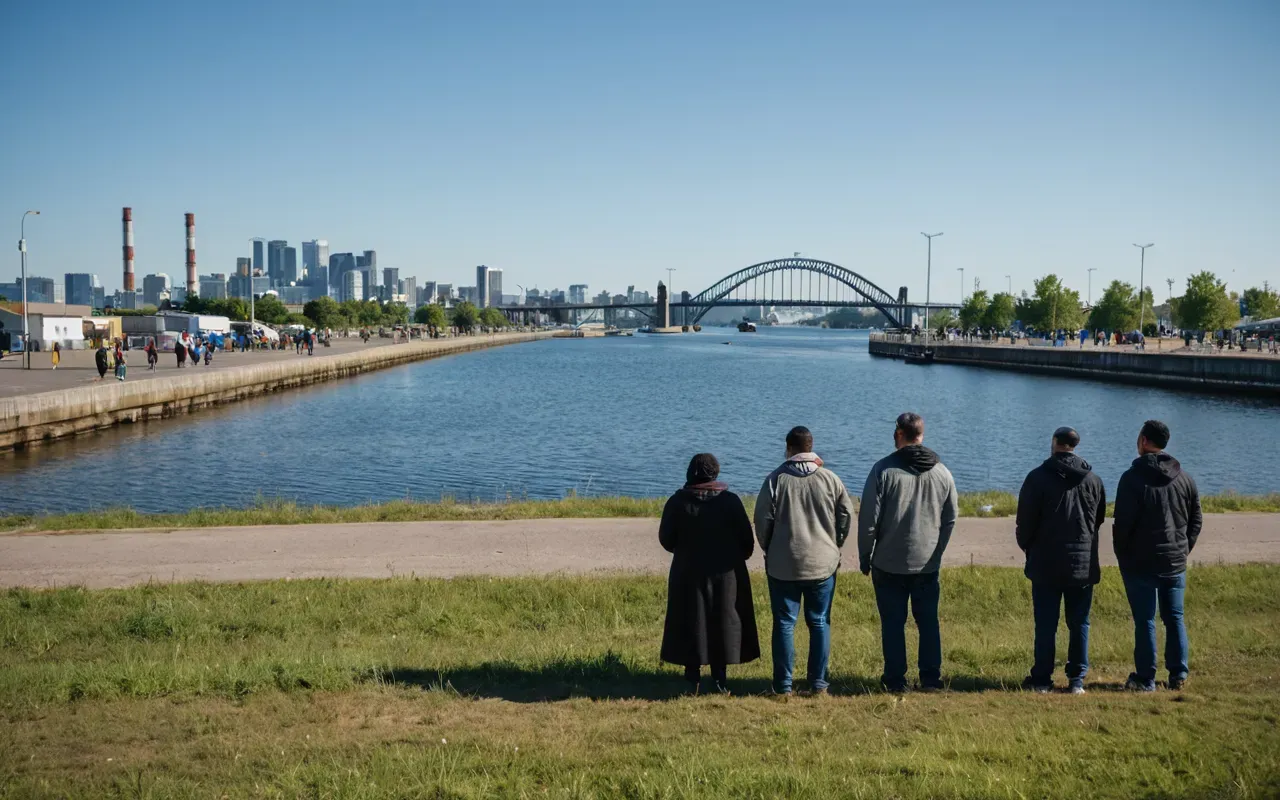
Beyond the legal fight, there is a vision taking shape. Residents want to open up waterways for recreation and create parks along the shore. They imagine nature trails and docks for fishing instead of industrial machinery.
This desire reflects a broader trend in urban planning. Communities are demanding that waterfronts be public spaces for enjoyment rather than zones for private industrial use. The shift is driven by health concerns and economic growth tied to tourism.
If the plant moves or closes, it could transform the area. But until that happens, residents live in a state of uncertainty. The dust continues to blow, and the legal battles continue to unfold.
This story is a reminder that infrastructure projects do not exist in a vacuum. They affect real people with real health risks and financial constraints. Balancing these needs requires more than just technical compliance; it demands genuine empathy and transparency.

The Broader Implications for Construction
This dispute highlights a growing tension in the construction sector. As we push for greener materials and recycling methods, we must also ensure that our production sites do not harm local communities.
The industry is evolving. New technologies are emerging that can reduce emissions and noise significantly. Companies that invest in these upgrades will likely face less resistance from regulators and neighbors.
Consider the implications for your own projects. If you are sourcing materials from facilities in sensitive areas, understand their compliance status. This diligence can protect your project timelines and reputation.
Investing in Community Relations
Building trust takes time and consistency. It involves regular communication, transparent reporting on environmental metrics, and genuine listening sessions with affected residents.
Companies that treat community relations as a cost center often face the highest costs in legal fees and project delays. Those who see it as an investment tend to have smoother operations and stronger local support.
The situation in Far Rockaway is a microcosm of larger challenges facing the industry. It requires us to rethink how we situate our facilities and interact with the public.
What You Can Do If You Are Affected
If you live near an industrial facility and worry about what it's doing to your home, start keeping receipts — literally. Document everything. Log the dust levels you see settling on your windowsill, write down every noise complaint, and track any health symptoms your family notices, even the ones that seem minor.
Connect with local community groups. One voice gets ignored; a dozen voices get meetings. Groups can pool money for legal advice and air quality testing, which is often the difference between suspicion and proof.
Stay informed about permit processes. Those public comment periods? They're not bureaucratic filler — they're your window to actually influence decisions. Submit detailed comments that cite specific regulations and health concerns, and make them harder to ignore.
Finally, be patient but persistent. These legal battles can take years to resolve. Consistency and clear communication are key to maintaining momentum in your community.
Resources for Further Learning
Understanding the technical aspects of concrete recycling can help you engage in more informed discussions. Learn about how modern plants minimize noise and dust to better evaluate claims made by operators.
Explore the legal landscape. Knowledge of local zoning laws and state environmental regulations will empower you to identify potential violations and hold operators accountable.
Network with other communities facing similar challenges. Sharing experiences and strategies can provide valuable insights and support during long legal proceedings.
The Future of Industrial Siting in America
The outcome of the Far Rockaway dispute will likely set a precedent. If residents succeed in forcing closure or major changes, other communities may take courage to challenge their own local facilities.
Conversely, if the plant continues operating with minor adjustments, it may signal that current regulations are still too weak to protect vulnerable populations effectively.
Either way, the era of unchecked industrial expansion in residential areas is ending. The bar for approval is rising, and community voices are becoming harder to ignore.
For the construction industry, this means a new era of responsibility. Success will no longer be measured just by output and profit, but by how well we integrate with our surrounding communities.
The dust may settle in Far Rockaway eventually. But the impact of this fight will linger for years to come. It is a pivotal moment for environmental justice and industrial accountability.
As we move forward, let’s hope that the lessons learned here inform better practices across the board. The goal is simple: healthy communities and sustainable industry can coexist if we choose to make it happen.

Comments ()