Texas Is Silently Tightening Concrete Plant Rules That Will Change Your Local Market
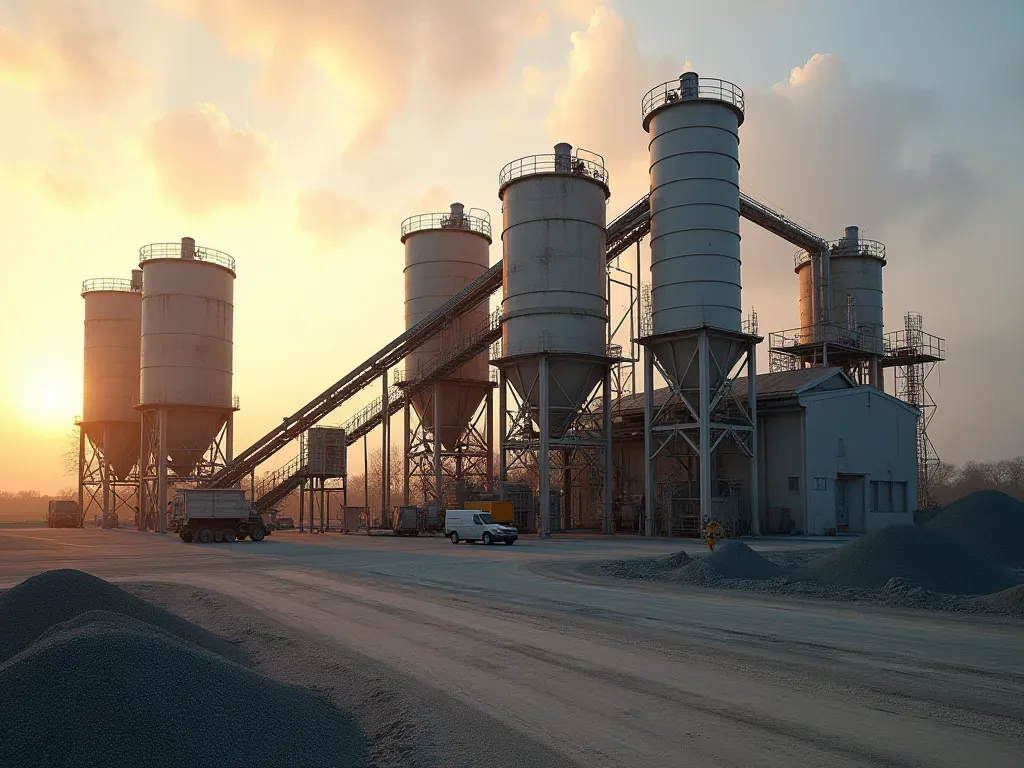
The Unseen Battle Over Your Neighborhood Concrete Supply
You probably think concrete plants are boring infrastructure. But in Texas they have become a flashpoint for public health fights that ripple through every construction budget in the region.
The dust is not just a nuisance. It is a medical event waiting to happen for families living within miles of these industrial sites.
I have watched this tension build in small towns where the local economy depends on concrete but residents are breathing down a barrel of particulate matter.
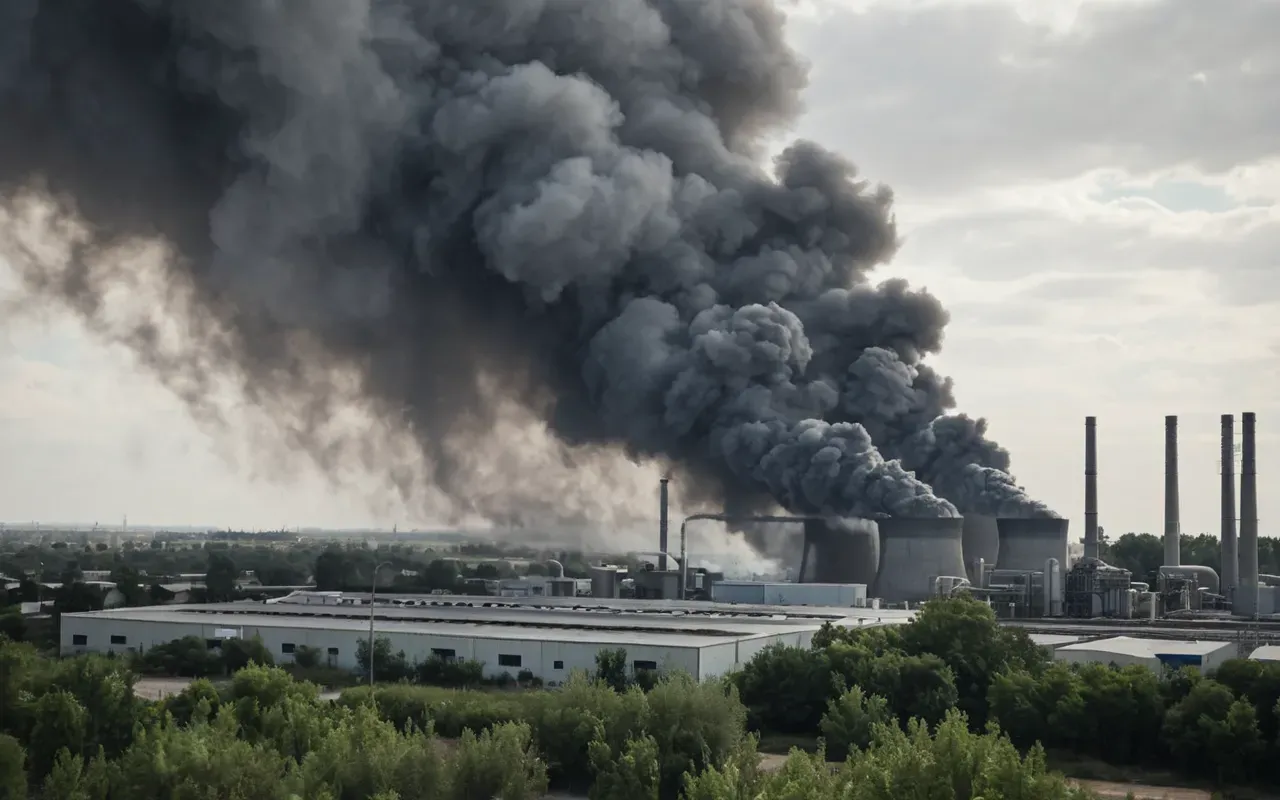
Why Gunter Texas Became the Epicenter of a National Debate
Gunter sits about fifty miles north of Dallas and already hosts eleven permitted concrete batch plants. That is a staggering density for a small town with limited resources.
Deirdre Diamond is a respiratory therapist who lives five miles from one of these plants. She started home-schooling her six children because schools were too close to the dust sources.
Her story is not unique. It mirrors complaints from Dallas and Midlothian where plants cluster near schools and low-income neighborhoods.
The Cumulative Impact Problem Nobody Measures
Current rules only test individual plants. They do not account for the combined effect of multiple facilities operating in close proximity.
Diamond argues this is a dangerous gap. If one plant stays within legal limits but five others do too the total exposure can still exceed safe health thresholds.
TCEQ staff admitted they could look into cumulative impacts but currently lack the mandate to do so in permit reviews.
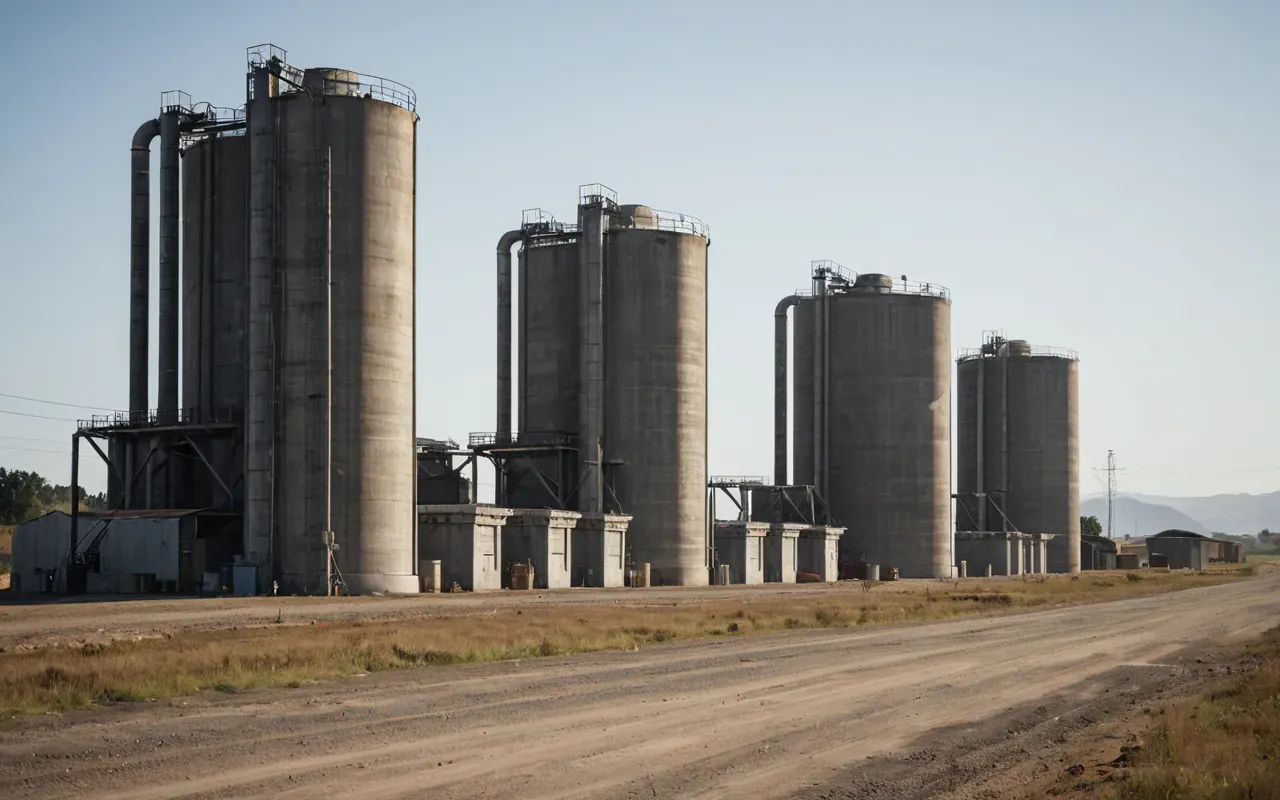
The Legislative Push That Could Reshape Permitting Nationwide
State lawmakers are filing bills to tighten these rules. Rep Jarvis Johnson wants to make it harder for new plants to open in cities without zoning like Houston.
His argument is economic not just environmental. He claims plants hurt property values which reduces tax revenue for schools and local services.
Rep Nicole Collier is pushing to expand the distance for contested case hearings from four hundred forty yards to eight hundred eighty.
Who Actually Benefits From the Current System
The current system favors speed. Developers can open plants quickly with minimal community input or long-term health monitoring.
But the cost is borne by residents who live nearby. They deal with dust asthma and lower property values while developers move on to the next site.
This imbalance is why advocacy groups are now demanding language access and better transparency in the permitting process.
What This Means for Your Construction Budget and Timeline
Tighter rules mean higher compliance costs. These will likely be passed down to contractors and eventually to your project budgets.
If you are planning a build in Texas or neighboring states expect delays. New permits will require more public meetings and environmental reviews.
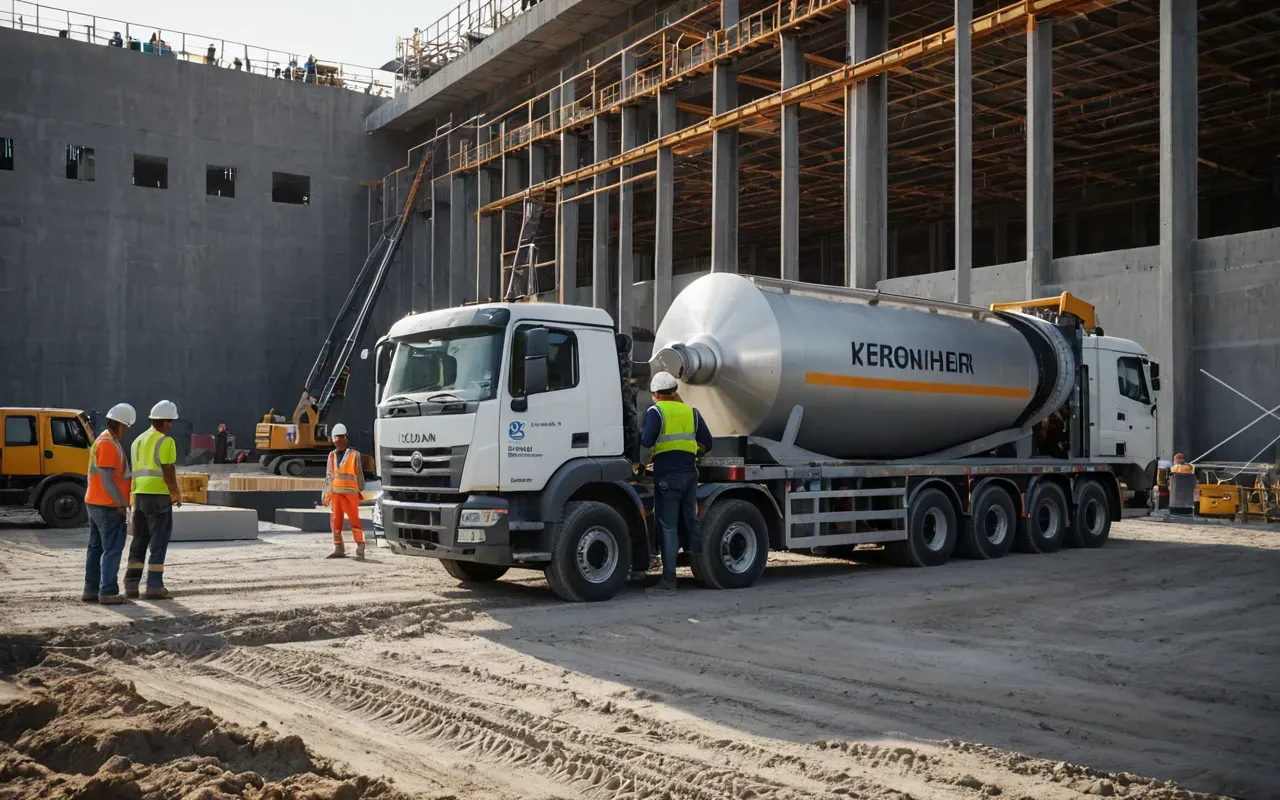
This is not just a Texas problem. The trends here often become national standards for the construction industry within five years.
If you want to stay ahead of these shifts look at how other states are handling similar disputes. The playbook is being written right now.
The Hidden Economic Risk of Ignoring Local Opposition
Developers often underestimate the power of community groups. One organized neighborhood can stall a project for months or even years.
In Houston about one hundred residents traveled to the state Capitol to protest plant permits in minority communities. That kind of mobilization is hard to ignore.
The EPA is now investigating TCEQ for alleged discrimination against non-English speakers. This federal scrutiny could lead to stricter nationwide oversight.
How Smart Contractors Are Adapting to This Reality
Forward-thinking firms are building relationships with local communities early. They attend town halls and share data on emissions before permits are even filed.
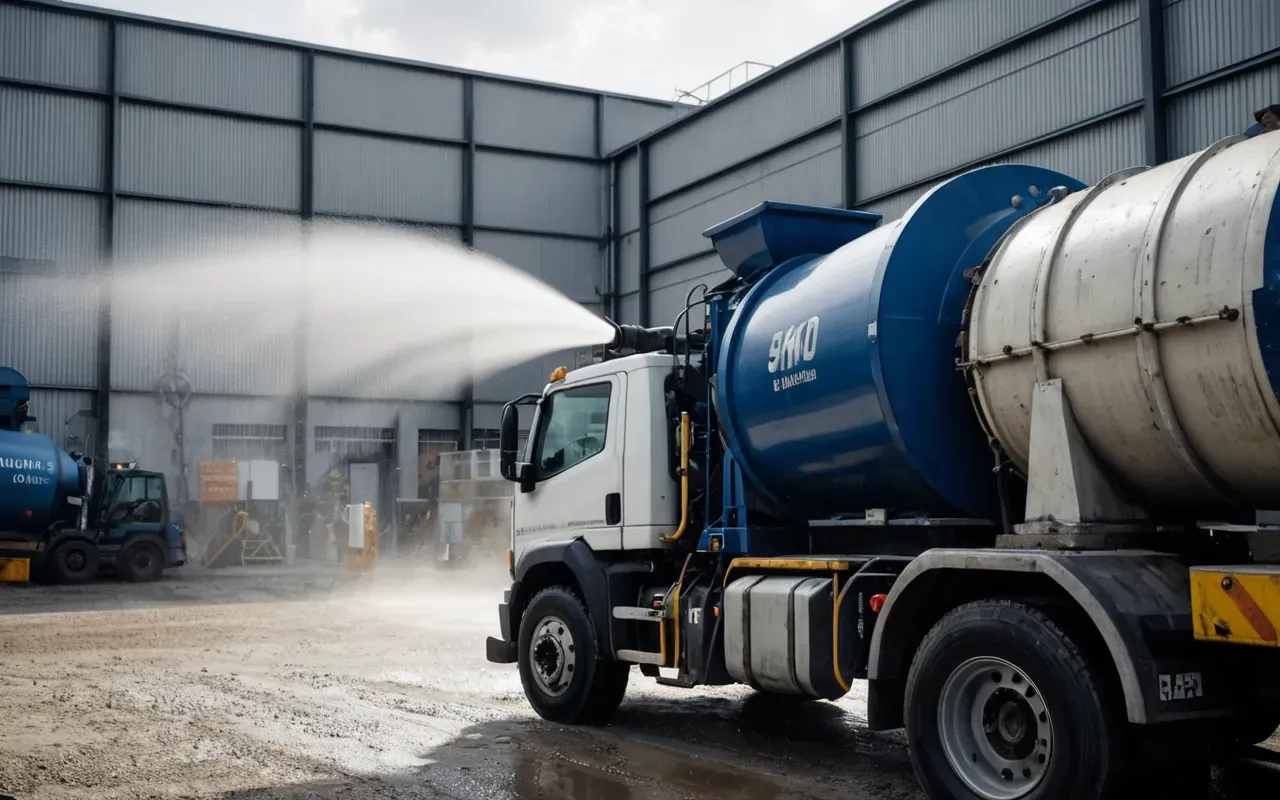
They are also investing in cleaner technology. Electric mixers and dust suppression systems are no longer optional luxuries but competitive necessities.
If you ignore this trend you risk being shut down or fined. The cost of inaction is far higher than the cost of adaptation.
The Future of Concrete Plants in a Changing Regulatory Landscape
We are moving into an era where environmental and social governance is not just a buzzword. It is a direct line item in your project cost.
Texas may be the testing ground for this shift. If the new rules pass they could become a model for other states facing similar community pressure.
For those in the industry this is not a time to panic. It is a time to plan. The companies that adapt now will have an edge when regulations tighten everywhere.
The bottom line is simple. You cannot build on top of community anger and expect a smooth project delivery.
Comments ()